Support

Sobral

About

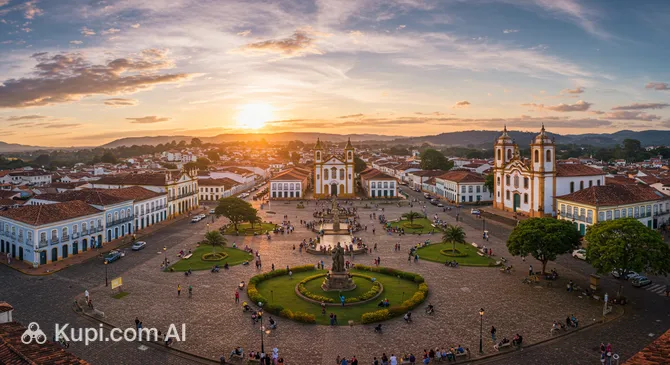
Sobral is a significant cultural and economic hub in the state of Ceará, located away from the coast in the heart of the picturesque Sertão region. The city stretches along the banks of the Acaraú River and is the state's second most developed city after the capital. Home to approximately 188,000 people, it features a hot and semi-arid climate typical of this part of Brazil.

Sobral. Illustration.
Source: Kupi.com AI

The city gained worldwide fame due to a unique event: in 1919, a British expedition observed a total solar eclipse here, the results of which confirmed Albert Einstein's General Theory of Relativity. The fascinating history of Sobral is closely intertwined with science, as evidenced by the famous Eclipse Museum (Museu do Eclipse), which has become one of the main points of interest for curious travelers.

Beyond its scientific heritage, the city charms visitors with its architecture. Sobral's historic center is recognized as a national heritage site, preserving magnificent colonial-era mansions and majestic churches, such as the Cathedral of Sé (Catedral da Sé). Another symbol of the city is the elegant Triumph Arch (Arco de Nossa Senhora de Fátima), which graces one of the boulevards.

Sobral offers tourists a chance to experience authentic life in the Brazilian hinterland, enjoy walks along the riverfront, and appreciate the beauty of historic buildings. It is an ideal destination for those seeking an intellectual getaway and wishing to visit the place where our understanding of the universe once changed forever.

Weather Overview

The climate in Sobral is typical for the hot Sertão region: it's always warm, and seasonality is defined by rainfall rather than temperature shifts. Throughout the year, the thermometer rarely drops below +22°C even at night, while daytime temperatures consistently reach +30°C and above.

The first half of the year, from January to May, is characterized by high humidity. March is the "wettest" month, seeing up to 30 rainy days, though the average temperature remains comfortable at around +26.4°C. During this time, the city is lush and green, but travelers should be prepared for frequent downpours.

The dry season starts in August, when rains stop almost entirely. September and October are the driest and hottest months: the number of rainy days drops toward zero, and daytime temperatures peak, reaching up to +34.9°C. Expect a sweltering summer in the second half of the year and wetter but warm weather in the first half. To plan your wardrobe and pick the best dates for your visit, check the current weather in Sobral by month.

Average monthly temperature

Average monthly precipitation

Interesting Facts

Beyond its main attractions, Sobral holds many fascinating secrets and features that make it a unique city on the country's map. Here are a few facts to help you get to know this "Princess of the North" better:

  • Educational Phenomenon. The city is known far beyond the state borders for its incredibly successful school system. Brazil regularly recognizes Sobral as a leader in national basic education quality rankings (IDEB), and its local experience is often cited as an example for other regions.

  • Beco do Cotovelo. This famous pedestrian alley in the city center serves as an informal "parliament" and the main meeting place for citizens. There is a belief that here, in the lively conversations of local residents, election outcomes are decided and public opinion is formed.

  • Home of a Musical Legend. Sobral is the hometown of Belchior, one of the most iconic singers and composers of Brazilian Popular Music (MPB). His memory is carefully preserved in the city, and his work remains an important part of local cultural identity.

  • Journalism Pioneer. The city has long-standing intellectual traditions: it was here in the 19th century that the first newspaper in the entire state of Ceará was printed, solidifying Sobral's status as an important center of enlightenment long before the arrival of scientific expeditions.

How to Get There

When planning a trip to this colorful Brazilian city, it's important to note that there are no direct commercial flights to Sobral itself. Travelers usually fly into major transport hubs in the state of Ceará and then continue by land. You can find all ways to get to the city, including route details, on our dedicated page.

The primary air gateway for most tourists is the international Pinto Martins Airport (IATA: FOR). It is located in the state capital, Fortaleza, about 203 km from Sobral. This is a large aviation hub with high passenger traffic, receiving flights from all over the world. The journey from here to Sobral by bus or taxi takes about 5 to 5.5 hours.

A closer alternative is the regional Jericoacoara Airport (IATA: JJD), located in the resort village of the same name. The distance to the center of Sobral is only about 86 km, allowing you to reach your destination much faster — in approximately 2.5 hours by car. This is an excellent option if you are flying on domestic airlines or combining your trip with a stay on the coast.

For your convenience, here is summary information on the main airports used to reach the city:

AirportPassenger trafficDistance
Sao Benedito (Walfrido Salmito de Almeida)1 64472 km
Jericoacoara312 35386 km
Santos Dumont26 616176 km
Pinto Martins Airport5.6 mln203 km
Barreirinhas30 000291 km

Rail service in this region is not used for regular passenger travel between cities, so trains are not an option for arriving in Sobral. The main methods of travel between the arrival airports and the city remain comfortable intercity buses or rental cars traveling along Ceará's state highways.

Main Attractions

Sobral's historic center is a landmark in its own right, as it is officially recognized as a national historical heritage site. Walking through its streets feels like stepping back into the 19th century, but there are several specific spots that are a must-visit to fully immerse yourself in the region's atmosphere.

One of the city's primary cultural treasures is the Dom José Museum (Museu Dom José). Located in the former Episcopal Palace, it is considered one of the most important museums of sacred and decorative art in Brazil. Its vast collection of thousands of exhibits features not only religious artifacts but also furniture, porcelain, weapons, and everyday items that tell the story of life in Ceará over past centuries. Tourists find this place fascinating for its incredible antique atmosphere and the chance to see rare colonial-era pieces.

Another architectural gem is the São João Theater (Theatro São João). Built in 1880 in a neoclassical style, it is one of the oldest theaters in the state. The theater impresses with its graceful facade and cozy auditorium, which still serves as the main stage for the city's cultural events. Tourists should stop by not just for the performances, but to appreciate the beauty of the restored interiors and take atmospheric photos in the square in front of the theater.

The spiritual heart of the city is the Cathedral of Sé (Catedral da Sé), also known as the Church of the Immaculate Conception. This majestic temple, construction of which began in the late 18th century, stands out with its two tall towers and simple yet harmonious decor. In the evening, the cathedral is beautifully illuminated, creating a mystical and solemn ambiance. A visit to the cathedral offers a better understanding of the local religious traditions and a moment of peace in the middle of the busy center.

For a more relaxed experience, head to the Left Bank Waterfront (Margem Esquerda) of the Acaraú River. This well-maintained space has become a favorite meeting spot for locals and tourists alike. Here, you can stroll along the river, admiring the views of historic buildings on the opposite bank, or visit one of the local restaurants. It is an excellent location to feel the rhythm of modern life in Sobral and enjoy the cool breeze by the water after a hot day.

Local Cuisine

Sobral's gastronomy is a vibrant reflection of the culinary traditions that Brazil is famous for, especially its Northeastern region. The dominant style here is "cozinha sertaneja" (sertão cuisine) — hearty, aromatic, and substantial, perfectly adapted to the hot semi-arid climate. Food here is not just for sustenance but an important social ritual that brings families and friends together.

The main dish every tourist must try is carne-do-sol (sun-dried beef) — beef that has been salted and lightly cured in the sun. In Sobral, it is prepared masterfully, served soft and juicy, usually accompanied by baião de dois. This iconic side dish is a mixture of rice and a special type of bean, often with local "queijo coalho" cheese, herbs, and clarified butter. For bolder foodies, there is panelada — a thick and rich stew made from beef offal, which locals consider an excellent way to restore energy.

Among light snacks and street foods, tapioca remains queen. These white pancakes made from cassava starch are fried right in front of you and filled with a variety of ingredients, from salty cheese and chicken to sweet shredded coconut with condensed milk. It's the perfect option for breakfast or an evening snack while walking around town.

When it comes to drinks, it's impossible not to mention cajuína. This is a non-alcoholic, amber-colored carbonated drink made from cashew apples (caju). It has a unique refreshing taste and is considered a true cultural treasure of the state of Ceará. Among alcoholic beverages, traditional cachaça is popular, as is ice-cold beer, which is customarily served in small glasses so it doesn't have time to warm up in the heat.

To truly feel the city's atmosphere, head to the Central Market (Mercado Central). This is where locals eat amidst the noise and the scent of spices. It's the best place to try authentic dishes at affordable prices and observe the lively interactions of residents, for whom sharing a meal is an essential part of the day.

Travel Tips

A trip to Sobral promises to be rewarding and interesting, but to ensure nothing distracts you from exploring this sunny city in Ceará, it's worth considering a few important nuances in advance. We've prepared a list of practical recommendations to help you plan your trip and feel confident in any situation.

  1. Clothing and Sun Protection. Given the hot semi-arid climate, opt for light clothing made from natural fabrics (cotton, linen) in light colors. A hat, sunglasses, and high-SPF sunscreen are essential, as the sun is very strong year-round. Footwear should be comfortable: sandals or light sneakers are best for walking on the cobblestones of the historic center. If you plan to visit active Catholic churches, remember the dress code: it's advisable to cover shoulders and knees.

  2. Transport Nuances. The city does not have a subway, and the bus network can seem confusing to tourists. The most convenient way to get around is by using taxi apps (like Uber or 99), which work well here and are inexpensive. Mototaxis are also very popular in the region — a fast and cheap way to get from point A to point B if you're traveling alone and don't mind riding a motorcycle.

  3. Finances and Payment. The national currency is the Brazilian Real (BRL). Brazil has a developed banking system, so credit cards are accepted almost everywhere, including restaurants and supermarkets. However, for purchases at the Central Market or from street food vendors (e.g., when buying tapioca), be sure to carry small denominations of cash. Tips in restaurants (usually 10%) are often already included in the bill as "taxa de serviço."

  4. Health and Safety. The main rule is to drink only bottled water; tap water is not potable. Due to the climate, it's important to stay hydrated. We also recommend carrying repellent, especially if traveling during the rainy season (January to May), to protect against mosquitoes. Sobral is calmer than major metropolises, but basic precautions are necessary: don't display expensive jewelry and watch your belongings in crowded places.

  5. Language Barrier. The main language is Portuguese. Few people speak English, mostly staff at large hotels or young people from the university environment. We strongly recommend downloading an offline translator and maps to your smartphone beforehand. A local SIM card (Claro, Vivo, Tim operators) can be purchased at pharmacies or newsstands; a passport is required for registration.

  6. Local Etiquette. Sobral residents, like all "sertanejos" (people of the sertão), are very hospitable and friendly. Greetings are often accompanied by a handshake or even a light hug if you're already acquainted. A universal gesture of approval and greeting is a thumbs-up (joinha). When entering a shop or elevator, it's customary to greet people with "Bom dia" (good morning) or "Boa tarde" (good afternoon).

  7. What to Avoid. Don't walk alone on unlit streets on the outskirts or along the river late at night. Also, avoid discussing local political topics or criticizing religion — these are important aspects of life for residents that they hold dear. And, of course, don't try to sunbathe at noon without protection — the risk of sunburn within 15 minutes is very real here.

  8. Respect the City's Rhythm. A specific trait of Sobral is the heat's impact on schedules. In the middle of the day (from 12:00 PM to 3:00 PM) when the sun is at its zenith, life in the city slows down: many small shops may close for a break. Plan your active walks and architectural sightseeing for early morning or after 4:00 PM, when the heat subsides and the city comes alive, especially on the riverfront.

By following these simple rules, you can easily blend into the rhythm of Sobral and get the most out of getting to know its culture and people. May your journey be safe, comfortable, and full of pleasant discoveries!

Entertainment & Nightlife

Sobral's nightlife has a unique charm dictated by the hot climate and its status as a university town. As the sun sets and the daytime heat fades, the streets fill with students and locals looking to unwind and socialize. You won't find pretentious metropolitan clubs with strict face control here; the atmosphere is democratic, relaxed, and very friendly.

The epicenter of evening activity is undoubtedly the area around the Triumph Arch (Arco de Nossa Senhora de Fátima). The Boulevard do Arco is a place where life buzzes until late at night. Here you'll find numerous street food stalls, small bars, and open-air cafes. It's the perfect spot to start your evening: you can try local snacks, have an ice-cold beer, and watch the city's hustle and bustle. The crowd is diverse, ranging from families with children to lively groups of young people.

If you're looking for a more aesthetic setting, head to the Left Bank (Margem Esquerda) of the Acaraú River. This revitalized area has become a favorite for evening walks and meetups. It features establishments with views of the river and the historic center, often hosting live music. Sobral's musical repertoire consists primarily of energetic forró and sertanejo, which locals dance to with great enthusiasm.

Specific venues popular among residents include:

  • Hollow Bar — a place with a modern and cosmopolitan vibe, attracting a young crowd with excellent cocktails and a stylish interior. It's a great place to start your night with friends.
  • Jacob's Pub — a cozy pub famous for its hospitality and good food. Here you can relax in an informal setting, enjoying a variety of drinks and tasty snacks.
  • North Shopping Sobral — for those who prefer more low-key leisure, the local shopping mall offers a modern cinema and a large food court that stays open late.

Practical tips for tourists mainly concern timing and dress code. Nightlife here starts quite late, with bars filling up closer to 9:00 PM or 10:00 PM. There is virtually no dress code: due to the heat, shorts, T-shirts, and sandals are appropriate even in most nightspots. Prices in Sobral are significantly lower than in tourist-heavy Fortaleza, so dinner and drinks won't break the bank.

Regarding safety, Sobral is calmer than the state capital, but you should still remain vigilant. For getting around at night, it is highly recommended to use official taxi apps (Uber or 99) and avoid walking on deserted streets away from the central boulevards. The Arch and Left Bank areas are well-lit and patrolled, so you can walk there quite freely.

During the day, before the city is taken over by night energy, Sobral offers cultural leisure. Be sure to visit the Madi Museum (Museu Madi) located on the waterfront. This unique space is dedicated to geometric abstractionism and looks very futuristic. It's also worth stopping by the City Park (Parque da Cidade) — a green zone with a lagoon where you can seek shade under the trees or exercise before the city sinks back into its hot and festive twilight.

Parks & Museums

Despite its hot semi-arid climate, Sobral surprises visitors with its efforts to create a comfortable urban environment and preserve its cultural wealth. The city harmoniously combines green oases that offer a respite from the heat with unique museum spaces that make it an important cultural point that Brazil is proud of.

For those seeking a connection with nature, the main attraction is the City Park (Parque da Cidade), which surrounds the picturesque Laguna da Fazenda. It serves as the city's lungs and is a favorite recreation area for locals. Here, you can walk along well-kept paths, ride a bike, or simply relax in the shade of the trees while watching local birds. The park represents an important ecosystem, preserving the typical caatinga vegetation within the city limits.

Another vital green artery is the developed Margem Esquerda area on the left bank of the Acaraú River. This is not just a waterfront but a true linear park where nature meets architecture. The space is designed to preserve old trees that provide natural shade. It's an ideal place for evening walks when a refreshing breeze blows from the river and the view of the historic center on the opposite bank becomes particularly romantic.

Sobral's cultural life extends far beyond traditional local history exhibits. A true gem is the Madi Museum (Museu Madi). Located right on the waterfront, its futuristic design attracts attention, contrasting with the old mansions. The museum is dedicated to the international MADI art movement, based on geometric abstraction. It features works by artists from all over the world, and a visit here is a real discovery for fans of contemporary art.

One cannot miss the famous Eclipse Museum (Museu do Eclipse). It was created to commemorate the historic 1919 event when observations in Sobral helped prove Einstein's Theory of Relativity. The museum's collection includes antique telescopes, photographs from that era, and interactive simulators about celestial bodies. This place is interesting not only for astronomy fans but for anyone who wants to touch the history of world science.

Art lovers should also check out the Pinacoteca de Sobral, located in the historic Chagas Barreto Palace (Palacete Chagas Barreto). The gallery houses an impressive collection of works by Brazilian and international artists, while the building itself is a beautiful example of neoclassical architecture, immersing visitors in the atmosphere of past centuries.

An insider tip: try to plan your visit to the City Park closer to sunset. At this time, the heat subsides, and you can see one of the most beautiful sunsets in the region as the sun reflects in the waters of Laguna da Fazenda, painting the sky in incredible shades of orange and purple.

Getting Around

Sobral's transport infrastructure stands out favorably compared to many other cities of similar size in the country. The primary mode of transport for locals and a convenient option for tourists is the Sobral VLT (light rail), often referred to locally as the metro. The system consists of two lines — North and South — connecting outlying districts with the historic center. The trains are modern, run on schedule, and, crucially for Ceará's climate, are equipped with air conditioning. This is the fastest and most economical way to move around the city.

Complementing the rail transport is the TranSol municipal bus network. These buses run on routes not covered by the VLT, providing access to residential neighborhoods and social institutions. Tourists should note that bus fares are usually paid in cash to the conductor or driver upon boarding. Public transport fares in Sobral are low, so it's recommended to always carry small bills and coins.

A very popular and characteristic mode of transport for the region is the mototaxi. Drivers are easily identifiable by their special numbered vests. This is a fast and cheap way to get anywhere in the city, especially if you are traveling alone. For your safety, always request and wear the protective helmet that the driver is required to provide. If you prefer a car, popular ride-hailing apps like Uber and 99 operate reliably in Sobral.

The city's historic center is compact enough that the main attractions are within walking distance of each other. However, when planning trips by public transport, keep their operating hours in mind: VLT and bus services usually stop around 11:00 PM. Additionally, on weekends (especially Sundays), intervals may increase and the number of trips may be reduced, so it's better to rely on taxis for late-night returns.

Accommodation

Sobral offers travelers a decent selection of accommodation that, while not featuring sprawling resort luxury, provides the necessary comfort and coziness. The city's hotel sector is largely geared toward business travelers, visiting professionals, and the academic community, so the bulk of the room stock consists of functional mid-range hotels and small budget guesthouses known in Brazil as "pousadas."

When choosing a place to stay, consider the Historic Center (Centro Histórico). Staying in this area puts you within walking distance of the main architectural monuments, museums, and the scenic Acaraú riverfront. This is an ideal option for those wanting to immerse themselves in the old city atmosphere. Another popular and convenient location is the area around the Triumph Arch and Boulevard do Arco. Nightlife, restaurants, and cafes are concentrated here, making it a great choice for tourists who prefer being at the center of the action with quick access to entertainment.

The price range in the city is pleasantly affordable compared to the popular coastal resorts of Ceará. Budget and mid-range options predominate in Sobral. While you won't find five-star luxury complexes here, the best local hotels offer quality service, air-conditioned rooms (which is critical in the local climate), and often swimming pools to provide relief from the daytime heat.

It is recommended to book your accommodation in advance. Sobral is a major educational center, and demand for rooms spikes during academic conferences, entrance exams, or traditional June festivals (Festas Juninas). Most larger hotels are available for booking through major international online platforms, though smaller family-run pousadas often offer better rates through direct contact or local Brazilian booking services.

Nearby Cities

For those looking to explore the surrounding areas, Sobral serves as an excellent starting point for day trips to several interesting nearby locations:

The town of Ubajara, located in the mountainous Serra da Ibiapaba region, deserves special attention. This destination is famous for its National Park, home to the renowned Ubajara Cave. Tourists come here to descend into the grotto by cable car and enjoy the cool mountain climate, which provides a pleasant contrast to the heat of the plains.

Another picturesque spot is Guaraciaba do Norte. This town is also situated at a higher altitude and attracts nature lovers with its green landscapes and fresh air. It is a wonderful place for a peaceful getaway and for discovering the region's flora.

If you're looking for a shorter trip, it's worth visiting Massapê. It is located very close by and is known for its artisans who create products from straw and ceramics, making it a great place to buy authentic souvenirs.

CityPopulationDistance
Forquilha21 78616 km
Massapé35 19118 km
Meruoca13 69319 km
Groaíras10 22826 km
Santana do Acarau29 94630 km

These nearby destinations offer a glimpse into the diverse culture and landscapes of the region.

Shopping & Souvenirs

General Overview

Shopping in Sobral is more than just buying goods; it's an opportunity to experience the commercial pulse of the entire northern region of Ceará. The city acts as a major commercial hub for residents of neighboring municipalities. Here, modern brand stores sit harmoniously alongside traditional street trade, soaked in the color of the Brazilian interior. Sobral is particularly famous as a major center for the footwear industry (home to Grendene factories), so tourists can often find a wide range of summer shoes at attractive prices.

Main Shopping Districts and Streets

The heart of commerce beats in the Historic Center (Centro Comercial). The main shopping arteries are the streets around the famous Beco do Cotovelo alley and Rua Coronel José Sabóia. This district is a lively labyrinth where windows filled with clothing, electronics, and fabrics alternate with small shops. A walk here lets you feel the city's true energy: the noise, the music from stores, and the brisk trade happening right on the sidewalks.

Shopping Centers

The primary destination for comfortable shopping is North Shopping Sobral. It is the only large mall in the city and surrounding areas, serving as a true refuge from the daytime heat thanks to powerful air conditioning. Inside, you'll find boutiques from well-known Brazilian and international brands, beauty shops, electronics, and a large food court. It is a modern space where you can update your wardrobe and relax with the whole family.

Markets

For an authentic experience, head to the Central Market (Mercado Central). This is where the spirit of old Sobral lives. They sell everything here: from fresh fruits, vegetables, and meat to medicinal herbs, spices, and household items. The market is interesting for tourists to see local products, such as "manteiga da terra" (bottled butter) or traditional cheeses, and to observe the unvarnished daily life of the locals.

Souvenirs

From a trip to Sobral, it's worth bringing back handcrafted items that Brazil is famous for. Look out for:

  • Leather goods: Handmade hats, sandals, and bags typical of the "sertanejo" culture.
  • Straw weaving: Baskets, hats, and decorative items, often brought from the nearby town of Massapê.
  • Gastronomic souvenirs: A bottle of cajuína (traditional cashew drink) or a block of rapadura (unrefined cane sugar sweet).
  • Religious items: Wooden carvings of saints, which are popular in this deeply religious region.

Hours and Payment

Street shops in the center generally operate from 08:00 to 18:00 on weekdays and until 12:00 or 13:00 on Saturdays; they are closed on Sundays. North Shopping is open daily from 10:00 to 22:00 (on Sundays, shops may open later, around 13:00). Credit cards and cash (Brazilian Reais) are widely accepted. In small market stalls or with street vendors, cash is preferred, although many now use the PIX instant payment system (requires a local app).

Tax Free

While the country formally has a tax refund system for foreign tourists, it is practically non-existent in Sobral. Shops in the city generally do not issue Tax Free forms, as this destination is not yet a major spot for international shopping tourism. You should not count on a VAT refund here.
Nearby cities

Reached the end of the page?

That means the route is fully explored