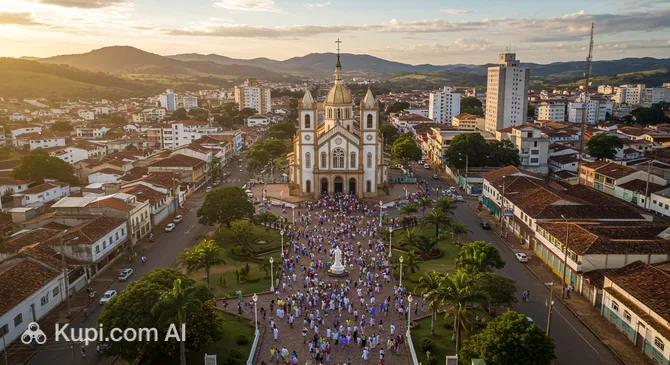
Trindade is a unique city located deep in the heart of the continent, in the Brazilian state of Goiás. Despite the fact that this point on the map of Brazil is far from the ocean coast, it attracts millions of people every year. Trindade is rightfully called the "Capital of Faith" of the region, as it is one of the most significant centers of religious tourism in all of South America.
Trindade. Illustration.
Source: Kupi.com AI
The heart of the city is the famous Basilica of the Divine Eternal Father (Basílica do Divino Pai Eterno) — a majestic temple that has become a symbol of hope and spirituality. With a population of about 104,000 people, the city lives at a special rhythm set by major religious holidays and crowded processions. The rich history of Trindade is permeated with legends and traditions carefully preserved by the locals.
Located in close proximity to the major center of Goiânia, Trindade offers travelers a special atmosphere of peace and serenity. Here, developed infrastructure coexists with ancient churches, and instead of the sound of the surf, church bells ring. It is an ideal place for those seeking spiritual renewal and wanting to get acquainted with the authentic culture of the Brazilian hinterland.
Weather Overview
In Trindade, you can expect a warm climate throughout the year. Overall, expect a hot and humid summer (from November to April) when average daytime temperatures are around 28-29°C and it often rains. The period from May to September is drier, especially from June to August when there is almost no precipitation; during this time, days remain warm or become very hot (especially in August-September, with highs reaching 30-33°C). Nighttime temperatures usually fluctuate between 16-21°C. For more detailed planning of your trip, explore the climate and weather in Trindade.
Average monthly temperature
Average monthly precipitation
Interesting Facts
Beyond its status as a major religious center, Trindade holds many fascinating stories and unique traditions that reveal the soul of the Brazilian hinterland.
Basilica Shrine of the Divine Eternal Father. Illustration.
Source: Kupi.com AI
Traveler photos:
The Legend of the Clay Medallion — the city's history began with an amazing discovery. According to legend, around 1840, a couple working in a field found a small medallion depicting the Holy Trinity crowning the Virgin Mary. This accidental find in ordinary clay became the source of the first miracles and attracted the first pilgrims, turning a modest settlement into the "Capital of Faith."
Ox Cart Parade — one of Trindade's most colorful traditions. During the main festival, hundreds of decorated carts pulled by oxen (Carros de Boi) come to the city from all over the region. This spectacle is officially recognized as an intangible cultural heritage of Brazil, symbolizing the link between generations and the rural roots of the local residents.
Second Largest Pilgrimage — the annual festival dedicated to the Divine Eternal Father gathers millions of believers. In terms of scale, this event in Brazil is second only to the pilgrimage to Aparecida, making the city one of the most important spiritual centers in South America.
Unique Temple Status — the majestic Basilica-Sanctuary of the Divine Eternal Father is the only sanctuary in the world dedicated specifically to this title of the Holy Trinity. The building is impressive in size and is visible from almost anywhere in the city.
The Pilgrims' Road — a special "Rodovia dos Romeiros" (Pilgrims' Highway) is laid out between the state capital, Goiânia, and Trindade. Along the 18-kilometer path, large panels depicting the Stations of the Cross are installed, and during festivals, a river of people travels this road on foot to express their faith and devotion.
How to Get There
When planning a trip to the "Capital of Faith" of the state of Goiás, it is important to think through the logistics in advance. You can find out more about how to get to Trindade by studying all available routes. Since the city itself does not have an airport, the main flow of tourists arrives through nearby major transport hubs.
The most convenient option is Santa Genoveva Airport (IATA: GYN). It is located not in Trindade, but in the state capital, Goiânia, just 29.3 km from your destination. This is a modern airport with significant passenger traffic, accepting many domestic flights. The journey from here to Trindade by taxi or transfer will take about 40-60 minutes, depending on traffic leaving Goiânia.
For international travelers or those looking for more flight options, an excellent alternative is Brasília International Airport (IATA: BSB). This is one of the country's largest aviation hubs, located in the city of Brasília, approximately 189 km from Trindade. The journey by car or intercity bus from here will take about 3-4 hours. Despite the distance, this option is often chosen due to the wide range of flights and convenient connections.
For clarity, here is summary information on the main airports through which you can reach the region:
As for rail transport, passenger service is poorly developed in this region of Brazil. There are no direct trains to Trindade. The main land-based way to reach the city remains by road. Trindade is connected to Goiânia by an excellent highway known as the "Rodovia dos Romeiros" (Pilgrims' Highway). Regular buses run between the cities at short intervals, making the trip quick and easy.
Main Attractions
Trindade, known as the capital of faith of the state of Goiás, attracts pilgrims and tourists with its shrines and unique atmosphere. The city offers several interesting places to visit to gain a deeper understanding of its culture and traditions.
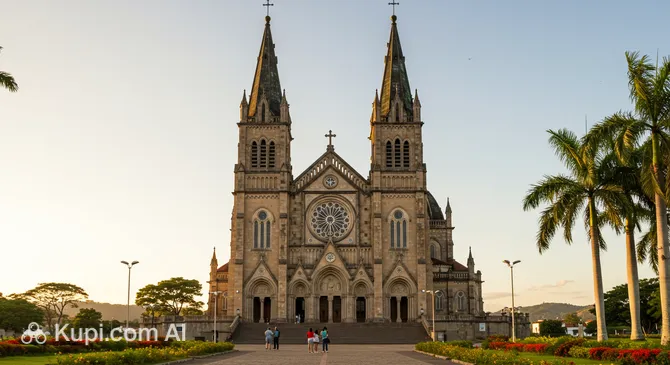
The crown jewel of the city, without a doubt, is the Basilica-Sanctuary of the Divine Eternal Father. This monumental structure impresses with its architecture and is one of the most important pilgrimage centers in Brazil. Thousands of believers flock here every year, especially during the Romaria do Divino Pai Eterno festival. For tourists, the basilica is interesting not only as a religious site but also as an impressive architectural monument where one can learn more about the spiritual life of the region.
Basilica Shrine of the Divine Eternal Father. Illustration.
Source: Kupi.com AI
Traveler photos:
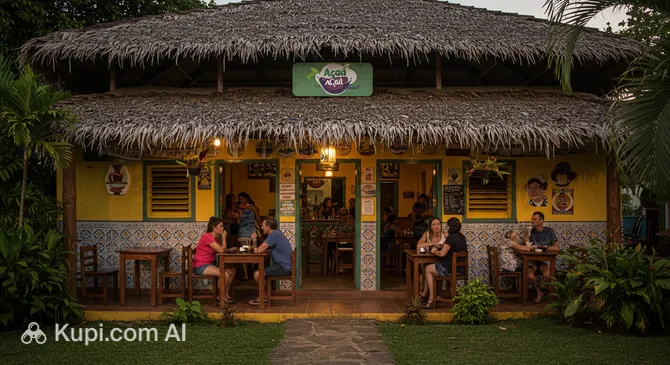
In addition to spiritual nourishment, Trindade offers gastronomic pleasures. To try something authentic and popular, stop by Açaí Café Trindade. Here you can enjoy the famous Brazilian açaí berries, served as refreshing and nutritious bowls with various toppings. It is a great place to take a break and recharge while walking around the city.
Açaí Café Trindade. Illustration.
Source: Kupi.com AI
Traveler photos:
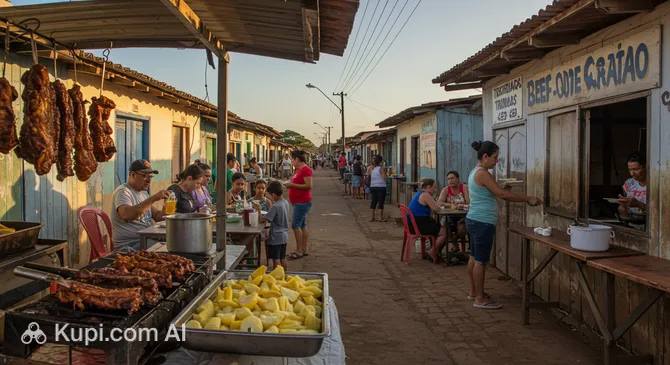
If you want to immerse yourself in the local atmosphere and try traditional dishes, check out the bar Beef with Cassava. As the name suggests, this establishment is famous for its signature dish – juicy beef served with cassava, one of the staples of Brazilian cuisine. This is a wonderful opportunity to experience local culinary traditions in an informal setting.
Beef with Cassava. Illustration.
Source: Kupi.com AI
Traveler photos:
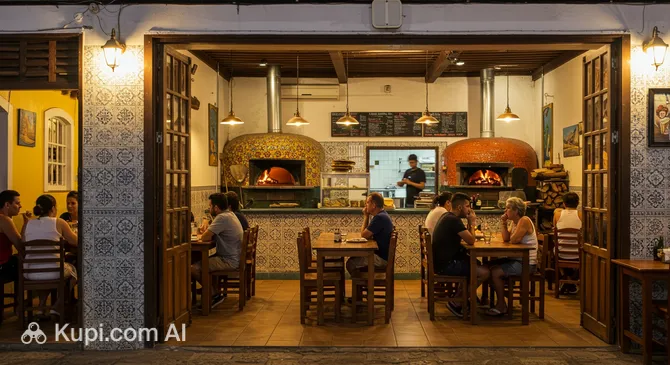
For lovers of Italian cuisine, Pizzaria Casarão opens its doors. This is a popular spot among locals and tourists where you can enjoy various types of pizza and other Italian dishes in a cozy atmosphere. A good option for dinner after a busy day of sightseeing.
Local Cuisine
The gastronomy of Trindade offers a fascinating immersion into the world of Brazilian cuisine, known for its vibrant flavors and hearty dishes. Here you can try both national culinary hits and unique local specialties that reflect the spirit of the Goiás region. The city's culinary scene is diverse: from cozy family restaurants serving traditional meals to lively cafes and street food stalls where everyone will find something to their liking.
Be sure to try traditional Brazilian snacks such as coxinha – teardrop-shaped fried dough filled with tender chicken, or pastéis – thin, crispy fried pies with various fillings ranging from meat to cheese. One dish that cannot be overlooked in Trindade is Beef with Cassava – a classic combination that perfectly demonstrates the Brazilian love for hearty and aromatic food, characteristic of central Brazil. Although Trindade is far from the ocean, some establishments serve dishes inspired by the country's rich coastal cuisine, such as variations of moqueca – a famous fish or seafood stew with coconut milk, tomatoes, and spices. However, the main focus here remains on meat dishes and the use of local ingredients.
Among the drinks, cachaça – the national Brazilian alcoholic drink made from sugarcane – is particularly popular. It can be consumed neat or as part of the famous caipirinha cocktail, which is perfectly refreshing on a hot day. Also, don't miss the opportunity to try fresh juices made from exotic fruits like passion fruit, mango, guava, or açaí – a real vitamin boost and a taste of the tropics. A popular dessert and drink based on açaí can be enjoyed at Açaí Café Trindade.
Locals and tourists typically eat at numerous restaurants, cafes (lanchonetes), and snack bars offering food for every taste and budget. Street food also plays an important role, especially during city festivals and events where you can get a deeper look at local culinary traditions. If you crave something familiar with a Brazilian twist, you can stop by Pizzaria Casarão. The gastronomic scene of Trindade will delight you with its diversity and hospitality, offering hearty meat dishes, popular Brazilian snacks, and refreshing drinks.
Travel Tips
Welcome to Trindade! To make your journey to this significant spiritual center of Brazil as comfortable and memorable as possible, we have prepared some practical tips. They will help you find your way and enjoy every moment of your stay.
Clothing and Essentials: The climate in the state of Goiás, where Trindade is located, is tropical, with a distinct dry season (April–September) and a rainy season (October–March). We recommend bringing light, breathable clothing made from natural fabrics. Don't forget comfortable shoes, as you may need to walk a lot, especially if your visit coincides with religious holidays. Sunscreen, a hat, and sunglasses are a must. Given the city's religious significance, choose modest clothing that covers shoulders and knees when visiting churches and shrines. For electrical devices, you may need an adapter (Brazil uses Type N sockets, and voltage can vary).
Getting Around the City: In Trindade, it is most convenient to move around by bus – it is the main form of public transport. Taxi services and ride-hailing apps popular in Brazil, such as Uber or 99, are also available. Renting a car may be worthwhile if you plan to explore the surroundings of the state of Goiás, but for moving around the city itself, it is generally not a critical necessity.
Finances: The official currency is the Brazilian real (BRL). You can exchange currency at banks or exchange offices (casas de câmbio); however, in smaller cities like Trindade, there may be few of them, so it's better to arrange exchange in advance in a larger city or upon arrival at the airport. Credit and debit cards (Visa, Mastercard) are accepted in many hotels, restaurants, and large shops, but it's always useful to carry some cash for small purchases and in case cards are not accepted. ATMs (caixas eletrônicos) are fairly common. Tips in restaurants are usually 10% and are often already included in the bill as "serviço".
Health and Safety: Pharmacies ("farmácias" or "drogarias") are easy to find, and some may operate 24/7. To receive medical assistance, tourists are recommended to have international medical insurance. Trindade is considered a relatively safe city, especially compared to Brazil's large metropolises. Nevertheless, follow standard precautions: do not leave belongings unattended, avoid displaying expensive jewelry and gadgets, and be mindful in crowded places, especially during major festivals.
Communication: The official language is Portuguese. English is not very widely spoken, mainly among young people and in the tourism sector. Learn a few basic phrases in Portuguese: "Olá" (Hello), "Obrigado/Obrigada" (Thank you – male/female), "Por favor" (Please), "Quanto custa?" (How much does it cost?), "Não entendo" (I don't understand). A SIM card from local operators (Claro, Vivo, TIM) can be purchased at specialized stores. Wi-Fi is available in most hotels, cafes, and some public areas.
Local Etiquette: Brazilians are very open and friendly people. Greetings usually involve a handshake; among close acquaintances or women, cheek kisses (one or two) are common. In Trindade, as a major religious center, respectful behavior is particularly valued, especially when visiting churches and holy sites. Be tactful and show respect for local traditions and believers.
What to Avoid: Try not to photograph people without their permission, especially during religious ceremonies. It is also not recommended to engage in lively discussions on topics of politics or football with strangers, as these topics can be quite sensitive for Brazilians. Avoid excessive alcohol consumption in public places, especially near religious sites.
Special Advice:Trindade is best known for the grand Festa do Divino Pai Eterno (Festival of the Divine Eternal Father), which usually takes place in late June to early July and attracts millions of pilgrims. If you plan a trip during this time, book your accommodation and transport well in advance. This is a unique opportunity to see the city in all its glory and spiritual power, but be prepared for large crowds.
We hope these tips help you plan an unforgettable trip to Trindade. Enjoy the hospitality of Brazil and the unique atmosphere of this amazing city!
Entertainment & Nightlife
Evening Trindade offers its guests a cozy and relaxed atmosphere, ideal for those who want to have a pleasant time after a busy day. Although the city is better known for its religious shrines, you can also find places to relax and socialize after dark. The nightlife here is not as bustling as in major metropolises, but it offers its own charming options.
Most evening entertainment is concentrated in the central part of the city and on the streets adjacent to the main squares. Here you will find a variety of bars and restaurants where you can enjoy local cuisine and drinks. The atmosphere in most establishments is friendly and laid-back, perfect for conversation. The crowd is mixed – locals and pilgrims looking to unwind. The dress code is generally casual.
Many establishments stay open until late evening, especially on weekends. If you are looking for a place to have a delicious meal and a drink, look into the bar Beef with Cassava, known for its local specialties. For dinner in a pleasant setting, Pizzaria Casarão is a good choice, offering a variety of dishes. Another nice spot for an evening snack or a refreshing drink is Açaí Café Trindade. While Trindade is not famous for large nightclubs or noisy discos, some bars feature live music, creating a pleasant backdrop for relaxation.
Casarão Pizzeria. Illustration.
Source: Kupi.com AI
Traveler photos:
As for practical advice, it is best to visit these establishments in the evening starting from 7:00-8:00 PM, when the city comes alive after the daytime heat. Average prices in the bars and restaurants of Trindade are quite moderate. For getting around the city at night, it is recommended to use taxis or reputable ride-sharing apps. Try to stick to well-lit and busy streets, especially if you are out late. Overall, the central areas of the city are considered safe enough for evening walks.
During the day, Trindade offers other types of leisure. Guests can visit the famous Basilica-Sanctuary of the Divine Eternal Father, which is the main point of attraction. You can also stroll through the city parks or explore local shops in search of souvenirs. Although there may not be large theaters or amusement parks in the city, its unique atmosphere and cultural heritage offer plenty of opportunities for an interesting stay.
Parks & Museums
Trindade, known as the capital of faith of the state of Goiás, offers visitors not only a deep dive into spiritual heritage but also the chance to enjoy well-maintained green areas and experience local culture through its iconic landmarks.
For those seeking nature-based relaxation, Lara Guimarães Municipal Park (Parque Municipal Lara Guimarães) is a pleasant place for walks and leisure. This city park provides residents and guests of Trindade with a green zone for relaxation and peaceful pastimes. Although Trindade is primarily known for its religious sites, the presence of such parks adds comfort and opportunities for relaxation to the city.
Another significant location, especially during the famous Festa do Divino Pai Eterno, is the Carreiródromo (Carreiródromo de Trindade). This is not a park in the traditional sense, but a large open space where parades of ox-drawn carts and other cultural events take place. At other times, its surroundings can serve as a place for walking, allowing one to imagine the scale of the city's festivities.
Immersion in the city's history and culture is impossible without a visit to the Trindade Memory Museum (Museu da Memória de Trindade). This museum, often located near the main sanctuary, carefully preserves artifacts, old photographs, and important documents that tell the story of Trindade's formation, its traditions, and its deep history of devotion to the Divine Eternal Father. The museum's exhibits allow visitors to trace the city's journey from a small settlement to a major spiritual center, and to gain a deeper understanding of Trindade's significance for believers and the region's cultural heritage.
The Basilica-Sanctuary of the Divine Eternal Father itself is not only the main pilgrimage site but also an outstanding historical and architectural monument. Its majestic interiors, decorated with colorful stained glass, sculptures, and works of religious art, attract pilgrims from all over Brazil and the world, as well as connoisseurs of church architecture and art. Often, such significant temples organize exhibitions or have permanent displays dedicated to the history of the shrine and its artistic heritage, making a visit to the Basilica an educational experience for anyone interested in culture and art. This is a place where history, faith, and art intertwine to create a unique and unforgettable atmosphere.
For a more authentic experience, stroll through the streets around the main sanctuary. Here you can find small chapels, shops with religious items, and get a better feel for the city's daily life, which is inextricably linked to pilgrimage. Also, don't miss the chance to experience the local cuisine of the state of Goiás, which can be sampled in the city's many cafes and restaurants offering traditional treats and the true taste of the region.
Getting Around
Getting around Trindade can be done in several ways, and public transport plays an important role. The basis of the city's transport system is buses. they run on various routes, connecting the center with remote areas. Schedules and routes can usually be checked at bus stops, with drivers, or on official resources if available for the city's transport system.
The fare payment system in Trindade buses usually involves buying a ticket directly from the conductor or driver upon entry. In some Brazilian cities, there are transport cards that can be topped up, but for Trindade, it's worth checking for such a system upon arrival. Fares are usually fixed for urban routes but may vary for suburban directions. It is recommended to carry small change for payment.
Tourists planning to use public transport in Trindade should remember that buses usually start running early in the morning and end late in the evening. During peak hours, they can be overcrowded. Tickets generally do not require special validation after purchase, as payment occurs upon entry. For trip planning, you can seek information at the bus station or from local residents.
In addition to buses, in Trindade, as in many Brazilian cities, taxi services are available. This is a more expensive but also more comfortable way to get around, especially convenient for trips with luggage or at night. Popular ride-hailing apps may also be available. Bicycle rentals or car-sharing are less common in cities of this size, but it's worth checking current information locally if you're interested in such options.
Accommodation
In Trindade, tourists will find a variety of accommodation options to suit different preferences and budgets. The choice includes traditional Brazilian guest houses (pousadas) offering an authentic experience, budget hostels for thrifty travelers, as well as mid-range hotels with a wider range of services. For those looking for more space or planning a long stay, apartment or room rentals are available.
When choosing a place to stay in Trindade, many tourists and pilgrims prefer to stay in the central part of the city or in the immediate vicinity of the main local shrine – the Basilica-Sanctuary of the Divine Eternal Father. This location provides not only easy access to this important religious site but also proximity to other city infrastructure, including shops and eateries.
Basilica Shrine of the Divine Eternal Father. Illustration.
Source: Kupi.com AI
Traveler photos:
While there is a good selection of hotels and pousadas in Trindade capable of meeting the needs of various categories of travelers, there are no specific hotel examples mentioned with a direct link in the provided list of city attractions. We recommend that you independently explore offers on popular online booking platforms, where you can find up-to-date information, photos, and guest reviews to choose the most suitable option for you.
The price range for accommodation in Trindade is quite wide: from very budget-friendly options in hostels and simple pousadas to more comfortable rooms in mid-range hotels. It is strongly recommended to book accommodation in advance, especially if your trip coincides with major religious holidays such as the Festa do Divino Pai Eterno, which attracts a huge number of pilgrims, or if you plan a visit during the peak tourist season. Booking is convenient through well-known international and local online services, and in some cases, you can contact the administration of your chosen hotel or pousada directly.
Nearby Cities
For those looking to explore the surroundings, Trindade serves as an excellent starting point for day trips to several interesting nearby locations:
Here are a few reasons why these cities might be interesting to visit:
Goiânia: The capital of the state of Goiás, this lively city is located just 24 km from Trindade. Goiânia is known for its unique Art Deco architecture, numerous parks, and green spaces, which is why it is often called the "green capital." Here you can visit interesting museums, enjoy diverse cuisine, and immerse yourself in the region's cultural life.
Anápolis: Located about 68 km away, Anápolis is an important industrial and logistics center of the state. The city may be of interest to those who want to see a different side of the Brazilian economy and visit its shopping centers and local markets.
Senador Canedo: This fast-growing city is 43 km from Trindade. A trip here gives an insight into modern urban life in the vicinity of Goiânia. Senador Canedo can offer a look at local life and perhaps the chance to participate in regional festivals or events if any are taking place.
Inhumas: At a distance of about 31 km, Inhumas offers a more relaxed pace of life compared to larger cities. It is a good place to experience the culture of a small Brazilian town, try local cuisine, and perhaps find authentic souvenirs.
Itaberaí: Although Itaberaí is a bit further at 76 km, it may attract those seeking places less explored by tourists. Here you can enjoy the natural beauty of the region and get to know the traditional way of life in the Brazilian hinterland.
These nearby destinations provide a glimpse into the diverse culture and landscapes of the region.
Shopping & Souvenirs
Shopping in Trindade has its own specifics, closely linked to its status as an important religious center of Brazil. The city is not famous for large shopping centers or designer boutiques in the traditional sense, but you can find many goods here that reflect its spiritual atmosphere and culture. The main focus is on religious items, souvenirs related to faith, and products from local artisans.
Most shops and souvenir stalls are concentrated near the main religious shrines, especially around the Basilica-Sanctuary of the Divine Eternal Father. On the adjacent streets, you will find many small shops offering goods for pilgrims and tourists. Also, in the central part of the city, there are streets with shops focused on the everyday needs of locals, where you can find clothes, shoes, and household goods.
Basilica Shrine of the Divine Eternal Father. Illustration.
Source: Kupi.com AI
Traveler photos:
Trindade is not the kind of city people go to for shopping in large modern malls. Small family-run shops and specialized stalls predominate here. If you need a wider selection of goods in a mall format, it might be worth considering a trip to larger cities in the state of Goiás.
In Trindade, fairs or small markets may be organized periodically, especially during major religious holidays and festivals. At these events, you can find local crafts, traditional food products, and souvenirs. There are few permanent large markets aimed at tourists in the city, but it is always worth asking locals or tourist information points about upcoming fair days.
The main souvenirs from Trindade are certainly items of religious worship: icons, figurines of the Divine Eternal Father, rosaries, candles, and other church supplies. Items with symbols of the city and the main basilica are also popular. Pay attention to local sweets and products, such as cheeses, honey, or tropical fruit jams, which can be a delicious reminder of your trip. Sometimes you can find interesting handmade items from local masters, such as ceramics or textiles.
Shops in Trindade usually operate from morning (around 9:00-10:00 AM) to evening (6:00-7:00 PM) on weekdays, with a possible lunch break. On Saturdays, working hours may be reduced. On Sundays, many small shops may be closed, except for those catering to pilgrims and tourists near religious sites – these often work on weekends, especially during days with a high influx of visitors. Brazilian reals (BRL) are accepted everywhere in cash. In many places, you can also pay with bank cards (credit and debit), however, it is better to have some cash on hand for small stalls and markets.
A Tax Free system for tourists on goods purchased in Trindade is generally not common. This service is more typical of large international airports and specialized stores in major tourist centers of Brazil upon leaving the country.