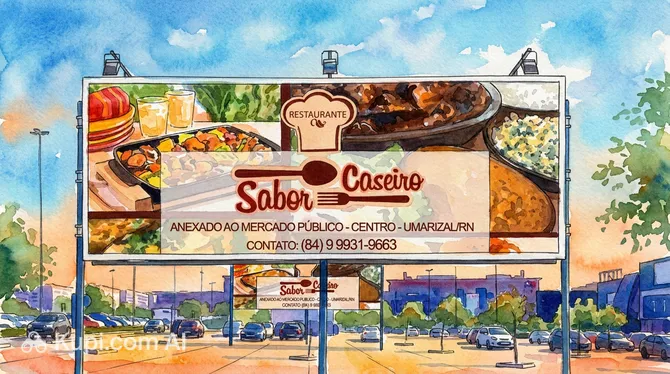
Umarizal is a cozy and distinctive municipality located in the state of Rio Grande do Norte in northeastern Brazil. The city is a typical settlement of the Sertão region, where life flows at a measured pace and the atmosphere is steeped in the spirit of the true Brazilian countryside. With a population of about 10.5 thousand people, it is an ideal destination for those wishing to see authentic local life away from the popular tourist routes.
Umarizal. Illustration.
Source: Kupi.com AI
Geographically, Umarizal is situated in a semi-arid zone, which defines its unique landscape: the area is dominated by caatinga—drought-resistant vegetation characterized by thorny shrubs. The city's history is inextricably linked to the development of agriculture and livestock farming, which remain the backbone of the local economy today. Exploring the history of this region provides a better understanding of the character of its residents and their deep connection to the land.
The city's appeal to travelers lies in its genuine sincerity. There are no bustling avenues or skyscrapers; instead, it preserves traditional low-rise buildings and a leisurely rhythm of life. A visit to this city is an invitation into a world of peace and quiet, where every traveler can touch the roots of northeastern Brazil's culture.
Weather Overview
The climate of Umarizal is classified as semi-arid tropical, which guarantees hot weather throughout the year. Average temperatures usually range from 25°C to 35°C, peaking in October and November. If you are planning a trip, keep in mind that the weather in the city is clearly divided into dry and wet seasons.
Expect a truly sweltering summer with minimal rainfall from August to January, when the landscape takes on its characteristic golden-brown hues. A more comfortable time for a visit is considered to be the period from March to July, when the rains arrive, bringing long-awaited coolness and making the caatinga turn green. The overall level of precipitation is low, which creates conditions for clear air, although it can be dusty during the dry months.
Average monthly temperature
Average monthly precipitation
Interesting Facts
The name of the city, Umarizal, has deep indigenous roots and, according to researchers, originates from the Tupi-Guarani languages, signifying a place where certain tropical plants grow or proximity to water.
The demographic situation in the city reflects the general trends of the region: the population is gradually decreasing due to the migration of young people to major administrative centers, making the city's atmosphere even quieter and more secluded.
The city is located 250 kilometers from the state capital, Natal, and serves as an important center for its micro-region, which connects rural communities across an area of more than 1,600 km².
The population density here is only 42–49 people per square kilometer, highlighting the predominantly rural character and the untouched nature of the local landscapes.
How to Get There
The easiest way to get to Umarizal is from the state capital, Natal. The primary mode of transport is intercity buses, which depart regularly from the central bus station (Rodoviária). The journey along the BR-304 federal highway usually takes between 4 and 5 hours. More detailed information about routes can be found in the section on how to get to the city.
For international and domestic flights, travelers use the nearest major air hub. Although there is no airport in the city itself, transport links are well-established through the regional capital.
Railway service in this region is poorly developed, and passenger trains do not run to Umarizal. The main alternative to buses is renting a car or using private transfer services from neighboring large cities, such as Mossoró.
Main Attractions
Despite the lack of world-famous monuments, Umarizal charms visitors with its authenticity. The main center of attraction for locals and guests alike is the Central Square (Praça da Matriz). This is the heart of the city, home to a modest yet elegant parish church. The square serves as the perfect spot for leisurely strolls and observing the daily life of the Brazilian north.
Of particular interest is the local market (Feira Livre), which comes to life on weekends. This is not just a place for shopping but a true cultural event where you can encounter traditional crafts, hear the local dialect, and feel the real flavor of the Sertão. Everything is traded here, from fresh tropical fruits to handmade leather and wood products.
Nature lovers should pay attention to the surrounding caatinga landscapes. Hiking through this unique ecosystem allows you to see rare species of drought-resistant plants and whimsical rock formations. Although there are no developed tourist trails, the wild beauty of these places leaves an unforgettable impression on ecotourism enthusiasts.
Local Cuisine
The gastronomy of Umarizal is a tribute to the simplicity and heartiness characteristic of the entire Sertão region. Meat and grains are the main ingredients here. Be sure to try feijão verde—tender green beans stewed with meat and aromatic spices—as well as cuscuz, traditional corn cakes served with almost every meal.
For adventurous foodies, the local cuisine offers buchada de bode—a goat offal stew that is considered a delicacy of the northeast. An important part of the diet is sun-dried meat (carne de sol), a preparation method dictated by the hot climate. These hearty dishes are best washed down with fresh juices made from local fruits like guava or casaba, which are incredibly fragrant here.
The food culture in the city is centered around family restaurants and eateries on the central square. These are places with a homey atmosphere where prices remain quite democratic. If you want something stronger, look for locally produced cachaça, which is often infused with tropical herbs.
Travel Tips
Traveling deep into the state of Rio Grande do Norte requires some preparation, so we have put together a few useful tips for a comfortable visit to Umarizal.
Clothing and Essentials: Choose light clothing made from natural fabrics, as it is very hot in the region. Be sure to bring sunscreen, a wide-brimmed hat, and insect repellent, especially if your trip falls during the rainy season.
Transport: Within the city itself, it is best to get around on foot. For trips to the surrounding areas, it is recommended to rent a car, as public transport is infrequent and taxis can be difficult to find.
Finance: The official currency is the Brazilian Real. Small shops prefer cash, so it is better to have a supply of small bills. Cards are accepted in larger establishments, but international cards may not work everywhere.
Health and Safety: Always keep a bottle of water with you to stay hydrated. In terms of safety, the city is peaceful, but follow basic precautions: do not leave valuables in plain sight and avoid unlit outskirts after dark.
Communication: The main language is Portuguese. English is practically not spoken here, so it is worth learning a few basic phrases or using an offline translator.
Local Etiquette: Residents of Umarizal are friendly and open. A greeting (Bom dia, Boa tarde) is an essential part of communication. Respect local traditions and religious holidays.
What to Avoid: Do not plan to travel by road at night due to the possibility of encountering stray livestock on the highways. Also, do not neglect wearing a hat under the scorching sun.
Best Time to Visit: Try to visit the city between March and July, when nature comes to life and the heat becomes less grueling.
Following these simple rules will help you fully enjoy the hospitality and beauty of this unique corner of Brazil!
Entertainment & Nightlife
Entertainment in Umarizal is traditional and relaxed. You won't find noisy nightclubs or massive concert halls here; instead, the city is famous for its soulful musical evenings. On weekends, forró—the infectious rhythm of the northeast—often rings out in the small bars around the central square, with both the youth and the older generation joining in the dance.
The peak of social activity occurs during religious festivals and city fairs, especially between June and August. During these times, the streets are decorated, and mass festivities take place with dancing, music, and tastings of traditional treats. It is the best time to see the entire city come together in a unified festive spirit.
Daytime leisure is usually centered around trips to the stadium, where football remains the primary passion, or relaxing in shady squares. If you crave a more active nightlife, locals often head to the neighboring city of Mossoró, where the choice of venues is significantly wider. Nevertheless, a quiet evening in Umarizal with a cold drink and live music will give you a sense of true Brazilian comfort.
Parks & Museums
The cultural infrastructure of Umarizal is quite modest, which is typical for small municipalities in the Sertão. There are no major state museums in the city; however, their absence is compensated for by the vibrant culture found in the streets. The main public spaces are the cozy green zones in the center, where residents escape the daytime heat in the shade of the trees.
For nature lovers, the surrounding area is a true "open-air museum." The caatinga ecosystem, characteristic of this region, represents a unique natural park. The absence of large industrial enterprises makes the air here clean, and the silence of the countryside allows for full immersion in the contemplation of the harsh but majestic nature of the northeast.
Getting Around
The public transport system in Umarizal is primarily focused on connecting the city center with nearby rural communities. Regular bus services run between the center and the outskirts, although intervals can be significant. For tourists, the best way to get around the city itself remains walking, as its size allows you to see all the key spots in just a couple of hours.
One of the local features is the moto-táxi—a fast and popular way to travel short distances. This is an informal but effective service that will help you reach any point in the city. It is customary to agree on the price of the trip in advance. Overall, the traffic situation is calm; traffic jams are extremely rare, and the roads in the central part are paved.
For trips to neighboring cities or remote farms, it is preferable to have your own or a rented car. Renting a scooter can also be an excellent solution for independent exploration of the surroundings, providing mobility and independence from infrequent bus schedules.
Accommodation
Accommodation options in Umarizal mainly consist of small guesthouses, which are called pousadas in Brazil. These are modest family-run establishments offering a basic level of comfort at very affordable prices—usually ranging from 100 to 200 reais per night. Such hotels are ideal for travelers in transit or those looking for maximum immersion in local life.
Most available housing is concentrated in the central part of the city, which is convenient for access to shops and the bus station. There are no luxury resorts or hotel chains here, so travelers accustomed to high-end service should consider staying in larger neighboring centers or renting private homes. For long-term stays, you can find apartment rental offers through specialized services.
It is recommended to book accommodation in advance if your trip coincides with major local holidays or festivals, when the demand for rooms in guesthouses increases sharply. At other times of the year, finding a vacancy upon arrival is usually not a problem.
Nearby Cities
Umarizal serves as an excellent starting point for exploring the interior of the state of Rio Grande do Norte. Just 24 kilometers away is the city of Patu, famous for its majestic mountain range and opportunities for hang gliding. This destination is perfect for outdoor enthusiasts and those seeking panoramic views of the Sertão.
It is also worth visiting Apodi, located about 36 kilometers away. This city attracts tourists with its historical sights and proximity to interesting natural sites, including the Lagoa do Apodi. Another option for a trip is Caraúbas, where you can get acquainted with the traditional way of life in a larger municipality of the region.
City
Population
Distance
Patu
11 964
24 km
Caraúbas
19 576
36 km
Apodi
34 763
36 km
Catole do Rocha
30 684
40 km
Pau dos Ferros
27 745
45 km
Exploring these nearby cities will allow you to form a complete picture of the diversity of culture and landscapes in the Brazilian northeast, making your journey truly rich and rewarding.
Shopping & Souvenirs
Shopping in Umarizal is purely practical and traditional. You won't find huge shopping malls with international brands here, but you can experience the charm of authentic market trading. The main place for shopping is the Central Market (Feira Livre), which turns into a buzzing hive on weekends. This is the best place to buy the freshest exotic fruits, local cheeses, and homemade sweets.
As souvenirs from this region, it is worth bringing back folk crafts. Look for items woven from straw or leather, as well as typical Sertão peanut treats. Small shops (mercadinhos) scattered throughout the center offer essential goods, and their owners are always ready to tell you where to find the highest quality butter or the best honey.
Shops usually operate from early morning until sunset, with a mandatory siesta break during the hottest hours. Most retail outlets accept cash, but recently the Pix instant payment system has been increasingly adopted. For larger-scale shopping, locals usually head to Natal or Mossoró.