Support

Joliette

About

Joliette is a charming city located in the southwest of the province of Quebec, often called the cultural heart of the Lanaudière region. Located just 50 kilometers northeast of Montreal, this cozy corner offers travelers a unique blend of urban dynamics and natural tranquility. Canada itself is famous for its picturesque expanses, and Joliette, nestled on the banks of the L'Assomption River, serves as a wonderful testament to that.

Despite its relatively small population, the city boasts a surprisingly vibrant life. The fascinating history of Joliette dates back to the first half of the 19th century, when local industrialist Barthélemy Joliette founded a settlement here that became an important industrial and commercial center. Today, the city's architectural appearance harmoniously combines historic buildings with modern public spaces, creating a pleasant atmosphere for walking.
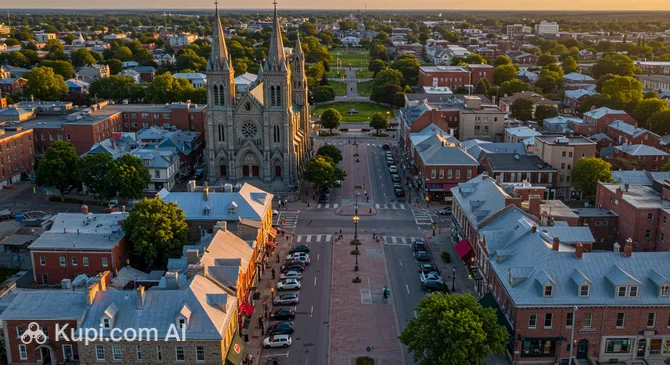
Joliette. Illustration.
Source: Kupi.com AI

The city is widely known as the home of the prestigious Festival de Lanaudière — the largest classical music festival in the country, which annually gathers music lovers from all over the world at the Fernand-Lindsay Amphitheatre. Another important point of attraction is the Musée d'art de Joliette (Joliette Art Museum), which houses one of the most significant art collections in the province. Nature lovers will also appreciate the well-maintained parks and scenic bike paths running along the river.

Visiting Joliette is an excellent choice for those who want to immerse themselves in authentic French-speaking culture, enjoy fine arts, and take a break from the hustle and bustle of megacities. This welcoming city is ready to surprise and inspire its guests at any time of year.
Weather Overview

The climate in Joliette features a distinct seasonality characteristic of the southern part of the province of Quebec. Summers here are usually comfortable and warm, making it an ideal time to visit festivals. The hottest month is July, with an average temperature of 21.2°C and daytime highs reaching 26.1°C. However, travelers should be prepared for precipitation: up to 14 rainy days are recorded in the summer months.

Winter brings true Canadian cold. In January, the average temperature drops to -9.7°C, and at night, frosts can intensify to -14.2°C. Transitional seasons move dynamically: May already pleases with pleasant warmth (averaging 13.3°C), while November serves as a reminder of winter's imminent arrival, with temperatures hovering around zero.

In general, expect warm summers with occasional rain and cold, snowy winters. To choose the right clothing for your trip, we recommend checking the detailed weather in Joliette for the dates of your visit in advance.

Average monthly temperature

Average monthly precipitation

Interesting Facts

Beyond its well-known cultural events, Joliette hides many interesting details in its history and daily life. Here are a few facts that will help you look at this Quebecois city from a new perspective:

  • Industrial Past. Initially, the settlement bore the telling name "L'Industrie." Its founder, Barthélemy Joliette, dreamed of turning these lands into a major manufacturing center, and the modern city still retains this entrepreneurial spirit in its architecture and layout.

  • Record-breaking Skating Rink. In winter, the L'Assomption River, which flows through the center, freezes over and turns into one of the longest natural ice trails in Quebec. Locals and tourists come to Riverain Park to get on the ice and enjoy a multi-kilometer skate surrounded by snowy landscapes.

  • Museum Phenomenon. Despite the city's modest size, the local art museum ranks third in the province for the size and importance of its collection, second only to the museums in Montreal and Quebec City. This makes Joliette a true phenomenon on Canada's cultural map.

  • Beer Traditions. The city is famous for its love of quality drinks and a cozy atmosphere. For example, the Albion Craft Brewery is known not only for brewing unique beers but also for supporting the tradition of live social interaction, reminiscent of the days of the first settlers.

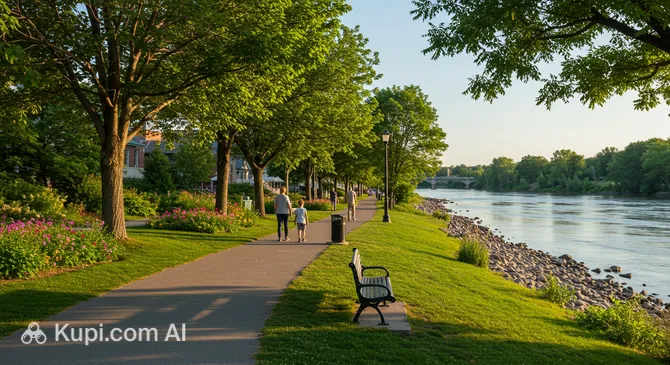
Riverfront Park. Illustration.
Source: Kupi.com AI

Traveler photos:

How to Get There

Joliette is conveniently located near the largest metropolis in the province of Quebec, making a trip here quite comfortable despite the absence of its own airport or large railway station within the city limits. When planning your trip, you can find out more about how to get to Joliette and choose the optimal route. Below, we look at the main transport hubs through which tourists enter the region.

Since there is no airport in Joliette itself, the main arrival point for most travelers is Montréal-Pierre Elliott Trudeau International Airport (IATA: YUL). It is located in Montreal, approximately 67 km from Joliette. This is the region's largest aviation hub, receiving flights from all over the world. The journey from the airport to Joliette by taxi or rental car takes about 2 hours.

Another option, located slightly closer, is Saint-Hubert Airport (IATA: YHU), also in the Montreal area, at a distance of about 56 km. This is a regional airport that can be convenient for domestic flights or private aviation. The drive from here to the center of Joliette takes approximately 1 hour and 45 minutes.

For clarity, here is summary information on the main airports:

AirportPassenger trafficDistance
St. Hubert Airport56 km
Montreal-Pierre Elliott Trudeau International Airport22.4 mln67 km
La Macaza35 000112 km
Plattsburgh International Airport300 000153 km
Burlington International Airport1.3 mln174 km

Those who enjoy traveling by train should note that there is no long-distance railway station in the city of Joliette itself. The nearest major hubs are in Montreal. The most popular option is Montreal Central Station (Gare Centrale), located in downtown Montreal, about 59 km from Joliette. Trains arrive here from across Canada and the United States. From the station, you can reach Joliette by bus or taxi; travel time is about 1 hour and 50 minutes.

The Saint-Lambert Station, located in the Saint-Lambert area of Montreal at a distance of about 58.5 km, can also be a convenient transfer point. This is an important station for commuter and intercity services, from where you can also continue your journey by road.

Below is a list of the nearest railway stations:

StationPassenger trafficDistance
St Lambert Railway Station453 29158 km
Downtown Railway Station11 mln59 km
Dorval Railway Station258 70068 km
Sainte-Foy Railway Station750 000184 km
Charny Station50 000184 km

Main Attractions

Joliette offers travelers a variety of experiences: from peaceful walks in nature to lively evenings in local establishments. The city is compact, allowing you to comfortably explore its key locations while enjoying the atmosphere of Quebecois hospitality.

One of the city's main natural gems is Riverain Park. This picturesque green area stretches along the L'Assomption River and serves as a favorite vacation spot for both locals and tourists. In summer, you can ride a bike along the well-kept paths or have a picnic with a view of the water, while in winter, the park becomes a center of attraction thanks to its skating rink and snow-covered alleys for walking.

Connoisseurs of craft beverages and local cuisine should visit a place like the Albion Craft Brewery. This establishment is known for its respect for brewing traditions and its cozy, historically styled interior. Here, you can not only taste original varieties of beer but also enjoy live music performances or simply spend an evening in warm company.

Albion Craft Brewery. Illustration.
Source: Kupi.com AI

Traveler photos:

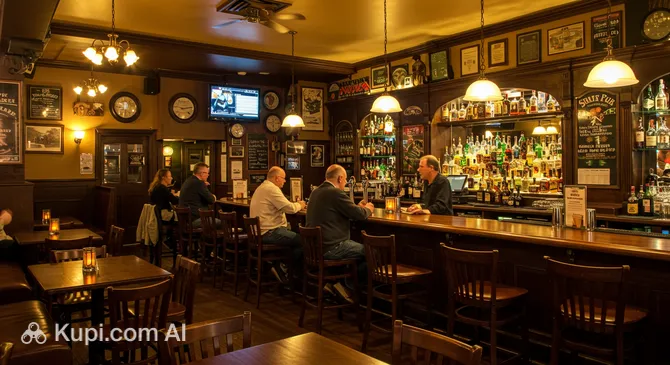
To continue exploring the city's nightlife, head to Simms Irish Pub. This is a classic pub with an authentic atmosphere where guests are always welcome. A wide selection of drinks and a relaxed setting make it an excellent location to end a busy day full of excursions and new discoveries.

For those who cannot imagine a trip without shopping, the Galeries Joliette shopping center opens its doors. This is the city's main commercial hub, bringing together many boutiques, electronics stores, and souvenir shops. It is a convenient place for family shopping, and the presence of a food court allows for a comfortable break between store visits.

Local Cuisine

Joliette's gastronomic scene is inextricably linked to the culinary traditions of the province of Quebec and the richness of the Lanaudière region, often called the "green pantry" of these lands. Here, simple but hearty and incredibly tasty food made from local farm products is highly valued. Travelers should definitely try the classic poutine — crispy French fries generously topped with fresh cheese curds and smothered in hot gravy. In Joliette, thanks to the proximity to local creameries, this dish features particularly fresh ingredients.

Sim's Irish Pub. Illustration.
Source: Kupi.com AI

Traveler photos:

Meat lovers will enjoy the traditional tourtière — a savory meat pie with spices that Quebecers prepare not only for holidays but also for cozy family dinners. For dessert, you cannot deny yourself the pleasure of trying "tarte au sucre" (sugar pie) or any treats featuring maple syrup, as this region is famous for its "sugar shacks," where sweet sap is collected in the spring.

As for beverages, the city supports the pan-Canadian trend of craft brewing. Local establishments offer a wide range of unique varieties: from light fruit ales to rich dark stouts. For example, the Albion Craft Brewery is known for its attention to detail and loyalty to old recipes, offering guests more than just a drink, but an immersion into the history of taste.

The dining culture in Joliette is casual and encourages leisurely conversation. Locals love to spend evenings in cozy bistros and pubs with a friendly atmosphere. A prime example of such a place is Simms Irish Pub, where you can enjoy a pint of excellent beer and live music. In summer, the city center comes alive with open terraces, and numerous stalls and markets attract those looking to buy fresh vegetables, fruits, and homemade delicacies directly from farmers.

Travel Tips

Welcome to hospitable Joliette! To make your journey through this cozy corner of Quebec as comfortable and carefree as possible, we have prepared a list of useful recommendations to help you easily navigate the local realities.

  1. Clothing and Seasonality. The weather in the region is changeable, so the principle of layering is relevant at any time of year. In winter, a warm parka, a hat, and waterproof shoes with non-slip soles are essential for walks in the snowy Riverain Park. In summer, light clothing made of natural fabrics is useful, but don't forget a windbreaker for cool evenings by the L'Assomption River.

  2. Transport. The city center is compact and best explored on foot. Public transport is represented by local bus lines, but they run at long intervals. For trips through the scenic surroundings of the Lanaudière region, it's most convenient to rent a car. Popular taxi apps work, but wait times may be longer than in major cities.

  3. Finance and Payments. The currency is the Canadian dollar (CAD). Bank cards are accepted almost everywhere, from restaurants to boutiques in the Galeries Joliette. Cash (small denominations) may only be needed for small purchases at street festivals or markets. Remember the tipping culture: in cafes and restaurants, it is customary to leave 15–20% of the bill.

  4. Health and Safety. Joliette is a very quiet city with a low crime rate, where it's safe to walk even in the evening. Pharmacies (pharmacie) are in the center, but 24-hour ones are hard to find, so keep a basic supply of medications with you. For emergencies, use the single number 911.

  5. Language Nuance. The primary language of communication is French. Although many locals understand English, politeness is valued above all else here. Start your dialogue with a greeting "Bonjour" (Good day) and say thank you with the word "Merci" (Thank you). Even a minimal knowledge of French phrases will instantly win over your interlocutor.

  6. Local Etiquette. Canadians are known for their politeness: it is customary to hold doors for those following you and strictly observe queues in stores or at stops. Be punctual if you have a restaurant reservation or a meeting—being late is considered poor form.

  7. What to Avoid. You shouldn't immediately address passers-by in English without first asking "Parlez-vous anglais?" (Do you speak English?). Also, avoid loud conversations in public places and comparing Quebecois culture to American culture—locals are very proud of their unique identity.

  8. Festival Tip. If your visit falls in the summer, be sure to check the concert schedule at the Fernand-Lindsay Amphitheatre. During major events, the city can be crowded, so it's better to book accommodation and tables in popular places like Simms Irish Pub well in advance.

Joliette is a place where time flows a little slower, allowing you to enjoy the moment. By following these simple tips, you can feel like more than just a tourist here, but a welcome guest discovering the true soul of French Canada.

Entertainment & Nightlife

Entertainment in Joliette is diverse and allows every traveler to find an activity to their liking, whether it's leisurely shopping, active outdoor recreation, or getting to know the local bar culture. The city lives a full life all year round, offering entertainment for both families with children and groups of young people.

For those who want to dedicate time to shopping, the main destination is Galeries Joliette. This is a large complex featuring many clothing, shoe, and accessory stores, as well as various services. You can comfortably spend several hours here choosing gifts or updating your wardrobe, and then relax in one of the coffee shops.

In good weather, outdoor walks are an excellent option. Riverain Park is not just a green zone but a true center for active recreation. In summer, cycling and picnics by the water are popular here, while in winter, the park transforms into one of the longest ice trails in the region, where you can skate directly on the frozen L'Assomption River.

The city's evening life is centered around cozy establishments with a relaxed atmosphere. Locals love spending time in places like Simms Irish Pub or the Albion Craft Brewery. These are great locations to listen to live music, chat with friends, and appreciate the taste of local drinks in an authentic atmosphere of Quebecois hospitality.

Parks & Museums

Joliette offers its guests a harmonious combination of vibrant cultural life and peaceful nature. The city has excellent opportunities for outdoor walks and exploring the region's rich artistic heritage, making it an attractive destination for travelers with a wide range of interests.

Among the city's green spaces, the real gem is Riverain Park. This picturesque corner of nature stretches along the banks of the L'Assomption River and serves as the main point of attraction for fans of active recreation. It features a network of well-maintained bike and pedestrian paths that allow you to enjoy views of the water and greenery. The park is perfect for family picnics, and its central location makes it easily accessible from anywhere in the city.

For those seeking communion with wild nature, Parc de l'Île-Vessot is an excellent choice. Located on an island, this nature park offers visitors an atmosphere of silence and tranquility. Winding forest trails lead travelers through thick vegetation, offering opportunities for bird watching and local fauna observation. This place is particularly valued for its natural beauty and the feeling of being far from the city bustle.

The cultural heart of the city beats within the walls of the Musée d'art de Joliette (Joliette Art Museum). This is one of the most significant art museums in Canada located outside of major metropolises. Its impressive collection includes thousands of exhibits ranging from classical religious art to bold works by contemporary artists. A visit to the museum allows for a deeper understanding of Quebec's cultural code and the chance to see unique works rarely exhibited in other galleries.

Equally important is the Centre culturel Desjardins, located in a historic building. Although it is primarily a performing arts venue, the building itself and the events held there play a key role in the region's cultural life, bringing together history and modern creativity.

Architecture lovers should take note of the majestic Cathedral of Saint-Charles-Borromée. This historical monument impresses with its austere forms and interior decoration, serving as a symbol of the city's spiritual heritage. A walk around the cathedral and the surrounding streets will let you feel the spirit of old Joliette.

A tip from locals: be sure to walk across the pedestrian bridges over the L'Assomption River at sunset. These points offer the most romantic views of the city and the river's surface, providing a perfect end to a busy day.

Getting Around

The transport system in Joliette is simple and logical, fully corresponding to the steady pace of life in this small city. Since Joliette is quite compact, there are no metro or tram lines. Public transport consists of buses and a special "taxibus" service, which allow you to reach all key points, including shopping centers, educational institutions, and medical facilities.

City bus routes are operated by the local transport corporation (CTJM). The network covers the main districts and connects the city center with the outskirts. Buses run on a schedule that may change depending on the day of the week (there are usually fewer trips on weekends and holidays). To plan your trips, it's convenient to use popular navigation apps or the municipal website, where current schedules are published.

The Taxibus system deserves special mention. It is a hybrid of a taxi and a bus, popular in small towns in the province of Quebec. It operates in zones where regular large buses do not run. The feature of the service is that the trip must be booked in advance (usually at least an hour) by phone or online. Passengers are picked up and dropped off at special stops marked with appropriate signs. This is a convenient and inexpensive way to reach remote corners of the city.

The fare payment system here is traditional. If you board a bus, you can pay the fare in cash to the driver, but it's important to have the exact amount (in change), as they do not provide change. For those planning multiple trips, it is more profitable to purchase tickets or monthly passes at authorized points of sale. Usually, these are local pharmacies (for example, the Jean Coutu or Uniprix chains) and convenience stores (dépanneurs) located in different parts of the city.

For connections to the outside world, particularly the metropolis of Montreal, there is a regional bus service (the exo network). Route No. 50 is a popular way to reach the Radisson metro station in Montreal without transfers. Tickets for this route are more expensive than city ones and may require an OPUS card or special tickets, which are also sold at terminals and points of sale.

As an alternative to public transport, several classic taxi services operate in Joliette. It's better to call for a car by phone, as "hailing" them on the street is not common. Apps like Uber may be available, but the number of cars is often limited compared to large cities, so wait times may be longer than usual.

In the warmer months, cycling becomes an excellent way to get around. The city has a network of bike paths, especially scenic ones along the L'Assomption River. For tourists staying in the center, many attractions and restaurants are within walking distance, so a stroll often turns out to be the most pleasant and fastest way to reach your destination.

Accommodation

Joliette's hotel sector, while not reaching the scale of megacities, offers travelers a decent choice of cozy and comfortable places to stay. The accommodation options primarily consist of middle-class hotels, classic motels, and charming bed and breakfasts (B&Bs). While you won't find luxury five-star resorts from global brands here, local hoteliers compensate with high levels of service, homey comfort, and genuine Quebecois hospitality.

When choosing an area to stay, you should consider the purpose of your visit. For tourists, the most attractive area is the historic city center (Centre-ville). By staying here, you will be within walking distance of the main cultural spots, restaurants, and the scenic riverfront. This is an ideal option for those who want to enjoy evening walks without needing to drive. Another popular cluster of housing is located near the main highways at the entrance to the city. Here, you'll more often find motels and chain hotels, which are convenient for transit travelers and those planning to actively explore the surrounding Lanaudière region by car.

Important booking tip: be sure to consider the event calendar. Joliette is widely known for its summer musical events, particularly the classical music festival. During this period, as well as during the peak summer tourist season, demand for housing rises sharply, and rooms fill up very quickly. It is recommended to book your stay several months in advance to guarantee convenient accommodation.

The price range in the city can be characterized as moderate. The cost of living here is generally significantly lower than in neighboring Montreal, making Joliette an excellent base for budget travel. You can book a room through popular international online aggregators, though many small local guesthouses (gîtes) also welcome direct booking through their websites or by phone, which can sometimes lead to more flexible terms.

Nearby Cities

For those looking to explore the surrounding area, Joliette serves as an excellent starting point for day trips to several interesting nearby locations. The Lanaudière region and its neighbors are rich in natural beauty and historical heritage, all easily accessible by car.

One of the most popular destinations is Terrebonne. This city is famous for its historic Île-des-Moulins district, where old mills and 19th-century buildings have been preserved. It is an ideal place for cultural leisure: here you can stroll through picturesque parks, visit open-air museums, and enjoy the atmosphere of old Canada.

Another interesting option is Sorel-Tracy, located at the confluence of the Richelieu and St. Lawrence rivers. The city is known as the gateway to the Lake Saint-Pierre archipelago, a UNESCO biosphere reserve. Tourists come here for boat trips between the numerous islands, bird watching, and relaxing by the water.

It is also worth paying attention to Repentigny. This city offers great opportunities for relaxation on the banks of the St. Lawrence River, including Île-Lebel Park, where festivals and concerts are frequently held. Its proximity to the water and developed cultural scene make it attractive for a short family visit.

CityPopulationDistance
Notre-Dame-des-Prairies8 8683 km
Saint-Charles-Borromée13 3213 km
L'Assomption20 06519 km
Lavaltrie13 65720 km
Rawdon10 41621 km

These nearby destinations provide an overview of the region's diverse culture and landscapes, complementing the experience of visiting Joliette itself.

Shopping & Souvenirs

General Overview

Shopping in Joliette is a calm and pleasant activity, free from the hustle and bustle of big cities. The city acts as the commercial center for the Lanaudière region, so you can find a great balance between large chain stores and unique local boutiques. Joliette does not claim to be a high-fashion capital, but it is known for its focus on local producers, artisanal goods, and gastronomic delights, making shopping here truly authentic.

Main Shopping Districts and Streets

The heart of urban commerce is the historic center (Centre-ville), especially the area around Place Bourget and Notre-Dame Street (Rue Notre-Dame). This is an ideal place for leisurely strolls: here you will find small family-owned shops, art galleries, bookstores, and clothing stores featuring local designers. Unlike indoor malls, shopping here is accompanied by the chance to admire the architecture and have a coffee on one of the many terraces.

Shopping Centers

If you are interested in popular brands and a wide range of goods in one place, you should visit Galeries Joliette. This is the largest shopping complex in the region, bringing together over a hundred stores under one roof, from clothing and footwear to electronics and home goods. For tourists, this is the most convenient point for shopping if the weather isn't suitable for street walks, as well as a great place to find everything needed for your journey.

Markets

The city's public market (Marché public) deserves special attention, reflecting the region's agricultural wealth. Here you can buy the freshest farm products: seasonal fruits and vegetables, homemade cheeses, honey, and meat delicacies. The market is not just a place of trade but an important part of the city's social life, where you can chat with producers and learn the secrets of local cuisine.

Souvenirs

From Joliette, you should bring back items that convey the spirit of Quebec. First and foremost, these are maple syrup-based products: from the syrup itself to maple butter and candies. The region is also famous for its creameries, so a set of local cheeses would make an excellent gastronomic souvenir (travel permitting). Look for products made by local artisans in the downtown boutiques—these could be ceramics, textiles, or handmade jewelry.

Business Hours and Payment

Shops in Joliette usually open at 9:30 or 10:00 AM. Standard closing time is 5:30 or 6:00 PM from Monday to Wednesday. An important feature of Canadian shopping: on Thursdays and Fridays, large stores and shopping centers stay open longer, often until 9:00 PM. On weekends, hours are reduced, usually until 5:00 PM. Bank cards (Visa, MasterCard) and contactless payments are accepted almost everywhere; cash might only be needed at small market stalls.

Tax Free

Tourists should remember that Canada has abolished the Tax-Free program at the federal level for foreign visitors on purchased goods. Prices on tags are indicated without taxes (TPS and TVQ), which total about 15% and are added to the cost at the checkout. You won't be able to save on tax, so just keep this surcharge in mind when planning your budget.

Nearby cities

Reached the end of the page?

That means the route is fully explored