Support

Stony Rapids

About

Welcome to Stony Rapids, a captivating northern hamlet located in the province of Saskatchewan. Known for its rugged beauty and remote charm, this community serves as a vital hub for the region and offers a true taste of the wilderness. It is an ideal destination for travelers looking to experience the vast, untouched landscapes of Canada far from the bustle of major cities.
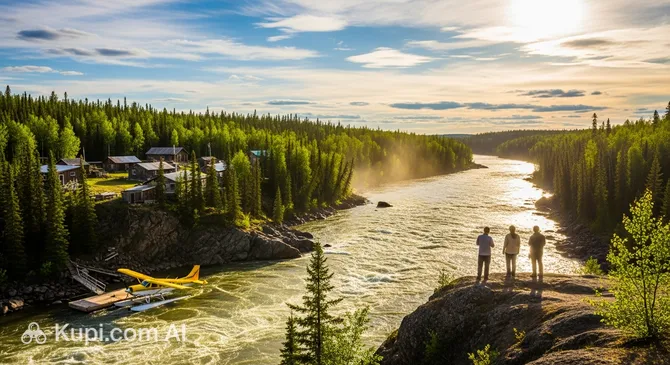
Stony Rapids. Source: Kupi.Binoculars

Geographically, the settlement is situated on the banks of the Fond du Lac River, just upstream from where it flows into Lake Athabasca. With a population of approximately 1,000 residents, it offers a close-knit atmosphere amidst the sprawling boreal forest. The climate here is typical of the subarctic, featuring long, snowy winters and short, vibrant summers that are perfect for outdoor exploration.

The area has long been significant for transportation and trade in the north. Visitors interested in the region's development can explore the history of Stony Rapids to learn how it evolved from a strategic stopping point into the modern community it is today. The river itself has always played a central role in the lives of the local people.

Tourists are drawn here primarily for the exceptional outdoor opportunities. Stony Rapids is renowned as a premier destination for sport fishing, offering access to waters teeming with northern pike, walleye, and lake trout. It also serves as a common gateway to the spectacular Athabasca Sand Dunes Provincial Park, home to the most northerly active sand dunes on earth. Additionally, the powerful whitewater rapids of the river provide a stunning natural backdrop for photography and sightseeing.

If you crave an authentic northern adventure, Stony Rapids awaits. Whether you are chasing the northern lights or casting a line into crystal-clear waters, this unique spot promises an unforgettable journey into the heart of nature.

Weather Overview

The local climate is characterized by its subarctic nature, featuring long, freezing winters and short, moderate summers. February is typically the coldest month, with average temperatures dropping to -22.8°C, while the summer brings a welcome warmth, peaking in July with average highs of 22.4°C. Travelers should be prepared for significant seasonal shifts when planning their visit to this northern region.

Expect mild summers with occasional rain and cold, dry winters. While overall precipitation volume is low, the summer months from June to August tend to be the dampest, experiencing between 12 and 13 wet days per month. To ensure you are fully prepared for the conditions during your trip, it is advisable to consult the detailed weather in Stony Rapids.

Interesting Facts

Beyond the main attractions, Stony Rapids holds many fascinating secrets that highlight its resilience and unique position in the Canadian North. From its indigenous roots to its role as a vital transportation lifeline, there is much more to this hamlet than meets the eye.

  • The Ice Road Lifeline: While the community is accessible by a rough all-season gravel road, it transforms into a critical hub during the deep freeze of winter. Stony Rapids serves as the starting point for a seasonal ice road network constructed directly over frozen lakes and rivers, connecting it to the isolated settlements of Fond-du-Lac and the historic Uranium City.

  • A Name with History: The local Denesuline people refer to the area as Deschaghe, which beautifully translates to "settlement on the other side of the rapids." This name pays homage to the turbulent whitewater of the Fond du Lac River that physically defines the town's geography and has historically dictated travel routes.

  • A Climate of Extremes: This location is a testament to the sheer power of nature, boasting one of the most dramatic temperature ranges in the province. Residents endure a climate where temperatures can swing from a scorching record high of near 40°C (104°F) in the summer to bone-chilling lows plummeting below -50°C (-58°F) in the winter.

  • The End of the Line: Stony Rapids effectively marks the end of Saskatchewan's provincial road network. Highway 905, which leads here, is a challenging unpaved route that offers a true off-road adventure, making the arrival in town a badge of honor for overland travelers.

How to Get There

Reaching this remote northern destination is an adventure in itself, often requiring a combination of air travel and local transport. Given its location in the far north of Saskatchewan, flying is the most practical and common method for visitors to arrive. For those planning their journey, you can find more about how to get to Stony Rapids and the specific routes available.

The primary gateway to the community is the Stony Rapids airport (IATA: YSF). Located directly in the hamlet, it is just 0.9 km from the center, making the transfer to your accommodation incredibly quick—often just a very short drive or a brief walk depending on your luggage. This facility serves as a vital link for the region, handling a steady flow of regional traffic.

Alternatively, some travelers might find themselves connecting through the Wollaston Lake airport (IATA: ZWL). It is important to note that this airport is located in the city of Wollaston Lake, which is approximately 200.6 km away. Due to the significant distance and rugged terrain, travel from this point would require further logistical planning, likely involving a connecting flight or specialized transport.

For clarity, here is a summary of the main airports:

Airport Name City Passenger Traffic Km from City
Stony Rapids Stony Rapids Small 0.9
Wollaston Lake Wollaston Lake Small 200.6

Main Attractions

For those venturing to this remote corner of Saskatchewan, the attractions are defined by the raw and untouched wilderness. Stony Rapids is not a destination for typical sightseeing; rather, it is a gateway to some of the most spectacular outdoor adventures in Canada. The hamlet itself serves as the perfect base camp for exploring the pristine waters and rugged landscapes of the far north.

The Fond du Lac River is the heart of the community and a primary draw for visitors. True to the town's name, the river features powerful and scenic rapids that churn through the boreal forest, offering breathtaking views for photographers and nature enthusiasts. In the summer, the river transforms into a world-class destination for whitewater canoeing and boating, connecting adventurous travelers to a network of waterways that define the landscape.

Just a short flight or boat ride away lies the Athabasca Sand Dunes Provincial Park. Stony Rapids is one of the main access points for this geological wonder, which protects the most northerly active sand dunes on Earth. Rising up to 30 meters high along the southern shore of Lake Athabasca, these desert-like dunes contrast sharply with the surrounding forest and lake waters. It is a unique ecosystem home to rare plants found nowhere else, making it a bucket-list location for eco-tourists.

Sport Fishing is arguably the most popular activity for visitors to the region. The waters surrounding Stony Rapids, including the Fond du Lac River and nearby Black Lake, are legendary for their trophy-sized catches. Anglers from around the globe travel here to test their skills against Northern Pike, Lake Trout, Walleye, and Arctic Grayling. The area is dotted with fly-in fishing lodges that offer guided experiences in waters that see very little pressure compared to southern lakes.

For those seeking tranquility, the Woodcock Falls offer a serene escape nearby. Located on the Fond du Lac River, these falls are a scenic spot often visited by boaters and hikers. The sound of the rushing water and the isolation of the location provide a perfect setting for a shore lunch or a quiet afternoon immersing oneself in the sights and sounds of the northern wilderness.

Local Cuisine

The culinary experience in Stony Rapids is defined not by five-star restaurants, but by the incredible bounty of the surrounding wilderness. In this remote northern community, food is deeply connected to the land and the river. For visitors, particularly those arriving for fishing expeditions, the highlight of local dining is undoubtedly the freshness of the ingredients, sourced directly from the pristine waters and forests of Saskatchewan.

The absolute signature dish of the region is the traditional shore lunch. After a morning spent on the water, guides often prepare a meal on a riverbank or island using the catch of the day. Freshly caught Walleye or Northern Pike is filleted on the spot, battered, and fried in a cast-iron pan over an open fire. Served alongside beans, potatoes, and corn, this meal offers a taste of the north that is impossible to replicate in a city setting.

Beyond fish, the local food culture is influenced by Indigenous traditions and the necessity of hearty sustenance in a subarctic climate. You may encounter Bannock, a dense and delicious flatbread that is a staple in many northern households. It can be baked or fried and is often served with jams made from locally harvested wild berries, such as blueberries, cranberries, or cloudberries, which ripen in the short but intense summer season. Smoked fish and wild game, such as moose or caribou, are also traditional foods shared within the community.

Dining out options within the hamlet itself are limited due to its small size and remote location. Visitors typically eat at the local hotel restaurant or within the dining halls of the various fishing lodges scattered around the area. These venues serve hearty, home-style meals designed to fuel outdoor adventures, ranging from steaks and burgers to hot stews. As for drinks, nothing beats a steaming cup of hot coffee or tea to warm up after a chilly boat ride, though enjoying a cold beer while watching the sunset over the river is a favorite pastime for many travelers.

Travel Tips

Visiting a remote northern hamlet like Stony Rapids requires a different level of preparation compared to a standard city trip, as the wilderness dictates the rules here. To ensure your adventure in this ruggedly beautiful part of Saskatchewan is safe and enjoyable, keeping these practical considerations in mind is essential.

  1. Clothing and Gear: The weather in the north is unpredictable. In summer, dress in layers and bring high-quality rain gear, as conditions can change rapidly. Insect repellent and a bug jacket are absolute necessities during June and July when black flies and mosquitoes are most active. If visiting in winter, you need specialized arctic-grade parkas, insulated boots, and thermal layers to withstand temperatures that drop well below freezing. Sturdy, waterproof hiking boots are recommended year-round.

  2. Transportation: There is no public transportation, metro, or ride-hailing service like Uber in Stony Rapids. The community is small enough to navigate on foot, but for exploring the surrounding areas, you will rely on boats, floatplanes, or snowmobiles depending on the season. If you are driving up Highway 905, a 4x4 vehicle with a spare tire and extra fuel is crucial due to the rough gravel conditions. Most visitors arrange transport through their fishing lodge or outfitters.

  3. Finances: The local currency is the Canadian Dollar (CAD). While the main general store and hotel generally accept credit and debit cards, telecommunication outages can occur, rendering electronic payments impossible. It is highly advisable to carry enough cash for the duration of your trip to cover small purchases, tips for guides, or emergencies. Be aware that prices for goods are significantly higher than in the south due to freight costs.

  4. Health and Safety: The Stony Rapids Health Centre provides basic medical care, but it is not a full-service hospital. Serious medical emergencies typically require an air ambulance evacuation to a major city, so ensure your travel insurance covers this. In terms of safety, the biggest risks are environmental; always carry bear spray when hiking and never venture into the deep bush alone without letting someone know your plans.

  5. Communication: English is the primary language spoken by locals and service providers. Cellular coverage is available but is generally limited to the immediate hamlet area and is provided primarily by SaskTel; international visitors should check roaming agreements or purchase a prepaid SIM card in a major city before arriving, as local availability is limited. Wi-Fi is usually available at lodges and the hotel, though speeds may be slower than what you are used to.

  6. Local Etiquette: The community is small and tight-knit, where people often wave or nod to passersby. It is polite to return the gesture. Stony Rapids has a significant Indigenous population, and it is respectful to ask for permission before photographing local residents or their property. When fishing, follow "catch and release" policies strictly if required by your lodge to respect the local resource management efforts.

  7. What to Avoid: Do not underestimate the isolation of the region. Avoid setting out on the river or the winter ice roads without local knowledge or a guide, as currents and ice thickness can be deceptive. Additionally, avoid leaving food or trash unsecured outdoors, as this attracts wildlife, including black bears and wolves, into the community.

  8. Supply Planning: Due to the remote location, the local selection of groceries and toiletries can be limited and expensive. If you have specific dietary requirements, prescription medications, or preferred brands of personal care items, bring them with you from home or a larger city like Saskatoon. Do not count on being able to buy specialized equipment once you arrive.

By packing the right gear and respecting the remote nature of the environment, you will be well-equipped to enjoy the incredible solitude and adventure that Stony Rapids offers. A little foresight goes a long way in the north, allowing you to focus on the stunning scenery and world-class fishing rather than logistical hiccups.

Entertainment & Nightlife

Entertainment and nightlife in Stony Rapids offer a distinct departure from the neon lights and bustling clubs of major cities. In this remote northern hamlet, the evening hours are defined by a cozy, community-focused atmosphere rather than a high-energy party scene. Instead of seeking out crowded dance floors or thumping bass, visitors here unwind in the warmth of local lodges, sharing stories of the day's adventures over a drink while surrounded by the quiet majesty of the subarctic wilderness.

The "nightlife district" is effectively the heart of the settlement itself, centered around the few hospitality venues that serve as social hubs for both locals and travelers. The primary spots to enjoy an evening meal or a beverage are within the hotels. The White Water Inn is a key location, featuring a lobby bar and restaurant where guests can relax with a cocktail or a cold beer after a long day of fishing. It is a place where the dress code is decidedly casual—flannel shirts and jeans are the norm—and the ambiance is friendly and unpretentious.

Another welcoming venue is the Waterfront Lodge. Known for its excellent food and stunning views of the river, it offers a communal dining experience that often feels more like a family gathering than a typical restaurant outing. Here, the entertainment consists of lively conversations with fellow travelers and guides, often centered around the "catch of the day." Since these venues function primarily to serve guests and the local workforce, closing times can be earlier than in the south, so it is best to arrive for dinner by early evening.

For a truly unique nocturnal experience, the best show in town is often overhead. During clear winter nights, and even in the shoulder seasons, Stony Rapids is a prime viewing location for the Aurora Borealis. Stepping outside the warmth of your lodge to watch the northern lights dancing across the sky is a form of nightlife that no nightclub can match. The lack of light pollution makes the spectacle incredibly vivid.

Practicality is key when planning your evening. Most establishments accept cards, but carrying cash is highly recommended as card machines can be unreliable due to connectivity issues. Getting around at night is usually done on foot given the small size of the hamlet, or by vehicles arranged through your lodge. There are no taxi services or ride-sharing apps here, so plan your transport in advance if you are venturing away from your accommodation.

Safety in Stony Rapids is less about avoiding crime and more about respecting the environment. The community is generally very safe for night walks, but you should always be aware of wildlife, including black bears, which can venture near town. Additionally, temperatures drop drastically at night, so dressing in warm, insulated layers is essential even in summer. If you are looking for daytime diversions before the sun sets, the area offers endless outdoor activities, from exploring the local trails to visiting the riverbanks, as there are no traditional museums or amusement parks in this rugged outpost.

Parks & Museums

In Stony Rapids, the concept of parks and museums is redefined by the vast, untamed wilderness that surrounds the hamlet. Instead of manicured city gardens or marble-halled galleries, visitors are greeted by an immense, living landscape where nature itself serves as the primary exhibition. The region's cultural heritage is not kept behind glass but is woven into the daily lives of the residents and the historic waterways that define the community.

Athabasca Sand Dunes Provincial Park stands as the most significant natural area in the region, protecting a geological phenomenon that seems almost out of place in the boreal forest. Accessible primarily by floatplane or boat from Stony Rapids, this park features active sand dunes stretching approximately 100 kilometers along the southern shore of Lake Athabasca. It is a fragile and unique ecosystem, home to rare endemic plant species like the Athabasca thrift, making it a "must-see" for nature lovers willing to make the journey.

Closer to the settlement, the banks of the Fond du Lac River function as the community's central green space. There are no paved paths or designated picnic zones here; instead, rugged trails and rocky outcrops offer unparalleled views of the whitewater rapids. It is a raw and powerful natural area where visitors can witness the sheer force of the water that gave the town its name. This area is perfect for a scenic walk, photography, or simply sitting by the water to observe local wildlife, including bald eagles and osprey.

While Stony Rapids does not possess formal museums or art galleries, the entire community can be viewed as a living cultural center. The history of the area is deeply rooted in the traditions of the Denesuline people, who have inhabited these lands for thousands of years. Visitors interested in local culture should look for opportunities to engage with residents, as the oral history and traditional knowledge shared by elders provide a far richer understanding of the region than any static display could offer.

Artistic expression in the hamlet is often found in the form of traditional Dene craftsmanship rather than in a dedicated gallery. It is not uncommon to find locally made beaded moccasins, mukluks, or birch bark baskets being sold informally or displayed at community gatherings. These items are not just souvenirs but functional pieces of art that reflect a survival skill set honed over generations in the subarctic climate.

For a touch of history, the Rapids themselves serve as a historic landmark. For centuries, this turbulent stretch of river was a critical, albeit difficult, point of passage for Indigenous travelers and later for fur traders and explorers. Standing at the edge of the water allows you to visualize the arduous portages of the past, connecting you directly to the history of exploration and trade in Northern Canada.

An authentic insider tip for those seeking to understand the local pulse is to spend a few moments near the floatplane docks. In the absence of a transport museum, watching the bush planes take off and land offers a glimpse into the lifeline of the north. These aircraft are the modern workhorses of the region, and the pilots often have fascinating stories about the remote corners of Saskatchewan that few people ever get to see.

Getting Around

Travelers planning a visit to Stony Rapids should be aware that the city does not have a public transport system. Due to its small population and remote location in the northern wilderness, you will not find buses, metros, trams, or trolleybuses operating here. The infrastructure is designed for a close-knit community where residents rely on private vehicles, and the scale of the hamlet allows for easy navigation without the need for a municipal transit network.

Consequently, there are no electronic payment systems, travel passes, transport cards, or mobile ticketing apps to worry about. If you manage to arrange an informal ride with a local resident or a private service, cash is the only accepted form of payment. It is highly recommended to carry sufficient cash in small denominations, as digital banking infrastructure can be limited and card terminals may not be available in vehicles.

For tourists, the most practical advice for getting around is to rely on the services provided by your accommodation. Most fishing lodges and hotels in the area offer shuttle services to and from the airport, as well as transport to local points of interest. It is crucial to confirm these arrangements before your arrival, as hailing a ride on the street is not a viable option. For moving within the hamlet itself, walking is the most reliable and pleasant method, allowing you to easily access the general store, the health center, and the riverbanks.

Regarding alternatives, standard taxi companies and ride-sharing apps like Uber or Lyft do not operate in Stony Rapids. Car rentals are extremely limited and often must be arranged well in advance through local outfitters, if available at all. In terms of unique local transport, the season dictates the mode of travel: during the summer, boats are frequently used to navigate the river and visit nearby camps, while in the winter, snowmobiles become the primary way to traverse the snowy terrain and frozen waterways efficiently.

Accommodation

Accommodation in Stony Rapids is designed to serve the practical needs of outdoor adventurers, workers, and visitors to the remote north. Travelers should not expect the wide variety of options found in larger cities, such as luxury chains, hostels, or extensive vacation rentals. Instead, the lodging landscape here is defined by modest, functional hotels and rustic fishing lodges that offer a comfortable and warm "base camp" atmosphere amidst the wilderness.

The primary area for staying within the hamlet is centrally located near the Fond du Lac River and the airport. Given the compact size of the community, staying here ensures you are within walking distance of the general store, the health center, and the floatplane bases. This central location is convenient for those who are in transit or planning to explore the immediate surroundings before heading further into the bush.

For visitors specifically focused on angling and nature, the region is famous for its fishing lodges. While some are located directly in or near Stony Rapids, many are fly-in outposts situated on nearby lakes. These facilities often provide all-inclusive packages that combine accommodation, meals, and guided excursions. Within the town itself, the White Water Inn is the most well-known establishment, functioning as a social hub and providing essential amenities for travelers, including dining and a place to rest after a long journey.

Booking Tip: Due to the limited number of rooms and the seasonal nature of travel in Northern Saskatchewan, it is crucial to book your accommodation well in advance. During the peak summer fishing season and the winter ice road season, the few available rooms can fill up quickly with contractors and tour groups.

Regarding costs and reservations, prices in Stony Rapids tend to be in the mid-to-high range. This reflects the higher operational costs of running a business in a remote fly-in community. Unlike destinations with hundreds of hotels, you may not find these properties listed on major global booking platforms. The most effective way to secure a room is often by contacting the hotel or lodge directly via phone or email to confirm availability and rates.

Nearby Cities

Given the remote location of Stony Rapids in the far north of Saskatchewan, the concept of "nearby cities" is relative. The hamlet is situated deep within the boreal forest, hundreds of kilometers away from the nearest urban centers. For travelers and locals alike, these distant communities serve as essential logistical hubs, transportation gateways, and supply points rather than neighbors in the traditional sense.

The closest major service center is Fort McMurray in Alberta. Located to the southwest, it is a primary commercial hub for the region and often serves as a connection point for flights or a source for specialized goods that cannot be found further north. Similarly, Fort MacKay is situated in the same general direction, embedded within the industrial landscape of the oil sands.

Within Saskatchewan, the town of La Ronge acts as a critical gateway to the north. Situated to the south of Stony Rapids, it marks the transition between the paved highway network and the more rugged northern wilderness. Further to the southeast lies Flin Flon, a historic mining city straddling the border with Manitoba, known for its unique geology and industrial heritage.

The following table provides a breakdown of these regional centers, including their approximate distance from Stony Rapids and population size, to help you understand the scale of the geography:

City Population Distance (km)
Fort MacKay 4,000 412
Fort McMurray 71,589 432
La Ronge 3,000 463
Flin Flon 6,000 555

Shopping & Souvenirs

Shopping in Stony Rapids is a strictly functional experience, reflective of its status as a remote northern outpost. Visitors should not expect a leisure-shopping destination with boutiques or promenades; instead, the retail landscape is designed to sustain the local community and equip outdoor adventurers. The available stores focus primarily on essential goods, groceries, hardware, and outdoor gear necessary for survival and recreation in the rugged Saskatchewan wilderness.

There is no designated "shopping district" or high street in the traditional sense. The retail activity is concentrated entirely within the central area of the hamlet, often within a single, multi-purpose establishment. The primary commercial hub is the Northern Store, a fixture in many remote Canadian communities. This all-encompassing retailer serves as a grocery store, department store, and hardware supplier rolled into one, offering everything from fresh produce and dry goods to clothing, snowmobiles, and fishing tackle.

Travelers looking for shopping malls will not find any in Stony Rapids. The population size and geographic isolation do not support large-scale retail complexes. The nearest shopping mall is hundreds of kilometers away in cities like Prince Albert or Saskatoon. Visitors should arrive with their primary wardrobe and specialized equipment already packed, relying on local resources only for replenishment or emergency supplies.

Similarly, there are no permanent markets operating in the hamlet. While you won't find a weekly farmers' market or a flea market, the community spirit sometimes manifests in informal craft sales or fundraising events at the local community hall or school. These sporadic gatherings are the closest equivalent, offering a chance to buy home-baked goods or locally crafted items directly from residents.

Despite the limited retail options, finding a unique souvenir is still possible for those who know where to look. The best keepsakes are authentic Indigenous crafts made by local Denesuline artisans. You may find beautifully intricate beadwork, handmade moose hide moccasins, or birch bark baskets. These items are rarely sold in a formal shop; instead, inquire at your lodge or the general store about connecting with local crafters. Additionally, a branded hoodie or cap from a local fishing lodge serves as a popular memento of a northern adventure.

Opening hours in Stony Rapids are generally standard, with the main store typically operating from morning until early evening, Monday through Saturday. Sunday hours may be reduced or the store may be closed entirely, so it is wise to plan your supply runs accordingly. Regarding payment, major credit and debit cards are usually accepted at the main store and hotels. However, due to potential telecommunication interruptions common in the north, carrying a sufficient amount of cash is strongly recommended to ensure you can always make necessary purchases.

Tourists visiting Canada should be aware that a Goods and Services Tax (GST) of 5% and a Provincial Sales Tax (PST) of 6% apply to most goods and services in Saskatchewan. There is no tax refund program available for visitors leaving the country, so the price you pay at the register is final. Prices in Stony Rapids are generally higher than in southern cities, reflecting the significant cost of freighting goods to this remote location.

Nearby cities

Reached the end of the page?

That means the route is fully explored