Support

Wollaston Lake

About

Wollaston Lake is a hidden gem situated in the far northern wilderness of Saskatchewan, offering an authentic escape into the rugged beauty of the Canadian Shield. Known for its pristine waters and remote tranquility, this community is a dream destination for outdoor enthusiasts seeking to disconnect from the bustle of city life. With a population of approximately 1,300 residents, the settlement maintains a close-knit atmosphere where the rhythms of nature dictate the pace of daily living.

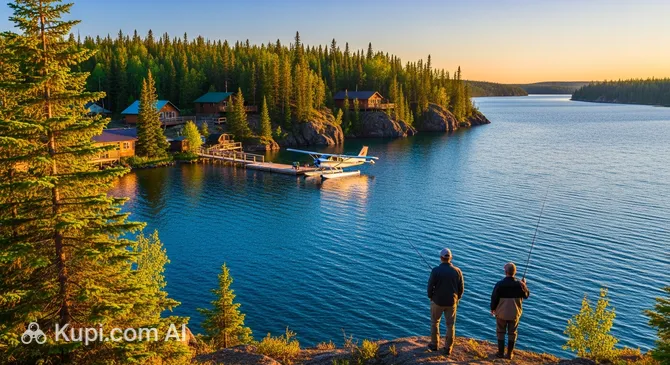
Wollaston Lake. Source: Kupi.Binoculars

Geographically, this location is truly unique. It is situated in Canada and holds the distinction of being the largest natural lake in the world that drains into two different oceans: the Arctic and the Atlantic. Exploring the history of Wollaston Lake reveals the deep roots of the local Hatchet Lake Denesuline First Nation, whose rich culture and enduring connection to the land are central to the region's identity.

For visitors, the primary allure is the world-class fishing opportunities. The lake is legendary among anglers for its trophy-sized northern pike, lake trout, and Arctic grayling, supported by several lodges that cater to sport fishing adventures. Beyond the water, the area offers spectacular chances for wildlife viewing and witnessing the breathtaking northern lights dancing across the expansive night sky. Whether you are casting a line or simply soaking in the silence of the boreal forest, Wollaston Lake invites you to experience the majestic solitude of the north.

Weather Overview

Planning a trip to this northern destination requires packing for the specific season, as the climate varies dramatically throughout the year. The weather in Wollaston Lake is characterized by short, mild summers and long, cold winters. July and August are the warmest months, with average temperatures around 16°C and highs reaching nearly 19°C, providing comfortable conditions for fishing and boating.

Winter brings a deep freeze to the region, with February being the coldest month, seeing average temperatures drop to -22.4°C. While the winter months are quite dry with only about 1mm of precipitation, the summer and early autumn see more frequent rain, particularly in September which has the highest number of wet days. In general, you can expect cool to mild summers with occasional showers and very cold, dry winters.

Interesting Facts

Beyond its reputation as a pristine fishing paradise, Wollaston Lake holds several intriguing secrets that highlight its unique position in the northern wilderness.

  • A scientist's namesake: The lake was named in 1821 by the explorer John Franklin in honor of William Hyde Wollaston, a distinguished English chemist and physicist famous for discovering the elements palladium and rhodium.

  • Rivers flowing opposite ways: While its status as a bifurcation lake is known, the specific waterways are a geographical marvel; the Fond du Lac River carries water northwest to the Arctic Ocean, while the Cochrane River flows northeast toward Hudson Bay and the Atlantic.

  • The seasonal highway: For part of the year, the frozen surface of the lake transforms into an official transportation route known as the Wollaston Lake Ice Road, serving as the only overland link for residents and freight during the deep winter months.

  • A mining milestone: The region played a pivotal role in the economy of Canada when the Rabbit Lake deposit was discovered nearby in 1968, leading to the establishment of Saskatchewan's first major uranium mine.

How to Get There

Reaching the remote community of Wollaston Lake is an adventure that brings you deep into the northern wilderness of Saskatchewan. Due to its isolated location on the Canadian Shield, travel options are specialized, with air transport being the most reliable method year-round. For detailed logistics and route planning, you can read more about how to get to Wollaston Lake to ensure a smooth journey.

The primary gateway for visitors is the local Wollaston Lake Airport (ZWL). Situated within the region, this small airport serves as a vital link for the community and tourists alike. It is located approximately 22 km from the center of the settlement. A drive from the airport to the main area typically takes around 50 minutes, though this can vary depending on local road conditions.

Another regional option is the Stony Rapids Airport (YSF), located in the neighboring town of Stony Rapids. It is important to note that this airport is not in Wollaston Lake itself but is situated about 178 km away. The journey from Stony Rapids is significant, with an estimated travel time of nearly 5 hours by road, assuming the seasonal roads are open and passable. Given the distance, this route is less common for direct access unless combined with other local transport arrangements.

For clarity, here is a summary of the main airports:
Airport Name City Passenger Traffic Km from City
Stony Rapids Airport Stony Rapids Small 178.4
Wollaston Lake Airport Wollaston Lake Small 21.9

There are no railway stations serving Wollaston Lake or the immediate surrounding area. The vast and rugged terrain of northern Saskatchewan is not connected to the national passenger rail network. Consequently, travelers cannot reach this destination by train. Visitors typically rely on scheduled flights, charter planes, or the seasonal ice road in winter to access the community.

Main Attractions

Wollaston Lake

The lake itself is the primary attraction and the lifeblood of the region. As the largest natural bifurcation lake in the world, it is a geographical marvel that drains into two separate oceans: the Arctic and the Atlantic. For tourists, however, its main appeal lies in its crystal-clear waters and the incredible biodiversity they support. It is widely considered one of the premier freshwater fishing destinations on the planet, offering anglers the chance to catch trophy-sized Northern Pike, Lake Trout, Walleye, and Arctic Grayling. The sheer vastness of the lake ensures a sense of solitude and connection with nature that is hard to find elsewhere.

Wollaston Lake Lodge

Situated in Hidden Bay at the mouth of the Umperville River, this facility is often regarded as the crown jewel of the area's hospitality. It combines the ruggedness of a northern adventure with unexpected luxury, offering guests fine dining, modern accommodations, and professional guide services. It is particularly famous for the "Wollaston Lake Grand Slam," a challenge where anglers attempt to catch all four of the lake's major sport fish species in a single day. The lodge is accessible primarily by air, adding to the exclusive and remote feel of the experience.

Minor Bay Lodge

Located on the southern shores of the lake, this lodge is legendary among serious anglers for its focus on "monster" Northern Pike. The geography around Minor Bay features shallow, weed-filled bays that provide the perfect habitat for these massive fish, allowing for an exceptional catch-and-release experience. With a smaller guest capacity than some other resorts, it offers a more intimate atmosphere where visitors can receive personalized attention from expert guides who know every corner of the local waters.

Wilderness Family Outfitters

Unlike many other lodges in the region that are strictly fly-in, this family-run establishment on the southwest shore offers the unique advantage of being accessible by vehicle via Highway 905. This makes it a great option for travelers who prefer an overland journey through the boreal forest. Beyond the world-class fishing, they are well-known for offering guided big game hunting packages, including black bear and moose hunts, making it a comprehensive destination for outdoor sportsmen and women seeking a true wilderness lifestyle experience.

Local Cuisine

The culinary experience in Wollaston Lake is defined not by bustling street markets or trendy bistros, but by the pristine wilderness that surrounds it. For visitors, the food scene is almost exclusively centered around the region's world-class fishing lodges, where the connection between the catch of the day and the dinner plate is immediate. The cuisine here celebrates fresh, organic ingredients sourced directly from the boreal forest and the icy waters of the lake, offering a true taste of the Canadian North.

The absolute signature dish that every tourist must try is the traditional "shore lunch." This is a beloved ritual where guides prepare freshly caught fish—typically Walleye or Northern Pike—on an open fire on a remote island or shoreline. The fish is usually filleted on the spot, lightly breaded, and fried to golden perfection, often served alongside potatoes, beans, and corn. Eating this meal in the open air, surrounded by the scent of pine and woodsmoke, is widely considered the gastronomic highlight of any trip to the area.

Beyond the famous fried fish, the local food culture is deeply influenced by Indigenous traditions and the availability of wild ingredients. You may encounter dishes featuring smoked Lake Trout or Arctic Grayling, which have a distinct, rich flavor. Bannock, a traditional flatbread that is a staple in many First Nations communities, is often served warm with meals or jams made from locally foraged berries. In late summer, the region abounds with wild blueberries, cloudberries, and cranberries, which frequently find their way into desserts and sauces.

When it comes to dining venues, tourists will find that the options are concentrated within the lodges. These establishments range from offering hearty, rustic meals to surprisingly gourmet dining experiences where chefs prepare high-quality steaks, wild game, and elaborate seafood dishes. In the settlement of Wollaston Lake itself, options are very limited, mostly consisting of a general store for basic supplies. Therefore, the "restaurant scene" for a traveler is essentially the communal dining room of their chosen lodge, where the atmosphere is warm, social, and focused on sharing stories of the day's adventures.

As for drinks, the culture is relaxed and unpretentious. After a long day on the water, the beverage of choice is often a cold beer or a glass of whisky enjoyed in a lodge lounge. Non-alcoholic favorites include hot coffee or tea, which are essential companions during misty mornings or brisk boat rides. However, the most plentiful drink is the water itself; the water in Wollaston Lake is so clean that, in many areas away from shore, it is considered pure enough to drink straight from the lake, a refreshing experience that underscores the untouched nature of this remote destination.

Travel Tips

Visiting a remote destination like Wollaston Lake requires a bit more preparation than your average city break, but the reward is an untouched wilderness experience. To help you make the most of your adventure in this pristine part of northern Saskatchewan, here are some practical tips to ensure a safe and enjoyable journey.

  1. Clothing and Gear: Even in summer, the weather in the Canadian Shield can be unpredictable. Layering is essential; bring breathable base layers, a warm fleece, and a high-quality waterproof jacket. Since you will likely be on the water, waterproof footwear or sturdy hiking boots are a must. Don't forget a hat and gloves for cooler evenings, and most importantly, pack high-strength insect repellent and a bug net, as mosquitoes and black flies can be intense in the bush.

  2. Transportation: Forget about subways, buses, or ride-hailing apps like Uber. Inside the settlement and around the lodges, the primary mode of transport is by boat or on foot. If you are driving up via Highway 905, a 4x4 vehicle with a spare tire is highly recommended due to rough gravel conditions. For most tourists staying at lodges, shuttle services from the airstrip are typically arranged by your host.

  3. Finances: The local currency is the Canadian Dollar (CAD). While major fishing lodges accept credit cards, the settlement itself is a cash-based economy. If you plan to visit the local general store or buy crafts from residents, bring sufficient cash with you, as ATMs are scarce or unreliable in this remote region. Tipping your fishing guide and lodge staff is customary and appreciated.

  4. Health and Safety: Medical facilities are limited to a local nursing station, with the nearest full-service hospital requiring an air ambulance flight. It is crucial to bring a sufficient supply of any personal prescription medications and a basic first-aid kit. Be "bear aware" at all times; you are in black bear country, so never leave food unattended and consider carrying bear spray if you venture hiking.

  5. Communication: English is widely spoken and is the primary language for tourism, though you may hear the local Denesuline language among residents. Cellular service can be spotty and is often limited to major regional providers like SaskTel; international roaming may not work. Most lodges offer Wi-Fi, but expect it to be slower than in the city—perfect for a digital detox.

  6. Local Etiquette: Wollaston Lake is home to the Hatchet Lake Denesuline First Nation. Visitors should be respectful of local culture and privacy; always ask for permission before taking photographs of residents or their property. A friendly wave and a smile go a long way in this close-knit community. When fishing, strictly adhere to "catch and release" policies to respect the local resource management.

  7. What to Avoid: Do not underestimate the cold water. Even in July, the lake temperature is low, and hypothermia can set in quickly if you fall in, so always wear a life jacket. Additionally, avoid wandering off marked trails or into the deep woods without a guide, as the terrain is vast and getting lost is a genuine risk.

  8. Additional Tip: If you visit between late August and March, keep an eye on the sky. This region is far enough north to offer spectacular views of the Aurora Borealis (Northern Lights). Download an aurora forecast app before you arrive so you know when to step outside your cabin at night.

By packing the right gear and respecting the local environment, your trip to Wollaston Lake will be a seamless and unforgettable experience. Embrace the solitude, enjoy the fresh northern air, and get ready for a true Canadian wilderness adventure.

Entertainment & Nightlife

Travelers accustomed to the neon lights and thumping bass of urban nightlife will find a completely different rhythm in Wollaston Lake. There are no nightclubs, discos, bustling bar districts, or night markets here. Instead, the "nightlife" is defined by the profound silence of the wilderness, the crackle of a wood stove, and the camaraderie found in the lounges of the region's fishing lodges. Evening entertainment is an intimate affair, centered on connecting with fellow adventurers and soaking in the raw beauty of the Canadian Shield after the sun goes down.

The social hub for any visitor is invariably the lodge where they are staying. Places like Wollaston Lake Lodge and Minor Bay Lodge feature comfortable lounges and dining areas that serve as the de facto bars and gathering spots. The atmosphere is incredibly relaxed and unpretentious; the dress code is strictly "outdoor casual"—think flannel shirts, jeans, and wool socks. Here, the evening entertainment consists of swapping "fish tales" about the day's catch, playing cards, or enjoying a drink by the fireplace. These venues offer a warm, welcoming environment where guests from around the world bond over their shared passion for the outdoors.

While there are no specific streets dedicated to partying, the most spectacular light show on earth frequently takes center stage right outside your cabin door. Being far removed from light pollution, Wollaston Lake is a prime location for viewing the Aurora Borealis. On clear nights, the sky transforms into a vibrant canvas of dancing green and violet lights. Many visitors consider sitting on the dock with a hot beverage, watching the Northern Lights reflect off the glassy water, to be far superior to any city club experience.

Practicalities for an evening out are simple but important. Since there are no taxis or public transport, "getting around" usually means walking from the main lodge to your cabin. A high-quality flashlight or headlamp is essential, as paths can be pitch black and uneven. In terms of cost, evening drinks and snacks are often tallied to your room bill or included in all-inclusive packages, though carrying some cash is wise if you are visiting the local settlement's general store earlier in the day.

Safety at night is less about avoiding crime and more about respecting nature. The area is very safe for walking, but you are in bear country. It is advisable not to wander far from the lit pathways of your lodge complex alone at night. If you do venture out to gaze at the stars, stay alert and make noise to avoid startling any wildlife. There is no need to call a taxi; your feet or a boat are the only ways to move, and lodge staff are usually on hand to assist if you need to get somewhere specific within the property.

Regarding daytime entertainment, do not expect to find theaters, amusement parks, or museums in this remote community. The land itself is the attraction. Days are filled with fishing, hiking, and wildlife photography. The cultural heritage of the region is not housed in a building but is lived by the local Hatchet Lake Denesuline First Nation. For those seeking "amusement," the thrill comes from the strike of a Northern Pike rather than a rollercoaster ride.

Parks & Museums

In the remote northern settlement of Wollaston Lake, the concept of a "city park" is replaced by the boundless expanse of the Canadian wilderness. Here, you will not find manicured flower beds or fenced playgrounds; instead, the entire region serves as a massive, open-air nature reserve. The cultural heritage of the area is equally organic, found not in glass display cases but in the living traditions of the local First Nations people and the stories shared within the historic fishing lodges.

The Boreal Forest Wilderness

The most significant "green space" in the area is the vast Boreal Forest that surrounds the community. This ancient ecosystem creates a natural playground for hikers and nature lovers, characterized by dense stands of black spruce, jack pine, and trembling aspen. Walking through these woods offers a serene escape where the ground is often carpeted with soft moss and lichen. Visitors can explore unmarked trails that lead to secluded rocky outcrops, offering panoramic views of the lake and the chance to spot local wildlife like moose, black bears, and bald eagles in their natural habitat.

Wollaston Lake Shoreline

While not a designated municipal park, the shoreline of the lake itself functions as the community's primary recreational area. In the warmer months, the sandy beaches and rocky points become natural gathering spots for locals and visitors alike. The shoreline offers pristine locations for shore lunches, picnics, and swimming in the refreshing, crystal-clear waters. The jagged coast, dotted with thousands of islands, provides endless opportunities for exploration by canoe or kayak, allowing tourists to find their own private slice of paradise away from the rest of the world.

Hatchet Lake Denesuline Cultural Heritage

Wollaston Lake does not have formal museums or art galleries in the traditional sense. Instead, the history and culture of the region are preserved by the Hatchet Lake Denesuline Nation. The "museum" here is the community itself, where the Dene language is still spoken fluently, and traditional skills such as beadwork, birch bark biting, and hide tanning are practiced. Visitors who engage respectfully with the local community may have the opportunity to witness these living art forms and learn about the deep spiritual connection the Dene people have maintained with this land for thousands of years.

Lodge History Collections

For a glimpse into the recent history of the area, the main lodges, such as the Wollaston Lake Lodge, often serve as informal galleries. These venues frequently display historical photographs, vintage fishing gear, and taxidermy that chronicle the development of sport fishing in northern Saskatchewan. The common rooms act as archives of local lore, where maps of the region and stories of legendary catches paint a vivid picture of the area's evolution from a fur-trading outpost to a world-renowned angling destination.

For a truly authentic experience, ask a local guide about the best spots for berry picking in late summer. The forest floor comes alive with wild blueberries and cranberries, and gathering them is a cherished local pastime that offers a delicious connection to the land.
Getting Around

Navigating Wollaston Lake is a unique experience that stands in stark contrast to the complex transit networks of major metropolitan areas. Visitors should be aware that there is no formal public transport system in this remote community; you will not find subways, trams, city buses, or trolleybuses here. The settlement is small and isolated, meaning that the infrastructure is designed for personal utility and rugged outdoor access rather than mass commuter transit.

For the vast majority of tourists, transportation is seamlessly integrated into their accommodation packages. Upon arrival at the local airstrip, transfer to your final destination is almost exclusively handled by the fishing lodges. These establishments typically operate their own fleet of private shuttle vans or boats to ferry guests from the runway to the resort. There are no tickets to buy, no travel cards to validate, and no apps to download. The cost of these transfers is generally included in the overall price of your stay, making the "payment system" effectively invisible during your trip.

Since there are no scheduled bus routes or ticket kiosks, practical advice for getting around centers on preparation and communication with your hosts. If you need to travel from your lodge to the local general store or the nursing station, the most reliable method is to ask the lodge staff for assistance. In many cases, they will offer a ride as a courtesy. For those staying within the main settlement, walking is a viable and pleasant option, provided you are dressed appropriately for the weather and road conditions, which are unpaved and can be muddy.

Alternatives such as taxis, car-sharing services, or bike rentals do not exist in this region. You will not find Uber or Lyft operating in the wilderness. Instead, the "taxis" of Wollaston Lake are often boats. During the open-water season, travel by water is frequently faster and more direct than navigating the limited road network. If you are visiting independently of a lodge, you may be able to negotiate a boat ride with a local guide, for which cash is the only accepted form of payment.

A special feature of local transport is its heavy reliance on the seasons. In the winter months, the frozen lake becomes a highway for snowmobiles, which serve as the primary mode of personal transport for residents. While tourists are less likely to rent these for general transit, they are essential for winter adventures. Conversely, in summer, the network of waterways is the main thoroughfare. Understanding that the lake and the land dictate movement here is key to enjoying the slow, natural pace of the community.

Accommodation

Where to Stay:

Accommodation in Wollaston Lake differs significantly from the standard array of city hotels and motels. Instead of high-rise chains or budget hostels, the region specializes in wilderness hospitality, primarily in the form of fly-in fishing lodges and rustic cabins. These establishments are designed to provide a comfortable, and often luxurious, base for exploring the remote outdoors. Visitors should expect an all-inclusive style of stay, where lodging, meals, and guided activities are typically bundled together into a comprehensive package.

The "areas" for accommodation are dictated by the geography of the lake itself. Most lodges are situated in secluded bays or on private islands, far removed from the main settlement and accessible only by boat or floatplane. This isolation is a key part of the experience, offering guests unparalleled privacy and immediate access to prime fishing waters. Staying near the main community is less common for tourists, as the infrastructure there is focused on residential needs rather than tourism services.

For those seeking a premier experience, Wollaston Lake Lodge is a standout option. Located in Hidden Bay, it offers a blend of modern comfort and wilderness adventure, featuring private cabins and a main lodge that serves as a social hub for guests. It is renowned for its high level of service and professional guides.

Another excellent choice is Minor Bay Lodge, situated on the southern shores. This facility is particularly favored by serious anglers targeting trophy Northern Pike. The lodge provides a cozy, intimate atmosphere with cabins nestled amongst the trees, ensuring a quiet retreat after a long day on the water.

Travelers looking for road-accessible options might consider Wilderness Family Outfitters. Unlike the fly-in resorts, this family-run establishment can be reached via Highway 905, making it a flexible choice for those driving north. They offer housekeeping cabins and full-service packages, catering to both fishermen and hunters.

Booking Tip: Because the tourism season in northern Saskatchewan is short—typically running from June to September—lodges fill up very quickly. It is highly recommended to book your stay at least six to twelve months in advance to secure your preferred dates and cabin type.

Regarding costs, visitors should anticipate a mid-to-high price range. Most lodges operate on a package basis that includes flights from a gateway city (like Winnipeg or Saskatoon), meals, boats, and guides, which reflects in the higher upfront cost. There are virtually no "budget" hotels or backpacker hostels in the area. Booking is almost always done directly through the lodge's official website or reservation line, as these specialized properties rarely appear on general hotel aggregator sites.

Nearby Cities

Nearby Cities:

Situated in the remote northern wilderness of Saskatchewan, Wollaston Lake is far removed from major urban centers. The concept of a "neighboring city" here involves vast distances, often requiring travel across provincial borders into Manitoba or Alberta. The region is characterized by its solitude, and the nearest communities with significant populations are hundreds of kilometers away, emphasizing the settlement's status as a secluded getaway.

Among the regional locations is The Nation, which appears as the closest listed community in terms of distance. Travelers looking for larger established hubs often look towards Flin Flon, a unique mining city straddling the Saskatchewan-Manitoba border, or Thompson, known as the "Hub of the North" in Manitoba. To the west, the city of Fort McMurray in Alberta serves as a major economic and transportation center for the broader northern area.

City Population Distance (km)
The Nation 12,808 292
Flin Flon 6,000 398
Thompson 13,678 439
Fort McMurray 71,589 504
The Pas 5,300 510

Shopping & Souvenirs

Shopping in Wollaston Lake is a strictly functional affair tailored to the needs of a remote northern community and the outdoor adventurers who visit it. Unlike urban centers filled with boutiques and department stores, the retail scene here is focused on survival essentials, groceries, and outdoor gear. For tourists, "shopping" is usually limited to picking up last-minute supplies, purchasing fishing tackle, or finding unique local mementos within the lodges. The experience is authentic and unpretentious, reflecting the practical lifestyle of the Canadian Shield.

There are no designated shopping districts or bustling high streets in this settlement. The commercial activity is concentrated in a few standalone buildings within the community of Wollaston Lake itself, primarily serving the local residents. For visitors staying at the fly-in fishing lodges, the "main street" is often the lodge's own pro shop or gift store. These small on-site shops are convenient hubs where guests can buy everything from high-quality rain gear and branded clothing to specialized fishing lures proven to work in the local waters.

Travelers should be aware that there are no shopping malls, plazas, or large retail complexes in Wollaston Lake. The nearest shopping centers are hundreds of kilometers away in cities like Prince Albert or Saskatoon. If you are accustomed to spending rainy days browsing through fashion outlets, you will find a very different pace here. The absence of commercial chains preserves the rustic charm of the area, ensuring that the wilderness remains the central focus of your trip.

While formal markets are not a feature of the town, the cultural richness of the local Hatchet Lake Denesuline First Nation offers a unique opportunity for those interested in authentic goods. Instead of a central market square, sales of local crafts are often informal. Visitors may find opportunities to purchase handmade items during community gatherings or by inquiring through their lodge hosts. These interactions provide a personal connection to the artisans that is rarely found in conventional retail environments.

When it comes to souvenirs, the best items to bring back are those that carry the spirit of the North. Handcrafted Indigenous art, such as intricate beadwork, moose hide moccasins, or birch bark baskets, make for meaningful and beautiful keepsakes. Additionally, many tourists choose to purchase branded apparel from their fishing lodge, such as hats or hoodies, which serve as a badge of honor for having navigated the rugged waters of northern Canada.

Store hours in the settlement are generally limited compared to big cities. The local general store typically operates from morning until early evening, often closing earlier on weekends. In contrast, lodge gift shops usually align their hours with the schedules of their guests, often remaining open in the evenings. Regarding payment, cash is king within the settlement itself, and carrying Canadian currency is highly recommended for any transactions in town. However, the major fishing lodges are fully equipped to accept credit cards for shop purchases and incidentals.

Visitors should expect to pay the standard Goods and Services Tax (GST) and Provincial Sales Tax (PST) on most purchases. There is no general sales tax refund system available for international tourists in Canada for ordinary goods like clothing or souvenirs. Therefore, the price you see at the till is the final price, and travelers should budget accordingly without expecting a tax rebate upon departure.

Nearby cities

Reached the end of the page?

That means the route is fully explored