Support

James Avenue Pumping Station

About

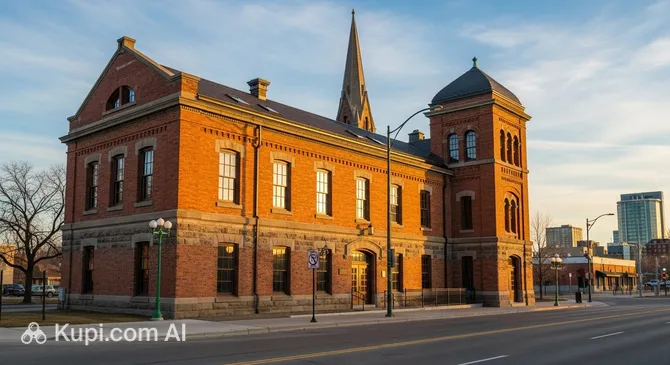
When traveling through a city like Winnipeg, it's impossible to overlook the unique engineering marvel that is the James Avenue Pumping Station. This monumental brick building, erected in 1906, represents an extremely rare example of a high-pressure fire protection system. At the time, such facilities were innovative, and today the station remains one of only two known systems of its type preserved in North America.
\n\n
James Avenue Pumping Station. Source: Kupi.com AI
\n\n

Located in the historic center of Canada, this station was designed by City Engineer Henry Norlande Rattan. It operated independently of the domestic water supply, drawing water directly from the Red River and distributing it under immense pressure through a specialized network of hydrants. This early 20th-century technological wonder protected the city from devastating fires for eight decades.

\n\n

After closing in 1986, the building was designated a historic site and underwent a massive restoration. Today, the James Avenue Pumping Station is more than just an industrial monument; it is a vibrant cultural space and restaurant. Here, massive vintage pumps and intricate pipework stand alongside dining tables, creating a unique industrial-style atmosphere.

Contacts

For those planning a visit to this unique historical building, we have prepared current contact information:

Address 109 James Ave, Winnipeg, MB R3B 0N6, Canada
Phone +1 204-560-5210
Website jamesavenuepumphouse.com
Rating 4.5 out of 5 (based on 480 reviews)

What to Do

The main reason to visit the station today is the unique opportunity to dine or enjoy a coffee surrounded by giant historical mechanisms. The building has been transformed into a modern restaurant, where the original pumps, valves, and massive early 20th-century pipes have been preserved in the interior, creating an impressive backdrop for a meal.

History and architecture buffs will enjoy studying the details of this engineering masterpiece. You can get an up-close look at equipment that was once the pinnacle of technological thought and learn how Winnipeg’s complex fire protection system operated. The atmosphere is perfect for a thoughtful tour and capturing unique industrial-style photos.

Additionally, the station frequently hosts cultural events, making it a lively community hub. It is the perfect place for those who want to combine educational leisure with a break in one of the city's most iconic and atmospheric venues.

Getting There

The James Avenue Pumping Station is located at 109 James Avenue, in the heart of the historic Exchange District. The building is situated in a picturesque spot on the banks of the Red River, right behind the Centennial Concert Hall, making it an easily recognizable landmark in the downtown area.

You can reach it by car, utilizing one of the many paid parking lots in the city center. If you prefer public transport, the area is well-served by Winnipeg Transit bus routes. Most downtown bus stops are within a 5–10 minute walk of the station.

For tourists staying in central hotels, the easiest way is a stroll or a short taxi ride. The station is within walking distance of major shopping and cultural venues, so a visit here can easily be combined with general sightseeing around the city.

History & Facts

The history of this unique facility began with a tragedy: in 1904, a catastrophic fire broke out on Main Street, nearly destroying the city's entire business district. The existing artesian well water system was powerless against the flames. In desperation, city authorities began pumping untreated river water into the main pipes, which led to a typhoid epidemic affecting more than 1,300 people.

To prevent such a disaster from recurring, the city council, led by engineer Colonel Henry Rattan, approved a plan in 1905 to create a specialized high-pressure fire protection system. Construction began in 1906, and by the summer of 1908, the station was fully operational. The project cost the city $1 million—a colossal sum at the time, equivalent to approximately $25 million today.

The engineering solution proved to be a triumph: after the system's launch, not a single building adjacent to a fire was lost due to water shortages. The station was staffed by experienced mechanics specially invited from Britain. Initially, the equipment was coal-powered, but in 1962, the engines were converted to natural gas and electricity.

The pumping station faithfully served the city for eight decades and was only closed in 1986. The reasons were high operating costs and the advent of modern mobile fire pumps, which made the stationary system redundant. Today, the building is recognized as a historic landmark and is carefully preserved as a symbol of early 20th-century industrial progress.

Time Needed

For a full exploration of the James Avenue Pumping Station, most visitors need 1 to 2 hours. This is sufficient time to closely inspect the preserved mechanisms, read the informational displays about engineering history, and soak in the atmosphere of last century's industrial architecture.

If you plan not only to tour the exhibits but also to have lunch or dinner at the local restaurant, you should set aside a bit more time—around two to three hours. The venue encourages leisurely relaxation, allowing you to enjoy the unique combination of a historic interior and modern gastronomy.

Working Hours

The James Avenue Pumping Station, operating as a restaurant and cultural center, is open to visitors daily. The standard schedule is as follows:

  • Monday – Thursday: 11:00 AM to 11:00 PM
  • Friday – Saturday: 11:00 AM to 12:00 AM (midnight)
  • Sunday: 11:00 AM to 10:00 PM

Please note that opening hours may change on holidays or during private events. It is recommended to check the official website for the most up-to-date information before your visit.

Nearby

Exploring the surroundings of the James Avenue Pumping Station will allow you to delve deeper into the atmosphere of historic Winnipeg. The Exchange District, where the site is located, is famous for its architecture and cultural heritage, so a short walk will lead you to other points of interest.

Below is a list of attractions located within a few kilometers of the station:

Attraction Distance (km)
Massey Building 0.5
Fort Gibraltar Weddings and Events 0.6
The Forks National Historic Site 1.3
Norquay Building 1.5
Manitoba Legislative Building 1.8
Concrete Blonde Aquatics 2.5
Kid City Archibald 2.9
Flying Squirrel Trampoline Park 4.8
The Big Bounce Park 5.2
Hydroponic Aquarium and Plants 6.2

Reached the end of the page?

That means the route is fully explored