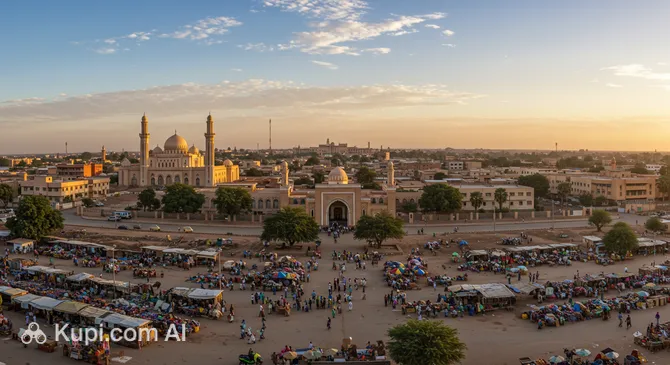
Shopping in N'Djamena offers a distinct experience that contrasts sharply with the polished malls of global metropolises. Here, commerce is driven by vibrant open-air markets and small, independent boutiques rather than large retail chains. The city is famous for its high-quality local handicrafts, particularly leather goods and textiles, making it an excellent destination for travelers seeking authentic African souvenirs. The shopping scene is a reflection of the local culture: colorful, energetic, and deeply rooted in personal interaction.
The primary commercial artery of the city is Avenue Charles de Gaulle. This bustling street runs through the heart of the capital and is lined with a variety of shops, pharmacies, and banks. It is the place to go for imported goods, electronics, and fashion, offering a more Western-style shopping environment. Walking along this avenue, visitors will find supermarkets and stores catering to the expatriate community and locals looking for modern conveniences.
While N'Djamena does not feature expansive, multi-story shopping malls typical of Western cities, it does have several smaller shopping centers and well-stocked supermarkets. Establishments such as the Modern Market or various supermarkets along the main avenues provide a comfortable, air-conditioned environment where you can purchase groceries, toiletries, and household items. These venues are reliable for travelers needing specific supplies during their stay.
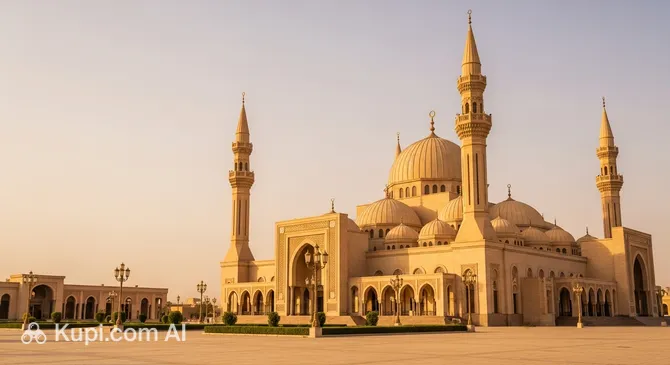
The true heart of the city's commerce beats in its traditional markets. The Grand Marché (Central Market) is the most famous and lively shopping destination in the capital. Located near the N'Djamena Grand Mosque, this sprawling labyrinth of stalls sells everything from spices and fabrics to electronics and household goods. It is a sensory overload in the best way possible, filled with the sounds of bargaining and the scents of local produce. For a more specialized experience, the Millet Market offers a glimpse into the trade of the region's staple grains.
When it comes to souvenirs, N'Djamena has plenty of treasures to offer. The city is renowned for its leatherwork, including bags, sandals, and belts, often crafted from camel or snake skin. Another popular item is the colorful cotton fabric known as pagne, which can be bought in lengths or tailored into clothing. Visitors should also look for intricate silver jewelry, hand-woven rugs made from camel hair, and the distinctive pottery produced in the nearby village of Gaoui. Local honey and hibiscus tea (bissap) are also excellent, consumable gifts to bring home.
Store opening hours in N'Djamena typically follow a split schedule to accommodate the afternoon heat. Shops usually open around 8:00 AM or 9:00 AM, close for a long break from roughly 12:30 PM to 3:30 PM, and then reopen until the evening, around 7:00 PM or 8:00 PM. Markets often start earlier, shortly after sunrise. Cash is the primary method of payment throughout the city. While a few upscale supermarkets may accept credit cards, vendors in markets and smaller shops deal exclusively in Central African CFA Francs (XAF). Bargaining is not just accepted but expected in the markets; it is part of the social exchange, so feel free to negotiate politely.
Tourists should be aware that a formal tax-free or VAT refund system for visitors is not currently established or widely operational in Chad. Travelers should not expect to claim tax refunds at the airport upon departure, so it is best to consider the listed price (or the negotiated price) as the final cost of your purchase.