Support

Balmaceda

About

Balmaceda serves as a crucial gateway to the breathtaking landscapes of Patagonia. While it is often viewed primarily as a transit hub, this small village possesses a unique charm characterized by its vast open skies and rural tranquility. It offers travelers their first glimpse of the rugged beauty that defines this remote part of the world.

Situated in the Aysén Region of southern Chile, near the border with Argentina, the village is known for its distinctive cold steppe climate. The weather here is often windy and cool, reflecting the raw nature of the surrounding pampas. With a modest population of approximately 3,000 residents, Balmaceda provides a quiet and authentic atmosphere, standing in contrast to larger, more bustling tourist destinations.

Despite its small size, the village holds significant heritage value as the oldest permanent town in the region. Visitors can delve into the history of Balmaceda to discover how it was founded in the early 20th century to facilitate trade and connectivity. Its layout and architecture still reflect these pioneering origins, offering a window into traditional Patagonian life.
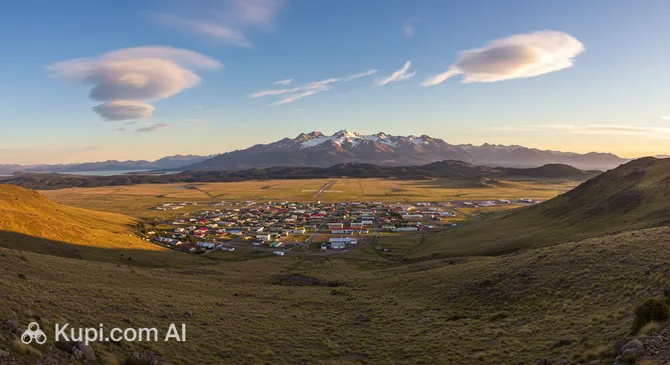
Balmaceda. Source: Kupi.Binoculars

The town is most famous for hosting the Balmaceda Airport, which acts as the primary aerial entry point for those visiting the regional capital, Coyhaique, and the iconic Carretera Austral. Beyond its logistical importance, the area serves as a strategic starting point for adventures into the nearby wilderness, including the majestic Cerro Castillo National Park. The surrounding landscape of rolling plains offers stunning, unobstructed views of the Andes mountains in the distance.

Whether you are landing here to begin a trek through pristine wilderness or simply passing through on your way to the fjords, Balmaceda welcomes you with its humble spirit and wide horizons. It is an essential stop for anyone ready to uncover the wild beauty of the Aysén Region.

Weather Overview

The climate in this part of the Aysén Region is defined by its cool temperatures and distinct seasonal contrasts. Visitors will find that the weather can change rapidly, a common trait of the Patagonian steppe, so bringing versatile layers is always a good strategy.

Summer offers the most favorable conditions for travel, particularly in February, when the average temperature is 11.7°C and daily highs can reach 16.9°C. In contrast, the winter season from June to August brings freezing conditions, with averages dipping to -0.8°C and minimums reaching -3.6°C. To ensure you pack appropriately for these variations, reviewing the detailed weather in Balmaceda is highly recommended.

Although the total amount of precipitation is surprisingly low, rarely exceeding 4mm in a single month, the skies are often active. The number of wet days ranges from 7 days in late summer to 16 days in the depths of winter, suggesting that while heavy rain is uncommon, damp and overcast days are frequent.

Interesting Facts

Beyond the main attractions, Balmaceda holds historical significance and geographic quirks that many travelers overlook while passing through the airport. This quiet village offers a glimpse into the pioneering spirit of the earliest settlers in southern Chile.

  • It holds the distinction of being the oldest permanent town in the Aysén Region, officially founded in 1917, which makes it historically older than the current regional capital, Coyhaique.

  • The town was originally established as a strategic center for the wool and cattle trade near the border, designed by José Antolín Silva Ormeño to solidify the country's presence in this remote area.

  • Geographically, it presents a striking contrast to the rest of the region; while most of Aysén is known for rainy fjords and lush forests, Balmaceda sits on the arid Patagonian steppe, offering vast, dry plains and expansive horizons.

How to Get There

Reaching this remote Patagonian outpost is an adventure in itself, with air travel being the most practical and common method for the majority of visitors. The village serves as a strategic hub for the entire region, welcoming travelers who are eager to explore the wild landscapes of southern Chile. For a detailed breakdown of routes and transport options, you can read more about how to get to Balmaceda.

The primary gateway for visitors is Teniente Vidal Airport (IATA: BBA), located directly in Balmaceda. As a key transport node, it handles a significant volume of passengers connecting to major cities like Santiago. The airport is exceptionally close to the village center, situated just 0.9 km away. Because of this proximity, the transfer is incredibly quick, taking less than 5 minutes by taxi. While many travelers immediately transfer to Coyhaique, the airport's location makes Balmaceda the first point of contact with the Aysén Region.

For clarity, here is a summary of the main airport:

Airport Name City Passenger Traffic Km from City
Teniente Vidal Airport Balmaceda Medium 0.9

Rail travel is not an option in this part of the country. The rugged and fragmented geography of Patagonia means there are no railway lines connecting Balmaceda to the rest of Chile. Visitors rely exclusively on air travel or extensive road journeys via the famous Carretera Austral to reach this destination.

Main Attractions

While most travelers know Balmaceda primarily for its airport, this small village offers a few hidden gems that reflect its status as the oldest permanent settlement in the Aysén Region. A stroll through its quiet streets reveals a destination deeply rooted in the history of Patagonian colonization, offering a peaceful pause before venturing into the wilder landscapes of southern Chile.

The heart of the community is the Plaza de Armas, a modest but charming square that serves as a gathering place for locals. Surrounded by trees that have withstood the fierce Patagonian winds, the plaza provides a glimpse into the slow-paced rural life of the steppe. It is an excellent spot for visitors to stretch their legs after a flight, observe the local culture, and appreciate the vast, open skies that characterize this part of the country.

Architecture enthusiasts will appreciate the town's Historic Pioneer Buildings. As the first town founded in the region in 1917, Balmaceda retains several structures that showcase the traditional wooden construction styles of the early 20th century. These simple yet resilient buildings, including the old school and customs houses, tell the story of the first settlers who braved the harsh climate to establish a trade hub near the Argentine border.

Just a short drive from the village lies the Paso Huemules, an international border crossing that connects Chile with Argentina. The journey to the border is an attraction in itself, taking you through the starkly beautiful Patagonian pampa. This area offers a dramatic contrast to the lush forests found further west, featuring rolling grasslands, grazing sheep, and unobstructed views of the Andes mountains on the horizon.

For nature lovers, Balmaceda serves as the convenient eastern gateway to the magnificent Cerro Castillo National Park. Although located about an hour away by road, it is one of the primary reasons tourists land here. The park is famous for its jagged basalt spires, turquoise lagoons, and opportunities to spot the endangered huemul deer, making it a must-visit destination for trekkers and photographers starting their journey in the region.

Local Cuisine

The local cuisine in Balmaceda is a direct reflection of the rugged Patagonian landscape and the ranching traditions of the Aysén Region. Food here is hearty, simple, and designed to provide warmth against the cold steppe winds. The culinary scene is heavily influenced by the "gaucho" lifestyle, focusing on high-quality meats and ingredients that can sustain life in a harsh climate.

The undisputed king of the table is Cordero al Palo (spit-roasted lamb). This traditional preparation involves roasting a whole lamb vertically over an open wood fire for several hours, resulting in meat that is incredibly tender with a smoky, crisp skin. It is a social meal, often shared at gatherings, and represents the deep connection between the locals and their livestock farming heritage. Visitors may also find excellent cuts of beef and dishes featuring local trout from the nearby rivers.

For a lighter snack or a side dish, travelers should try Sopaipillas. In this southern region, this fried dough is often made with pumpkin and served hot. It is typically accompanied by Pebre, a fresh and spicy salsa made from tomatoes, onions, cilantro, and chili peppers. This combination is the perfect comfort food to enjoy after landing at the airport or arriving from a long road trip across the pampa.

When it comes to beverages, the cultural influence of the border is evident in the widespread consumption of Mate. This hot herbal infusion is sipped from a gourd through a metal straw and is a staple of daily life, offering a way to socialize and stay warm. On the alcoholic side, visitors should look for the Calafate Sour, a regional twist on the classic Pisco Sour. This cocktail uses the native Calafate berry to add a unique purple hue and a distinct sweet-tart flavor to the national drink of Chile.

Dining in Balmaceda is a low-key and authentic affair. Due to the village's small size, you will not find high-end luxury restaurants, but rather cozy, family-run establishments known as "picadas" or "cocinerías." These spots offer generous portions of homemade food and a welcoming atmosphere, allowing tourists to experience the genuine hospitality of the south before moving on to larger destinations like Coyhaique.

Travel Tips

Visiting Balmaceda offers a unique start to your Patagonian adventure, serving as both a transit hub and a window into the region's pioneer history. To ensure your journey through this windy steppe settlement is smooth and enjoyable, here are some essential travel tips.

  1. Clothing and Gear: The Patagonian weather is notoriously unpredictable, so dressing in layers is non-negotiable. Even in summer, the wind on the pampa can be biting, so bring a high-quality windbreaker and a warm fleece. Comfortable, closed-toe shoes are best for walking on the dusty streets, and don't forget sunglasses to protect against the strong glare and high UV levels common in southern Chile.
  2. Transportation: Within the village itself, everything is within walking distance, so you won't need public transport to explore the local streets. However, for moving on to Coyhaique or exploring the Carretera Austral, renting a car at the airport is the most flexible option. Alternatively, reliable transfer vans (shuttles) connect the airport to the regional capital, usually timed with flight arrivals.
  3. Finances: The local currency is the Chilean Peso (CLP). While car rental agencies and the airport usually accept credit cards, smaller shops and local picadas (eateries) in the village often prefer or require cash. It is wise to withdraw money at the airport ATM upon arrival, as banking facilities in the village center can be limited.
  4. Health and Safety: Balmaceda is a very safe rural community with low crime rates, but the environment poses the biggest risk. The sun can be surprisingly strong here due to the thinner ozone layer, so always wear sunscreen. For minor medical issues, there is a small rural health post, but for serious emergencies, you should head to the main hospital in Coyhaique.
  5. Communication: Spanish is the primary language, and English proficiency is generally low outside of the airport counters and major car rental desks. Learning a few basic phrases like hola (hello) and gracias (thank you) will be appreciated. Mobile signal is generally good in the village (Entel and Movistar are reliable providers), but be prepared for coverage to drop as soon as you head out into the open steppe.
  6. Local Etiquette: The pace of life here is slow and polite. It is customary to greet people when entering a shop or passing on the street with a friendly "Buenos días" or "Buenas tardes." Locals are hospitable but reserved; a polite approach and a smile go a long way in bridging the language gap.
  7. What to Avoid: Do not expect 24-hour services or late-night dining. Balmaceda is a quiet village where shops and eateries close relatively early, often around 8:00 PM or 9:00 PM. Plan your meals and supply runs accordingly, especially if your flight arrives late in the evening.
  8. Border Crossing Tip: Since the village is located just minutes from the Argentine border at Paso Huemules, ensure you have all necessary documentation (passport and vehicle permits) handy if you plan to cross. Double-check the border crossing's operating hours, as they can change seasonally and are not always open 24/7.

With these tips in hand, you are ready to embrace the rugged charm of Balmaceda. Enjoy the vast horizons and the warm hospitality of the locals as you begin your exploration of the magnificent Aysén Region.

Entertainment & Nightlife

Travelers arriving in Balmaceda expecting a bustling metropolis with neon-lit nightclubs will find themselves in a vastly different, yet equally captivating environment. The nightlife here is defined by its rural authenticity and absolute tranquility. Instead of crowded dance floors, the evenings offer a chance to experience the quietude of the Patagonian steppe, where entertainment revolves around a warm meal and rest before the next leg of your journey.

As a small transit village, Balmaceda has very limited options for evening entertainment. There are no party streets or dedicated bars. For many travelers, the "night out" is confined to small local guesthouses or cocinerías (small kitchens) in the village center. These humble establishments serve dinner and offer an authentic glimpse into local life, often acting as the main social hubs for the few visitors staying overnight.

The pace here is dictated by the sun and the flight schedules. Venues operate with early closing times, typically winding down around 9:00 PM or 10:00 PM. The atmosphere is undeniably relaxed and informal, reflecting the "gaucho" style of the region. Dress codes are non-existent; comfortable trekking gear is the standard attire, and the focus is on refueling with hearty food and a glass of wine after a long day of travel.

With the absence of urban light pollution, the true evening entertainment is often found simply by looking up. The vast, unpolluted skies over the pampa offer spectacular stargazing opportunities. A short walk under the southern stars provides a serene end to the day, allowing visitors to connect with the raw nature of Chile before retreating to the warmth of their accommodation.

Parks & Museums

As a small village situated on the vast Patagonian steppe, Balmaceda offers a different kind of cultural and natural experience compared to Chile's larger cities. Instead of manicured botanical gardens or sprawling museum complexes, visitors here will find modest green spaces that withstand the fierce winds and historical structures that serve as living testaments to the region's pioneer past.

Plaza de Armas
The central square is the primary green space within the village and serves as a resilient oasis in the midst of the dry pampa. Unlike the lush plazas found further north, this park is defined by sturdy, wind-swept trees planted by early settlers to provide shelter from the elements. It is a peaceful spot to observe local life and appreciate the hardy vegetation that manages to thrive in this cold, arid climate. For tourists, it offers a moment of tranquility and a chance to see the social heart of this remote community.

The Patagonian Steppe
While not a park in the traditional urban sense, the surrounding landscape functions as a massive, open-air natural reserve. Just steps away from the village streets, you enter the vast expanse of the steppe, characterized by coirón grass and low shrubs. This natural area is excellent for short walks to admire the "infinity" of the horizon and the dramatic cloud formations. It provides an authentic encounter with the raw geography of the Aysén Region, offering unobstructed views of the distant Andes.

National Monument: Old School of Balmaceda
Although Balmaceda does not have a formal museum with regular visiting hours, the town itself acts as a historical gallery. The most significant cultural landmark is the Ex-Escuela (Old School), which has been declared a National Monument. Built in the early 20th century, this structure showcases the architectural ingenuity of the first colonizers, using local wood and simple designs to survive the harsh winters. It stands as a symbol of the community's determination to establish education and order in a frontier territory.

Historic Customs and Pioneer Houses
Walking through the village reveals other structures that function as open-air exhibits of heritage. The old customs buildings and original residential houses reflect the "gaucho" influence and the close ties with Argentina. These buildings are interesting for architecture enthusiasts and history buffs, as they tell the story of the wool trade and the border conflicts that shaped the identity of this corner of Patagonia.

Insider Tip:
For a unique natural experience, take a short drive or walk towards the Paso Huemules border area. The transition from the village to the border offers some of the best opportunities to spot local birdlife, including the majestic Andean condor and various birds of prey gliding over the plains, turning the sky itself into a dynamic natural gallery.

Getting Around

Given the small size and rural nature of Balmaceda, the public transport system is quite different from what you might expect in a large metropolis. There is no metro, tram, or complex city bus network here. Instead, the transport infrastructure is almost entirely designed around the movement of passengers between the airport and the regional capital, Coyhaique, or other nearby towns.

Airport Transfer Vans (Minibuses)
The most common form of "public" transport for tourists is the shared shuttle service, known locally as transfer. These minibuses wait directly outside the arrivals hall of the airport and coordinate their departures with incoming flights. They provide a reliable and cost-effective connection to Coyhaique, which is about 55 kilometers away. These vans are comfortable and offer a door-to-door service, dropping passengers off at their respective hotels or hostels in the capital.

Interurban Buses
While there are no local city buses circulating within the village streets, interurban buses traveling between Coyhaique and Puerto Ibáñez (the port for the ferry to Chile Chico) often pass through or stop near Balmaceda. However, these are less frequent and less convenient for tourists carrying luggage compared to the dedicated airport transfers. They are primarily used by locals for regional commuting.

Payment and Fares
The payment system is straightforward and generally does not involve travel cards or apps.
For airport transfers, you typically purchase your ticket at the counters located inside the airport arrivals area before exiting the building. Payment can usually be made with cash (Chilean Pesos) or credit cards. The price is a fixed rate per passenger.
For taxis or smaller local buses, cash is the only reliable method of payment. It is highly recommended to carry small denominations of Chilean Pesos, as drivers may not always have change for large bills.

Taxis
Official taxis are available at the airport and are identifiable by their black exterior and yellow roof. They offer a more private alternative to the shared vans but are significantly more expensive for the trip to Coyhaique. If you only need to travel a short distance—for example, from the airport to a guesthouse within the village of Balmaceda itself—a taxi is the most practical motorized option, as the transfer vans prefer the longer, more profitable route to the capital.

Car Rentals
While not public transport, renting a car is the most popular alternative for visitors landing in Balmaceda. The airport hosts counters for several major rental agencies. This is often the preferred choice for tourists planning to explore the Carretera Austral at their own pace, as public transport to remote natural attractions is virtually non-existent.

Walking
For navigating the village of Balmaceda itself, your own two feet are the best transport. The entire settlement is compact, and you can walk from one end to the other in about 15 to 20 minutes. Walking allows you to easily visit the Plaza de Armas, local eateries, and historical buildings without the need for a vehicle.

Practical Advice for Tourists
Transport availability is heavily tied to the flight schedule. If you arrive late at night, be sure to secure your transfer or rental car in advance, as services may not operate 24/7. If you plan to take a shared transfer, head to the counter immediately after claiming your baggage to ensure a seat, although there is usually enough capacity for all arriving passengers.

Accommodation

Accommodation in Balmaceda reflects its character as a quiet transit hub in the Aysén Region. Travelers should not expect large luxury chains or sprawling all-inclusive resorts here. Instead, the lodging scene is dominated by small, family-run establishments that offer a warm, rustic atmosphere. The options are primarily functional and cozy, designed to cater to passengers arriving late or departing early from the nearby airport.

The most common types of accommodation are "cabañas" (cabins) and "hospedajes" (guesthouses). These usually provide essential amenities like wood-burning stoves or central heating—crucial in the cold Patagonian climate—along with private bathrooms and sometimes small kitchenettes. They offer a homely experience where guests can often interact directly with the owners. The simplicity of these lodgings is part of the charm, offering a quiet night's sleep before venturing further into the wild landscapes of Chile.

Regarding location, practically every option in the village is convenient. Since Balmaceda is compact, no matter where you stay, you will be within a very short distance of the airport and the main road leading to Coyhaique. Staying in the village center allows for easy walking access to the few local convenience stores and small eateries, making it a practical choice for short layovers or for those preparing to cross the border into Argentina.

Booking in advance is highly recommended, particularly during the peak summer months from December to February. Due to the limited number of beds available in the village, places can fill up quickly with travelers passing through. While some accommodations may be listed on major online booking platforms, many smaller guesthouses operate via direct contact or phone. Prices are generally moderate, falling into the budget to mid-range categories, but it is wise to carry cash, as some smaller hosts may not have card payment facilities.

Nearby Cities

For those looking to explore the surroundings, Balmaceda serves as an excellent base for day trips to several interesting nearby locations:

Coyhaique
Located just a short drive to the north, the regional capital is the most accessible and popular destination for a day trip. It offers a lively contrast to the quiet steppe, featuring the bustling Plaza de Armas, a craft market rich with local wool and leather products, and the Regional Museum of Patagonia. Visitors can enjoy a wide range of restaurants and cafes before returning to the tranquility of the village.

Villa Cerro Castillo
Heading south along the Carretera Austral, this scenic village sits at the foot of the jagged basalt peaks of the Cerro Castillo mountain range. It is a haven for nature lovers and photographers, offering breathtaking views and access to short trekking trails. The journey itself is spectacular, winding through the Cuesta del Diablo with panoramic vistas of the valley.

Puerto Ingeniero Ibáñez
Situated on the northern shore of General Carrera Lake, this town is known for its warmer microclimate and traditional pottery. It provides a chance to see the vast, turquoise waters of Chile's largest lake and visit the impressive Salto del Río Ibáñez waterfall, all within a reasonable driving distance for a day's adventure.

City Population Distance (km)
Puerto Montt 169736 503
Coyhaique 61210 47
Alerce 42267 511
Ancud 38991 481
Castro 33417 415

These nearby destinations offer a glimpse into the diverse culture and landscapes of the region.

Shopping & Souvenirs

Shopping in Balmaceda is a reflection of its status as a small, rural transit hub in the heart of the Patagonian steppe. Visitors should not expect extensive commercial districts, luxury boutiques, or large department stores. Instead, the shopping experience here is focused on basic necessities for travelers passing through and authentic local products that highlight the region's ranching heritage. It is a place to pick up last-minute supplies or unique handmade items rather than to indulge in a full retail therapy session.

There is no specific "shopping district" in the traditional sense, given the village's compact size. The few commercial establishments available are scattered along the main streets near the Plaza de Armas. A stroll through the village center allows you to see practically everything on offer within a few minutes. These small shops are often family-run businesses that serve the local community, offering a mix of groceries, hardware, and daily essentials.

Travelers looking for shopping malls will not find them in Balmaceda. The village maintains a rustic atmosphere devoid of modern commercial complexes. For those in need of more extensive shopping facilities, outdoor gear shops, or larger supermarkets, the best option is to travel to the regional capital, Coyhaique, located about 55 kilometers away. Coyhaique serves as the commercial center for the region and hosts a variety of specialized stores and larger retail spaces.

While there are no large permanent markets, the village occasionally hosts small fairs or stands where local artisans sell their wares, particularly during the summer season or local festivities. However, the most consistent "market" experience can often be found in the small "provisiones" (grocery stores) and bakeries, where you can buy fresh local bread, cheese, and sometimes homemade jams made from regional berries like calafate or rosehip.

For souvenirs, the best items to look for are those connected to the local sheep farming culture. Hand-knitted wool products, such as socks, hats, and sweaters, are popular and practical for the cold weather. Additionally, you might find goods made from leather or sheepskin. The airport terminal itself usually houses a small gift shop offering regional handicrafts, books about Patagonia, and gourmet food items like smoked chili paste (merkén) or berry preserves, making it a convenient spot to grab a gift before your flight.

Store hours in Balmaceda are generally relaxed and can be somewhat unpredictable compared to big cities. Most small shops open around 9:00 or 10:00 AM and may close for a "siesta" break between 1:00 PM and 3:00 PM, reopening until around 8:00 PM. Regarding payment, cash is king in this rural area. While the airport and some larger car rental agencies accept credit cards, small shops and kiosks in the village often only accept Chilean Pesos. It is highly advisable to carry cash for small purchases.

Regarding tax-free shopping, Chile does not offer a VAT refund system for general goods purchased by tourists in standard shops. While international tourists are exempt from paying the 19% VAT on accommodation when paying in dollars, this does not apply to retail purchases in Balmaceda. Visitors looking for duty-free goods would typically need to visit specific Free Trade Zones (Zonas Francas) in other parts of the country, such as Punta Arenas or Iquique, as Balmaceda operates under the standard tax regime.

Reached the end of the page?

That means the route is fully explored