Support

Coquimbo

About

Coquimbo is a colorful port city located on a picturesque peninsula that juts deep into the waters of the Pacific Ocean. It forms a single conurbation with neighboring La Serena but retains its unique, somewhat rebellious character and the lively atmosphere of a real seaport. Located in the northern part of central Chile, the city boasts a pleasant climate with mild temperatures and plenty of sunny days, making it attractive for a visit at any time of year. Today, more than 200,000 people live here, creating a dynamic rhythm of life where tradition exists alongside modernity.
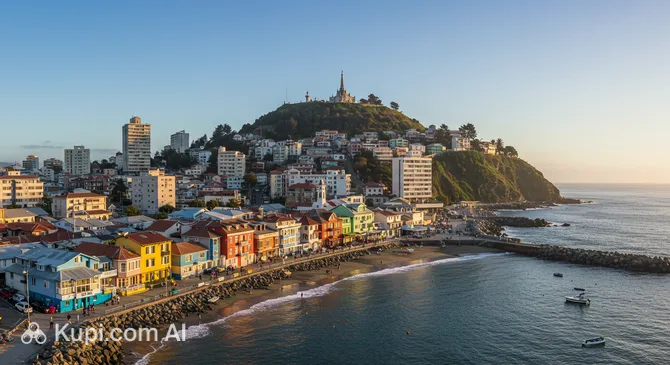
Coquimbo. Illustration.
Source: Kupi.com AI

The past of this place is inextricably linked with maritime adventures and mining. The rich history of Coquimbo is full of legends about famous corsairs like Francis Drake, who sought shelter in the local bay, and the boom of the copper trade in the 19th century. This heritage is best felt in the English Quarter (Barrio Inglés), where elegant historic mansions from that era have been preserved and converted today into cultural centers, restaurants, and galleries.

The city offers tourists not only historical walks but also impressive sights. The giant Third Millennium Cross dominates the urban landscape—a monument whose observation decks offer breathtaking views of the ocean and the city's hills. Beach lovers will appreciate La Herradura Bay, whose calm waters are ideal for swimming and water sports. Coquimbo is a place worth visiting for authentic port romance, the freshest seafood, and unforgettable sunsets over the Pacific.
Weather Overview

The climate in Coquimbo can be described as mild and desert-like, heavily influenced by the ocean. Thanks to this, there is no exhausting heat or severe cold, which makes the city comfortable to visit almost all year round. If you want to know what kind of weather in Coquimbo is expected for your travel dates, we recommend checking the forecast, although climatic conditions here are remarkably stable.

The summer season, which in the Southern Hemisphere lasts from December to February, delights tourists with the highest temperatures. In January and February, the air warms up in the afternoon to an average of 21.3°C — 21.6°C, while nights remain pleasant with a temperature of around 16°C. This is an ideal time for a beach holiday, as the probability of precipitation tends toward zero: there is practically no rain in these months.

Winter (from June to August) is quite mild here. Average daytime temperatures drop to 13-14°C, and at night the thermometer can drop to 10°C. Even in the "wettest" month, June, the amount of precipitation is minimal—about 1 mm, and the number of rainy days rarely exceeds four. Spring and autumn serve as comfortable transition periods with moderate warmth.

Expect a warm, sunny summer without rain and a cool, dry winter with variable cloudiness.

Average monthly temperature

Average monthly precipitation

Interesting Facts

Beyond its main attractions, Coquimbo holds many fascinating secrets and legends that reveal themselves only to the most curious travelers. This city knows how to surprise with unexpected contrasts and stories that go beyond a standard travel guide.
  • Chile's Largest Party. Every year in September, during Independence Day celebrations, the city becomes the epicenter of the "La Pampilla" festival. This event is considered the largest folk celebration in the country: for a few days, a temporary tent city grows on the hills, visited by hundreds of thousands of people to enjoy music, dancing, and traditional cuisine.

  • The Legend of Pirate Treasure. The history of the port is inextricably linked to visits by corsairs. There is a persistent urban legend that the famous Sir Francis Drake hid part of his plundered treasure in the area of Guayacán Bay, where La Herradura Beach is located today. Despite numerous attempts by enthusiasts to find the gold, Drake's treasure remains undiscovered.

  • Moroccan Exclusive. The stunning Mohammed VI Cultural Center is unique not only for its purpose but also for its architecture. The mosque's minaret is a large-scale replica of the famous tower of the Koutoubia Mosque in Marrakech. To create an authentic look, craftsmen and materials were specially brought from Morocco to Chile.

  • "Place of Calm Waters." Linguists and historians still debate the exact origin of the city's name, but the most popular version says that "Coquimbo" comes from the indigenous word "Coquimpu." In translation from local dialects, it means "place of calm waters," which perfectly describes the geography of the bay, protecting ships from the turbulent waves of the Pacific Ocean.

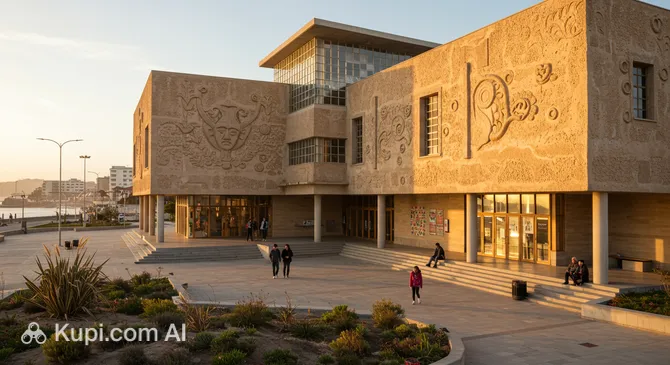
Mohammed VI Cultural Center. Illustration.
Source: Kupi.com AI

Traveler photos:

How to Get There

Getting to this coastal city is not difficult, as it is part of an important conurbation and has excellent transport accessibility. You can choose the most convenient way for you to travel, whether it's a quick flight or a scenic drive along the highway. You can find out all the details and plan your route on the how to get to Coquimbo page.

The fastest way to reach the region is by air. There is no airport in Coquimbo itself; however, the city is served by La Florida Airport (IATA: LSC), located in the neighboring city of La Serena. The distance from the terminal to the center of Coquimbo is only about 14 km. This is an important regional air hub, receiving regular flights from Santiago and other cities in Chile. A taxi or transfer from the airport to your hotel will take approximately 20–25 minutes, depending on traffic.

For clarity, here is summary information on the main airport serving the city:

AirportPassenger trafficDistance
La Florida Airport895 56114 km

Regarding rail connections, there are currently no direct passenger trains to Coquimbo. The railway in this region is used mainly for freight transport. The main alternative for ground travel is intercity buses, which offer high levels of comfort and regular schedules. Buses from the capital and neighboring regions arrive at the city bus terminal, located near the center. The city is also easily accessible by car along the Pan-American Highway (Route 5), enjoying views of the Pacific coast or the desert landscapes of the north.

Main Attractions

Coquimbo, a port city with a rich history, offers travelers many interesting places to explore. From monumental structures to cozy squares, there is something for everyone here. Here are just a few key attractions you shouldn't miss.

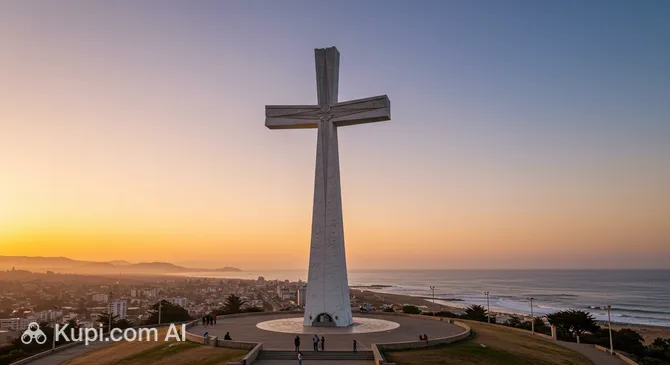
Third Millennium Cross. Illustration.
Source: Kupi.com AI

Traveler photos:

One of the city's most recognizable symbols is the Third Millennium Cross. This grandiose monument, rising on El Vigía Hill at an altitude of more than 150 meters above sea level, is visible from almost anywhere in Coquimbo. The 93-meter high structure was erected to commemorate the 2000th anniversary of Christianity and is one of the tallest religious monuments in South America. Tourists can climb to the observation decks, which offer a breathtaking panoramic view of the city, the port, and the endless expanses of the Pacific Ocean.

For those interested in the history of navigation and defense, Fort Coquimbo, also known as Fort Lambert, is a must-visit. This 19th-century fortification was built to protect the port from possible attacks during the Spanish-South American War (also known as the Chincha Islands War). Today, the fort is a popular tourist spot thanks to its historical significance and magnificent views of the bay. An old cannon is preserved here, a reminder of the turbulent past of this strategically important location.

An unexpected and unique attraction is the Mohammed VI Cultural Center, which includes a mosque with a minaret. This is the only cultural center of Moroccan origin in all of Latin America, serving as a symbol of friendship between Chile and the Kingdom of Morocco. Its architecture, a replica of the Koutoubia Mosque in Marrakech, contrasts sharply with the surrounding landscape and draws attention with its sophisticated beauty. The center was created to promote cultural dialogue and respect between different religions.

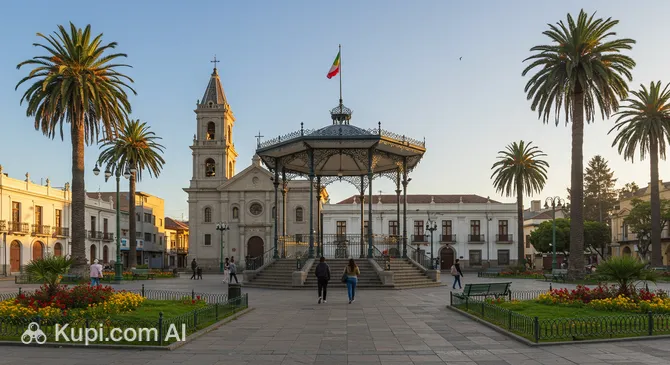
The heart of the city's social life, as in many Latin American cities, is the Plaza de Armas Coquimbo. This is a cozy and green square surrounded by historic buildings, shops, and cafes. It serves as a meeting place for locals and a starting point for walks through the city center. Here you can relax on a bench in the shade of trees, watching the slow pace of the port city and enjoying its atmosphere.

Local Cuisine

Coquimbo's gastronomic scene is inextricably linked to the ocean. Since it is an active port city, local cuisine is based on the freshest seafood, which reaches the table literally a few hours after being caught. There is no fine dining pretension here, but there is honest, hearty, and incredibly tasty food, soaked in the sea breeze and local traditions. The main principle of local chefs is to highlight the natural taste of ingredients without overpowering it with complex sauces.

The king of street food in Coquimbo is considered to be the "Churrasco Marino." This is a hearty sandwich consisting of a crispy marraqueta roll, a large piece of fried fish (usually hake or pomfret), and fresh "chilena" salad made of tomatoes and onions. You should also definitely try the seafood empanadas: here they are prepared not only with cheese but also with shrimp, crab, or shellfish. For lovers of exotic flavors, we recommend ordering "machas a la parmesana"—razor clams baked with parmesan cheese, which are the true pride of the Chilean north.

Among drinks, the famous Pisco Sour holds the lead. Coquimbo is in a region that produces the best grape brandy in the country, so the cocktail here is excellently prepared. A unique feature of the region is the love for local papaya. You can try both non-alcoholic freshly squeezed papaya juice and "Serena Libre"—a cocktail of pisco and papaya juice that is very popular in this part of Chile. On a hot day, the traditional "mote con huesillo" made from peach nectar and wheat is also very refreshing.

To experience the real local flavor, head for lunch to the "caletas" (fish markets), such as Caleta de Coquimbo. Here, in simple cafes with plastic chairs, they serve the tastiest and most inexpensive "paila marina" soups and fried fish. If you are looking for a place for a more relaxed evening with a good drink and snack list, it's worth visiting the Duna Pub-Restaurant. This establishment perfectly captures the city's atmosphere, combining coziness with the opportunity to enjoy delicious food in pleasant company.

Travel Tips

Coquimbo is a city with a unique character, where port bustle coexists with a relaxed beach atmosphere. To make your trip as comfortable as possible and leave only pleasant memories, we have prepared a selection of useful practical recommendations that will help you feel confident in any situation.

  1. Clothing and Essentials. The climate here is mild but changeable. Even if it's warm during the day, a cool breeze blows from the ocean in the evening, so stick to the principle of layering: bring T-shirts but be sure to pack a fleece jacket or windbreaker. Given the city's hilly terrain, comfortable flat-soled shoes are a must. If you plan to visit the mosque at the Mohammed VI Cultural Center, remember the dress code: shoulders and knees must be covered.

  2. Transport. The most popular and fastest way to get around is "colectivos" (black-colored route taxis). They run on fixed routes and cost only slightly more than buses. For trips late in the evening or to remote areas, it is safer to use official taxi apps, such as Uber. Renting a car only makes sense if you plan to travel outside the city to the Elqui Valley.

  3. Finances. The official currency is the Chilean peso. While credit cards are accepted in shopping malls and major restaurants, you will definitely need cash for public transport, purchases at the fish market, and tips. It is best to exchange currency at official exchange offices (Casas de Cambio) in the center. In restaurants, it is customary to leave a tip ("propina") of 10% of the bill.

  4. Health and Safety. The sun in this part of Chile is very active due to a thin ozone layer, so using a high SPF sunscreen is necessary even in cloudy weather. Pay attention to tsunami evacuation signs (Vía de Evacuación) on the coast—this is a standard precaution. Tap water is safe but has a specific mineral taste, so tourists are recommended to drink bottled water.

  5. Communication. The primary language is Spanish. Not everyone speaks English, so download an offline translator or learn basic phrases. Chilean Spanish is characterized by high speech speed and plenty of slang; don't hesitate to ask again ("¿Cómo?"). SIM cards from local operators (Entel, Movistar, WOM) are easy to buy in any shopping mall, and 4G coverage is stable.

  6. Local Etiquette. Chileans are very friendly and value politeness. When entering a shop or getting into a taxi, it is customary to say hello ("Hola", "Buenos días"). When meeting friends (even of different sexes), they often touch cheek to cheek, imitating a kiss. In public places, try to behave with restraint and do not raise your voice.

  7. What to Avoid. Do not walk alone through unlit port alleys and upper hill districts (cerros) at night—stick to tourist zones and the waterfront. Also, avoid buying seafood from street vendors on the beach without refrigeration; for fresh fish, it is better to go to the official "Caleta" market.

  8. Gastronomic Tip. While in this region, be sure to try the local papaya. It differs from the tropical one: here it is small, yellow, and very aromatic. It is rarely eaten raw, but candied fruits, syrups, juices, and papaya desserts are a hallmark of the region that is worth not only trying but also bringing home as a tasty souvenir.

Coquimbo is a welcoming city, ready to reveal its secrets to those who show interest and respect. By following these simple tips, you can enjoy the authentic atmosphere of the port, the taste of the freshest seafood, and the beauty of the Pacific coast without any worries.

Entertainment & Nightlife

Coquimbo's nightlife is a bright reflection of its port soul: loud, fun, and a bit bohemian. After sunset, the city transforms, offering tourists a variety of entertainment, from relaxed gatherings overlooking the ocean to energetic dancing until dawn. The main point of attraction for evening leisure lovers is the famous English Quarter (Barrio Inglés). This historic district with beautiful 19th-century architecture becomes the epicenter of fun at night, where old mansions are turned into stylish pubs, bars with live music, and nightclubs.

The atmosphere in the English Quarter is democratic and friendly. Here you can meet both local youth and tourists from all over the world. The musical repertoire varies from Latin American rhythms (salsa, cumbia, reggaeton) to rock and jazz. Most establishments open around 8:00 PM, but the fun really gets going closer to midnight. If you are looking for a place with good food and drinks, it's worth checking out the Duna Pub-Restaurant, which is popular for its cozy atmosphere and the opportunity to have a great time with friends.

Another important entertainment area is located along the waterfront and in the Peñuelas district, on the border with La Serena. More glamorous establishments, beach discos, and a casino, where concerts and shows often take place, are concentrated here. In summer, life is also bustling by the water: many restaurants in the bay, for example, in the area where La Herradura Beach is located, offer excellent cocktails and dinners with sunset views, which is perfect for a romantic start to the evening before heading to a club.

Regarding practical tips, there is no strict dress code in Coquimbo, but it is better to dress in smart casual style for nightclubs and casinos. The average check in bars is quite affordable. In terms of safety, the English Quarter is well-patrolled by police on weekends, but tourists are still advised not to stray far from lit central streets and to always keep an eye on personal belongings. To return to your hotel at night, it is most reliable and safe to call a taxi through official apps or ask the establishment's staff to order a car for you.

Daytime entertainment in the city is also diverse and suitable for family vacations. If you are tired of beaches and excursions, you can go shopping or to the movies. Large malls, such as the Coquimbo Mall, offer not only shops but also entertainment areas, food courts, and cinemas where you can watch the latest world releases. Also, cultural festivals and open-air fairs are often held in the city, especially during the summer season.

Parks & Museums

Coquimbo offers its guests a harmonious blend of natural beauty and educational leisure. While the city is known primarily as a port and beach resort, there are cozy green zones for leisurely strolls, and local museums and historical sites allow you to dive deeper into the region's rich past, full of sea battles and cultural exchange.

The heart of urban life and the main green oasis in the center is the Plaza de Armas Coquimbo. This picturesque square is an ideal place to shelter from the midday sun in the shade of sprawling trees. A feature of the park is its unique architectural structure—the "Concha Acústica" (Acoustic Shell), a hemispherical stage where concerts and city celebrations often take place. It is pleasant to just sit by the fountain here, watching the flow of local life.

Since Coquimbo is a coastal city, its magnificent beaches and embankments serve as its main natural parks. The famous La Herradura Beach, located in a bay protected from the winds, resembles a huge natural lake. It is a favorite spot for family walks and picnics by the water. No less popular is the long Coquimbo Beach, along which stretches a well-maintained embankment—a beautiful area for morning jogs or an evening promenade with views of the port.

History buffs should visit Fort Coquimbo, located on a hill in the Punta Pelícanos area. This is a real open-air museum where old cannons and 19th-century fortifications are preserved. Tourists come here not only for the historical artifacts but also for the stunning panorama of the bay. The place is steeped in the atmosphere of times past, when the city needed protection from pirates and enemy squadrons.

The city's cultural life is rich and diverse. The impressive Mohammed VI Cultural Center functions not only as an architectural landmark but also as an important educational space. Inside is a rich library and exhibition halls where you can get acquainted with Arab culture and art, which is a unique experience for Chile. It is also worth looking into the base of the Third Millennium Cross monument, where a religious museum is located. Its exposition features gifts from the Popes, sacred relics, and the history of the creation of this grandiose structure.

For those seeking connection with wild nature within the city limits, we recommend paying attention to the El Culebrón Wetlands (Humedal El Culebrón). This is a protected natural area where you can observe many species of migratory birds in their natural habitat—a real find for eco-tourists and photographers.

Getting Around

Coquimbo's public transport system is closely integrated with neighboring La Serena, forming a single network convenient for moving throughout the conurbation. There is no metro or trams here, so the main burden falls on land-based wheeled transport. For a tourist, navigation might seem a bit chaotic compared to major capitals, but once you understand the simple rules, you can easily and inexpensively get to the beaches, port, and shopping centers.

The most popular and affordable form of transport is buses, which locals call "micros." They run on many routes, connecting the city center with the outskirts and neighboring resort areas. Stops are not always clearly marked, so to catch a bus, it is customary to simply raise your hand when you see the number you need. Signs listing the main streets and attractions through which the route passes are usually placed on the windshield, which greatly facilitates orientation.

A characteristic feature of local transport, as in many cities in the region, are "colectivos." These are route taxis that look like ordinary black sedans but with a sign on the roof indicating the route number and destination. They travel faster than buses, stop at the request of passengers in any permitted place along the route, and cost only slightly more than a bus. This is a great option if you want to reach your destination with more comfort than on a bus but cheaper than by a regular taxi.

The fare payment system in Coquimbo differs from the capital's. Unified transport cards are not used here. Payment is made in cash (Chilean pesos) directly to the driver upon entry. The fare is fixed but may vary slightly depending on the distance (for example, a trip within the city or to neighboring La Serena). Bus ticket prices are usually around 600–800 pesos, and in a "colectivo," slightly more. Locals are used to handing over money quickly, so tourists are advised to prepare small change in advance so as not to delay boarding.

If you prefer a more individual approach, popular mobile apps for calling a taxi, such as Uber, operate in the city. This can be a convenient solution in the evening, as public transport reduces its frequency after 9:00 PM–10:00 PM. Regular taxis are also available: they are easy to recognize by their black and yellow color. Be sure to check that the driver turns on the meter (taxímetro) upon boarding, or agree on the price in advance if there is no meter.

For lovers of active recreation, excellent bicycle paths have been laid along the coast, especially on the embankment connecting Coquimbo and La Serena. Renting a bike will allow you not to depend on transport schedules and enjoy sea views at your own pace. This is one of the most pleasant ways to explore the coastal area in good weather.

Accommodation

Where to stay:

Coquimbo offers travelers a wide range of accommodation options that will satisfy both budget tourists and those looking for comfort with an ocean view. The city's hotel infrastructure includes cozy hostels for youth, classic middle-class hotels, as well as the "cabañas" (individual houses or bungalows) and apartments for short-term rent that are popular in Chile. Unlike neighboring La Serena, where large resort complexes predominate, housing in Coquimbo often features more affordable prices and an authentic atmosphere.

When choosing an area to stay, you should consider the purpose of your visit. One of the most prestigious and quietest places is the bay area where La Herradura Beach is located. Here you can find many apartments and boutique hotels with direct access to the water, which is ideal for a family vacation. If you are interested in nightlife, casinos, and proximity to the best restaurants, pay attention to the Peñuelas district on the border with La Serena. Those who want to be in the center of events and closer to historical attractions should consider options in the central part of the city or near the English Quarter.

Plaza de Armas of Coquimbo. Illustration.
Source: Kupi.com AI

Traveler photos:

It is important to remember the seasonality: the peak of tourist demand falls in the summer months of the Southern Hemisphere—January and February. During this period, the population of the conurbation increases significantly due to tourists from Santiago and Argentina. Therefore, if you are planning a trip for this time, we strongly recommend booking accommodation several months in advance to guarantee availability and better rates.

The price range varies from budget to above average. Hostels and guest houses offer the most affordable prices, while modern first-line apartments in season can cost significantly more. Booking is easy to do through popular international online platforms, but many small "cabañas" and local guest houses also take direct orders through social networks or messaging apps, which sometimes allows you to save a little.

Nearby Cities

For those who want to explore the surrounding area, Coquimbo serves as an excellent starting point for day trips to several interesting nearby places:

The closest and most popular destination is La Serena, located literally next door. This is the second oldest city in the country, famous for its beautifully preserved colonial architecture, many old churches, and a long waterfront with a well-known lighthouse. A trip here takes only a few minutes, making it easy to combine a beach holiday with a cultural program.

If you want to go deeper into the continent and see other landscapes, it is worth heading to Ovalle. The city is located in the fertile Limarí Valley and is known for its mild climate and agricultural traditions. Here you can visit the interesting Limarí Archaeological Museum or head to the nearby Valle del Encanto National Monument, where ancient petroglyphs are preserved.

CityPopulationDistance
La Serena195 38210 km
Andacollo11 04439 km
Vicuna25 08561 km
Ovalle75 86473 km
Punitaqui10 95697 km

These nearby destinations provide insight into the diverse culture and landscapes of the region.

Shopping & Souvenirs

Shopping Shopping in Coquimbo is an exciting combination of wandering through colorful markets and spending comfortable time in modern shopping complexes. The city, being a large port, offers tourists not only a standard set of goods but also unique local souvenirs that will remind you of a trip to the Pacific coast.

If you are looking for authentic gifts, pay attention to products made of combarbalite—a unique ornamental stone mined only in this region. Local craftsmen create amazing figurines and jewelry from it. The region is also famous for its papaya. In souvenir shops and supermarkets, you can find this fruit in many different forms: from jams and syrups to candied fruits. Don't forget about alpaca wool products, which are traditionally popular throughout Chile.

For the atmosphere of a real port city, head to the local markets. Although the famous "caleta" (fish market) specializes in the freshest seafood, souvenir vendors selling shells and sea stones can often be found nearby. This is an ideal place to find inexpensive and cute trinkets. It's worth remembering that in small shops and markets, it is preferable to pay in cash pesos.

Mall Vivo Coquimbo. Illustration.
Source: Kupi.com AI

Traveler photos:

For more large-scale shopping, there are modern malls in the city. One of the points of attraction for shopping lovers is the Vivo Coquimbo Mall. Here, under one roof, are gathered clothing stores of famous brands, sporting goods, cozy cafes, and entertainment areas. This is a great place to update your wardrobe or just relax with the whole family, taking shelter from the midday sun.

Another popular location is the Coquimbo Mall. In this complex, you will find a wide range of products, from electronics to cosmetics, as well as a large supermarket. Shopping centers are usually open from 10:00 AM to 9:00 PM, allowing you to shop at a convenient time, even after a busy day spent on the beach or on excursions.

Nearby cities

Reached the end of the page?

That means the route is fully explored