Support

Ovalle

About

Ovalle is a picturesque city, often referred to as the "Pearl of Limarí," located in the heart of one of the most fertile valleys in the north of the country. As the administrative center of the Limarí Province in the Coquimbo Region, it serves as an important agricultural and cultural hub, where arid foothill landscapes harmoniously coexist with emerald vineyards and fruit orchards.

Geographically, the city is situated in a semi-desert climate zone, about 400 kilometers north of the capital. The sun shines here almost year-round, creating ideal conditions for growing the grapes used in the production of the famous national drink—pisco. With a population of around 75,000, Ovalle maintains a cozy, steady atmosphere while remaining a comfortable and well-developed destination for travelers exploring Chile.
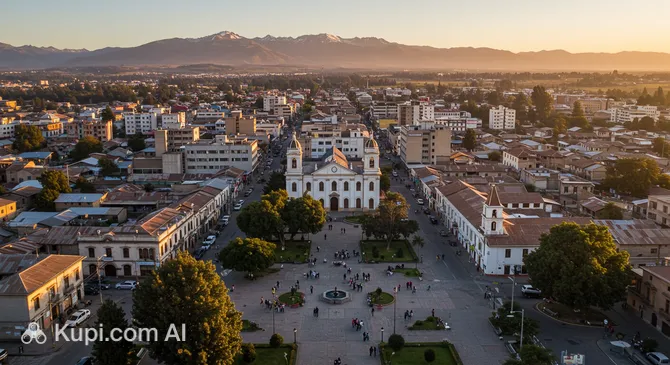
Ovalle. Illustration.
Source: Kupi.com AI

The rich culture and ancient history of Ovalle are inextricably linked to the heritage of indigenous peoples, particularly the Diaguita civilization. Tourists are drawn here not only for the chance to taste the best local wines but also for its unique attractions. Nearby lies the mystical "Enchanted Valley" (Valle del Encanto) with its thousand-year-old petroglyphs, while the city itself is home to the Limarí Archaeological Museum, which houses priceless artifacts of the past. Furthermore, thanks to the incredibly clear skies and lack of light pollution, this region is a magnet for astronomy enthusiasts.

Ovalle is a wonderful discovery for those seeking an authentic experience, looking to enjoy the tranquility of nature, and witness a starry sky of incredible beauty. This city invites you to slow down your pace of life, stroll through its sunny streets, and discover the secrets of one of South America's most fascinating valleys.

Weather Overview

Ovalle greets guests with a pleasant semi-desert climate that provides the region with a vast number of sunny days per year. Summer here, lasting from December to March, is warm and very dry: in January and February, daytime temperatures often rise to +27°C, while nights remain comfortable at around +15°C. Rain is exceptionally rare during this period, guaranteeing excellent conditions for vineyard walks and excursions.

Winter (June-August) is mild but requires warm clothing, especially for the evening. The average temperature in July is about +12°C, while at night the thermometer can drop to +6°C. Expect warm, rain-free summers and cool, dry winters with clear days. Even in the "wettest" month, June, the number of rainy days is minimal and rarely exceeds four. To know exactly what to pack, we recommend checking the current weather in Ovalle before your flight.

Average monthly temperature

Average monthly precipitation

Interesting Facts

Beyond its main attractions, Ovalle holds many fascinating secrets and stories that reveal themselves only to the most curious travelers. This city in the Limarí Valley can surprise even those who think they are well-acquainted with the geography of northern Chile.

Ovalle Fairgrounds. Illustration.
Source: Kupi.com AI

Traveler photos:

  • Industrial Past of the Market. The famous Ovalle Model Fair (Feria Modelo) is housed in buildings originally constructed as the Main Railway Workshops (Maestranza). Built in the early 20th century, this complex was designed for the repair of steam locomotives and railcars. Today, it is not just the largest indoor market in the north of the country but also a national historical monument, where trade in local products bustles under steel vaults.

  • The Desert's Green Heart. The central Plaza de Armas Ovalle is considered one of the most beautiful in the country due to its unique landscape design. An interesting fact: the layout of the square and the variety of trees planted are intended to represent the flora of the entire Limarí Valley, creating a true miniature botanical garden in the middle of the urban environment.

  • Giant Stones. The picturesque Los Peñones Park gets its name from the huge volcanic boulders ("peñones") scattered along the Limarí riverbed. These massive stone formations are natural sculptures, polished by water over millennia, and serve as a popular swimming spot for locals who believe in the special energy of this place.

  • The Water Giant. Located near the city is the La Paloma Reservoir (Embalse La Paloma), which is one of the largest irrigation reservoirs in all of South America. This colossal reservoir not only sustains agriculture in the arid climate but is also a center for water sports such as windsurfing and sport fishing.

How to Get There

When planning a trip to the Limarí Valley, it's important to consider logistics in advance, as the city is located away from the country's main highway. You can find more details on how to get to Ovalle to choose the most convenient route combining air and land transport.

Ovalle itself does not have its own civil airport for regular flights. The main gateway for tourists is La Florida Airport (IATA: LSC), located in the neighboring city of La Serena. It is approximately 76 km from Ovalle. This is a popular regional hub receiving flights from Santiago and other Chilean cities. The journey from the airport to Ovalle by taxi or transfer takes about 2 hours, passing through the scenic landscapes of the Coquimbo Region. There is also a theoretical possibility of arriving via Argentina using San Juan Airport (IATA: UAQ); however, it is located in the city of San Juan, 286 km away, and requires crossing a mountain border, making this option suitable only for complex multi-destination itineraries.

For clarity, here is a summary of the main airports you can use to plan your route:

AirportPassenger trafficDistance
La Florida Airport895 56176 km
Vina del Mar261 km
San Juan Airport189 000286 km

Since passenger rail service is practically non-existent in this region of Chile and there is no active train station in Ovalle, the primary land method for reaching the city is by road. An excellent highway (Ruta 43) leads from La Serena to Ovalle, with regular intercity buses and shuttle taxis. Traveling by bus is an economical and comfortable option that allows you to enjoy views of the semi-desert landscapes on your way to the "Pearl of Limarí."

Main Attractions

Ovalle is a city that knows how to surprise with its local flavor and careful preservation of history. While many travelers come here for the vineyards of the Limarí Valley, the city itself offers several iconic landmarks that allow you to feel its unique atmosphere, blending architectural heritage with natural beauty.

The heart of the city and a mandatory stop on any sightseeing itinerary is the Plaza de Armas Ovalle. This is not just an administrative center, but a true landscaping masterpiece. Designed with meticulous attention to detail, the square is famous for its diverse greenery, which reflects the flora of the entire valley. A walk here feels like a visit to a botanical garden, with fountains, shaded alleys, and a bandstand creating the perfect setting for relaxation. Locals take great pride in this spot, calling it one of the most beautiful squares in Chile.

Another major point of interest is the Ovalle Model Fair (Feria Modelo). This place is unique because it is housed in the historical buildings of former railway workshops, which are now recognized as a national monument. Life buzzes under the majestic vaults of the old hangars: you can find everything here, from the freshest fruits and famous goat cheese to handcrafted goods. Visiting the market is the best way to immerse yourself in the daily life of the locals and appreciate the agricultural wealth of the region.

Los Peñones Park. Illustration.
Source: Kupi.com AI

Traveler photos:

Nature lovers should head to Los Peñones Park, located on the banks of the Limarí River. The park's name translates to "The Big Rocks," which perfectly describes the site: the riverbed is decorated with massive volcanic boulders of whimsical shapes. This picturesque spot is ideal for picnics, peaceful walks, and swimming during the summer season. A sense of tranquility prevails here, allowing visitors to escape the city bustle and enjoy views of the Andean foothills.

Local Cuisine

Ovalle's culinary scene is a true mirror of the fertile Limarí Valley, where the sunny climate allows for the cultivation of delicious fruits and vegetables. The signature product of the city and the entire region is rightfully considered goat cheese (queso de cabra). It is produced here in huge quantities and in various styles: from young and tender to aged, with the addition of local spices like merkén (smoked chili pepper) or oregano. Travelers should definitely try this delicacy, which is often served as an appetizer or used in hot dishes.

Among the main dishes to sample, "cabrito al jugo" (stewed goat meat) stands out—it literally melts in your mouth. This hearty and flavorful dish is traditionally served with a side of potatoes or rice. On the city streets, you will often find "churrascas"—local flatbreads cooked on a grill or pan rather than in an oven. They are usually eaten warm, filled with that same goat cheese, avocado, or tomatoes. This is the perfect option for a quick and tasty snack while walking.

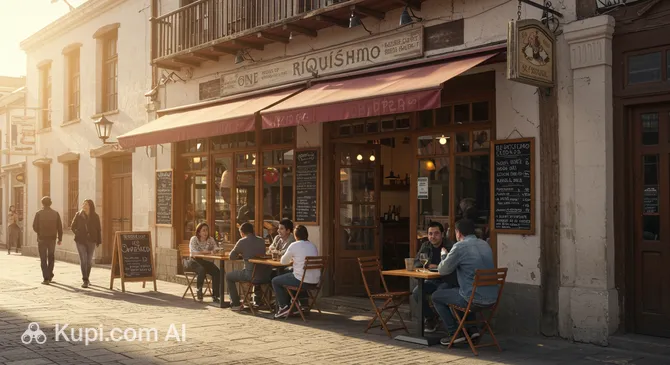
Riquísimo. Illustration.
Source: Kupi.com AI

Traveler photos:

As for drinks, Ovalle is in the heart of the region that produces pisco—Chile's national pride. Local vineyards yield grapes for the finest varieties of this spirit, so the "Pisco Sour" cocktail is prepared excellently here. The valley is also famous for its wines, especially white varieties, which acquire unique mineral notes thanks to the region's soil. Among non-alcoholic drinks, the king is papaya juice. The northern Chilean papaya differs from the tropical one: it is smaller, yellow, and has an incredibly intense aroma.

The food culture in Ovalle combines homey comfort with a love for fresh ingredients. To understand the taste of the city, head to where the locals shop—the famous Ovalle Model Fair. Here, you can not only buy fruit and cheese but also try authentic dishes in small cafes. For a more substantial lunch or dinner, the Rikisimo restaurant is perfect, offering guests a wide selection of local and international cuisine. You can end your gastronomic day at Fuente Toscana bar, enjoying a glass of wine or a cocktail in a pleasant atmosphere.

Travel Tips

Ovalle is a welcoming and sunny city, but to ensure your trip through the Limarí Valley goes perfectly, it's worth considering a few local nuances in advance. We've compiled a list of practical recommendations to help you easily navigate the city and avoid common tourist mistakes.

  1. Clothing and Sun Protection. The climate here is arid with significant temperature swings. It can be very hot during the day, but it cools down sharply after sunset, so dress in layers: bring light clothing for the day and a warm sweater or windbreaker for the evening. It is critically important to use sunscreen with a high factor (SPF 50+) and wear a hat, as UV radiation levels in this region are among the highest in Chile.

  2. Transportation Tips. The most convenient way to get around the city is using "colectivos" (black shared taxis). They run frequently, are inexpensive, and are faster than buses. If you plan to visit remote wineries or the Enchanted Valley, we strongly recommend renting a car, as public transport there is infrequent or non-existent.

  3. Finances and Cash. While large supermarkets and hotels accept cards, Ovalle is a traditional city. For purchases at the famous Feria Modelo market, paying for transport, and in small shops, you will definitely need Chilean pesos in cash. Try to carry small bills (1,000, 2,000 pesos) and coins, as vendors often don't have change for large banknotes.

  4. Health and Safety. Ovalle is a safe city, but you should watch your belongings at the market and in crowded places. The main health risks are dehydration and the sun. Always carry a bottle of water. Pharmacies (Farmacias) are easy to find in the center, and a duty schedule (de turno) for night hours is usually posted on the door.

  5. Language Barrier and Connectivity. Few people here know English, so download an offline translator and learn a few phrases in Spanish. For connectivity, it's better to buy a local SIM card (Entel or Movistar operators have good coverage in the region); this can be done at official stores or pharmacies in the center. Wi-Fi is available in most cafes and in the main square.

  6. Local Etiquette. Chileans are very friendly. When entering a shop or boarding a taxi, it is customary to say hello ("Buenos días" or "Buenas tardes"). In conversation, locals are open but value politeness. It's acceptable to haggle a bit at the market, but do so with respect for the farmers' work.

  7. What to Avoid. Do not touch or climb on petroglyphs and ancient stones in archaeological parks (such as Valle del Encanto). This is strictly forbidden by law to preserve heritage and can lead to heavy fines. Also, avoid walking in deserted outskirts alone without a supply of water and a charged phone.

  8. Consider the Siesta. Remember that Ovalle lives at a measured provincial pace. Many small shops, museums, and offices close for a lunch break (siesta) roughly from 1:30 PM to 4:00 PM. Plan your shopping and visits for the morning or evening to avoid finding closed doors.

By following these simple tips, you'll quickly feel at home in Ovalle and can focus on what matters most—enjoying the unique nature, history, and flavors of this amazing corner of the north.

Entertainment & Nightlife

Nightlife in Ovalle is characterized by a steady pace and a cozy atmosphere typical of smaller cities. You won't find noisy metropolitan raves here, but you can enjoy soulful evenings in the company of friends, excellent cuisine, and the famous local pisco. Most activity is concentrated in the city center and around the main pedestrian zones, where locals like to spend time after sunset.

The epicenter of evening strolls is traditionally the area around the central square. At night, the lights come on, and the streets fill with people. For the start of your evening, Rikisimo restaurant is an ideal choice. This establishment is popular with both tourists and locals due to its welcoming atmosphere and the opportunity to have a hearty dinner before heading out to explore the city's bar scene. The dress code in most places is casual: casual style is appropriate everywhere, from family cafes to bars.

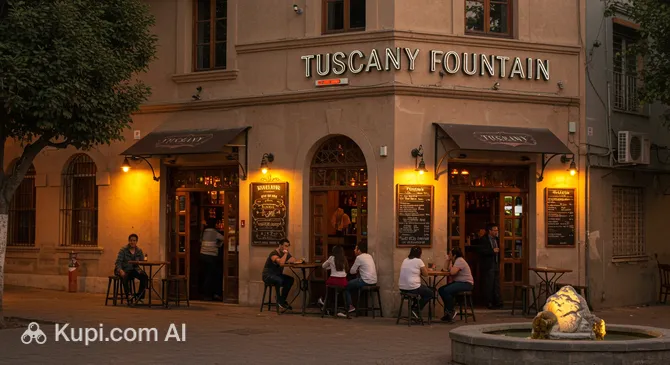
Tuscany Fountain. Illustration.
Source: Kupi.com AI

Traveler photos:

If you're looking for a place to relax with a glass of wine or a cocktail, look no further than Fuente Toscana bar. This is one of those locations where you can feel the rhythm of local life, listen to music, and socialize. For those seeking more active entertainment and games of chance, the large Ovalle Casino Resort operates in the city. Located slightly away from the old center, it is the main draw for those looking for concerts, shows, and dancing until dawn. Local bands often perform there on weekends.

In terms of safety, Ovalle is quite a calm city, and walking through the well-lit center (especially around Vicuña Mackenna street and the Paseo Peatonal pedestrian zone) is generally problem-free. Nevertheless, it is recommended to use official taxis or radio-taxis to move between venues at night or return to your hotel; these can easily be called by phone or through the establishment's reception. Prices for cocktails and dinner are lower here than in Santiago or touristy La Serena, making evening leisure quite affordable.

Speaking of cultural leisure that can precede nocturnal fun, the Municipal Theater of Ovalle (TMO) is worth mentioning. It is one of the most modern cultural venues in the Coquimbo Region, regularly hosting plays, concerts, and film screenings. A visit to the theater is an excellent way to start the evening before dinner at one of the city's restaurants.

Parks & Museums

Ovalle offers travelers a fascinating blend of natural beauty and deep historical heritage. The city, located in an arid zone, has managed to create unique green oases, and its museums carefully preserve the memory of the ancient civilizations that inhabited this land long before the arrival of the Spanish.

Among the city's green spaces, the absolute leader is the Plaza de Armas Ovalle. This place is rightfully considered one of the most picturesque urban squares in Chile. It is designed like a true botanical garden, where you can take refuge from the midday heat in the shade of trees representing the flora of the entire Limarí Valley. A walk here is not just relaxation, but an introduction to the botanical diversity of the region accompanied by the sound of soothing fountains.

For lovers of relaxation by the water, Los Peñones Park is an ideal spot. This natural park is located along the riverbank and is famous for its huge volcanic boulders, which create a unique landscape. Tourists come here to have a picnic with a view of the Andean foothills or to swim in the cool waters of the river on a hot summer day. This is a great location for those who want to feel the power of nature without traveling far from the city limits.

The cultural life of the city is unthinkable without the Limarí Museum (Museo del Limarí). Housed in the historic building of a former railway station, it boasts an impressive collection of Diaguita culture ceramics. The museum's exhibition allows for a detailed study of the daily life, art, and beliefs of the indigenous peoples of the north, making it a must-visit for anyone interested in South American archaeology and history.

Another important site combining history and architecture is the Ovalle Model Fair (Feria Modelo). Although it is a bustling market today, the complex of former railway depot buildings itself is an open-air museum showcasing the city's industrial past. The metal structures and vaults from the early 20th century create a unique atmosphere for getting to know local trade traditions.

Insider tip: if you have time to venture outside the city, be sure to visit the Enchanted Valley (Valle del Encanto), located just 20 km from Ovalle. This is a mystical place where you can find ancient petroglyphs and pictographs left by pre-Columbian cultures among cacti and rocks. A visit to this archaeological site provides the feeling of a true journey back in time.

Getting Around

The transport system in Ovalle is simple and straightforward, which is typical for small cities of this size. There is no metro, trams, or trolleybuses, and the main way for locals and tourists to get around is by buses and shared taxis. The city is quite compact, so many attractions in the center can easily be reached on foot; however, for trips to outlying areas or to your accommodation, you will likely need transport.

The most popular and fastest type of transport is colectivos. They look like ordinary black sedans, but they have signs on the roof indicating the route number and main stops. Colectivos run on fixed routes like buses but provide the comfort of a passenger car. You can stop such a car with a wave of your hand anywhere along its route and get out by asking the driver to stop. This is a unique feature of the local transport culture, combining the convenience of a taxi with the affordability of public transport.

The second common option is city buses, which are called micros here. They run along the main streets and connect the center with the outskirts. Buses run less frequently than colectivos and move more slowly, but the fare is cheaper. This is a good option if you need to get to the bus station or if you are not in a hurry and want to save money.

The payment system in Ovalle is conservative: complex transport cards or mobile apps for validation, like in the capital, are not used here. Fares are paid exclusively in cash to the driver upon boarding. The fare is fixed and low. We strongly recommend always having small coins and bills (100, 500, or 1,000 pesos) with you, as drivers often do not have change for large banknotes.

As an alternative to public transport, you can use taxi services. Official "radio taxis" (Radio Taxi) operate in the city and are considered the safest and most reliable; it's best to call them by phone or ask the hotel reception to order one. Popular international ride-hailing apps may work intermittently or have few cars on the line, so you shouldn't rely solely on them.

If you plan to explore not only the city itself but also the picturesque surroundings of the valley, the best solution is car rental. This will give you full freedom of movement and allow you to reach remote wineries and natural parks where public transport is rare. Rental points can be found in the city center, but it's better to book a car in advance, especially during the high tourist season.

Accommodation

Accommodation options in Ovalle, while not possessing metropolitan grandiosity, are more than capable of satisfying the needs of most travelers. The city's hotel infrastructure is geared toward tourists visiting for wine tours and astronomy, as well as business travelers. Here, you can find everything from budget guesthouses to very comfortable hotels offering a high level of service.

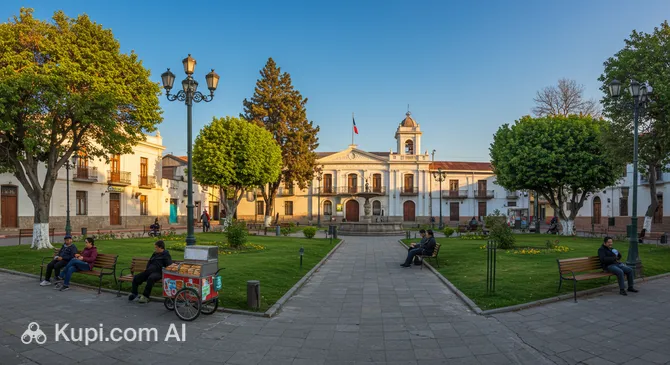
In terms of location, the most convenient area to stay is the historic city center (Centro). By staying here, you will be within walking distance of shops, restaurants, and transport hubs. The central Plaza de Armas Ovalle serves as a landmark. Staying within the grid of streets around it will allow you to enjoy evening strolls in the city's greenest zone without spending time on taxis.

Ovalle Main Square. Illustration.
Source: Kupi.com AI

Traveler photos:

For those seeking peace and connection with nature, an excellent choice would be the so-called "cabañas"—cozy small houses or cottages located on the outskirts of the city or along the road to the Río Limarí valley. This is a popular accommodation format in Chile, often including its own kitchen and barbecue area, which is perfect for families or groups of friends. Additionally, the city has a modern hotel complex at the casino, which offers 4-star level amenities for those who prefer maximum comfort.

Booking Tips:

  • Seasonality: The peak tourist season falls during the Chilean summer (December to February) and holiday weeks. During this time, as well as during the Harvest Festival (Fiesta de la Vendimia), demand for accommodation spikes. We recommend booking rooms at least a month before your trip.
  • Prices and Payment: The price range in Ovalle is lower than in neighboring touristy La Serena or Santiago. A budget room can cost from 25,000-30,000 pesos, while a comfortable hotel starts from 60,000-70,000 pesos per night.
  • Booking Methods: Large hotels are listed on international aggregator platforms. However, many small family guesthouses (residenciales) and cabañas are better booked directly through their websites or messaging apps (WhatsApp is very popular in Chile), where you can find better deals or negotiate a discount.

Nearby Cities

For those looking to explore the surroundings, Ovalle serves as an excellent starting point for day trips to several interesting nearby locations. The city's location in an inland valley makes it easy to reach the Pacific coast, where completely different landscapes and atmospheres await travelers.

The most popular destination is La Serena—Chile's second oldest city and the regional capital. It is famous for its well-preserved colonial architecture, the long Avenida del Mar promenade, and the iconic Faro Monumental lighthouse. It is an ideal place to enjoy a beach holiday and visit historic churches.

Very close to La Serena is the port city of Coquimbo. It offers a more lively and laid-back atmosphere with active nightlife and magnificent fish markets. One of the main attractions here is the giant Cruz del Tercer Milenio (Cross of the Third Millennium) monument, which offers panoramic views of the bay.

CityPopulationDistance
Punitaqui10 95626 km
Andacollo11 04442 km
Combarbala13 60566 km
Coquimbo204 06873 km
La Serena195 38278 km

These nearby destinations provide insight into the diverse culture and landscapes of the region, harmoniously complementing the experience of visiting the Limarí Valley.

Shopping & Souvenirs

Shopping in Ovalle is an opportunity to immerse yourself in local flavor rather than a pursuit of global brands. While there are modern retail outlets, the main value for a tourist lies in authentic products and handcrafted goods. As the capital of an agricultural province, the city offers a magnificent selection of fresh gifts from the earth that the Limarí Valley is famous for.

Most commercial life hums in the city center. The main artery for shopping enthusiasts is the Paseo Vicuña Mackenna pedestrian street (Paseo Peatonal). A variety of clothing and shoe stores, pharmacies, and small shops are concentrated here. A walk down this street allows you to combine shopping with observing city life. It is also worth checking out neighboring streets, such as Benavente, where various commercial galleries are located.

For those accustomed to modern retail formats, the Open Plaza Ovalle shopping center operates in the city. This is a classic mall featuring well-known Chilean department stores, supermarkets, electronics, and sports goods shops. It also houses a food court and a cinema, making it a convenient place for family leisure and buying everyday items.

Ovalle Fairgrounds. Illustration.
Source: Kupi.com AI

Traveler photos:

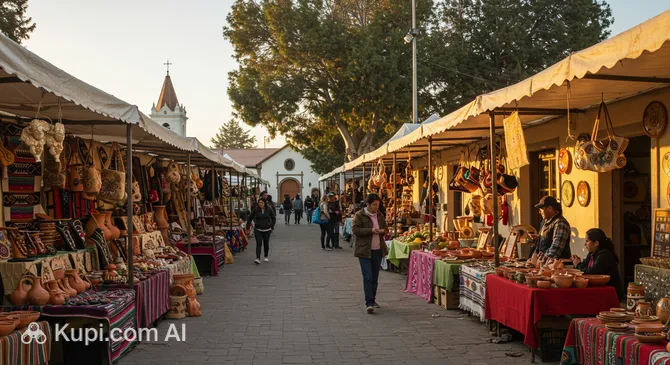
However, the true jewel of shopping in Ovalle is the Ovalle Model Fair (Feria Modelo). This place is a must-visit not only for shopping but also as a cultural site. The market is located in the massive hangars of former railway workshops. Here you will find the region's best fruits and vegetables, spices, flowers, and artisanal goods. This is the heart of local trade, where prices are affordable and product quality is top-notch.

As souvenirs from Ovalle, it is worth bringing back gastronomic specialties. First and foremost is the famous goat cheese (queso de cabra), which is made here with various additions. Sweets and preserves made from local papaya, olive oil, and, of course, a bottle of good pisco from the Limarí Valley are also popular. Craft lovers will enjoy ceramic items with Diaguita culture patterns or alpaca wool textiles.

Shops in Ovalle usually open from 9:00 or 10:00 AM until 8:00 or 9:00 PM. It is important to remember that small private shops may close for a siesta in the middle of the day (roughly from 1:30 PM to 4:00 PM), while large supermarkets and the Open Plaza mall work without a break. Credit cards are accepted without issue in malls and large stores, but for visiting the Feria Modelo market and small kiosks, be sure to have cash pesos on hand.

Regarding the Tax Free system, it is not common for retail purchases in Ovalle, as in most standard Chilean cities. VAT (IVA) refunds for tourists upon leaving the country for purchased goods are practically not practiced here, except for special duty-free zones in other regions. Therefore, you should not count on a tax refund for souvenirs or clothing.

Nearby cities

Reached the end of the page?

That means the route is fully explored