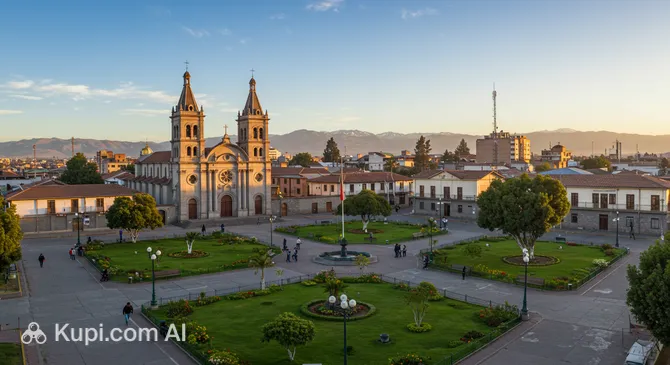
Talca is the heart of the Maule region and one of the most significant cities in the central part of the country. Nestled comfortably in the fertile Central Valley on the banks of the Maule River, this city serves as an ideal starting point for exploring the real Chile. It harmoniously blends the tranquility of green spaces with the dynamic rhythm of modern life, and the mild climate makes staying here comfortable and pleasant for long walks.
Talca. Illustration.
Source: Kupi.com AI
Today, Talca is home to more than 206,000 people. As the administrative center of the province, the city plays an important role in culture and education: universities, theaters, and museums thrive here, filling the streets with youthful energy. However, local residents take special pride in the rich history of Talca. It was here in 1818 that the famous Act of Independence was signed, forever securing the city's status as a national symbol of freedom.
Travelers are drawn not only by the architecture and historical sites but also by the unique surrounding nature. The city is encircled by picturesque hills and endless vineyards, where the region's magnificent wines are born. The combination of traditional hospitality, gastronomic discoveries, and cozy shaded alleys makes Talca a wonderful place for those who want to immerse themselves in an authentic atmosphere and relax their soul.
Weather Overview
Weather:
The climate in Talca can be characterized as warm Mediterranean, with clearly defined seasons. Summer here lasts from December to February and delights travelers with sunny and hot weather. The warmest month is January, with an average temperature of 21.7°C and daytime maximums reaching 29.3°C. During this period, precipitation is practically absent, making summer an ideal time for walks and excursions.
Winter, arriving in June, brings cool temperatures and more humidity. July is usually the coldest month of the year: the average temperature drops to 8.6°C, while night readings can reach 3.8°C. June stands out for the highest number of rainy days—precipitation occurs an average of 12 days during the month. If you are planning a visit at this time, the current weather in Talca will help you choose the right clothing and prepare for the whims of nature.
Spring and autumn serve as a pleasant transition between seasons: for example, in November, the air already warms up to a comfortable 17.5°C. Overall, expect a hot, dry summer and a cool winter with occasional rains, which creates unique conditions for the local nature to flourish.
Average monthly temperature
Average monthly precipitation
Interesting Facts
In addition to its main attractions, Talca holds many fascinating secrets and important historical moments that make it unique. Often overshadowed by the capital, this city played a key role in the formation of the Chilean state and possesses a special charm.
The Cradle of Independence. Talca holds a special place in the country's history because it was here, on February 2, 1818, that the national hero Bernardo O’Higgins signed the Act of Independence of Chile. This event forever established the city's status as a symbol of freedom.
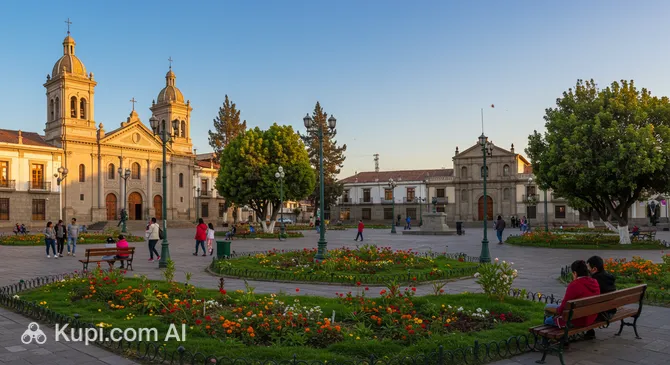
French Charm in the City Center. The main square, Plaza de Armas in Talca, differs from many other squares in Chile. It is decorated with elegant sculptures brought from France, giving the area a sophisticated European atmosphere and making it a favorite place for walks.
Home of a Hero and Art. The historic building where Bernardo O’Higgins himself once lived has been transformed today into an important cultural center—the O'Higgins and Fine Arts Museum. Here, you can not only learn more about the struggle for independence but also view the works of talented local artists.
A Hidden Natural Paradise. Very close to the city lies the picturesque Lake Vichuquén. This spot, hidden from mass tourism, is considered a true paradise for lovers of peace, fishing, and water sports, where locals enjoy visiting on weekends.
Plaza de Armas of Talca. Illustration.
Source: Kupi.com AI
Traveler photos:
How to Get There
Reaching Talca is quite straightforward as it is located on the main transport artery of central Chile. The well-developed transport infrastructure makes it easy to travel here from the capital or other regions. If you want to plan your route in maximum detail, we recommend exploring all ways to get to the city to choose the most suitable option.
Talca itself does not have an airport that handles regular commercial flights, but you can fly into one of the major aviation hubs nearby. The primary option for most international tourists is Arturo Merino Benítez Airport (IATA: SCL) in Santiago. It is located approximately 239 km from Talca. This is the country's main and busiest airport. From Santiago Airport, you can reach Talca by rental car or direct bus; the travel time is about 3–3.5 hours on a good highway.
An alternative option is Carriel Sur Airport (IATA: CCP), located in the city of Concepción, about 196.5 km south of Talca. This is an important regional hub with medium passenger traffic. The journey from here by taxi or bus takes about 2.5–3 hours. Choosing this airport can be convenient if you are planning a trip through the southern part of central Chile.
For convenience, here is summary information on the main airports:
Railway travel is one of the most comfortable and fastest ways to get to Talca. The city is located on the country's main railway line, served by modern EFE (Tren Central) trains. You can board a train in Santiago (at Alameda station) and travel to the Talca station, which is located right in the city center. The trip takes less than 3 hours and allows you to enjoy scenic views of the Central Valley without traffic jams. Additionally, the famous tourist "ramal" train to the coast (the city of Constitución) departs from the Talca station.
Talca is also excellently connected to other cities by bus service. The city sits directly on the Pan-American Highway (Ruta 5 Sur), so comfortable intercity buses from companies like Turbus, Pullman Bus, and others regularly stop here on their way from Santiago, Valparaíso, Viña del Mar, and southern cities.
Main Attractions
The city of Talca, serving as the administrative center of the Maule region, offers tourists an interesting mix of historical monuments, green zones, and modern entertainment. It is best to start exploring the city from its central locations, where life is in full swing and local flavor can be felt everywhere.
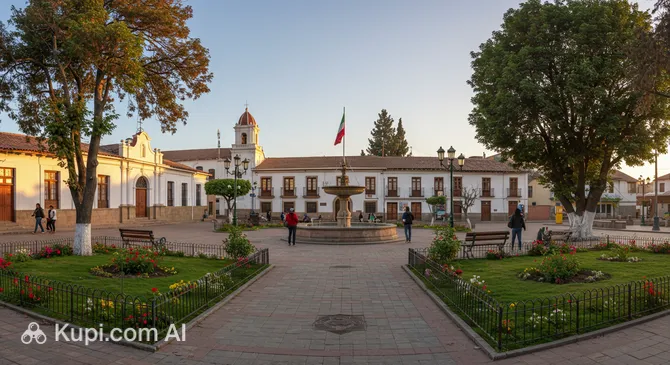
The absolute heart of the city is the Plaza de Armas in Talca. This is not just the main square, but a real center of attraction for both locals and visitors. Here, you can see a harmonious coexistence of old architecture and nature: shaded paths, fountains, and sculptures create a cozy atmosphere. The main historical buildings are concentrated around this square, making it the most convenient starting point for walking tours of the city.
Another important green area and historical site is Plaza La Victoria. It attracts visitors with its calm atmosphere and well-maintained appearance. It is an excellent spot for those looking to take a break from the urban bustle, enjoy the silence, or take beautiful photos against the backdrop of local flora. The square plays an important role in the city's cultural life and often serves as a venue for various events.
Talca Casino. Illustration.
Source: Kupi.com AI
Traveler photos:
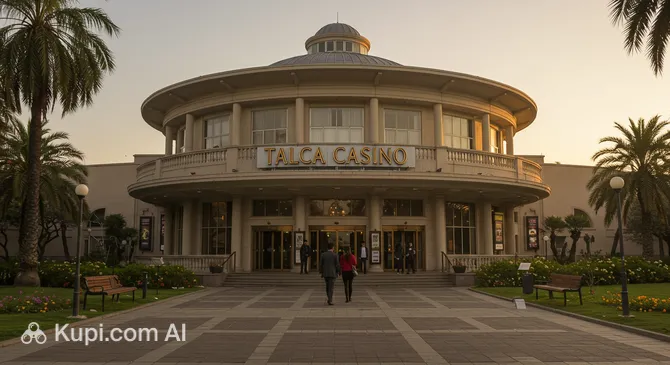
For fans of gambling and vibrant evening shows, the main point of interest is the Casino Talca. This is a modern entertainment complex that offers not only gaming halls but also an extensive cultural program. Concerts, performances by artists, and themed parties take place here regularly, making the casino one of the hubs of the region's nightlife.
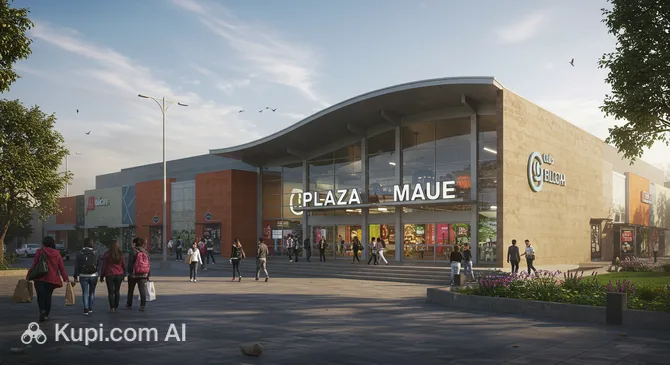
If you are interested in the modern rhythm of life, it is worth stopping by the Plaza Maule Shopping Center. While it is primarily a shopping destination, it has become an important social space where you can find excellent restaurants, a cinema, and relaxation zones popular with locals on weekends.
Local Cuisine
The local cuisine of Talca is a true reflection of the generous Maule region. Here, in the heart of Chile's agricultural belt, culinary traditions are built on using the freshest farm products: juicy vegetables, fruits, and, of course, excellent quality meat. The dishes here are simple, hearty, and prepared with home-cooked warmth, making them especially appealing to travelers.
A mandatory item on the gastronomic program should be empanadas. These fragrant pastries are prepared here with special skill, filled with minced beef, gooey cheese, seafood, or vegetables. At lunchtime, locals often choose cazuela—a thick and hearty soup with a large piece of meat, potatoes, squash, and a corn cob. Another culinary hit is pastel de choclo, a tender casserole made of sweet corn puree with a meat filling, traditionally baked in clay dishes.
Donde Alex. Illustration.
Source: Kupi.com AI
Traveler photos:
It is impossible to talk about Talca's cuisine without mentioning wine. The city is surrounded by the famous vineyards of the Maule Valley, one of the oldest wine-producing regions in the country. Local red and white wines are distinguished by their rich bouquet and perfectly complement any meal. Gastronomic festivals dedicated to wine and national treats regularly take place in the city, gathering foodies from all over the area.
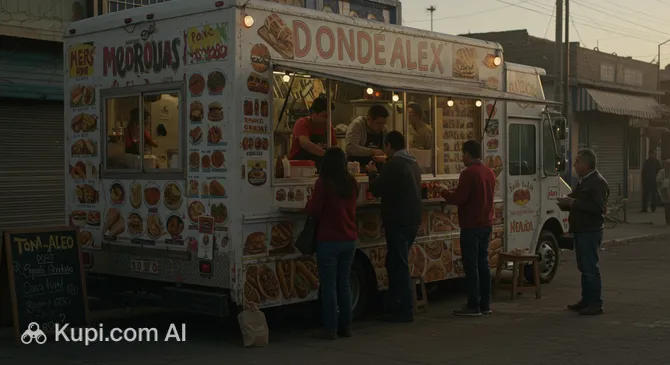
To immerse yourself in the local lifestyle, it is worth visiting the central market, where stalls abound with fresh cheeses, smoked meats, and street food. If you are looking for a cozy place for dinner, pay attention to popular city establishments. For example, the Donde Alex restaurant is famous for its hospitality and delicious food. Also well-known among locals is the El Rey restaurant, where you can appreciate authentic Chilean dishes in a relaxed setting.
Travel Tips
A trip to Talca promises to be comfortable and memorable if you consider a few local features in advance. This city in the Maule region is characterized by a calm pace of life and hospitality, but knowing practical nuances will help you feel at home here and avoid minor misunderstandings.
Clothing and Climate. The weather in the Central Valley of Chile is changeable: it can be hot during the day, and temperatures drop sharply by evening. Even if you are traveling in summer (December–February), be sure to bring a light jacket or sweater for evening walks. In winter (June–August), waterproof shoes and an umbrella will come in handy as rains here can be prolonged.
Transport Nuances. For getting around the city, it is most convenient to use "colectivos"—black sedans that work like shared taxis with fixed prices. They are faster than buses and run more frequently. Apps like Uber also work excellently. It is only worth renting a car if you plan trips to wineries or the coast.
Money and Payment. The currency is the Chilean peso (CLP). Cards are accepted in supermarkets, hotels, and large restaurants, but for public transport fares, purchases at the market, or in kiosks, you will definitely need cash. ATMs (Redbanc) are located in the center and in shopping malls. It is customary to leave a tip (propina) of 10% of the bill.
Health and Sun. The sun in Chile is very active due to the thin ozone layer, even in cloudy weather. Using sunscreen with high SPF is mandatory. Tap water in Talca is considered safe, but tourists with sensitive stomachs are better off buying bottled water. Large pharmacy chains (Cruz Verde, Ahumada) stay open late, and there are duty pharmacies.
Language Barrier. The main language is Spanish, and the Chilean dialect is full of slang and characterized by fast speech. English is not understood everywhere, so download an offline translator or learn basic phrases ("Hola", "Gracias", "Cuanto cuesta?"). You can buy a SIM card at mobile shops in the center or in the Plaza Maule Shopping Center (a passport is required).
Local Etiquette. Chileans are very friendly. When meeting, even people of the opposite sex who are barely acquainted often kiss each other on one cheek. In shops and when boarding transport, it is customary to say hello. Politeness and a smile open any doors here.
What to Avoid. You should not walk alone on the outskirts of the city late at night—stick to the center and well-lit streets. Also, avoid buying food from unlicensed street vendors if you are not sure of the sanitary conditions, to avoid spoiling your vacation with an upset stomach.
Local Life Hack. Talca is famous for its hot dogs, which are called "completos" here. A unique feature of the city is that the bread for them is not toasted but steamed (completos talquinos or "mojados"). Be sure to try this dish in local cafes to form your own opinion on the citizens' culinary pride.
Talca is a city that reveals itself to those ready to slow down and enjoy the moment. By following these simple tips, you can easily blend into local life, safely explore the city, and take away only the warmest impressions from the heart of Chilean winemaking.
Entertainment & Nightlife
Nightlife in Talca, fueled by the energy of its large student community, offers tourists a lively and relaxed atmosphere. As the sun sets, the city transforms, and its streets fill with music and laughter. You can find entertainment for every taste here: from cozy pubs with craft beer to noisy discos and elegant venues for evening relaxation.
The epicenter of evening activity is the pedestrian zone and boulevard known as Diagonal Isidoro del Solar, which connects the central square with the university. This is the area where most bars, pubs, and cafes are concentrated. It is customary here to hop from one establishment to another, enjoying socializing and drinks. The atmosphere on the "Diagonal" is casual and friendly, with a relaxed dress code in most places, allowing you to feel comfortable in any attire.
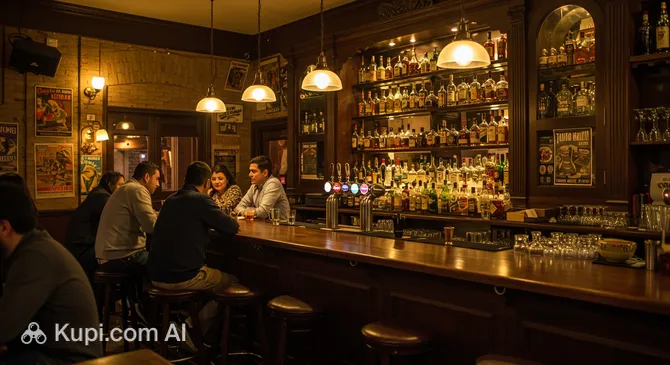
Among the popular spots, the bar Ambar stands out. This venue attracts visitors with its stylish interior, excellent selection of cocktails, and laid-back environment, perfect for starting an evening with friends. It can get quite crowded on weekends, so it is best to arrive early to secure a comfortable table.
Ámbar. Illustration.
Source: Kupi.com AI
Traveler photos:
For those seeking more vibrant experiences and dancing until dawn, the area around the Plaza Maule Shopping Center and the adjacent Casino Talca becomes the main attraction. This is not just a place for gambling, but a large entertainment complex with a concert venue, restaurants, and a nightclub. Famous Chilean artists often perform here while on tour, and parties continue until sunrise. For visiting the casino and clubs in this area, smart casual attire is recommended.
Practical Tips: Nightlife in Talca starts quite late—bars fill up by 10:00 PM, and clubs after midnight. The average check in bars is quite affordable, with cocktail and snack prices being lower than in the capital. From a safety perspective, the central districts and the casino zone are considered calm; however, it is better to return to your hotel at night by taxi or via apps (Uber, DiDi), avoiding long walks through deserted streets.
If you are interested in daytime and cultural entertainment, Talca can offer a visit to the Maule Regional Theater (TRM), which is famous for its acoustics and high-quality productions. It is also worth dedicating time to museums and walks through city parks, which provide a pleasant contrast to the city's lively nightlife.
Parks & Museums
The city of Talca offers tourists a harmonious combination of green oases and deep historical heritage, allowing them to take a break from the hustle and bustle and immerse themselves in the culture of the Maule region. Here, ancient architecture coexists with well-maintained parks, creating ideal conditions for leisurely walks and educational tourism.
One of the most favorite vacation spots for residents and travelers is the University of Talca Botanical Garden. This is a vast green zone where you can see not only a variety of local flora but also visit an educational farm with animals, making the park a great place for a family visit. Another important natural artery of the city is the Alameda Bernardo O’Higgins—a long boulevard with shady trees, perfect for morning jogs or evening strolls.
La Victoria Square. Illustration.
Source: Kupi.com AI
Traveler photos:
The Plaza La Victoria deserves special attention. This park is distinguished by its calm and peaceful atmosphere. It is pleasant to sit on a bench here, admiring the fountains and well-kept flower beds. For tourists, this place is interesting as an example of classic urban landscape design, where you can take beautiful photos and feel the steady pace of life in Talca.
The cultural heart of the city beats in its museums. The most important of them is the O'Higgins and Fine Arts Museum, located in a historic mansion where the country's founding father Bernardo O’Higgins lived. The museum's exhibition tells of the period of the struggle for Chilean independence and presents a collection of paintings by Chilean artists. It is also worth visiting the Villa Cultural Huilquilemu, located in the outskirts. This is a magnificent example of 19th-century colonial architecture with a museum of religious art and ethnography, surrounded by a picturesque park.
The central point of any tourist route is invariably the Plaza de Armas in Talca. This square is not just an administrative center but a real open-air museum, decorated with sculptures and surrounded by historic buildings. This is where the spirit of the city is most vividly felt.
For those seeking special experiences, we recommend climbing Cerro de la Virgen (Virgin Hill). This is an observation deck offering a breathtaking panorama of the entire city and the Claro River valley, especially impressive at sunset.
Getting Around
Getting around Talca is convenient and inexpensive, and the city's transport system has its own colorful features. The city center is quite compact and invites walking, but for trips to remote areas, universities, or shopping centers, you will need to use local transport.
The most common way to get around is the city buses, which locals call "micros". Routes and major stops are usually written on signs placed on the windshield. Stops are not always strictly regulated: to catch a bus, you need to wave your hand at the driver, and before getting off, press the bell button or warn the driver verbally in advance.
A very popular and convenient alternative are the "colectivos". These are shared taxis, which are black sedans with a route number on a sign on the roof. They follow fixed paths like buses but are much faster and more comfortable. "Colectivos" can pick up or drop off a passenger anywhere along the route where it is not prohibited by rules. The fare is slightly higher than on a bus, but it is a great way to save time.
It is important to remember that unified transport cards (such as Bip! in Santiago) do not work in Talca. Payment for bus and colectivo rides is made exclusively in cash to the driver upon entry. Fares are fixed and affordable. Tourists are strongly recommended to always carry small bills and coins, as drivers often do not have change for large banknotes.
If you prefer individual transport, mobile taxi apps such as Uber and DiDi are active in the city. This is the most reliable option for tourists, especially in the evening and at night when public transport runs rarely. Traditional taxis (black cars with yellow roofs) are also available at special stands or by call, but make sure the driver turns on the meter before the trip.
A unique feature of Talca's transport system is the historic railway line to the coast. The famous ramal train (Ramal) departs from the city station—the last passenger narrow-gauge train in the country. Although it functions as regular public transport connecting the city with villages along the river, for travelers, it is a real attraction and an opportunity to take a scenic journey.
Accommodation
In Talca, travelers will find a fairly wide range of accommodation options that match the city's status as the regional administrative center. Since the city often serves as a transit point or a base for business trips, functional and comfortable lodging options prevail here. The tourist infrastructure includes classic mid-range hotels, cozy family guest houses, and budget hostels for young travelers.
When choosing a place to stay, it is worth focusing on two main areas. The Historic Center (Centro) is suitable for those who want to be within walking distance of the main attractions, museums, and the bus station. This is a bustling and lively part of the city where many affordable hotels and hostels are concentrated. If you are looking for a quieter, more modern, and upscale atmosphere, look into the Eastern Sector (Sector Oriente). This district is developing rapidly and is considered the most prestigious place to live.
Higher-class hotels are located specifically in the eastern part of the city, near major shopping centers and entertainment complexes. For example, the area where Casino Talca is located is famous for its safety and developed infrastructure. Staying here puts you surrounded by modern restaurants and parks, although you will need to take a taxi or public transport to reach the historic center.
Accommodation types and prices:
Hotels (3-4 stars): Offer a standard set of services, including breakfast, Wi-Fi, and parking. This is the choice of business travelers and families. Prices range from medium to high.
Apart-hotels and apartments: A popular option for long-term stays. Many tourists prefer renting apartments through online platforms to have their own kitchen.
Residenciales (Guest Houses): A traditional Chilean budget lodging format. These are often large converted houses where rooms are rented out. Conditions are modest, but the atmosphere is very homey and welcoming.
Booking tips: Talca is not a mass resort destination, so it is almost always possible to find a free room. However, if your trip falls in February, during the city's large-scale Independence Festival (Fiesta de la Independencia), or during major agricultural exhibitions, you should book accommodation in advance—about 2–3 weeks ahead. It is convenient to use international aggregators for booking large hotels and apartments, but for small hostels and residenciales, it is often better to search via maps and contact the owners directly.
Nearby Cities
For those who want to explore the surroundings, Talca serves as an excellent starting point for day trips to several interesting nearby locations. The city's central location makes it easy to reach both majestic mountains and the picturesque Pacific coast.
One of the most popular destinations is Constitución. This coastal city attracts tourists with its black sand beaches and impressive rock formations, such as the famous Piedra de la Iglesia. A special charm is added to the trip by the opportunity to travel there on the historic ramal train, which departs directly from Talca and follows the scenic Maule River.
Nature lovers should look toward San Clemente. Located just a short drive to the east, this town serves as a gateway to the foothills of the Andes. From here, the path opens to the Altos de Lircay National Reserve, where travelers will find dense forests, waterfalls, and breathtaking trekking routes. It is an ideal place for those seeking peace and connection with nature.
If you are interested in gastronomy and history, head to Curicó. The city is known as a center of winemaking, surrounded by the famous vineyards of the Curicó Valley. Besides wine tasting, you should definitely try the local sweets—"tortas de Curicó," which have become a true culinary symbol of the region.
City
Population
Distance
Maule
38 270
11 km
San Clemente
43 269
19 km
San Javier
29 017
20 km
Villa Alegre
14 695
29 km
Espejo
98 804
30 km
These nearby destinations provide insight into the diverse culture and landscapes of the region, making your stay in Talca even more rewarding.
Shopping & Souvenirs
Shopping in Talca is an opportunity to combine pleasant purchases with an immersion into the daily life of the Maule region. While the city does not claim to be a high-fashion capital, it offers a great balance between modern shopping malls and colorful shops. Here, you can find both familiar global brands and unique local goods reflecting the rich agricultural and craft traditions of the valley.
The heart of the city's commercial life is the central street 1 Sur (Calle 1 Sur). This is a lively pedestrian artery where many clothing, shoe, and electronics stores, as well as pharmacies, are concentrated. Walking down this street allows you to feel the rhythm of the city: it is always crowded, street musicians play, and the windows are full of diverse offers. Department stores of major Chilean chains, popular among locals, are also located in this area.
For those who prefer comfort and a wide selection in one place, modern malls operate in Talca. One of the most popular places for family relaxation and shopping is the Plaza Maule Shopping Center. It is located in the eastern part of the city and offers not only famous brand stores but also entertainment zones, a cinema, and a large selection of restaurants. It is an ideal place to spend a rainy day or evening.
Plaza Maule Shopping Center. Illustration.
Source: Kupi.com AI
Traveler photos:
Another important point on the shopaholic's map is the Portal Centro Shopping Center. It is located in the very heart of the city, just a few blocks from the main square. This modern multi-story building is convenient for tourists staying in the center, as they can quickly buy everything they need, from clothes to souvenirs and groceries at the supermarket.
If you are looking for authentic experiences and fresh products, be sure to visit CREA (Regional Supply Center). This is the city's main market, where farmers from across the region sell the freshest fruits, vegetables, cheeses, and spices. An indescribable atmosphere reigns here: vibrant colors, aromas, and lively conversation. This is the best place to buy local delicacies at great prices.
As souvenirs from Talca, it is worth bringing back what this region is famous for. First and foremost, this is wine from the Maule Valley—a region known for its vineyards. A bottle of good Carmenere or Cabernet Sauvignon makes an excellent gift. Also, look out for handmade wool products (ponchos, hats) and traditional Chilean jewelry made of lapis lazuli and copper. Those with a sweet tooth will enjoy local jams and quince paste.
Shops in the city are usually open from 10:00 AM to 8:00 PM or 9:00 PM. Large shopping centers are open daily, while small shops may be closed on Sundays or Saturday afternoons. Credit cards are accepted almost everywhere, but for purchases at markets and kiosks, it is better to carry cash pesos.
The Tax Free system in Chile is not as common for ordinary purchases as it is in Europe. VAT refunds for tourists are generally not provided in standard city shops, so you should not count on a discount upon departure. The prices on the tags are final and already include all taxes.