Support

Hangzhou (Railway Station)

About the Station

Hangzhou Railway Station (often referred to by locals as Chengzhan or "City Station") is one of the city's key transport hubs and an important historical point on China's railway map. The station serves both conventional long-distance trains and select high-speed lines, connecting Hangzhou with Shanghai, Beijing, and other major metropolises. Thanks to its convenient location relative to the city centre and West Lake, this station remains a popular choice among tourists.
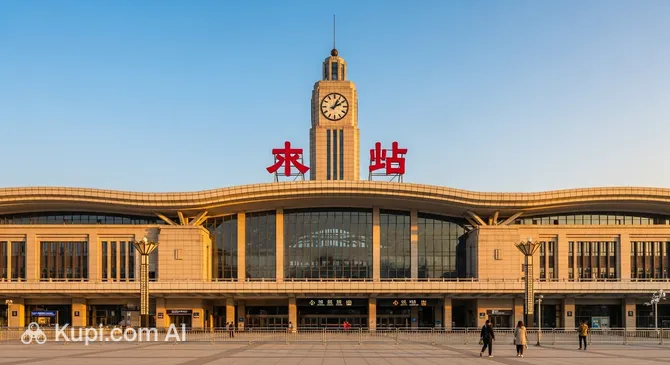
Hangzhou Railway Station. Source: Kupi.com Binoculars

The station building features recognizable architecture that combines modern elements with traditional motifs. Passengers have access to well-developed infrastructure, including direct transfers to the metro and comfortable waiting areas.

CityHangzhou
CountryChina
TypeRailway Station

Important Passenger Information: The station features clear signage in both English and Chinese. The main entrance leads to the central hall with ticket counters and security checkpoints. Platforms are located on the lower levels, while waiting halls are on the upper levels. For seamless transfers, the station is integrated with the Chengzhan metro station (Lines 1 and 5), allowing you to quickly reach any part of the city immediately upon arrival.

Contact Information

  • Official Website (booking and schedule): www.12306.cn (China Railway unified portal)
  • Inquiry Service Phone: +86 12306 (general hotline, English language option available)
  • Address: 1 Huancheng East Road, Shangcheng District, Hangzhou, China (No.1 Huancheng Dong Lu)
  • Opening Hours: The station is open 24 hours a day; ticket counters operate on a shift schedule (usually from early morning to late evening), while self-service machines are available 24/7.
  • Luggage Storage: Available in the waiting hall and on the station square (paid service, rates depend on luggage size).
  • Accessibility: The station is equipped with elevators and ramps for passengers with reduced mobility; an assistance service is available (booking in advance is recommended).

Getting There

Getting to Hangzhou Railway Station is quite simple, as it is located within the old city limits.

Metro: The fastest and most reliable method. You need Chengzhan station (城站), which is served by Line 1 and Line 5. Metro exits lead directly to the station halls or the station square.

Bus: Many city routes (including K7, 11, 21, 49) stop right outside the station. This is a convenient option if you are travelling from areas not covered by the metro, but please take potential rush hour traffic into account.

Taxi: A trip from the city centre or West Lake will take approximately 15–25 minutes depending on traffic. There is an organised taxi queue at the station; simply follow the Taxi signs.

Walking: If you are staying in the Shangcheng district, you can walk to the station. However, the distance from the main tourist areas of West Lake is about 3 km, so it is better to use transport if you are carrying luggage.

Services and Amenities

Hangzhou Station offers a full range of services for a comfortable journey.

Ticketing Services: The ticket hall features counters for ticket sales and exchanges, including a dedicated window for foreigners (English-speaking service) where passports are accepted. There are also numerous self-service machines (note that many only accept Chinese ID cards).

Comfort and Waiting: Spacious waiting halls are equipped with seating, air conditioning, and schedule display boards. VIP lounges are available for business class passengers. Free Wi-Fi is available throughout the station (requires authorisation via a Chinese mobile number).

Facilities: The waiting halls have hot water dispensers providing boiling water—a traditional and complimentary service at Chinese stations, making it convenient to carry a thermos or travel flask. Clean washrooms and mother-and-child rooms are also provided.

Luggage: In addition to storage lockers, "Red Cap" porters are available to help carry heavy luggage directly to your carriage for a fixed fee.

Dining Options

It is difficult to go hungry at Hangzhou Station. A wide selection of establishments is available both inside the building and on the station square.

Quick Bites: Inside the waiting area and on the lower levels, you will find popular international fast-food chains such as KFC, McDonald’s, and Dicos. These are reliable options for those seeking familiar food.

Local Cuisine: Many small cafes offer Chinese dishes: beef noodles, dumplings, and rice sets. The average cost here is very affordable—around 20–40 RMB.

On the Go: In the numerous convenience stores (FamilyMart and local brands), you can purchase water, snacks, fruit, instant noodles, and bottled tea before boarding your train.

Station History

The history of Hangzhou Railway Station spans over a hundred years. The first station building was constructed back in 1906, making it one of the oldest in the region. It originally served as the terminus of the Jiangsu-Zhejiang railway.

Throughout its existence, the station has undergone several major renovations. The building was destroyed during military conflicts in the mid-20th century and subsequently rebuilt. The station acquired its current appearance following a grand reconstruction completed in 1999. The design of the new building, resembling a modern interpretation of city gates, became a symbol of Hangzhou's renewal at the turn of the millennium.

Despite the opening of the massive Hangzhou East Station, the old station continues to play a critically important role, serving millions of passengers annually and maintaining its status as the "Gateway to the City Heart".

Passenger Tips

Arrive Early: In China, the train boarding procedure is similar to that of an airport. It is recommended to arrive at the station at least 45–60 minutes before departure to clear security checks and passport control.

Documents: Foreign tourists must present their original passport to enter the station and board the train. Please use the manual counters (Manual Lane), as automatic gates often only read Chinese ID cards.

Tickets: Most routes now use an e-ticket system (the electronic ticket is linked to your passport), so printing a paper ticket is not necessary unless required for reimbursement purposes.

Security: A thorough luggage inspection is conducted at the entrance. Carrying knives, flammable sprays, and certain types of tools is prohibited.

Orientation: Watch the large screens carefully for your train number. Boarding (Check-in) usually closes 5 minutes before the train departs—latecomers are not permitted onto the platform.

Reached the end of the page?

That means the route is fully explored