Support

Mukden Palace

About

In the very heart of Shenyang lies the majestic Imperial Palace, also known as the Mukden Palace or Shenyang Gugong. Located in China, this architectural and museum complex served as the residence for the early rulers of the Manchu Qing dynasty before they moved to Beijing. Today, it stands as one of the most significant historical monuments, preserving the unique spirit of the early imperial era.
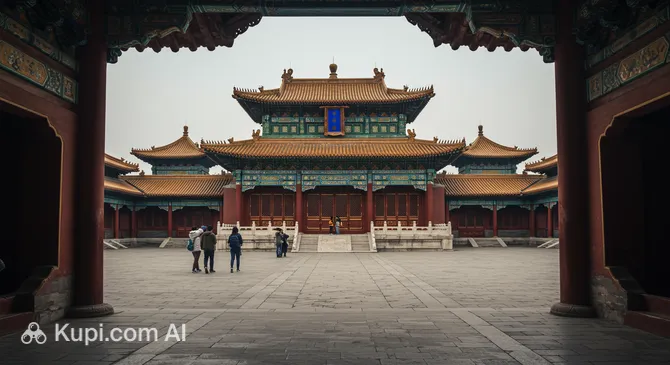
Shenyang Imperial Palace. Illustration.
Source: Kupi.com AI

Traveler photos:

The palace spans approximately 70,000 square meters and includes 114 buildings with over 500 rooms. Its appearance is a stunning combination of styles: elements of Manchu, traditional Chinese, and Tibetan architecture intertwine harmoniously, making it stand out among other palace ensembles in Asia.

The golden roofs of the buildings are particularly eye-catching, symbolizing the sun, wisdom, and imperial power in ancient times. The complex's strict layout and rich decoration underscore its significance as the decision-making center of a great empire of the past.

Contacts

When planning your visit to this historical complex, it is useful to have current contact details at hand. You can check information by phone or review the details on the official resource before your trip.

How to contactContact
Address171 Shen Yang Lu, Shen He Qu, Shen Yang Shi, Liao Ning Sheng, Китай, 110011
Phone+86 24 2484 4192
Websitewww.sypm.org.cn

What to Do

A walk through the grounds of the Mukden Palace is a true immersion in history. Visitors can admire the architectural elegance of the pavilions, most notably the central Dazheng Hall with its recognizable double-eaved roof. Ten pavilions are symmetrically arranged along the main square, once used for important state affairs by Manchu high officials.

Inside the buildings, rich museum exhibitions are on display. Here, you can see a collection of Qing dynasty artifacts: ancient weapons, everyday objects, rare books, and works of art. Exploring these halls allows guests to gain a complete understanding of the life and customs of the imperial court of that era.

In addition to the main halls, guests are invited to see examples of traditional Buddhist architecture. Those with a deeper interest in Chinese history can also visit the Dongling and Beiling mausoleums located in the city, which are inextricably linked to the history of the rulers who once lived in this palace.

Getting There

Reaching this unique architectural monument is easy, as it is located in the very center of Shenyang. The exact address of the complex is 171 Shen Yang Lu, Shen He Qu. Situated in the historical region of Manchuria in the country's northeast, the palace is a major point of interest for all visitors to the region.

The most convenient way to get there is by using the city metro or public buses heading to the central districts. From the nearest metro stations, you can reach the entrance to the museum complex on foot in just a few minutes while enjoying the views of the bustling city.

For those who prefer comfort, taxis are always available. A ride from any part of the city or from the central railway station takes very little time. Just show the driver the name of the palace in Chinese or the address, and you will quickly find yourself at the gates of this legendary residence.

Nearest city: Shenyang

History & Facts

The history of the Shenyang Imperial Palace began in 1625. Nurhaci, the founder of the Qing dynasty, ordered the establishment of a residence here, which was completed by his son Hong Taiji by 1631. Interestingly, the early buildings architecturally resembled traditional Manchu yurts, reflecting the nomadic past of the rulers before their final transition to a settled Chinese lifestyle.

Even after the capital of the empire was moved to Beijing in 1644, Mukden did not lose its significance. It was granted the honorary status of a secondary capital. Emperors regularly returned here to honor their ancestors and hold official ceremonies. In 1780, during the reign of Emperor Qianlong, the complex was significantly expanded and took on the features of a classic Chinese palace ensemble.

In the 20th century, the palace underwent a series of historical transformations. In 1900, it was temporarily under the control of the Russian army, and later, in 1955, it was officially declared a national museum. A major milestone in the recognition of its global value came in 2004, when the palace was included in the UNESCO World Heritage List as part of the site combining the imperial residences of the Ming and Qing dynasties in Beijing and Shenyang.

Time Needed

To explore all the key pavilions at a leisurely pace, see the museum collections, and soak in the atmosphere of the ancient residence, most tourists will need about 2–3 hours. The palace grounds are quite extensive, and every corner hides interesting decorative details or historical exhibits.

If you are passionate about architectural history or plan to study the exhibited artifacts in detail, it is worth setting aside half a day for your visit. This will allow you to visit the more remote parts of the complex without rushing and take excellent commemorative photos against the backdrop of monumental buildings and vibrant paintings.

Working Hours

The opening hours of the Shenyang Imperial Palace may change depending on the season and scheduled holiday events. To ensure a successful visit, it is recommended to check in advance for current working hours on the official website or with the museum administration.

As the palace is a popular tourist attraction, it is best to plan your visit for the morning hours. This will allow you to enjoy the beauty of the ancient architecture and the silence of the inner courtyards before the arrival of the main tour groups.

Nearby

After visiting the imperial chambers, do not rush to leave the area. Exploring the surroundings can significantly enrich your experience, revealing different sides of the city—from cultural centers to modern amusement parks.

The table below lists interesting sites nearby that may appeal to both adults and young travelers:

Reached the end of the page?

That means the route is fully explored