Support

House Of The Viceroy

About

Walking through the ancient streets of Cartago, it is impossible to miss a unique architectural gem—the House of the Viceroy (Casa del Virrey). This magnificent building, constructed at the end of the 18th century, is one of a kind in this region and serves as a striking example of Andalusian style with Mudejar influences. Massive stone walls, the absence of a foundation, and elegant columns made of local brick create a unique look for this historical monument, transporting guests back to the era of colonial Colombia.
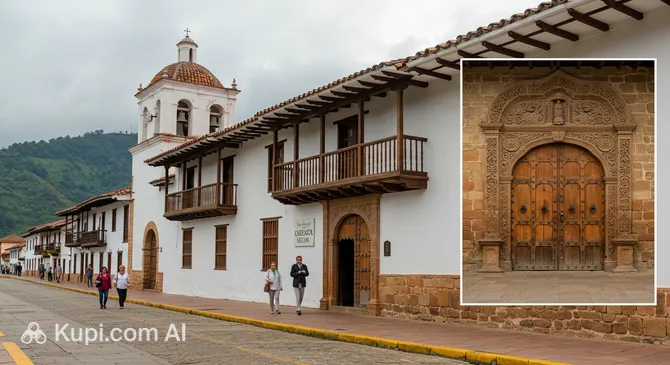
House of the Viceroy
House of the Viceroy. Иллюстрация. Источник: Kupi.com AI

Inside, visitors will find not just an old mansion, but an entire cultural complex. Today, it houses the Casa del Virrey Museum, the Pedro Morales Pino Conservatory of Music, and the History Center with its priceless archive. The snow-white facades, restored during the 1995 renovation, frame a spacious central patio filled with light and air, creating a peaceful atmosphere for exploring the city's heritage.

The interior decoration is of particular value, including the artesonado decorative ceiling and a collection of artifacts dating back to 1612. This place is rightfully considered "the city's memory", where the centuries-old history of the Valle del Cauca region comes to life through old photographs, portraits of founders, and rare documents.

Contacts

To confirm the current exhibition program or the concert schedule at the conservatory, you can always contact the administration directly. We recommend saving this information before your visit to quickly check for any potential changes in the museum's operation.

Below is the primary contact information for planning your visit:

How to contactContact
AddressCl. 13 #52, Cartago, Valle del Cauca, Colombia
Phone+57 602 2128557
Websitewww.museovirreycartago.com.co

What to Do

Within the walls of the Viceroy's House, everyone will find something to enjoy. Start your visit with a detailed look at the colonial architecture: walk through the patio, note the thickness of the walls, and admire the unusual cylindrical columns. Visual history fans will appreciate the collection of vintage photographs, which vividly demonstrate how the city's appearance changed from the late 19th to the mid-20th century.

For those wanting to dive deeper into the past, the doors of the historical archive are open. Here, you can see documents dating back to 1612 and learn about the lives of the early settlers and iconic figures like Marshal Jorge Robledo. The museum also features interesting exhibits related to the Colombian Enlightenment, such as the famous "Alegría de Leer" textbooks that several generations of locals grew up with.

If you're lucky, your visit might coincide with a cultural event at the conservatory. It regularly hosts classical and folk music concerts, as well as creative evenings. Listening to live music surrounded by antique furniture and portraits of great composers like Pedro Morales Pino leaves an unforgettable impression and lets you fully feel the cultural rhythm of modern-day Cartago.

Getting There

Finding this historical building is quite easy, as the Viceroy's House is located in the very heart of the city at Cl. 13 #52. If you are staying in the central part of town, walking to the museum is an excellent way to soak in the region's colonial spirit. The nearby Pasaje Casa del Virrey serves as a great landmark for tourists.

For those coming from other regions, the nearest major transport hub is the city of Cali. The journey from Cali to Cartago takes about an hour and a half by car or bus via a high-quality highway. If you are arriving at Alfonso Bonilla Aragón International Airport, it is most convenient to use a taxi service or take a direct bus to the Cartago terminal.

Within the city itself, you can use local public transport, which stops within walking distance of the site. For travelers with their own or rented cars, parking spaces are available nearby, making the visit as comfortable as possible.

Ближайший город: Cartago

History & Facts

The history of this majestic mansion began in the late 18th century when it was built by order of Sebastián de Marisancena. As an influential resident of Cartago, Marisancena built it as a family estate, and the building remained in the possession of his descendants for nearly 150 years. Interestingly, its resonant name—"House of the Viceroy"—comes from a folk legend that the house was being prepared for a grand reception for Viceroy José Manuel de Ezpeleta, although no direct documents confirming his visit have survived.

Throughout the 20th century, the house faced a difficult fate, with parts of it being resold multiple times. In 1946, the southern half of the building belonged to Juan Evangelista Quintana Rentería, the author of the famous Colombian textbook "Alegría de Leer". It wasn't until 1948 that the department authorities recognized the site as a public asset and began the process of purchasing it for municipal ownership. The complete unification of the house under the city's aegis was only finalized in 2011.

A major restoration in 1995 played a crucial role in preserving the monument. Specialists from the Sub-Directorate of National Monuments performed extensive work: they uncovered previously sealed spaces and returned the walls to their original, dazzling white color. Today, the building is the only surviving example of such architecture in the city and carefully preserves documents in its archives that are over 400 years old.

Time Needed

To fully enjoy the beauty of the colonial architecture and carefully study the museum's collections, an average tourist will need about 1.5 to 2.5 hours. This time is quite sufficient to leisurely walk through the courtyards, examine the details of the ancient artesonado ceiling, and browse the photo exhibition telling the story of city life in past centuries.

If you are a history enthusiast planning to work with unique documents in the local archive or attend one of the musical events at the Pedro Morales Pino Conservatory, it is worth budgeting an additional hour for your visit. In any case, the house's atmosphere encourages thoughtful contemplation, so we do not recommend visiting in a rush.

Working Hours

The museum and its affiliated institutions operate on a schedule that accounts for a traditional midday break. From Monday to Friday, the doors are open in the morning from 8:00 AM to 11:30 AM and in the afternoon from 1:30 PM to 4:30 PM. On Saturdays and Sundays, the building operates continuously from 10:30 AM to 4:00 PM.

Please note that admission to the Viceroy's House is often free, though a small nominal fee may be charged to support cultural initiatives. We recommend planning your visit for weekday mornings to catch the archive staff and receive the most detailed information about the exhibitions.

DayWorking hours
Понедельник8:00 – 11:30, 1:30 – 16:30
Вторник8:00 – 11:30, 1:30 – 16:30
Среда8:00 – 11:30, 1:30 – 16:30
Четверг8:00 – 11:30, 1:30 – 16:30
Пятница8:00 – 11:30, 1:30 – 16:30
Суббота10:30 – 16:00
Воскресенье10:30 – 16:00

Nearby

A visit to the Viceroy's House can easily be combined with exploring other interesting spots in the area. Exploring the surrounding streets and landmarks will allow you to fully experience the atmosphere of the Valle del Cauca department and see how modern city life intertwines with its rich historical past.

In the immediate vicinity of the museum, you will find parks, monuments, and cozy spots to relax after your tour:

NameDistance
Moscow Bar0.4 km
Tomate Alguito0.4 km
Alfarero by Arte/Sano0.5 km
Casa Vieja Restaurant0.7 km
Santiago Plaza0.8 km
Nuestro Cartago Mall2.2 km

Reached the end of the page?

That means the route is fully explored