Support

Honda

About

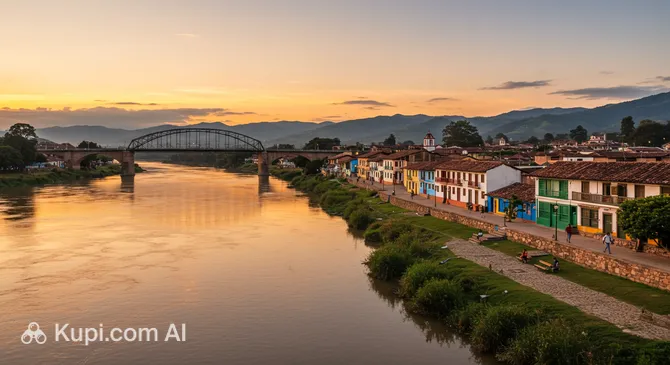
Honda is a true treasure for lovers of authentic travel and colonial architecture. The city is nestled in the north of the Tolima department, right on the banks of the majestic Magdalena River, where it meets the Gualí and Guarinó rivers. This unique geographical location gives the city a refreshing breeze, and Colombia reveals itself here from a new, wonderfully picturesque side.

Honda. Illustration.
Source: Kupi.com AI

With a population of about 24,000, Honda maintains an intimate and friendly atmosphere. It is a pleasure to stroll through its narrow cobbled streets, admiring the old buildings with tiled roofs that look as if they stepped out of the pages of a historical novel. Locals proudly call their home "The City of Bridges"—there are more than forty of them, and each is a unique architectural element. The rich history of Honda is felt in every square, inviting guests to immerse themselves in the atmosphere of the past.

The surrounding landscapes are captivating with their contrasts: green hills sit harmoniously next to dry savannas. Honda is the perfect place to take a break from the hustle and bustle of major cities, enjoy nature, and experience the sincere hospitality of the local people. It is definitely worth coming here to see the lesser-known but beautiful corners of the country and watch the sunset by the river.

Weather Overview

The climate in Honda is truly tropical and hot, making the city attractive to sun-seekers at any time of year. The average air temperature consistently stays between 25–27°C, though during the day the sun often warms the air to 30–33°C. Nights bring a pleasant freshness as temperatures drop to a comfortable 20–21°C.

Precipitation is unevenly distributed throughout the year, forming distinct wet and dry periods. Expect frequent rain in April, May, October, and November—during these months, the number of rainy days can exceed 20. The driest time is in January and February, when the probability of rain is minimal. Detailed weather in Honda will help you choose the ideal dates for your trip and decide whether to bring an umbrella.

Average monthly temperature

Average monthly precipitation

Interesting Facts

In addition to its main attractions, Honda holds many fascinating secrets that reveal the city from an unexpected side. Here are a few facts that help better understand the unique character of this place.

  • A Record Holder for Crossings. Honda proudly bears the nickname "The City of Bridges" (La Ciudad de los Puentes), as there are more than forty of them here. The most striking architectural gem is the Navarro Bridge, built in 1899—it is the oldest suspension bridge in all of South America.

  • The Economic Heart of the Past. In the 19th century, the city was one of the country's most important ports. Before the development of the railway network, Honda served as the key hub connecting high-altitude Bogotá with the Caribbean coast, receiving ships with goods from all over the world.

  • Architectural Protection. The famous Calle de las Trampas ("Street of Traps") got its name for a reason. Its winding layout and sharp turns created a real labyrinth that helped locals defend themselves against pirates and confuse smugglers.

  • A Tribute to the River. The city is home to the unique Museum of the Magdalena River. This is one of the few places where you can dive deep into the study of the flora, fauna, and historical significance of this great waterway for the region's development.

How to Get There

When planning a trip to this colorful colonial city, it is important to think through your route in advance. Honda is located in the center of the country, making it accessible from several major transport hubs. You can find out more about how to get to Honda on our dedicated page, and below we will look at the most popular methods.

There is no airport in the city of Honda itself, so the most convenient option for international and domestic tourists is to fly to the capital. The main air gateway is El Dorado Airport (IATA: BOG) in Bogotá. It is located approximately 86 km from Honda. It is the country's largest hub, receiving flights from all over the world. The journey from the airport to the city by taxi or bus takes about 2.5 hours, passing through picturesque mountain roads.

Another possible option is La Nubia Airport (IATA: MZL) in Manizales. It is located slightly closer to Honda—about 83 km away (travel time also around 2.5 hours); however, it is a small airport with fewer flights. If you are planning an extensive trip through the region, you could also consider José María Córdova International Airport (IATA: MDE) in Medellín. It is 130 km away, and the drive from there takes about 3.5 hours.

For convenience, here is a summary of the main airports you can use to reach the city:

AirportPassenger trafficDistance
La Nubia Airport223 05383 km
El Dorado International Airport45.8 mln86 km
Ibague Airport160 00097 km
Matecana International Airport2.8 mln120 km
Jose Maria Cordova International Airport11.8 mln130 km

Regarding rail transport, there is currently no regular passenger service to Honda. The historic railway, which once played an important role, is not currently used for mass tourism. The primary way to reach the city from airports or other regions remains by road. You can use comfortable intercity buses that run regularly from Bogotá and Medellín, or rent a car to enjoy the freedom of moving through the beautiful landscapes of the Tolima department.

Main Attractions

Honda is a city often described as an "open-air museum," and it wears this title with pride. Walking through its streets feels like turning the pages of a history book. The main attractions here are tied to its colonial past and the great river that has defined the region's life for centuries.

One of the most atmospheric locations is the Street of Traps (Calle de las Trampas). This place has a unique topography: the winding, zigzag shape of the street and the uneven cobblestones once served as protection against pirates and smugglers, making it difficult for them to pass quickly. Today, it is a perfect area for walking. Tourists come here to admire the magnificent colonial mansions with massive wooden balconies and take stunning photos in the golden light of the sunset.

It is impossible to visit this city without seeing the famous Navarro Bridge (Puente Navarro). This engineering marvel from the late 19th century spans the Magdalena River, connecting the departments of Tolima and Cundinamarca. The structure is recognized as a national monument and is impressive in its scale: the iron cables and supports are a reminder of the era when river shipping was the country's main economic artery. A walk across the bridge offers breathtaking views of the river, which are especially beautiful in the morning hours.

Another architectural gem is the Market Square (Plaza de Mercado). The market building is completely atypical for a commercial space: it was designed in the Republican style and decorated with numerous columns, which is why locals often call it the "Parthenon of Tolima." The real life of the city pulses here: you can not only appreciate the grace of the architecture but also taste exotic local fruits or traditional snacks, immersing yourself in the regional gastronomic culture.

Local Cuisine

The gastronomy of Honda is a vibrant reflection of its geographic location, where the traditions of the Magdalena River valley intertwine with the culinary customs of the coast. Since life here is inextricably linked to the river, fresh fish forms the basis of the local menu. The main delicacy every guest should try is fried catfish (bagre frito) or tender tilapia. A special place on the table is reserved for the hearty fish stew—sancocho de pescado, a thick and filling soup that has become a hallmark of the region.

To experience authentic street food, it's best to head to the city markets, the most famous of which is the Plaza de Mercado. This is the perfect place for a quick and tasty snack: they serve golden corn arepas with cheese, fried plantains (plátano), and various sweet pastries. The market is the heart of the local food culture, where tourists can mix with the local crowd and feel the city's true rhythm.

Given the hot tropical climate, refreshing drinks are incredibly popular in Honda. At every turn, you can find freshly squeezed tropical fruit juices: guava, passion fruit, or tamarind, which quench thirst perfectly. Lovers of hot drinks will appreciate the local coffee—strong and aromatic, it is served in all establishments, from simple street stalls to cozy family cafes.

The city's gastronomic scene is not limited to traditional dishes. Honda regularly hosts culinary festivals and fairs showcasing a variety of flavors—from Caribbean to European cuisine. Travelers should explore both the restaurants in the historic center and the small spots by the river to fully enjoy the hospitality and flavors of this colorful corner of Colombia.

Travel Tips

A trip to Honda requires some preparation, given the hot climate and the characteristics of the historic city layout. To ensure your trip is as comfortable as possible, we recommend paying attention to a few practical tips.

  • Clothing and Footwear. Due to high temperatures and high humidity, loose clothing made of natural fabrics such as cotton or linen is best. The historic center is paved with old cobblestones, and streets often have steep inclines and declines, so comfortable flat shoes are a must-have item. It is better to leave heels behind.

  • Sun and Insect Protection. Proximity to the Magdalena River means the presence of insects, especially in the evening. Be sure to bring a quality repellent. The sun here is very active, so a hat, sunglasses, and high-factor sunscreen (SPF 50+) are necessary even in cloudy weather.

  • Finances. The official currency used by Colombia is the Colombian Peso (COP). In Honda, cards are not accepted everywhere, especially in small shops, markets, and souvenir stalls. It is recommended to always carry a supply of cash in small denominations. There are ATMs in the city, but they may not always work with foreign cards.

  • Daily Schedule. Life in the city adapts to the climate. The hottest time is from noon to 4:00 PM, when locals often take a siesta. Plan your active walks and sightseeing for the early morning or pre-sunset hours when the heat subsides. It is best to spend the middle of the day in the shade, in a museum, or by the pool.

  • Transport. Honda is a compact city, and its historic center is best explored on foot. For longer distances, it is convenient to use taxis or mototaxis. This is a popular and inexpensive way to move around, allowing you to quickly reach your destination through the narrow streets.

  • Water and Food. For safety reasons, drink only bottled water and avoid iced drinks from street stalls if you are not sure of the water quality. The local cuisine is tasty and varied, but try street food with caution, choosing popular places with a high turnover of products.

  • Language and Communication. The primary language of communication is Spanish. Few people know English, so having an offline translator on your phone or knowing basic phrases will greatly facilitate communication. Locals are very friendly, and a simple greeting like "Buenos días" (good morning) or "Buenas tardes" (good afternoon) will help establish rapport.

Following these simple recommendations will help you avoid everyday inconveniences and fully focus on exploring the rich history and architecture of this unique city.

Entertainment & Nightlife

Nightlife in Honda has its own unique rhythm, dictated by the tropical climate. When the daytime heat subsides, the city comes alive: locals and tourists take to the streets to enjoy the cool air and socialize. You won't find flashy world-class nightclubs here, but you will experience an atmosphere of genuine fun, loud music, and colorful Colombian hospitality.

The epicenter of evening entertainment is the so-called Zona Rosa. This is the district where most bars, discos, and small restaurants are concentrated. On weekends, music plays from everywhere: the rhythms of salsa, vallenato, and reggaeton fill the air. The crowd here is quite diverse—from young people to families. There is no dress code in most establishments; due to the warm weather, light, comfortable clothing is preferred.

For those who prefer a more relaxed and romantic evening, the historical center is ideal, especially the areas around Calle de las Trampas and the Market Square. Here you can find cozy spots with open terraces where it is pleasant to have a cold beer or try the local aguardiente (anise-flavored liquor) while watching the lights on the old colonial buildings. Street musicians, often performing traditional melodies on the guitar, add a special charm to the evening.

Prices in Honda's establishments will pleasantly surprise travelers with how affordable they are compared to the large metropolises Colombia is known for. The average check for dinner with drinks is very reasonable. The best time to start the evening is after 8:00 PM, when the air temperature becomes most comfortable. Regarding safety, the tourist districts (the center and Zona Rosa) are considered safe for walking, though it is better to take a taxi back to your hotel late at night. You can call a car through a staff member or simply catch one on a busy street—it is inexpensive and reliable.

While Honda is known for its evenings, daytime entertainment also deserves attention. Given the hot sun, the numerous water parks and swimming pools (balnearios) located within the city and its surroundings are very popular. This is the best way to cool off at noon. Culture lovers should check out the local museums telling the story of navigation on the Magdalena River or simply walk through the shady parks, enjoying the architecture of the "City of Bridges" in the daylight.

Parks & Museums

The cultural and natural landscape of Honda is inextricably linked to the great river and its colonial past. This city offers travelers more than just sightseeing; it offers an immersion into an atmosphere where history comes alive against a backdrop of tropical nature. Green zones serve as oases of cool here, while museums preserve the memory of times when Colombia depended on river trade routes.

The city's main walking area is rightfully considered the Tourist Promenade (Malecón Turístico). This is a developed embankment along the Magdalena River, offering spectacular views of the water flow and the famous bridges. It is an ideal spot for an evening promenade when the heat subsides and an orange breeze blows from the river. While walking here, you can watch local fishermen and see various birds that inhabit the coastal zone.

Among cultural institutions, the Museum of the Magdalena River (Museo del Río Magdalena) holds a central place. Located in a restored colonial building that once served as a warehouse ("Bodega El Puerto"), the museum is a true encyclopedia of the region. The exhibition fascinatingly tells the story of the golden era of steamboating, the river's biodiversity, and the life of coastal peoples. This is a must-visit to understand why Honda is called the main river port in the country's history.

History buffs will be interested in the Alfonso López Pumarejo House Museum (Casa Museo Alfonso López Pumarejo). One of the country's most influential 20th-century presidents was born here. The building is a fine example of colonial architecture with shady courtyards and spacious halls. The museum houses the politician's personal belongings, photographs, and documents, and the atmosphere of the house itself transports visitors to the era of aristocratic life from the last century.

Among architectural monuments, the Cathedral of Our Lady of the Rosary (Catedral de Nuestra Señora del Rosario) deserves special attention. This monumental structure made of hewn stone, construction of which began in the 17th century, towers over the city center. The cathedral is distinguished by its austere but majestic style, and its massive bell tower serves as an excellent landmark during walks through the old city.

For a truly authentic experience, we suggest checking out Puerto de Arrancaplumas. Although it is not an official park or museum, it is a historical site where traditional life still thrives. It is worth coming here to see the fishermen pulling in their nets and to try the freshest local dishes in simple but colorful riverside establishments.

Getting Around

The transport system in Honda is simple and informal, fitting the size and pace of life of this small city. You won't find a metro, trams, or complex express bus schemes here. The city is quite compact, and most tourist locations in the historical center can be explored on foot while enjoying the architecture. However, given the hot climate and the hilly terrain of some streets, you will still need transport.

The most popular and comfortable way for tourists to get around is by official yellow taxis. They are easy to recognize and quite numerous on the streets. In Honda, it is not customary to use taximeters as strictly as in big cities: fixed rates often apply for trips within the city or specific zones. We strongly recommend confirming the price of the trip with the driver before getting in to avoid misunderstandings. Taxi apps (like Uber or Cabify) practically do not work here, so it's better to catch a car on the street or ask your hotel reception to call one.

A local specialty characteristic of many hot regions is the mototaxi. This is a fast, cheap, and incredibly popular mode of transport among locals. Motorcyclists can take you anywhere in the city, skillfully maneuvering through narrow streets where cars find it harder to go. While this adds local flavor to the trip, remember safety: always demand a helmet and be careful, as this type of transport is often informal.

Public transport consists of small buses and vans that locals call "busetas". They do not have strict schedules or high-tech stops. These vans run along the main streets, connecting the center with the outskirts and residential areas. To board a bus, simply wave your hand to the driver from the side of the road. This is the most budget-friendly way to get around, but it requires the tourist to know Spanish at least at a basic level to clarify the route with the driver.

The payment system in Honda is exclusively cash-based. No transport cards or electronic passes are used here. Payment is made directly to the driver upon entry or exit. For trips by taxi, mototaxi, or bus, it is vital to have small bills and coins, as drivers may not have change for large banknotes. Fares are very affordable and significantly lower than in major tourist centers.

If you plan to visit the surrounding areas or continue your journey, you will need the city transport terminal (Terminal de Transportes). It serves as a hub for intercity buses and is located near the center. From here, you can travel to neighboring cities and departments. It is important to remember that public transport within the city starts early in the morning, but its activity decreases significantly after 8:00 PM, so for late returns, it's better to arrange a trip with a reliable taxi driver in advance.

Accommodation

Where to stay:

Honda offers travelers a unique accommodation experience that is fundamentally different from standard hotels in modern metropolises. Since the city is famous for its architectural heritage, many places to stay are located in carefully restored colonial mansions. Typical housing choices here range from atmospheric boutique hotels with high wooden ceilings and shady courtyards to simple and cozy hostels for budget travelers. Given the hot tropical climate, the presence of a pool is often a deciding factor—most mid-range and high-end hotels always offer this option so guests can cool off after the midday heat.

The most attractive area for tourists is the Historic Center. Staying here puts you in the heart of the old city, within walking distance of the famous Street of Traps, the Cathedral, and the best restaurants. This is the ideal choice for those who want to enjoy evening walks through the beautifully lit cobbled streets. An alternative is hotels located slightly further from the central bustle or on the outskirts of the city. These complexes often resemble country clubs (club campestre) and offer more spacious grounds with gardens and large pools, which is great for family vacations.

When planning your trip, consider the city's popularity among domestic tourists. Honda is a favorite weekend and holiday getaway for residents of the capital ("puentes"). During peak periods, such as Easter Week (Semana Santa) or the New Year holidays, the best options are booked up very quickly. Therefore, the main booking tip: if your trip falls on a weekend or holiday, reserve your accommodation in advance, preferably several weeks ahead.

Pricing in Honda remains quite affordable compared to the country's main resorts like Cartagena. Budget and mid-range accommodation predominates here, although more exclusive boutique hotels are appearing. You can book a room through popular international online platforms, which guarantees reliability. However, many small family-run guesthouses (posadas) also operate through social networks and messengers. It is worth remembering that small hotels do not always accept credit cards, so having cash for your stay can be helpful.

Nearby Cities

For those who want to explore the surrounding area, Honda serves as an excellent starting point for day trips to several interesting nearby locations. Its convenient location on the border of departments allows travelers to quickly change scenery and see the diversity of Colombian nature and architecture.

Just 17 km from the city is Mariquita—the true "fruit capital" of the region. People come here to try the famous mangosteens and visit sites associated with Mutis's historic Botanical Expedition. Another popular destination is Guaduas, which is part of the Network of Heritage Towns (Pueblo Patrimonio). This is the birthplace of the independence heroine Policarpa Salavarrieta, where the colonial atmosphere is perfectly preserved, and the Piedra Capira viewpoint offers a breathtaking view of the Magdalena River valley.

CityPopulationDistance
Mariquita41 00017 km
Cachipay9 83320 km
San Felipe20 km
Guaduas41 14222 km
Guayabal11 49025 km

These nearby destinations provide insight into the region's diverse culture and landscapes, from bustling trade centers to quiet historic streets.

Shopping & Souvenirs

Shopping in Honda is fundamentally different from the usual trips to huge city malls. In this colonial city, the process of buying becomes a leisurely immersion into local culture and history. Honda is not known for luxury boutiques or global brands; its main value is authenticity. Here, trade has preserved its traditional way, where personal communication with the seller is more important than a bright shop window, and products often bear the mark of the region's craftsmanship.

Most commercial life is concentrated in two key areas. The first is the Historic Center, especially the streets near the famous Calle de las Trampas. Here, in old buildings, you will find small shops selling souvenirs, antiques, and handmade items. The second zone is the busy blocks around the Market Square. This is a real trading beehive where you can find everything from clothes and shoes to household goods and fresh produce. A walk here allows you to feel the true rhythm of the city that Colombia lives by outside of tourist brochures.

There are no large modern malls in the conventional sense in Honda, which is quite in keeping with the spirit of this small city. Instead, there are small shopping passages and galleries (Centros Comerciales) that house clothing, electronics, and cosmetics shops. To buy essentials or groceries, tourists usually visit chain supermarkets located in the central part of the city, but for unique finds, it's better to head to private shops.

The city's main shopping attraction is undoubtedly the Market Square (Plaza de Mercado). This place is a must-visit not only for shopping but also for its architecture. The market building, built in the Republican style with numerous columns and arches, is a national monument. Inside, an incredible atmosphere prevails: stalls are overflowing with exotic fruits (guanabana, passion fruit, mango), fresh fish from the Magdalena River, and local delicacies. You can also buy traditional pottery and baskets woven by local artisans here.

As souvenirs from Honda, it is worth bringing back something that reflects the soul of the Tolima region. First and foremost, these are the local sweets and desserts for which the city is famous. Look for ceramic items—this region is known for its pottery traditions. Wood crafts and river-themed souvenirs, reminding visitors of Honda's status as a major port of the past, are also popular. And, of course, a bag of fresh Colombian coffee bought here makes an excellent gift.

Shops in the city usually open around 8:00–9:00 AM and work until 6:00–7:00 PM. It is worth noting that in the middle of the day, when the heat peaks, some small shops may close for a siesta, though larger stores remain open. The main method of payment remains cash pesos. Credit cards are accepted in supermarkets, hotels, and some restaurants, but markets and souvenir shops often do not have terminals, so always have small bills with you.

The tax refund system (Tax Free) exists in Colombia and applies to foreign tourists when purchasing certain goods in authorized stores. However, in a small town like Honda, it is extremely difficult to find retail outlets participating in this program. This option is more likely available in large shopping centers in Bogotá or Medellín, so you should not count on a VAT refund in Honda.
Reached the end of the page?

That means the route is fully explored