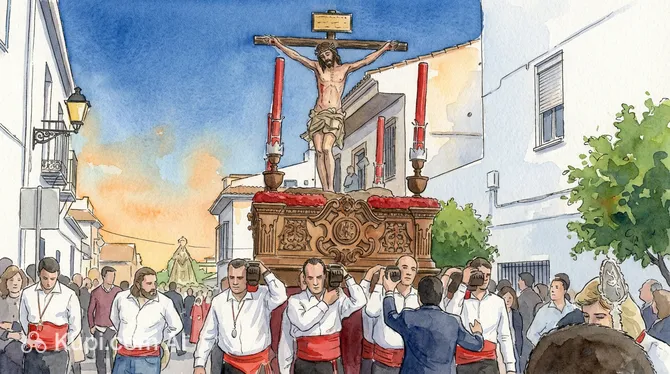
Welcome to La Victoria—a vibrant and colorful corner of the Dominican Republic, located in Santo Domingo Province. Although the city is primarily a large residential area, it offers travelers a unique opportunity to see the real, off-the-beaten-path life of the island. Home to about 312,000 people, the rhythm of life in this suburban district never stops for a moment.
La Victoria. Illustration.
Source: Kupi.com AI
Geographically, the city is located very close to the capital, making it a convenient transit point. Situated on flat terrain, it embodies the features of a typical Dominican suburb with its chaotic yet charming architecture and an emphasis on family life. The history and heritage of this place are closely linked to the development of the capital region, transforming a former settlement into an important residential hub.
While La Victoria lacks world-famous architectural masterpieces, it attracts visitors with its authenticity. Here, you can spend hours watching the daily hustle and bustle at local markets or relaxing in the shade of trees on the central streets. A visit to La Victoria is a great chance to step outside the resort zones and feel the true pulse of the modern Dominican Republic.
Weather Overview
The climate in La Victoria is typical for the tropics of the Dominican Republic: it is hot and humid throughout the year. Average air temperatures fluctuate between +25°C and +32°C. When planning a trip, keep in mind that the weather in the city depends heavily on the season: the rainy season lasts from May to November, while the winter months offer a drier and more comfortable atmosphere.
Expect sunny and hot summers with occasional but intense tropical downpours that usually pass quickly. The wettest months are traditionally May, August, and November. Winter, especially January and February, is the ideal time to visit: rainfall decreases significantly, and the average temperature is around +24°C, making walks as pleasant as possible.
Average monthly temperature
Average monthly precipitation
Interesting Facts
Transport Acrobatics: In La Victoria, motorcycles often replace family cars—no one here is surprised to see a bike carrying up to 6 people at once.
Lifestyle Quirks: Most residential buildings in the city lack central hot water; water in rooftop tanks is heated exclusively by the bright Dominican sun.
Public Chaos: Local "gua-gua" buses are famous for their incredible capacity—according to an unwritten rule, two or three people manage to fit onto a single passenger seat.
Commuter Rhythm: Despite a population of over 300,000, the city is considered a "bedroom" community—the majority of residents travel to the capital daily for work.
How to Get There
The transport accessibility of La Victoria is largely determined by its proximity to the capital of the Dominican Republic. It is a typical suburb connected to the country's main hubs by a network of highways. For those planning a visit, detailed information is available on how to get to the city using the most convenient methods.
The main air gateway to the region is Las Américas International Airport (SDQ), located near Santo Domingo. A trip from the airport to La Victoria by taxi or rental car takes between 20 and 40 minutes. You can also use suburban buses, though keep in mind that traffic jams leaving the capital during peak hours can significantly increase travel time.
Railway service in this area is virtually non-existent. The nearest lines of the state railway are not connected to passenger transport to La Victoria, so the main ground transport remains "gua-gua" buses and motorcycle taxis. If you plan to travel by public transport, be prepared for a colorful and sometimes cramped proximity to the local residents.
Main Attractions
The city of La Victoria is not a classic tourist center with a set of must-see world monuments. The main "attraction" here is the atmosphere of everyday Dominican life. A walk through the local streets allows you to appreciate the typical Caribbean architecture of residential neighborhoods, where life is always on display and filled with the sounds of music and conversation.
The central points of attraction for locals and curious guests are the city squares and markets. These are true centers of social life where you can not only buy fresh tropical fruits but also see how Dominicans interact and spend their time. The market bustle and the spontaneity of local vendors create a unique flavor that is hard to find in glossy guidebooks.
For those seeking historical monuments and large-scale museums, La Victoria serves as a convenient starting point for trips to the nearby capital. However, the municipality itself is interesting as a living example of the island's urbanization, offering travelers an honest and open look at the country's modern culture without any embellishments.
Local Cuisine
The culinary identity of La Victoria is a celebration of traditional Dominican flavors. The basis of the local diet consists of simple, hearty, and very tasty dishes. The main gastronomic hit is La Bandera Dominicana ("The Dominican Flag"), consisting of rice, red beans, and stewed meat (chicken or beef) accompanied by fried plantains—tostones.
You should definitely try the local breakfast—mangú. This is a smooth mash of boiled green plantains, usually served with sautéed onions, cheese, eggs, or salami. For dessert, local shops often offer sweets made from coconut or milk, while favorite drinks include thick, aromatic coffee and freshly squeezed guava and mango juices.
The food culture in the city is centered around street food stalls and home-style cafes called "comedores." Dining here is simple and casual, and portions are always generous. To find the most authentic dishes, it is best to head to the local markets, where food is prepared right in front of you. In the evenings, residents enjoy spending time with a glass of famous Dominican rum or a cold beer in small neighborhood bars.
Travel Tips
A trip to La Victoria will be a fascinating immersion into real Dominican life if you follow our practical advice.
Clothing and Essentials: Choose light cotton clothing, as the climate here is hot and humid. Don't forget sunglasses and comfortable shoes for walking on busy streets. If you plan to visit during the rainy season, bring a compact umbrella or a raincoat.
Transport: To get around the city, use "gua-guas" or motoconchos, but be prepared for tight spaces. If you prefer comfort, it's better to book a taxi in advance via an app.
Finances: The main currency is the Dominican Peso (RD$). Cards are rarely accepted in La Victoria, so always carry cash in small denominations for transport and market purchases.
Health and Safety: Drink only bottled water. During the rainy season, be sure to use mosquito repellent. Stay alert with your belongings in crowded places and avoid walking in the outskirts after dark.
Communication: The primary language is Spanish. English is not widely spoken here, so it's useful to learn a few basic phrases or have an offline translator handy.
Local Etiquette: Dominicans are very friendly and open. Greet people with a smile, and be polite and patient when communicating—there is no rush here.
What to Avoid: You should not display expensive jewelry or gadgets in low-income neighborhoods. Also, avoid walking alone in poorly lit residential areas after sunset.
Extra Tip: Try the street food at "comedores"—it's the fastest way to connect with the local culture and enjoy a delicious meal for very little money.
May your introduction to this colorful suburb leave only bright and positive impressions!
Entertainment & Nightlife
Entertainment in La Victoria is predominantly local and informal. You won't find huge nightclubs or fashionable concert halls here, but you can immerse yourself in the culture of street gatherings. In the evenings, residents often gather in small eateries or right outside their homes, where the rhythms of bachata and merengue blast from speakers, and karaoke in local cafes becomes the main event of the week.
During the day, activity is concentrated around central squares and retail outlets. A popular leisure activity for locals is impromptu soccer or baseball matches at neighborhood fields. This is a great opportunity to see the sporting passion of Dominicans with your own eyes and perhaps even join a game.
If you are looking for a full-scale nightlife experience with professional DJs and cocktail bars, most tourists prefer to head to nearby Santo Domingo. The trip to the capital takes only 20–40 minutes, making it easy to combine quiet evenings in La Victoria with vibrant parties in the country's main city.
Parks & Museums
In La Victoria itself, there are virtually no large museum complexes or extensive botanical gardens. The city's greenery is primarily street-based, and small squares in residential neighborhoods serve as recreation areas. These squares act as meeting places for neighbors and playgrounds for children, reflecting the high building density of a typical suburb.
City residents value the few green corners they have, using residential outdoor areas to relax in the shade of trees. The lack of large-scale parks is compensated for by the lively atmosphere of the streets, where socializing replaces strolls along park alleys. For tourists, such places can be interesting specifically as an opportunity to observe the social structure of Dominican society.
For those seeking cultural enlightenment and walks in shaded parks, a short trip to Santo Domingo is recommended. The capital offers magnificent museums of history and art, as well as the famous National Botanical Garden, all of which are within quick reach for residents and guests of La Victoria.
Getting Around
The public transport system in La Victoria is characterized by its specificity and high intensity. There are no subways or trams here; the main load falls on minibuses, which locals call "gua-guas", and nimble motorcycle taxis—"motoconchos". These types of transport allow for quick movement between parts of the district, although they can be very crowded during peak hours.
A ride on a "gua-gua" is a real experience: they have no fixed schedule, they stop on demand, and drivers aim to fill the cabin to the maximum. Fares are paid in cash to the conductor or driver, and the cost is low. Motoconchos are ideal for short distances when you need to bypass traffic jams, but they require a certain amount of courage and agility from passengers.
Movement within the city is chaotic but fairly fast, excluding the highways leading to Santo Domingo, where congestion often occurs. Tourists are advised to use official taxis or mobile apps to call a car if they value comfort and safety. For those who decide to rent a car, it is worth remembering the heavy traffic and the specific driving style of local drivers.
Accommodation
The choice of accommodation directly in La Victoria is quite limited, as the city is primarily oriented toward permanent residents rather than mass tourism. There are almost no large chain hotels or luxury all-inclusive resorts here. The majority of options consist of private apartments and small guesthouses, which are often rented by expats or those visiting the region on business.
Prices for accommodation in this area are very affordable compared to popular resort zones. A budget option or a simple room can be found in the range of $30–$50 USD per night. Homes located near the main roads are considered the most convenient for short-term stays, as they provide easier access to the capital.
If you plan to stay specifically here, it is recommended to book accommodation in advance through international rental services, as it may be difficult to find a vacant and high-quality option on the spot. For those seeking a high level of service and developed infrastructure, a more reasonable choice would be staying in hotels in Santo Domingo with day trips to La Victoria.
Nearby Cities
The city of La Victoria serves as an excellent starting point for exploring the capital region and the central part of the Dominican Republic. Thanks to its favorable location, you can easily reach several interesting locations, each with its own unique character.
Just 10 kilometers away is the majestic Santo Domingo—the oldest city in the New World. A trip there takes no more than half an hour and allows you to immerse yourself in the atmosphere of the Colonial Zone with its ancient cathedrals and cobblestone streets. It is also worth visiting Los Minas, which is very close and an important part of the urban agglomeration, or heading to Los Alcarrizos to see life in other suburbs of the capital.
Exploring the surroundings of La Victoria is a wonderful way to broaden your understanding of life on the island. Proximity to major highways allows you to visit historical monuments, modern shopping centers, and even reach the coast to enjoy the Caribbean Sea all in one day.
Shopping & Souvenirs
Shopping in La Victoria is primarily about visiting local markets and small shops where the city's daily life hums. There are no massive malls with global brands, but there is an abundance of essentials, clothing, and, of course, fresh produce. The area's central markets are the best place to experience the local flavor and purchase tropical fruits at the most affordable prices.
Shops in the city usually operate from early morning until evening, though many small stores may close for a midday break. Payment is most often made in cash in the local currency (Dominican Peso), although larger outlets may accept bank cards. Bargaining at markets is common and part of the local culture of communication.
As souvenirs from La Victoria, it is worth bringing back what the whole Dominican Republic is famous for: excellent coffee beans, local rum, and perhaps cigar tobacco products. If you are looking for large-scale shopping in modern centers with cinemas and food courts, it is best to head toward the capital, where the region's largest malls are located.