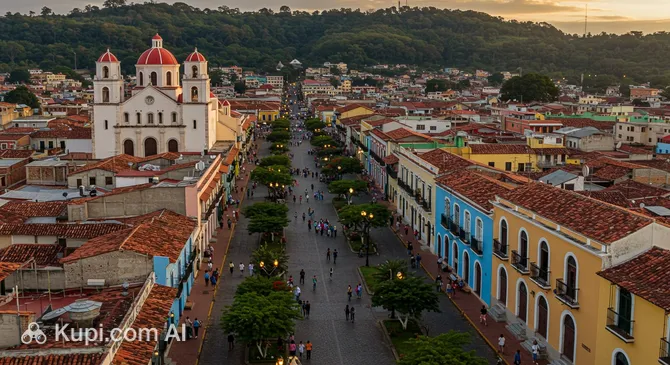
San Cristóbal is an authentic city in the southern part of the Dominican Republic and serves as the capital of the province of the same name. Located just 30 kilometers from the bustling Santo Domingo, it offers travelers a more relaxed and genuine atmosphere. The city is nestled in the coastal lowlands at the foot of the Cordillera Central mountain range, between the picturesque Nigua and Nizao rivers.
San Cristobal. Illustration.
Source: Kupi.com AI
Founded by the Spanish in 1575, the city boasts a rich historical heritage. It was here in 1844 that the first constitution of the Dominican Republic was signed, making it a landmark site of national pride. Today, it is a thriving commercial and agricultural hub, well-known for its production of coffee, sugar, and tropical fruits.
While San Cristóbal is not your typical resort with "glossy" postcard beaches, it attracts those seeking a real taste of Dominican life. Here, you can explore unique natural caves, relax by river rapids, or head to nearby beaches popular with the locals. Visiting this city is an invitation to see the country from the inside, getting to know its traditions and hospitality far from the mass tourist trails.
Weather Overview
The climate in San Cristóbal is typical of the southern coast of the Dominican Republic: an eternal tropical summer prevails here. The weather remains hot and humid year-round, with daytime temperatures usually ranging between 25–32°C. The proximity to the mountains and the Caribbean Sea creates a unique balance where the sea breeze meets refreshing mountain air currents.
Two main seasons stand out during the year. The dry period lasts from November to April—this is the ideal time for visiting beaches and walking, as rainfall is minimal and the sky is most often clear. The wet season arrives in May and continues until October; during this time, heavy but usually brief downpours are possible. When choosing a time for your trip, keep in mind that the city's climate always favors light clothing, but an umbrella certainly won't go amiss in the second half of the year.
Average monthly temperature
Average monthly precipitation
Interesting Facts
The city was founded by Spanish colonizers in 1575 after rich gold deposits were discovered in the local lands.
San Cristóbal proudly bears the title of "Cradle of the Constitution": it was here in 1844 that the fundamental law of the Dominican Republic was signed.
For a long time, the province was named Trujillo in honor of the dictator Rafael Trujillo, who was born in this city in 1891; the historical name was restored after 1961.
San Cristóbal province is one of the most densely populated in the country, ranking fourth in the number of residents in the Dominican Republic.
The municipality includes a special district center called Hato Damas, which plays a vital role in the local agricultural sector.
How to Get There
San Cristóbal is easily accessible, primarily due to its proximity to the capital. The main way to get here is via a modern paved highway connecting the city with Santo Domingo. A trip by car or regular bus usually takes 1 to 1.5 hours, though travel times can increase during rush hour due to traffic in the capital. You can find more details about routes in the section on how to get to the city.
San Cristóbal does not have its own airport. The most convenient option for travelers is to fly into Las Américas International Airport (SDQ) in Santo Domingo. From there, you can reach San Cristóbal by taxi or by booking a transfer; the trip takes between 45 and 90 minutes depending on traffic.
There is no rail service in the region, so all passenger traffic relies on road transport. Intercity buses run regularly from other major cities in the country. There is also a well-developed regional bus network connecting to the neighboring provinces of Peravia and San José de Ocoa, which will get you to San Cristóbal in a couple of hours.
Main Attractions
The main natural treasure of San Cristóbal is the Pomier Caves (Cuevas del Pomier). This unique archaeological site consists of dozens of caves featuring hundreds of rock paintings left by the island's indigenous inhabitants, the Taino Indians. For tourists, it is a rare opportunity to see ancient culture in its original form amidst impressive stalactites and stalagmites.
For those looking to relax by the water, the beaches of Najayo and Palenque are must-visits. They differ from typical tropical resorts with their calmer, "homey" atmosphere. Najayo Beach is known for its small shoreline pools protected by reefs, while Palenque is famous for its excellent fish restaurants where you can enjoy the freshest seafood right on the sand.
History and nature lovers will enjoy Balneario La Toma (La Toma de San Cristóbal). This was the first natural river pool in the Americas created by damming a river, and it once served as a vacation spot for the nobility. It is also worth stopping by Piedras Vivas Park, which stands out for its unusual stone compositions, and exploring the ruins of the old Diego Caballero sugar mill, a reminder of the region's colonial past.
Local Cuisine
The culinary traditions of San Cristóbal are a vibrant mix of Spanish, African, and indigenous flavors. The local diet is based on rice, beans, and various types of meat. Be sure to try mangu—mashed green plantains topped with sautéed onions, which is often served here for breakfast. The city is also famous for its chivo (goat meat) stewed with spices, and the thick meat soup sancocho, considered the crown jewel of Dominican cuisine.
Thanks to its coastal proximity, the restaurants at Najayo and Palenque beaches always serve magnificent fried fish and seafood. As for drinks, it’s worth trying mamajuana—a traditional infusion of honey, rum, and tree bark—as well as fresh-pressed juices from exotic fruits like mango and guava. For alcohol, locals prefer ice-cold Presidente beer or famous Dominican rum.
The city's gastronomic life is centered in family-run cafes and small eateries where portions are generous and prices are affordable. There are no fancy high-end restaurants here, but the street food culture is highly developed. At the city markets, you can buy fresh coffee and sugarcane grown in the surrounding fields. A meal in San Cristóbal is always about sincerity and rich, natural flavors.
Travel Tips
San Cristóbal offers tourists a chance to dive into real Dominican life, and a few practical tips will help make your stay comfortable and safe.
Clothing and Gear: Choose light clothing made of natural fabrics, as it is almost always hot in the city. Be sure to bring comfortable shoes for visiting caves and beaches. A modest dress code is recommended when visiting churches.
Transport: Within the city, it is most convenient to get around by motoconcho (moto-taxi) or local buses. For trips to Najayo and Palenque beaches, it is better to rent a car, but be prepared for chaotic traffic.
Finances: The main currency is the Dominican peso. While cards are accepted in major spots, you will need cash at markets. Tips in restaurants are usually around 10%.
Health and Safety: Use insect repellent, especially during the rainy season. Safety in the city center is acceptable, but you should avoid wearing expensive jewelry or walking on the outskirts after dark.
Communication: The main language is Spanish. Knowing basic phrases will be very helpful, as English is not widely spoken. You can buy a SIM card at official carrier offices in the center.
Local Etiquette: Dominicans are very friendly and expressive. A polite greeting and a smile will go a long way in building rapport with the locals.
What to Avoid: Do not drink tap water—use only bottled water. Also, avoid walking in the industrial zones near the port of Haina.
Extra Tip: If you are planning a long-term stay, check in advance for backup power systems in your accommodation, as power grid outages sometimes occur.
By following these simple rules, you will be able to fully enjoy the hospitality of this sunny city!
Entertainment & Nightlife
The nightlife in San Cristóbal has a quiet, provincial character. You won't find massive nightclubs with world-famous DJs here, but you can immerse yourself in the genuine fun of the locals. The main action happens on weekends in the city center, where local discos and bars open up, filled with the infectious rhythms of merengue and bachata.
Beach bars in the Najayo and Palenque areas are particularly popular. In the evening, you can sit right by the water's edge, enjoying cocktails and live music. The crowd in these establishments is mostly local, the atmosphere is very relaxed, and there is almost no strict dress code. For those craving large-scale parties and casinos, Santo Domingo and its famous Colonial Zone are just an hour's drive away.
Daytime entertainment in the city is more geared toward active recreation and nature. This might include picnics at the refreshing La Toma springs or fascinating expeditions into the Pomier Caves. It is safest to spend evenings in the well-lit central districts, and for nighttime travel, it is better to call an official taxi. Despite the modest selection of venues, San Cristóbal wins you over with its soulfulness and the chance to spend an evening among hospitable Dominicans.
Parks & Museums
The green spaces in San Cristóbal are mainly represented by natural sites in the surrounding areas, but there are a few notable spots within the city itself. Piedras Vivas Park (Parque Piedras Vivas) is the central walking spot for residents. It is interesting for its landscape design using wild stones and tropical plants. It’s a great place to relax in the shade of the trees and observe the slow pace of local life.
The city's museum scene is still developing, so historical sites often play the role of museums. Travelers will find it interesting to visit places associated with the signing of the country's first constitution. The city's architectural heritage is represented by old colonial buildings and houses that recall the region's rich history, though specialized museum institutions are few.
Since there aren't enough park spaces within the urban area for such a large population, residents often use the banks of the Haina and Nizao rivers, as well as the adjacent beaches, as recreational zones. The natural beauty of the valley where San Cristóbal is located is an open-air museum in itself, where every bend in the road reveals views of mountains or farmland.
Getting Around
The public transport system in San Cristóbal is simple and geared toward the needs of local residents. The most common form of transport is guaguas—minibuses that run both within the city and between settlements. They don't have a strict schedule; they depart once they are full but run very frequently, especially toward Santo Domingo (every 15–30 minutes).
For quick trips over short distances within the city, motoconchos (motorcycle taxis) are ideal. This is the cheapest and most nimble way to get around, with a trip usually costing between 50 and 100 pesos. However, tourists should exercise caution and agree on the price in advance, as well as keep road safety in mind. Within the central part of the city, it is quite convenient to get around on foot.
Payment in buses and motorcycle taxis is made in cash directly to the driver or conductor. There are no special transit cards or mobile apps for payment here. Keep in mind that during rush hours (7:00 to 9:00 AM and 5:00 to 7:00 PM), transport can be very crowded. If you need maximum comfort, it is better to use official taxi services or rent a car for trips to remote beaches.
Accommodation
The choice of accommodation in San Cristóbal is mainly represented by budget options catering to domestic tourists and those who want to experience the "real" Dominican Republic. Small apartments and guesthouses prevail here, and they can be found both in the city center and closer to the coast. This is an excellent choice for travelers who value home comfort and the chance to interact with local owners.
If you want to wake up to the sound of the waves, look for modest 2-3 star hotels located near Najayo and Palenque beaches. They offer a basic set of amenities, but their main advantage is proximity to the water and local seafood shacks. There are no large chain resorts or luxury spa hotels in the city itself; for those, you would need to head toward the capital.
When planning a trip, especially during holidays or local festivals, it is recommended to book accommodation in advance through international services or directly. The price range here is significantly lower than in popular tourist zones like Punta Cana, making San Cristóbal attractive for budget travelers and expats. When choosing apartments, be sure to check for air conditioning, as the tropical heat can be quite intense here.
Nearby Cities
San Cristóbal serves as an excellent starting point for exploring the country's southern region, offering travelers many interesting destinations within a short drive. Just a few kilometers away are cozy small towns, each with its own unique character and history.
One of the closest destinations is San Gregorio de Nigua, known for its historical ruins of colonial-era sugar mills. It's also worth checking out Haina, which is a major port hub, or heading toward the mountains to picturesque Cambita Garabitos, where you can enjoy the cool air and views of avocado plantations. Agrotourism fans will enjoy the town of Yaguate, and on the way to the capital, you can visit Los Alcarrizos.
Don't forget about the capital: Santo Domingo is only 30 kilometers away, allowing you to explore the Colonial Zone and return in a single day. To the west lies the town of Baní, famous for its sand dunes and salt mines. Exploring the surroundings of San Cristóbal will allow you to see the full diversity of Dominican nature and culture—from the seashores to the mountain slopes.
Shopping & Souvenirs
Shopping in San Cristóbal is primarily about discovering local products and crafts. You won't find massive shopping malls with global brands here, but you will fully enjoy the flavor of traditional markets. The central market is the main shopping destination, where stalls overflow with fresh tropical fruits, vegetables, and aromatic Dominican coffee grown on nearby plantations.
If you're looking for something special as a keepsake, keep an eye out for handmade items. You can find souvenirs inspired by the rock art of the Pomier Caves, as well as wood and ceramic crafts. A traditional gift from San Cristóbal would be local sugar or molasses, as well as a bottle of high-quality Dominican rum, which is sold everywhere.
Most shops are concentrated along the central streets and near the highway leading to Santo Domingo. Stores usually operate from 8:00–9:00 AM to 6:00–7:00 PM. Cash in pesos is the most common form of payment, and the possibility of a tax refund (Tax Free) in these small shops is virtually non-existent. Shopping here is always a chance to haggle and feel the true rhythm of the Dominican province.