Support

Marsa Matruh

About

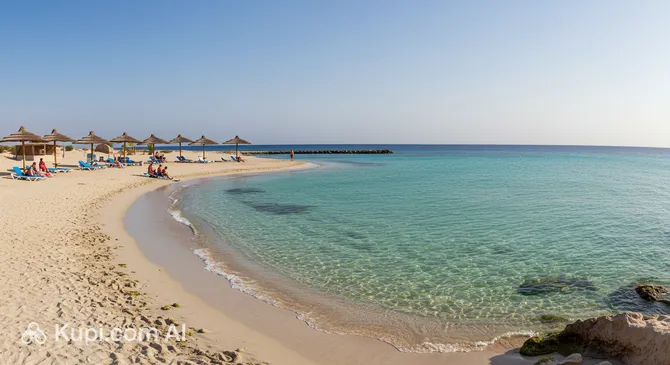
Marsa Matruh is a captivating resort city that serves as a serene escape from the hustle and bustle of daily life. Famous for its pristine white sands and crystal-clear turquoise waters, this Mediterranean haven is a favorite summer destination for both locals and international travelers. As the capital of the Matruh Governorate, it offers a unique blend of natural beauty and laid-back charm.
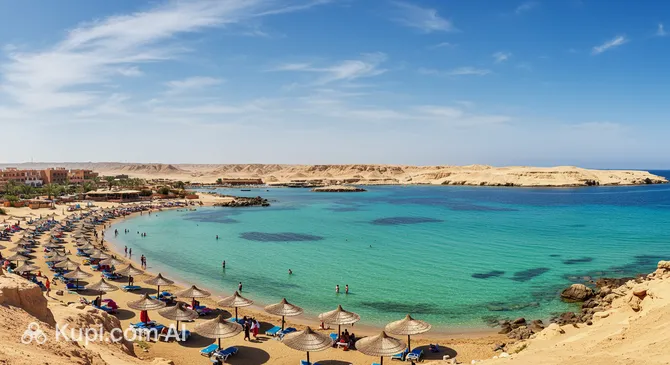
Marsa Matruh. Source: Kupi.Binoculars

Located on the northwestern coast of Egypt, the city benefits from a natural bay that protects its beaches from strong waves, creating calm, lagoon-like swimming conditions. With a population of approximately 108,000 residents, the city transforms into a vibrant hub during the summer months while retaining a peaceful atmosphere in the off-season.

Beyond its scenic coastline, the region holds significant cultural value. The history of Marsa Matruh is woven with legends of ancient rulers and pivotal moments in time. It is said that Alexander the Great stopped here during his journey to Siwa, and local folklore closely associates the area with the famous Queen Cleopatra.

Visitors are often drawn to the city's remarkable landmarks. Cleopatra's Bath, a natural rock formation where the queen is believed to have bathed, and the stunning Agiba Beach, known for its dramatic cliffs and caves, are must-see locations. Additionally, history enthusiasts can explore the legacy of World War II at the Rommel Museum, located in the caves once used by the German field marshal.

Whether you are looking to relax on soft sandy shores or explore intriguing historical sites, Marsa Matruh offers an unforgettable experience. It is the perfect destination for those seeking a tranquil retreat by the sea.
Weather Overview

Marsa Matruh enjoys a pleasant Mediterranean climate characterized by warm, sunny summers and mild winters. The city is known for its comfortable weather, which allows for outdoor activities throughout most of the year. During the peak summer month of August, the average temperature hovers around 27.4°C, with daytime highs reaching approximately 30.9°C, offering ideal conditions for beachgoers.

As the seasons change, the weather cools down significantly. January is typically the coldest month, seeing average temperatures of 14.0°C and lows dipping to 11.1°C. While the summer months from May to August are entirely dry with zero wet days, the winter period brings a slight increase in precipitation. You can expect about 5 to 7 wet days per month from November through January, although the overall rainfall remains quite low.

Travelers planning a visit should expect hot, dry summers perfect for swimming and cool, slightly breezier winters. For those looking to time their visit perfectly, it is helpful to consult a detailed weather guide before booking your trip to ensure the best possible experience.

Interesting Facts

Beyond the main attractions and stunning beaches, Marsa Matruh holds many fascinating secrets and local legends that add depth to its character. This coastal city is not just a summer resort but a place where history, culture, and unique geography intersect in surprising ways.

Rommel Cave Museum. Source: Kupi.Binoculars
  • The city played a strategic role during World War II, serving as a backdrop for pivotal military planning. The Rommel Cave Museum is located inside a natural U-shaped cave where the German Field Marshal Erwin Rommel, known as the "Desert Fox," reportedly set up his headquarters to orchestrate his North African campaigns.

  • Local folklore is deeply intertwined with modern pop culture at the Laila Murad Rock. This natural formation is named after the beloved Egyptian singer and actress Laila Murad, who famously sang a tribute to the city in a classic film, forever linking her legacy to the shoreline.

  • One of the city's most beautiful religious landmarks, the Sidi El-Awwam Mosque, carries a mystical origin story. It is dedicated to a pious man whose body reportedly washed ashore completely intact, inspiring the locals to construct the mosque on that very spot in his honor.

  • Due to its close proximity to the western border, the Libya Market Marsa Matrouh offers a shopping experience unlike anywhere else in the country. Here, visitors can find unique Bedouin items, rare herbs, and goods imported directly from neighboring Libya that are difficult to find in other Egyptian cities.

How to Get There

Reaching this Mediterranean coastal gem is part of the adventure, offering a chance to see the diverse landscapes of the region. For a complete overview of travel options, you can read more about how to get to Marsa Matruh to plan your journey effectively.

Travelers often choose to arrive via major transport hubs in neighboring cities. One significant entry point is Alamein International (IATA: DBB), located in the city of El Dabaa. This airport is situated approximately 126 km from Marsa Matruh. The transfer by taxi or bus typically takes approximately 1.5 to 2 hours, allowing you to enjoy a scenic drive along the coast.

Another common option is Borg El Arab Airport (IATA: HBE), found in the city of Alexandria. It is a larger hub located about 240 km from Marsa Matruh. Due to the greater distance, the travel time by road is estimated to be roughly 3 to 4 hours. This airport handles a significant volume of passengers and offers various connections.

For clarity, here is a summary of the main airports:

Airport Name City Passenger Traffic Km from City
Borg El Arab Airport Alexandria High 239.5
Alamein International El Dabaa Medium 126.0

Main Attractions

Marsa Matruh is renowned for its stunning coastline and historical intrigue, offering visitors a mix of natural beauty and cultural legends. One of the most famous landmarks is Cleopatra Beach, located to the northwest of the city. Legend has it that Queen Cleopatra herself used to bathe in the natural rock pool here, known as Cleopatra's Bath. Although the waves on the outer side can be quite strong and are often not suitable for swimming, the dramatic rock formations and the sunlit lagoon make it an exceptional spot for sightseeing and photography.

Cleopatra Beach. Source: Kupi.Binoculars

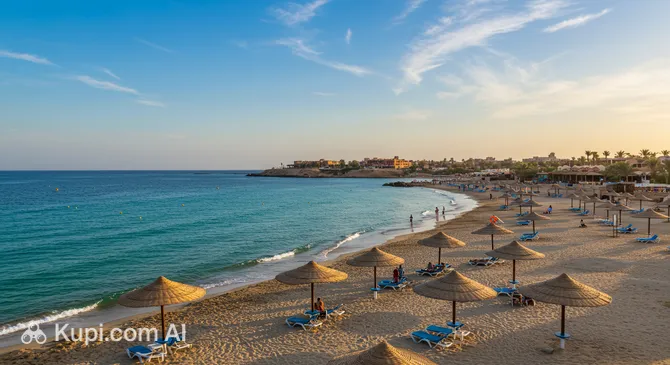
For those looking to enjoy the city's famous turquoise waters, Laila Murad Beach is a top choice. Named after the beloved Egyptian singer who popularized the city in her films, this beach is celebrated for its soft white sands and calm, clear sea. It is a lively destination equipped with various amenities, making it perfect for families and travelers wishing to relax by the Mediterranean in a vibrant atmosphere.

Laila Murad Beach. Source: Kupi.Binoculars

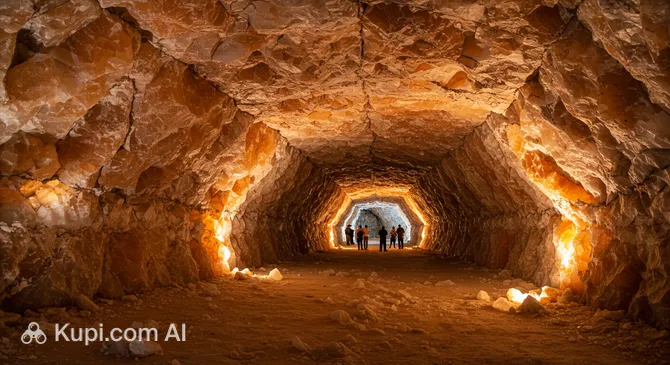
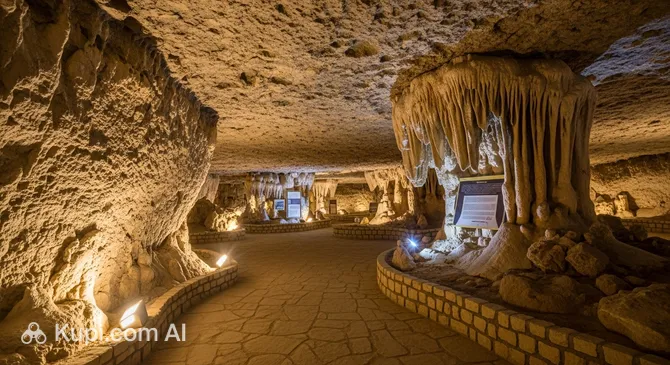
Travelers seeking a unique wellness experience should visit the Salman Salt Cave. This attraction offers therapeutic sessions in a man-made cave constructed from rock salt, which is believed to help with respiratory issues and stress relief. It provides a serene and cool environment, allowing visitors to unwind and rejuvenate away from the heat of the sun.

Salman Salt Cave. Source: Kupi.Binoculars

Local Cuisine

The culinary scene in Marsa Matruh is a delightful fusion of Mediterranean coastal flavors and rich Bedouin traditions. Thanks to its proximity to the western border, the local cuisine is heavily influenced by Libyan culture, offering dishes that are distinct from those found in other parts of Egypt. Visitors can expect a feast that centers around fresh seafood, hearty meats, and aromatic spices.

One of the absolute must-try dishes in the city is Mabakbaka (or Mbakbeka), a spicy one-pot pasta dish cooked with tomato sauce and meat, usually lamb or chicken. This Libyan-inspired specialty is a staple in local households and restaurants alike. Being a coastal city, Marsa Matruh also excels in seafood. Freshly caught seabass, mullet, and crab are commonly grilled to perfection over charcoal, often seasoned simply with lemon, cumin, and oil to let the natural flavors shine.

No meal in Marsa Matruh is complete without the traditional beverage of the region: Bedouin tea. Known locally as "Shay Zarad," this tea is brewed over hot coals and served in small glasses. It is typically strong, sweet, and often infused with lemongrass or mint, serving as a symbol of hospitality. For a non-alcoholic refresher, fresh sugarcane juice and hibiscus tea (Karkade) are widely available and perfect for cooling down after a day at the beach.

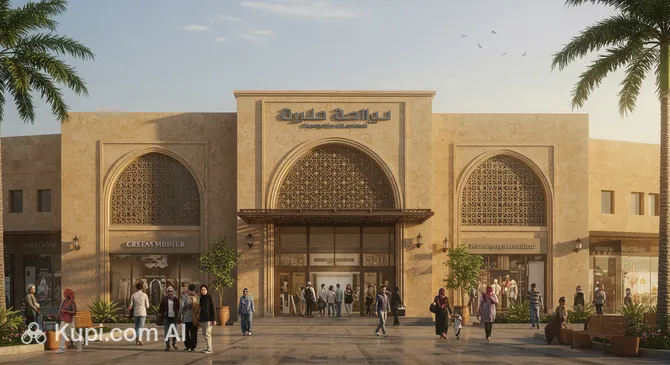
Libya Market Marsa Matrouh. Source: Kupi.Binoculars

For those interested in the ingredients that define this cuisine, a visit to the Libya Market Marsa Matrouh is a gastronomic adventure in itself. Here, food lovers can find high-quality olive oil, desert herbs, and the famous Siwi dates brought in from the nearby oasis. It is the perfect place to explore the local food culture and pick up edible souvenirs.

Dining out in the city ranges from traditional Bedouin tents serving meals on low tables to casual modern eateries. If you are looking for a familiar bite amidst the local specialties, Uno Pizza is a popular spot among tourists and locals for a relaxed dinner. However, the true essence of Marsa Matruh's food scene is best experienced by trying the street food and local grills that line the bustling streets during the summer evenings.

Travel Tips

Welcome to Marsa Matruh, often affectionately called the "Maldives of Egypt" for its stunning turquoise waters. To help you navigate this beautiful coastal city with ease and confidence, we have compiled a list of essential practical tips for your journey.

  1. Clothing and Gear: Marsa Matruh has a hot Mediterranean climate in the summer, so lightweight, breathable cotton fabrics are essential. However, evenings can be breezy, so packing a light jacket is wise. While beachwear is perfectly acceptable on the sand, remember to dress modestly when walking around the city center or visiting markets; covering shoulders and knees is a sign of respect. Don't forget high-SPF sunscreen, sunglasses, and comfortable sandals for exploring the rocky coastlines.

  2. Transportation: The most convenient way to get around is by local taxi. Since meters are rarely used here, it is standard practice to negotiate and agree on the fare before getting into the car. For a unique local experience along the Corniche, hop on the Taf-Taf, an open-air bus that shuttles tourists between the city center and the beaches. Public microbuses exist but can be confusing for first-time visitors.

  3. Finances: The local currency is the Egyptian Pound (EGP). While high-end hotels and some modern restaurants accept credit cards, cash is king in Marsa Matruh. You will definitely need cash for the Libya Market, small cafes, and taxi fares. ATMs are widely available throughout the city. Tipping, or baksheesh, is customary; leaving around 10% at restaurants or small change for service staff is appreciated.

  4. Health and Safety: Pharmacies are plentiful and often stay open late into the night; look for the green cross sign. It is highly recommended to drink bottled water instead of tap water to avoid stomach issues. In terms of safety, Marsa Matruh is very family-friendly, but always swim in designated areas. Be cautious at spots like Cleopatra’s Bath, where the currents can be strong and the rocks slippery.

  5. Communication: Arabic is the official language. While staff at major resorts and tourist hotspots usually speak English, it is less common in local markets. Learning a few basic words like "Shukran" (Thank you) and "Salam" (Hello) goes a long way. Buying a local SIM card (Vodafone, Orange, Etisalat, or WE) is recommended for reliable internet access and using map apps.

  6. Local Etiquette: Egyptians are known for their hospitality. If you are invited for tea, it is polite to accept. When greeting locals, a handshake is common, but wait for a person of the opposite gender to extend their hand first. Public displays of affection are generally frowned upon and should be avoided to respect local conservative norms.

  7. What to Avoid: Do not photograph military zones, police checkpoints, or government buildings, as this is strictly prohibited. Additionally, avoid wearing swimwear outside of the beach areas; walking through the town shirtless or in a bikini is considered inappropriate.

  8. Local Insight: Embrace the late-night culture! During the summer season, the city truly comes alive after sunset. Shops, cafes, and the famous Libya Market often stay open until the early hours of the morning (sometimes until 3 or 4 AM), allowing you to shop and dine in the cool evening air.

By keeping these practical tips in mind, you will be well-prepared to enjoy the laid-back charm and breathtaking scenery of Marsa Matruh. Have a wonderful trip and soak up every moment of the Mediterranean magic!

Entertainment & Nightlife

Entertainment in Marsa Matruh takes on a unique character that distinguishes it from other Egyptian resort destinations. Unlike the high-energy clubbing scenes found in Sharm El Sheikh or Hurghada, the nightlife here is centered around vibrant street life, social gatherings, and a festive family atmosphere that lasts well into the early morning hours. The city truly comes alive after sunset, when the heat of the day subsides and the streets fill with locals and tourists alike.

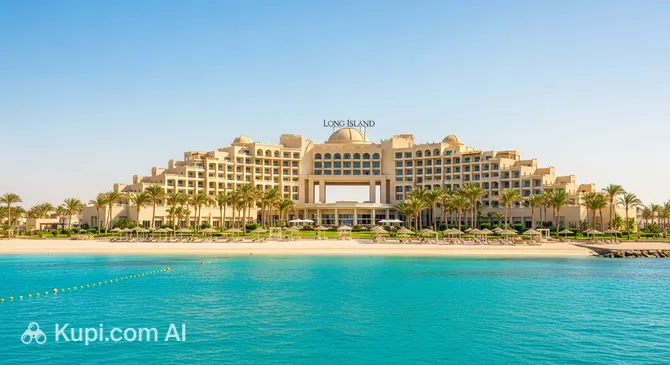
The epicenter of evening activity is undoubtedly the Corniche. This long waterfront promenade is bustling with energy, lined with cafes, cafeterias, and stalls selling everything from grilled corn to ice cream. It is the perfect place for a night walk, where you can soak in the cool Mediterranean breeze and watch the city light up. For a relaxed evening with a view, many visitors head to resorts like Long Island, which offers a serene environment to unwind by the water, often featuring comfortable seating areas and evening dining options.

Long Island. Source: Kupi.Binoculars

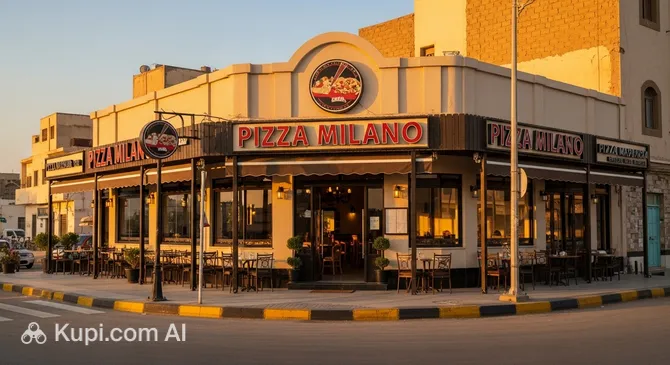
While standalone nightclubs are rare due to the conservative nature of the city, you can find lively venues and bars within the major hotels and resorts. For those seeking a delicious late-night meal in a spirited setting, Pizza Milano is a popular choice. It attracts a cheerful crowd and serves as a great spot to refuel after a long evening of walking. Another notable location for a pleasant evening out is the Arab Contractors Resort, which often hosts guests looking for quality service and a comfortable ambiance.

Shopping is a major part of the nightlife culture here. The famous Libya Market (Souq Libya) stays open very late, often until 3:00 or 4:00 AM during the summer season. It transforms into a vibrant night market where the air is filled with the scent of herbs and spices. It is the ideal time to browse for traditional Bedouin products without the scorching midday sun. The atmosphere is generally loud, friendly, and chaotic in the best possible way.

Pizza Milano. Source: Kupi.Binoculars

Regarding daytime entertainment, the city offers more than just beaches. Visitors can explore local cinemas that screen the latest Egyptian movies or take children to small amusement parks located along the Corniche. Cultural enthusiasts might enjoy a quiet afternoon visiting the local museums before the evening rush begins.

Practical Advice: The best time to experience the nightlife is between 10:00 PM and 2:00 AM. The city is extremely safe for walking at night, even for families and solo female travelers, though modest dress is recommended in public streets. Getting around is easy; the open-sided Taf-Taf buses run up and down the Corniche and are a fun, inexpensive way to see the sights. Taxis are also plentiful, but be sure to agree on the fare before hopping in.

Parks & Museums

While Marsa Matruh is not characterized by lush botanical gardens typical of the Nile Delta, its natural beauty is defined by dramatic geological formations and pristine coastal landscapes that serve as open-air sanctuaries. The city combines these natural wonders with a selection of cultural sites that preserve its rich history, ranging from ancient legends to pivotal moments in the 20th century.

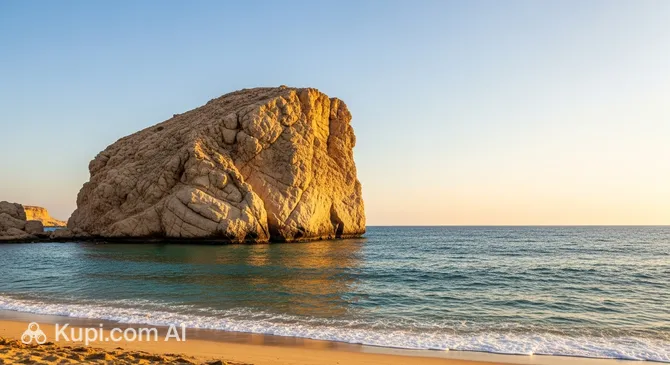
One of the most striking natural areas is the coastline surrounding the Laila Murad Rock. This famous rock formation, jutting out of the turquoise water, is a natural landmark that has become a symbol of the city. It offers a perfect backdrop for photography and a peaceful spot to admire the power of the Mediterranean waves. Visitors often flock here to witness the interplay of light and water against the stone, making it a scenic alternative to a traditional park.

Laila Murad Rock. Source: Kupi.Binoculars

Another significant natural site is Agiba, which translates to "Miracle." Although primarily a beach, its high limestone cliffs and natural caves function as a geological park where visitors can hike along the ridge to enjoy panoramic views of the layered blue waters below. The area is distinct for its rugged beauty and is an essential stop for nature lovers seeking to explore the unique topography of the Mediterranean coast.

For those interested in history, the Rommel Cave Museum is the city's premier historical venue. Housed inside a natural U-shaped cave, this museum served as the headquarters for the German Field Marshal Erwin Rommel during World War II. Today, it displays a collection of military maps, weapons, and personal belongings of the commander. It provides a fascinating glimpse into the military strategies of the era and the city's strategic importance during the North African campaign.

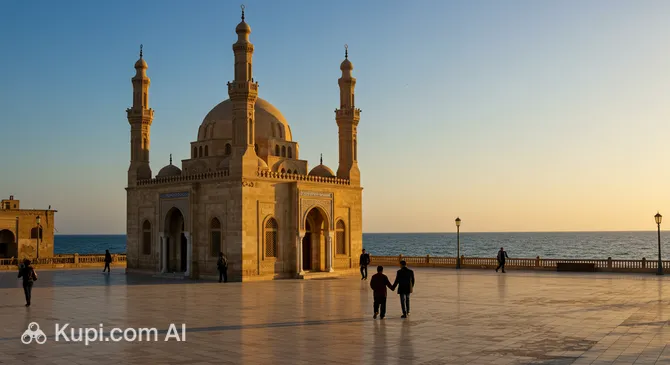
Architecturally, the city is home to the stunning Sidi El-Awwam Mosque, which stands as a masterpiece of modern Islamic design. Located near the corniche, this mosque is not only a place of worship but also a major cultural landmark. Its pristine white façade and elegant dome are illuminated beautifully at night. It is named after a pious man whose tomb is located within the complex, making it a site of local reverence and architectural interest.

Sidi El-Awwam Mosque. Source: Kupi.Binoculars

Insider Tip: For a truly authentic experience, visit the area around the Sidi El-Awwam Mosque just before sunset. The spacious plaza in front of the mosque acts as a community gathering space where families enjoy the cool evening breeze, offering a glimpse into the relaxed social life of Marsa Matruh away from the tourist-heavy beaches.

Getting Around

The public transport system in Marsa Matruh is simple, informal, and entirely road-based. Unlike larger metropolises, the city does not have a metro, tram, or extensive large bus network. Instead, locals and tourists rely heavily on a combination of privately operated microbuses, taxis, and a unique local transport option known as the "Taf-Taf." The system is designed to handle the seasonal influx of visitors, with services becoming much more frequent and active during the busy summer months.

For everyday travel, microbuses serve as the backbone of the city's transit. These white vans follow specific routes connecting the city center to various neighborhoods and popular beaches like Agiba or Ubayyad. They are an incredibly affordable way to get around, though they can be crowded and do not have fixed timetables. To catch one, you simply stand by the side of the road and wave; the destination is usually shouted by the driver or displayed on the windshield.

A special feature of Marsa Matruh's transport scene is the Taf-Taf. These are open-air, train-like buses consisting of a tractor pulling several passenger carriages. They run primarily along the Corniche, shuttling passengers between the city center and the various beaches along the coastline. Riding the Taf-Taf is considered an essential part of the tourist experience, offering a breezy, scenic, and inexpensive way to view the sea while moving from one spot to another.

Taxis are the most convenient option for tourists who value privacy and direct routes. You will see them everywhere, often painted in combinations of black and white or yellow and white. It is important to note that taxis in the city rarely use meters. The fare is based on negotiation, so you must agree on a price with the driver before getting into the car. Asking a local shopkeeper or your hotel receptionist for the approximate fair rate beforehand is a good strategy to avoid overpaying.

The payment system across all modes of transport is strictly cash-based. There are no travel cards, mobile apps, or electronic ticket machines. You pay the driver directly, usually at the end of the trip for taxis or upon boarding for microbuses and the Taf-Taf. Prices are generally very low compared to international standards. It is highly recommended to carry small denominations of the local currency, as drivers often struggle to make change for large banknotes.

Operating hours vary by season. In the summer, transport runs almost 24 hours a day, reflecting the city's late-night lifestyle. The Taf-Taf and taxis are particularly active from sunset until the early hours of the morning. In the winter off-season, services are less frequent and tend to wind down earlier in the evening.

For shorter distances, especially along the waterfront, walking is a pleasant alternative, thanks to the wide promenades. Additionally, bicycle rentals are popular along the Corniche, allowing visitors to leisurely explore the coastline at their own pace. Car sharing apps are not widely established in the city, so relying on street-hailed taxis or arranged private transfers remains the standard.

Accommodation

Accommodation in Marsa Matruh caters primarily to summer vacationers, offering a diverse mix of options that range from upscale seaside resorts to budget-friendly city hotels. A significant portion of the local lodging market consists of furnished apartments and "chalets," which are extremely popular among families seeking a home-away-from-home experience with kitchen facilities. While luxury international chains are less common here than in other Egyptian resort towns, visitors will find plenty of comfortable, locally run establishments that emphasize hospitality and proximity to the sea.

When choosing where to stay, location is key. Travelers who prefer easy access to dining, shopping, and the vibrant evening atmosphere should look for hotels along the central Corniche or near the downtown area. This places you within walking distance of the public beaches and the bustling markets. Conversely, those seeking tranquility and exclusive beach access often opt for the resorts located further west along the coast, towards the Ubayyad and Agiba roads, where the setting is more secluded and private.

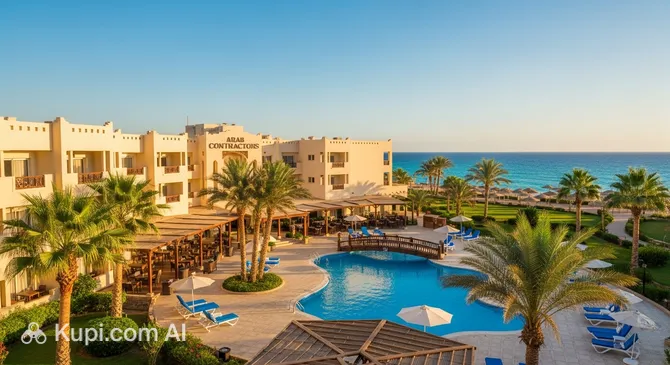
Among the notable establishments in the city, the Arab Contractors Resort is a well-regarded option. Known for its reliable service and extensive facilities, it provides a comfortable base for visitors looking to enjoy the coastal environment. Another distinctive choice is Long Island, a resort situated in a prime location that allows guests to fully immerse themselves in the scenic beauty of the lagoon and enjoy a relaxing retreat by the water.

Arab Contractors Resort. Source: Kupi.Binoculars

Booking Tip: Marsa Matruh is a highly seasonal destination. During the peak summer months of June through August, the city is incredibly busy, and the best accommodations sell out weeks in advance. It is highly recommended to secure your booking well ahead of your trip. While hotels can be booked via major online platforms, many furnished apartments are rented through local real estate agents or social media groups, so researching options early is essential.

Prices fluctuate significantly depending on the season. In the winter, accommodation is very affordable, but rates can double or triple during the summer rush. Generally, the city offers excellent value for money compared to Red Sea destinations, with options available for every budget, from economical hostels to mid-range and higher-end resort stays.

Nearby Cities

For those looking to explore the surroundings, Marsa Matruh serves as an excellent base for day trips to several interesting nearby locations:

City Population Distance (km)
Alexandria 4,870,000 256
Al Agami 300,000 243
Kafr El Dawwar 262,748 277
Damanhur 244,043 310
Desouk 143,404 326

While the journey to these cities requires a few hours of travel, they offer a completely different atmosphere from the quiet beaches of Marsa Matruh. Alexandria is undoubtedly the most significant destination for a day trip or an overnight stay. Known as the "Pearl of the Mediterranean," it is Egypt's second-largest city and a hub of history and culture. Visitors can explore the legendary Bibliotheca Alexandrina, walk along the historic Corniche, or visit the 15th-century Citadel of Qaitbay. The city offers a bustling urban experience with rich Greco-Roman heritage that contrasts sharply with the laid-back resort vibe of Matruh.

Located just west of Alexandria, Al Agami provides a different coastal experience. Once a quiet summer retreat for Egypt's elite, it has transformed into a lively resort district known for its private villas and busy summer atmosphere. It is a popular stop for those interested in seeing how local Alexandrians spend their holidays, offering a mix of chaotic energy and seaside charm.

These nearby destinations offer a glimpse into the diverse culture and landscapes of the region.

Shopping & Souvenirs

Shopping in Marsa Matruh is a vibrant and immersive experience that reflects the city's unique cultural position as a gateway between the Nile Valley and the Libyan border. Unlike the polished, high-end retail hubs found in Cairo or Dubai, the shopping scene here is traditional, bustling, and deeply rooted in local commerce. Visitors will not find massive luxury shopping malls; instead, the city offers lively street markets and open-air bazaars where the thrill of discovery and the art of bargaining are part of the adventure.

The heartbeat of the city's commercial life is Alexandria Street (Sharia Iskandriya). This is the main thoroughfare and the most popular destination for an evening stroll. Lined with countless shops, boutiques, and vendors, it comes alive after sunset. Here, tourists can find a wide array of goods ranging from summer clothing and beachwear to shoes and accessories. The atmosphere is energetic, with bright lights and the sound of music spilling out from storefronts, making it a fun place to window shop and soak in the local vibe.

While Marsa Matruh does not host large western-style shopping complexes, its markets more than make up for it with their character. The most famous and essential stop for any shopper is the Libya Market Marsa Matrouh (Souq Libya). This renowned market is a treasure trove of goods imported from neighboring Libya and products from the nearby Siwa Oasis. It is a labyrinth of small stalls where you can find unique items that are difficult to locate elsewhere in Egypt, such as high-quality Bedouin rugs, distinct cosmetics, and heavy winter blankets.

When it comes to souvenirs, the region offers several distinct specialties that make for perfect gifts. Siwi dates are a top priority; they are widely considered some of the best in the world and can be bought fresh or packed. Bedouin herbs and tea, particularly the strong "desert tea" mixes and dried lemongrass, are also very popular. Additionally, visitors often purchase pure olive oil produced in the region, as well as therapeutic rock salt lamps crafted from the salt lakes of Siwa, which are believed to purify the air.

Store hours in Marsa Matruh are heavily influenced by the season and the heat. During the summer, shops typically open late in the morning, around 10:00 AM or 11:00 AM, and many close for a break during the hottest part of the afternoon. However, they reopen in the evening and stay open very late, often until 2:00 AM or 3:00 AM, catering to the night-owl crowds. In terms of payment, cash is king. While a few larger supermarkets or pharmacies might accept credit cards, the vast majority of market stalls and small shops deal exclusively in Egyptian Pounds (EGP). It is advisable to carry plenty of small change.

Regarding tax-free shopping, tourists should be aware that the tax refund systems found in major international airports or large department stores are generally not applicable in the local markets of Marsa Matruh. The shopping experience here is informal, and receipts are rarely issued in a format suitable for VAT refunds. The focus is on the immediate value and the negotiation of the price rather than formal tax reclamation.

Nearby cities

Reached the end of the page?

That means the route is fully explored