Support

Alexandria

About

Known affectionately as the Pearl of the Mediterranean, Alexandria is a city where antiquity and modernity blend seamlessly against a backdrop of azure waters. As the second-largest city in Egypt, it serves as a vital economic center and a cultural beacon, offering a distinct atmosphere that is more relaxed and cosmopolitan than the capital. Founded by Alexander the Great, the city has long been a legendary crossroads of civilizations, renowned for its intellectual heritage and coastal charm.

Geographically, Alexandria extends along the northern coast of the country, enjoying a pleasant Mediterranean climate that makes it a favored summer retreat for locals and tourists alike. With a population of approximately 4.9 million people, it is a bustling metropolis that also functions as the nation's principal port. The city's layout hugs the shoreline, ensuring that the refreshing sea breeze and scenic views are never far away.
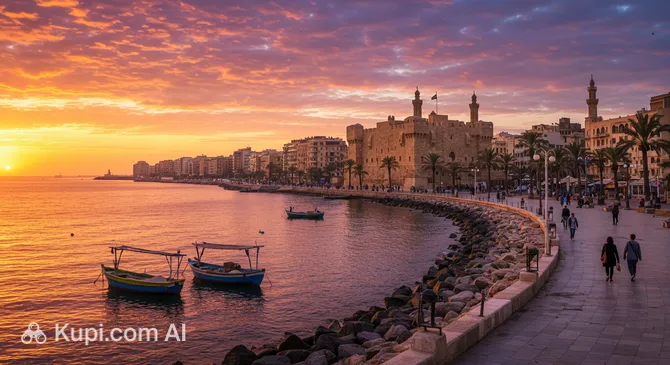
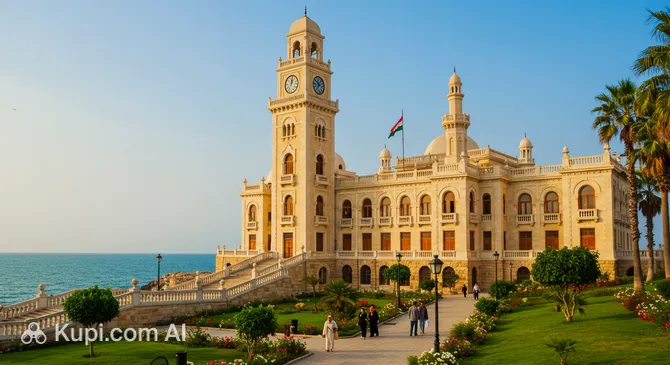
Alexandria. Source: Kupi.Binoculars

The fascinating history of Alexandria is etched into its streets and monuments. Once home to the famous Pharos Lighthouse, one of the Seven Wonders of the Ancient World, the city continues to captivate visitors with its archaeological treasures. Today, the striking Bibliotheca Alexandrina stands as a modern tribute to the ancient Great Library, serving as a major cultural complex. Nearby, the 15th-century Citadel of Qaitbay stands guard over the harbor, while the Catacombs of Kom el Shoqafa reveal a unique fusion of Pharaonic and Roman artistic styles deep underground.

Whether you are strolling along the iconic Corniche, enjoying fresh seafood by the water, or exploring ancient ruins, Alexandria promises an enriching experience. It is a destination that invites you to immerse yourself in the legacy of the ancient world while enjoying the vibrant energy of a living, breathing coastal city.
Weather Overview

Alexandria benefits from a pleasant Mediterranean climate, distinct from the desert climate found in much of the rest of the country. The city generally enjoys warm summers and mild winters, with the sea breeze providing a refreshing respite. To help plan your activities and packing, you can view more detailed information about the weather in Alexandria.

The summer months, spanning from June to September, are characterized by sunshine and very little precipitation. August is typically the warmest month, with average temperatures around 27.8°C and highs reaching up to 30.8°C. During this period, the city sees almost 0 wet days, making it an excellent time for seaside visits.

Winter brings cooler air and increased cloud cover, particularly in January and February. January is usually the coolest month, with an average temperature of 15.1°C and lows dipping to 12.4°C. This season also brings the most rain, with January experiencing approximately 11 wet days, so carrying a light jacket and an umbrella is advisable if you visit early in the year.

Overall, you can expect warm, dry summers perfect for outdoor exploration and mild winters with occasional rain showers.

Interesting Facts

Beyond the main attractions and the famous coastline, Alexandria holds many fascinating secrets that peel back layers of history and local culture. Here are some intriguing details that make this coastal city truly unique.

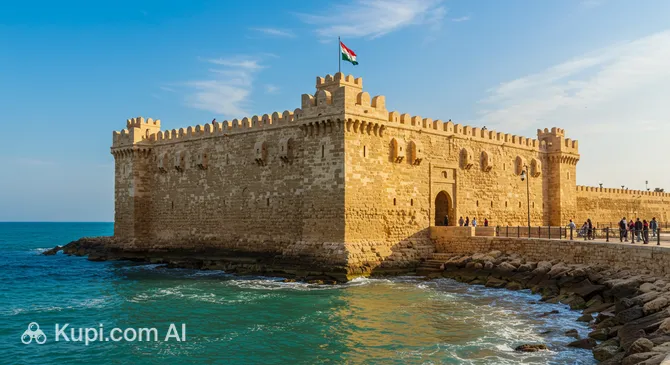
Citadel of Qaitbay. Source: Kupi.Binoculars
  • The discovery of the Catacombs of Kom el Shoqafa is the stuff of local legend. These extensive Roman-era tunnels, now considered a marvel of engineering, were reportedly found by accident in 1900 when a donkey wandering the area fell through the ground into the ancient access shaft.

  • While the legendary Pharos Lighthouse no longer stands, its physical legacy survives in the Citadel of Qaitbay. The 15th-century fortress was built on the exact site of the ancient wonder, and historical accounts suggest that fallen stones from the ruined lighthouse were recycled to construct the citadel's formidable walls.

  • Alexandria is home to the oldest operating tram system in Africa, which began service in 1860. Originally drawn by horses, the network evolved into the iconic blue and yellow electric trams that still weave through the city streets today, offering a nostalgic way to travel.

  • The stunning granite exterior of the Bibliotheca Alexandrina is carved with characters, letters, and symbols from 120 different human scripts. This architectural feature symbolizes the library's mission to serve as a universal storehouse of knowledge for all cultures.

How to Get There

Reaching the Mediterranean coast of Egypt is straightforward, with several convenient options available for travelers. Whether you prefer flying directly near the coast or landing in the capital and taking a scenic overland journey, you can easily find a route that suits your itinerary. For a complete overview of all transportation methods, you can read more about how to get to Alexandria.

The primary gateway for those wishing to fly directly is Borg El Arab Airport (IATA: HBE). Located approximately 38 km southwest of the city center, it serves as the main hub for Alexandria, handling both domestic and international flights. A taxi ride from this airport to downtown Alexandria typically takes around 1 hour and 20 minutes, depending on traffic. With an annual passenger traffic of over 1.7 million, it is a bustling regional facility that offers a convenient entry point without the congestion of the capital's airspace.

Alternatively, many international visitors choose to fly into Cairo International Airport (IATA: CAI), which is the busiest airport in the country. Situated in the city of Cairo, about 186 km from Alexandria, this major hub welcomes approximately 26 million passengers annually. While it is not in Alexandria itself, it offers a much wider range of international connections. From Cairo, travelers can reach Alexandria by bus, train, or private car, with the journey by road generally taking between 2.5 to 3.5 hours.

For clarity, here is a summary of the main airports serving the region:

Airport Name City Passenger Traffic Km from City
Cairo International Airport Cairo Large 186.0
Borg El Arab Airport Alexandria Medium 37.8
Giza Sphinx Giza Medium 152.9
Alamein International El Dabaa Medium 142.5

Traveling by train is another excellent and popular way to reach Alexandria, particularly if you are arriving from Cairo. The Egyptian railway network connects the two cities efficiently, with frequent services running daily. The journey offers a comfortable ride through the Nile Delta, allowing you to witness the lush agricultural landscapes of the country. Trains typically arrive at Misr Station, the city's main railway terminal, or Sidi Gaber station, both of which are centrally located and provide easy access to hotels and attractions.

Main Attractions

Alexandria is a city where history is layered like pages in a book, offering visitors a fascinating journey through time alongside a vibrant modern coastal life. From ancient Roman ruins to architectural masterpieces of the 21st century, the city's landmarks are diverse and captivating. Here are some of the most interesting places to visit during your stay.

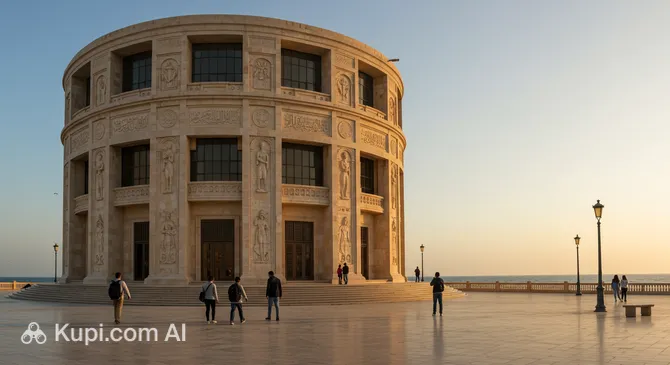
A striking symbol of the city's intellectual heritage is the Bibliotheca Alexandrina. This massive cultural complex was built to commemorate the ancient Great Library of Alexandria and is a marvel of modern architecture. Beyond its vast main reading room, which can hold eight million books, the complex houses four museums, a planetarium, and art galleries. It is a must-visit for anyone interested in culture, history, and science, offering a deep dive into Egypt's rich past and bright future.

Bibliotheca Alexandrina. Source: Kupi.Binoculars

For a taste of royal elegance and a relaxing escape from the city bustle, head to the Montaza Palace. Perched on a hill overlooking the Mediterranean Sea, this complex features extensive gardens, pine forests, and two beautiful palaces. While the buildings themselves are not always open to the public, the lush grounds are a favorite spot for walking and picnicking. The architecture blends Turkish and Florentine styles, creating a fairytale-like atmosphere right on the coast.

Montaza Palace. Source: Kupi.Binoculars

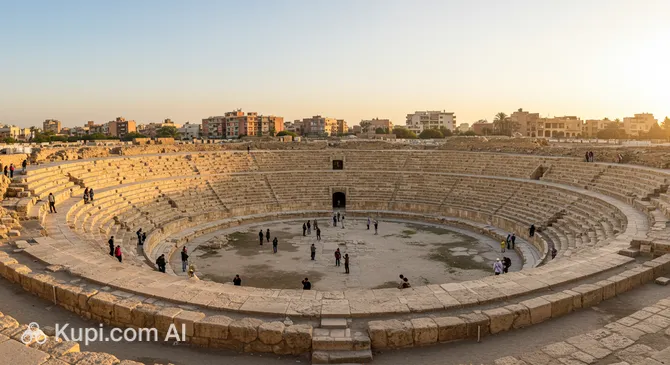
History enthusiasts will be amazed by the Roman Amphitheatre of Alexandria, located in the Kom el-Dikka district. Discovered accidentally during construction work in the 1960s, this is the only known Roman amphitheater in Egypt. The site features well-preserved marble seating, mosaic flooring, and the remains of a Roman villa (the Villa of the Birds). It provides a unique glimpse into the Greco-Roman period of the city and serves as an open-air museum in the heart of the downtown area.

Roman Amphitheatre of Alexandria. Source: Kupi.Binoculars

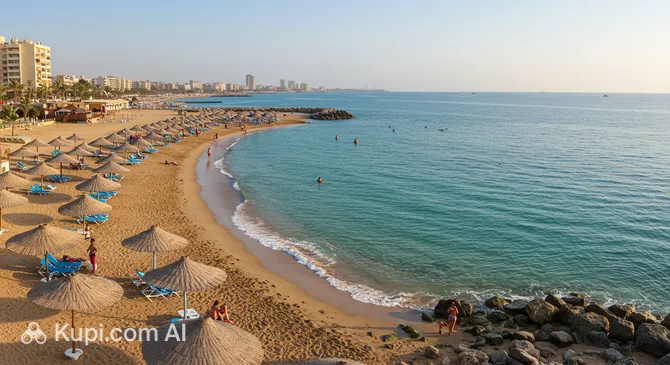
To experience the modern seaside vibe of the city, a visit to Stanley Beach is essential. Famous for the iconic Stanley Bridge that spans the bay, this area offers some of the best sea views in Alexandria. The bridge itself is a popular landmark for photography, especially at sunset or when illuminated at night. The beach is lined with rows of cabins and offers a classic Mediterranean atmosphere where you can enjoy the sea breeze and watch the waves roll in.

Stanley Beach. Source: Kupi.Binoculars

Local Cuisine

The culinary landscape of Alexandria is a vibrant reflection of its history as a Mediterranean port city, blending traditional Egyptian flavors with Greek and Italian influences. As the "Pearl of the Mediterranean," the city is naturally renowned for its exceptional seafood. Fresh catches arrive daily at the harbor, and you will find countless restaurants along the coast serving everything from grilled sea bass (singari) to fried calamari and shrimp, often accompanied by sayadeya rice, a brown rice cooked with caramelized onions that perfectly complements the fish.

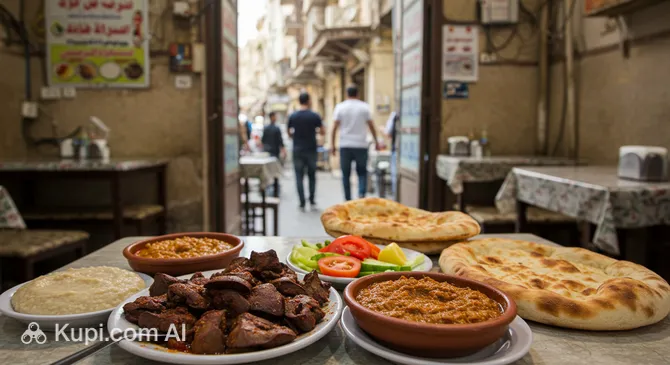
However, the undisputed king of local street food is Kebda Iskandarani (Alexandrian Liver). This signature dish consists of beef liver cut into small pieces and stir-fried with spicy green peppers, garlic, and a splash of vinegar or lime. It is typically served in fresh baladi bread or long sandwiches and is a must-try for any visitor. For an authentic taste of this local legend, you can visit Kebda Awlad El Fellah, a renowned spot that has mastered this spicy delicacy.

Kebda Awlad El Fellah. Source: Kupi.Binoculars

When it comes to beverages, the city has a rich café culture. Locals love to spend hours at traditional coffee shops, or "ahwas," sipping on strong Turkish coffee or mint tea while watching the world go by. Fresh fruit juices are also incredibly popular, with sugarcane juice (asab) and mango juice being refreshing staples during the warm summer months. For those looking for alcoholic beverages or a lively evening atmosphere, the city offers historic and quirky watering holes like the Spitfire Bar, one of the oldest bars in town known for its maritime memorabilia.

Dining in Alexandria is as much about the atmosphere as it is about the food. The city offers a diverse range of experiences, from grabbing a quick sandwich from a street vendor to enjoying a leisurely meal with a sea view. Families and groups often gather at large dining complexes like Tivoli Dome Alexandria, which hosts a variety of restaurants and cafes in a scenic setting. Whether you are indulging in a late-night dinner or a sunny seaside breakfast, the gastronomic spirit of Alexandria is sure to leave a lasting impression.

Travel Tips

Preparing for a trip to the "Pearl of the Mediterranean" requires a little insider knowledge to ensure your journey is as smooth as it is memorable. Here are some practical tips to help you navigate Alexandria with ease and enjoy your stay to the fullest.

  1. Clothing and Gear: Summers are hot and humid, so pack breathable fabrics like cotton and linen. However, unlike other parts of Egypt, Alexandria sees significant rain and cooler temperatures in winter, so a waterproof jacket and layers are essential if visiting between December and February. While the city is cosmopolitan, modest dress is appreciated; covering shoulders and knees is respectful when walking in local neighborhoods or visiting religious sites.

  2. Transportation: The city's iconic yellow and blue trams are a charming and incredibly cheap way to see the city, though they move slowly. For efficient travel, ride-hailing apps like Uber or Careem are highly recommended as they bridge the language gap and provide fixed pricing. Traditional yellow and black taxis are everywhere, but you must agree on the fare before getting in to avoid disputes.

  3. Finances: The local currency is the Egyptian Pound (EGP). While credit cards are accepted in major hotels and upscale restaurants, cash is absolute king for street food, small cafes, and taxis. ATMs are widely available. Tipping, known locally as baksheesh, is expected for most services, so keep a supply of small bills handy for porters, waiters, and bathroom attendants.

  4. Health and Safety: Pharmacies are abundant, easily identified by a green cross, and many operate 24/7 to provide advice and over-the-counter medications. It is strongly advised to drink only bottled water to avoid stomach issues. When crossing the Corniche or main streets, be extremely cautious; traffic can be chaotic, so it is often safest to cross alongside a local.

  5. Communication: Arabic is the official language. English is spoken in hotels and tourist areas, but less so in local markets. Learning basic words like "Shukran" (Thank you) and "Salam" (Hello) is very well received. For reliable internet, purchase a local SIM card (Vodafone, Orange, Etisalat, or WE) at the airport or an official store, as public Wi-Fi is not always dependable.

  6. Local Etiquette: Alexandrians are known for their hospitality. Greetings are warm, often involving a handshake. Public displays of affection, such as kissing or prolonged hugging, are frowned upon in public spaces. When eating traditional food without cutlery or handing money to someone, always use your right hand.

  7. What to Avoid: Strictly avoid taking photographs of military installations, police stations, or government buildings, as this is prohibited and can lead to serious trouble. Also, try to avoid engaging with aggressive street vendors; a polite but firm "La, shukran" (No, thank you) and walking away is the best strategy.

  8. City Rhythm: Alexandria is a city of night owls. Shops, cafes, and restaurants often stay open very late, especially during the summer months. To truly experience the local vibe, take a walk along the Corniche after sunset when families and friends gather to enjoy the cool sea breeze and socialize.

With these practical insights in hand, you are ready to embrace the unique charm and history of this coastal metropolis. Relax, enjoy the warm hospitality, and let the city's vibrant rhythm guide your adventure by the sea.

Entertainment & Nightlife

As the sun sets over the Mediterranean, Alexandria transforms from a bustling port city into a vibrant hub of evening activity. The nightlife here offers a distinct blend of traditional Egyptian café culture and a more cosmopolitan, European-influenced scene. Unlike the resort towns on the Red Sea, the atmosphere in Alexandria is more sophisticated and relaxed, centered around socializing, dining, and enjoying the cool sea breeze.

The heartbeat of the city's evening life is undoubtedly the Corniche. This waterfront promenade remains busy well into the night, filled with families, couples, and groups of friends strolling or sitting by the sea. For a more upscale experience, the district of Kafr Abdu is known for its leafy streets, chic cafes, and elegant dining spots. Meanwhile, the areas around Raml Station and the major hotels in San Stefano and Montaza host many of the city's licensed bars and clubs, catering to those looking for cocktails and music.

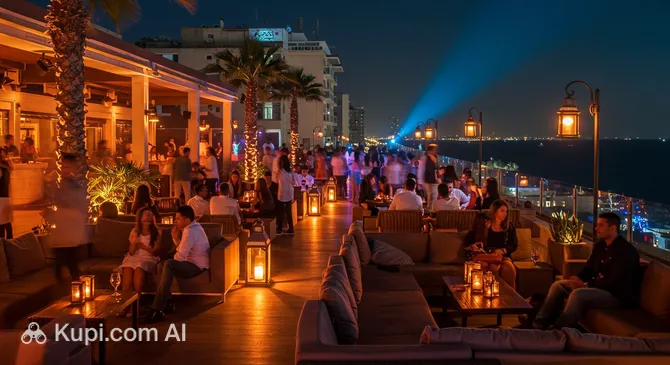
For a memorable night out with a view, Skyroof is a standout venue. Located atop the historic Windsor Palace Hotel, this rooftop lounge offers panoramic views of the Eastern Harbor and the Qaitbay Citadel. The atmosphere here is a mix of nostalgic charm and modern energy, making it a perfect spot to enjoy a drink while watching the city lights reflect on the water. The dress code is generally smart casual, and it is a favorite among both locals and visitors seeking a touch of elegance.

Skyroof. Source: Kupi.Binoculars

If you are looking for a more energetic vibe with music and dancing, NYX Lounge provides a modern clubbing experience. It attracts a trendy crowd and often features DJ sets that keep the energy high late into the night. For a slightly more laid-back evening that combines good food with a bar atmosphere, Jeeda's is another excellent choice. It offers a cozy setting where you can enjoy authentic appetizers and drinks, making it ideal for starting your night or winding down after a long day of sightseeing.

Practicalities are important for enjoying Alexandria after dark. The action typically starts late, with many venues not filling up until after 10:00 PM. Alcohol is available but is generally expensive due to taxes, and it is mostly found in hotels or specific licensed bars. Getting around is best done via ride-hailing apps like Uber or Careem, which are safe, reliable, and overcome any language barriers with drivers. While the city is generally safe for night walks, especially along the main roads and the Corniche, it is advisable to stay in well-lit, populated areas and avoid unlit side streets late at night.

Beyond the nightlife, Alexandria offers plenty of daytime entertainment options. Culture lovers can explore the extensive collection at the Greco-Roman Museum, which showcases the city's rich history. For families or those seeking lighthearted fun, the city has several amusement centers. Magic Planet Alexandria, located within the City Centre Alexandria mall, offers a wide range of arcade games and rides, providing a perfect break from the heat and history.

Parks & Museums

Beyond its bustling harbor and ancient library, Alexandria offers a wealth of green spaces and cultural institutions that provide a deeper understanding of its multifaceted identity. The city's parks offer tranquil escapes from the urban energy, while its museums serve as time capsules, preserving the artistic and historical legacies of the many civilizations that have called this coast home.

One of the city's most historic green lungs is the Antoniades Gardens. Dating back to the Ptolemaic period and later redesigned in the 19th century, these gardens are a botanical masterpiece blending French and Italian landscaping styles. Visitors can stroll through lush pathways lined with rare trees and classical statues of Greek figures. It is a perfect spot for a leisurely afternoon walk, offering a quiet atmosphere that feels worlds away from the busy streets outside.

While not a traditional park, the Alexandria Corniche functions as the city's primary open-air recreational space. This sweeping waterfront promenade stretches for miles, offering unobstructed views of the Mediterranean. It is where locals come to breathe the sea air, jog, or simply sit and watch the fishing boats. Walking here provides a genuine connection to the city's coastal soul and is arguably the best place to witness a dramatic sunset.

For those keen to explore the city's timeline, the Alexandria National Museum is an essential stop. Housed in a beautifully restored Italianate villa that was once the US consulate, the museum tells the story of Alexandria across three floors. The collection is chronologically organized, guiding visitors through the Pharaonic, Greco-Roman, Coptic, and Islamic eras. It provides a comprehensive overview that helps contextualize the ruins and monuments seen elsewhere in the city.

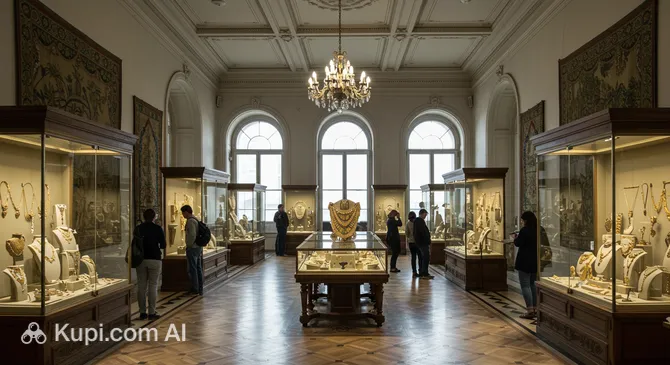
Royal Jewelry Museum. Source: Kupi.Binoculars

A more opulent experience awaits at the Royal Jewelry Museum, located in the stunning Zizinia neighborhood. This museum is housed in the palace of Princess Fatma Al-Zahra, an architectural gem in itself featuring spectacular stained-glass windows and painted ceilings. Inside, the collection displays an array of priceless diamond-studded jewelry, gold chess sets, and personal belongings of the Muhammad Ali dynasty, offering a dazzling glimpse into the lavish lifestyle of Egypt's former royal family.

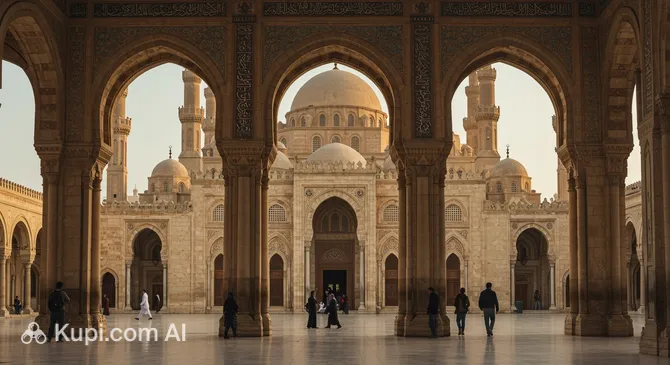
Alexandria's skyline is also defined by magnificent religious architecture. The Abu al-Abbas al-Mursi Mosque is the city's largest and most beautiful mosque, dedicated to the 13th-century Sufi saint. Its cream-colored facade, intricate arabesque carvings, and towering minarets showcase exceptional Andalusian-style architecture. Nearby, history enthusiasts can visit the Serapeum of Alexandria, an ancient temple complex that houses Pompey's Pillar, a massive triumphal column that is one of the largest ancient monoliths still standing.

Abu al-Abbas al-Mursi Mosque. Source: Kupi.Binoculars

For a unique cultural detour, literature lovers should seek out the Cavafy Museum. Located in the apartment where the Greek-Alexandrian poet Constantine Cavafy lived for the last 25 years of his life, this small museum preserves his furniture, manuscripts, and library. It offers an intimate look at the cosmopolitan literary world of early 20th-century Alexandria.

Insider Tip: When visiting the Royal Jewelry Museum, try to go in the morning when the sunlight streams through the stained-glass windows, illuminating the palace interiors in a kaleidoscope of colors. Also, the area around the Cavafy Museum is close to the El Nabi Daniel Mosque, allowing you to easily combine two significant cultural sites in one walking tour.

Getting Around

Navigating Alexandria offers a glimpse into the city's soul, with a transportation network that ranges from nostalgic heritage rides to bustling modern transit. The most iconic way to travel is undoubtedly the tram system, which holds the distinction of being the oldest in Africa and one of the oldest in the world. The network is divided into two main types: the Ramleh Tram (blue cars), which is faster and connects the downtown area to the eastern suburbs along the coast, and the City Tram (yellow cars), which winds through the older, traditional neighborhoods. While they can be slow and crowded, a ride on the tram is an essential local experience, offering a scenic and incredibly affordable tour of the city.

For those looking to cover ground more quickly, public buses and microbuses are the workhorses of the city's transport. The large public buses, operated by the Alexandria Passenger Transportation Authority, serve major routes and are generally spacious. However, the white microbuses are far more ubiquitous. These minivans zip through the streets with remarkable agility, connecting virtually every corner of the city. While they are the fastest way to get around on a budget, they can be chaotic and intimidating for first-time visitors due to their lack of fixed stops and the need to shout your destination to the driver.

Another key component of the transit system is the Abu Qir Commuter Train, often referred to locally as the "metro" or urban train. This surface-level railway runs parallel to the coast, connecting Misr Station in the city center to the eastern district of Abu Qir. It is a vital link for daily commuters and provides a traffic-free alternative for reaching destinations like Montaza and Maamoura, although the carriages can get quite crowded during peak hours.

The payment system across public transport is straightforward and predominantly cash-based. There are no complex travel cards or digital apps for the trams and public buses. Instead, you simply board the vehicle and wait for a conductor to come to you to sell a ticket. Fares are incredibly low, typically costing just a few pounds. For microbuses, payment is passed hand-to-hand from passengers in the back to the driver in the front. It is essential to carry plenty of small change and coins, as drivers and conductors often struggle to break large bills.

If you prefer a more private and comfortable journey, taxis and ride-sharing services are excellent alternatives. The traditional yellow and black taxis are everywhere, but they generally do not use meters, meaning you must negotiate and agree on a fare before getting in. To avoid the hassle of haggling, most tourists prefer using apps like Uber or Careem. These services offer fixed pricing, air-conditioned vehicles, and the convenience of setting your destination on a map without needing to overcome language barriers.

For a smooth experience, tourists should be aware of a few practical tips. Transport generally operates from early morning until late at night, with trams running as late as 1:00 AM in summer. If you are using the tram or metro train, look out for the women-only carriages, usually located at the front of the train; these provide a more comfortable environment for female travelers. Finally, try to avoid the morning and afternoon rush hours (roughly 8:00 AM to 10:00 AM and 2:00 PM to 5:00 PM), when vehicles are packed to capacity.

Accommodation

Finding the perfect place to stay in Alexandria is a journey through the city's diverse character, with options ranging from historic colonial-era buildings to gleaming modern skyscrapers. The accommodation landscape is broad, catering to all budgets and preferences. Travelers can choose from economical hostels and budget hotels in the city center, charming boutique stays with a nostalgic flair, or opulent luxury resorts that offer world-class amenities and private beach access.

The most popular area for tourists is undoubtedly the Corniche. Staying along this waterfront promenade ensures you are never far from the refreshing sea breeze and offers spectacular views of the Mediterranean. For those who want to be in the heart of the action, the downtown area near Raml Station is ideal. This district places you within walking distance of shops, cafes, and historical sites, immersing you in the bustling daily life of the city. Alternatively, the eastern districts like San Stefano and Montaza provide a more resort-like atmosphere, often preferred by those seeking relaxation and luxury away from the downtown traffic.

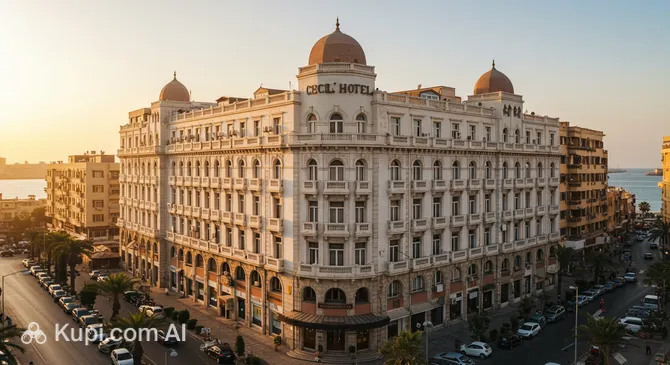
For a stay steeped in history, the Cecil Hotel Alexandria is an iconic choice. Located right on Saad Zaghloul Square facing the harbor, this hotel has hosted dignitaries and celebrities since 1929. Its elegant architecture and old-world charm make it a landmark in its own right, offering guests a chance to experience the cosmopolitan glamour of early 20th-century Alexandria.

Cecil Hotel Alexandria. Source: Kupi.Binoculars

If modern luxury is your priority, the San Stefano Hotel Alexandria stands as a pinnacle of sophistication. Part of a massive complex that includes a high-end shopping mall, this property offers sweeping sea views, lavish rooms, and direct access to the water. It is particularly well-suited for families and travelers looking for an all-in-one resort experience where dining, shopping, and relaxation are all under one roof.

Booking Tip: Alexandria is a favorite summer destination for Egyptians escaping the heat of Cairo. Consequently, the months of June through September are the peak season. If you plan to visit during this time, it is highly recommended to book your accommodation several weeks or even months in advance to secure the best rates and availability.

In terms of pricing, the city is generally affordable compared to many European destinations. Budget travelers can find comfortable rooms for very reasonable rates, while mid-range hotels offer excellent value. Even the top-tier luxury hotels are often competitively priced relative to international standards. Most properties can be easily booked through major online travel platforms, though some smaller, traditional hotels in the downtown area may still prefer direct contact or walk-ins during the off-season.

Nearby Cities

For those looking to explore the surroundings, Alexandria serves as an excellent base for day trips to several interesting nearby locations:

City Population Distance (km)
Al Agami 300,000 18
Kafr El Dawwar 262,748 22
Damanhur 244,043 56
Kafr El Sheikh 147,393 98
Desouk 143,404 70

While the city itself has much to offer, a short trip to Al Agami provides a different pace. Located just west of Alexandria, this area is known as a popular summer resort destination, famous for its white sandy beaches and lively atmosphere during the holiday season. It offers a chance to relax by the Mediterranean away from the main city center.

Further inland, Damanhur offers a dive into the cultural heart of the Nile Delta. As the capital of the Beheira Governorate, it is rich in history and is home to the stunning Damanhur Opera House, a masterpiece of architecture that hosts various artistic performances. Another interesting stop is Desouk, situated on the Rosetta branch of the Nile, which is renowned for the majestic Ibrahim El Desouki Mosque, a significant site for Islamic heritage and Sufi culture.

These nearby destinations offer a glimpse into the diverse culture and landscapes of the region.

Shopping & Souvenirs

Shopping in Alexandria offers a delightful mix of the old and the new, reflecting the city's rich history as a cosmopolitan port. Visitors can wander through vibrant traditional bazaars that have existed for centuries or enjoy the air-conditioned comfort of modern shopping complexes. Whether you are looking for high-end international brands, authentic local crafts, or simply want to experience the bustle of daily life, the city provides a diverse retail landscape that caters to every taste and budget.

The heart of the city's commercial life is undoubtedly the downtown area, particularly around Raml Station. This historic district is a labyrinth of lively streets, such as Saad Zaghloul and Safia Zaghloul, which are lined with clothing boutiques, shoe stores, and old-school department stores. Walking here feels like stepping back in time, with the grand colonial architecture providing a scenic backdrop to your shopping spree. It is the perfect place to find leather goods, casual wear, and traditional Egyptian patisseries.

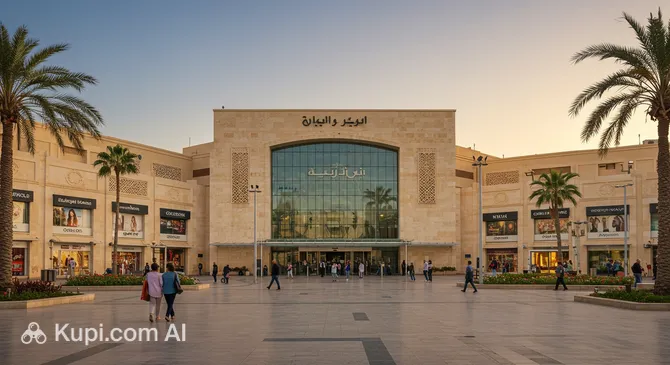
For a modern luxury experience, the San Stefano Grand Plaza is the premier destination. Located within a massive complex that overlooks the Mediterranean, this mall features four floors of retail space housing international fashion chains, a cinema, and a food court. It is a favorite spot for families and fashion enthusiasts alike, offering a polished environment where you can shop for global brands and then enjoy a coffee with a sea view.

San Stefano Grand Plaza. Source: Kupi.Binoculars

To truly understand the local culture, a visit to the city's traditional markets is essential. The most famous is Zanqet El Setat (The Women's Market), located west of the Unknown Soldier Memorial. This atmospheric maze of narrow alleys is packed with stalls selling fabrics, beads, accessories, and haberdashery. It is a sensory overload of colors and textures, perfect for finding unique items. Another notable spot is the Attarine Market, historically known for antiques. While many antique dealers have moved, the area still retains a charm with shops selling old books, furniture, and curiosities.

When it comes to souvenirs, Alexandria has plenty to offer. Egyptian cotton products, such as towels and bed linens, are world-renowned for their quality and are widely available. Spices and hibiscus tea (karkade) from the local souks make for aromatic gifts. Additionally, the city is known for its silver jewelry and leather products. For a quirky pop-culture find, younger travelers might enjoy visiting The Anime House, a specialized store that reflects the growing interest in global pop culture among the local youth.

Store hours in Alexandria can be quite different from Europe or North America. Most shops open around 10:00 AM or 11:00 AM and stay open very late, often until 11:00 PM or midnight, especially during the summer. On Fridays, many businesses may close for the noon prayers and reopen in the late afternoon. While credit cards are widely accepted in malls like San Stefano and major hotels, cash is essential for street markets, small boutiques, and taxis. ATMs are plentiful throughout the city.

Tourists visiting Egypt are eligible for a VAT refund on purchases made at participating stores, provided the total amount on a single receipt exceeds a certain threshold (typically around 1,500 EGP) and the goods are taken out of the country within three months. Look for the "Tax Free" sign in shop windows and ask for a tax refund form upon purchase. You will need to present your passport and the goods at the customs office at the airport before your departure to claim the refund.

Reached the end of the page?

That means the route is fully explored