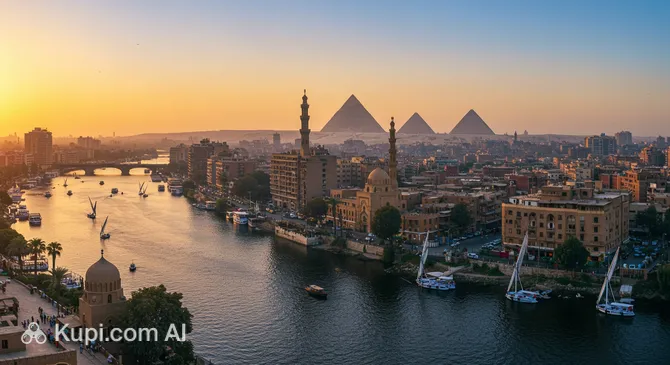
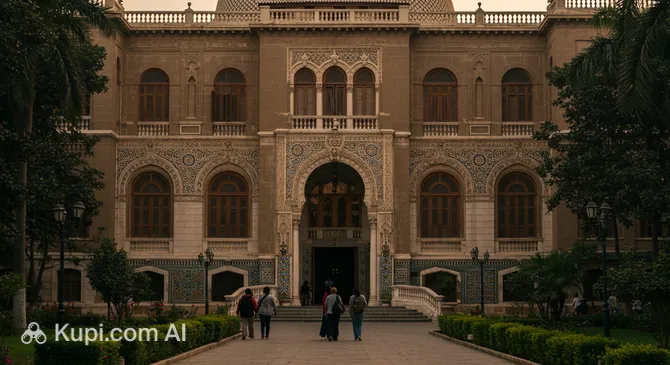
Cairo is the vibrant capital of Egypt and one of the largest cities in Africa and the Middle East. Often referred to as "The City of a Thousand Minarets," it offers a mesmerizing blend of ancient heritage and modern urban life. This sprawling metropolis is the beating heart of the Arab world, where centuries-old traditions coexist with a rapidly evolving contemporary culture.
Cairo. Illustration.
Source: Kupi.com AI
Situated along the banks of the majestic Nile River, the city is home to a massive population of over 20 million people, making it a bustling hub of activity day and night. Its location near the Nile Delta gives it a unique geographical significance, while the climate is typically sunny and warm, characteristic of a desert environment.
The rich history of Cairo is evident in every corner, from its stunning Islamic architecture to its Coptic heritage. Visitors are drawn to world-famous landmarks such as the Egyptian Museum, which houses an extensive collection of ancient antiquities, and the historic Citadel of Saladin offering panoramic views of the city. Just a short distance away, the iconic Pyramids of Giza and the Great Sphinx stand as timeless testaments to the region's glorious past.
Whether you are navigating the lively alleys of the Khan el-Khalili market in search of unique souvenirs or enjoying a peaceful felucca ride on the Nile at sunset, Cairo promises an unforgettable adventure. It is a destination that truly captivates the imagination and invites travelers to immerse themselves in its dynamic atmosphere.
Weather Overview
Cairo features a hot desert climate, characterized by scorching summers and mild, comfortable winters. For those looking to explore the city's outdoor landmarks, checking the weather in Cairo is essential, as temperatures can vary significantly between seasons.
From June to September, the heat is intense, with average temperatures hovering around 28°C to 30°C and maximums reaching up to 37.1°C in July. The winter months offer a refreshing break; January is typically the coolest time, with an average temperature of 14.3°C and lows dipping to 9.1°C.
Precipitation is almost non-existent throughout the year. Expect hot, dry summers and mild winters with negligible rainfall, as the city sees almost 0mm of precipitation and typically records only one or two wet days even in the coolest months.
Average monthly temperature
Average monthly precipitation
Interesting Facts
Beyond the well-trodden paths of the Giza Plateau, Cairo holds many fascinating secrets and unique characteristics that surprise many visitors. Here are a few intriguing insights into this bustling metropolis:
The last standing wonder: The Great Pyramid of Giza is the only surviving member of the original Seven Wonders of the Ancient World. It held the record for the tallest man-made structure on Earth for over 3,800 years until the construction of Lincoln Cathedral in England.
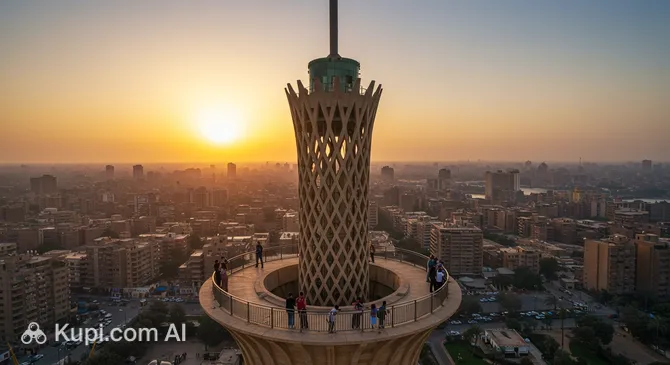
A lotus in the sky: The city's skyline is dominated by the Cairo Tower, which stands 187 meters tall. Its distinct latticework design was architecturally inspired by the lotus plant, a potent symbol in ancient Egyptian culture.
A millennium of learning: Established in 970 AD, the Al-Azhar Mosque is not just a place of worship; it houses the second-oldest continuously operating university in the world, serving as a global center for Islamic scholarship for centuries.
The Sunday start: The rhythm of the week here differs from many Western countries. In Cairo, the official weekend falls on Friday and Saturday, meaning the work week begins on Sunday, which is a regular business day.
Cairo Tower. Illustration.
Source: Kupi.com AI
Traveler photos:
How to Get There
As the capital of Egypt and a bustling metropolis, reaching the city is quite straightforward with multiple transport options available. While most international visitors arrive by air, there are various ways to enter this historic hub. For a detailed breakdown of all available routes and travel tips, you can read more about how to get to Cairo to plan your journey effectively.
The primary gateway for travelers is Cairo International Airport(CAI), located approximately 18.5 km from the city center. As the busiest airport in the country, it handles a vast number of international and domestic flights daily. A taxi or car ride from here to the downtown area typically takes around 50 minutes, depending on traffic conditions.
An increasingly popular alternative, especially for those planning to stay near the pyramids, is Giza Sphinx(SPX). It is important to note that this airport is not in Cairo itself but in the city of Giza, which is about 33.6 km away. The journey by taxi or bus from this airport to central Cairo takes approximately 70 minutes. It serves as a convenient option for travelers looking to bypass some of the capital's heavy traffic.
For clarity, here is a summary of the main airports:
Cairo is a city where history comes alive, offering a staggering array of monuments that span thousands of years. From ancient pharaonic wonders to medieval Islamic fortifications and bustling bazaars, the city's landmarks are as diverse as they are magnificent. Exploring these sites provides a deep dive into the rich tapestry of Egyptian culture.
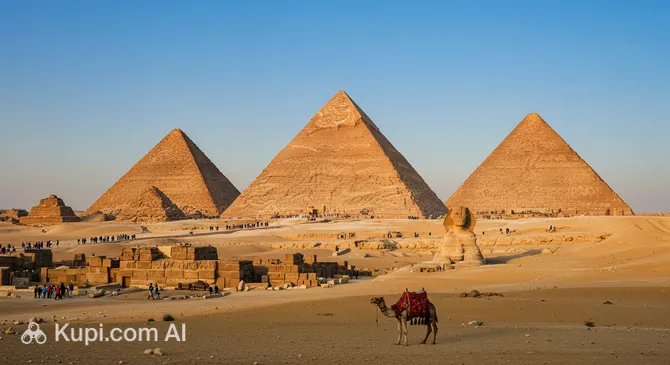
Undoubtedly the most iconic destination is the Giza Necropolis. Located on the Giza Plateau, this archaeological site includes the legendary Pyramids and the Great Sphinx. It is a testament to the architectural brilliance of ancient Egypt and remains one of the most famous tourist destinations on Earth, attracting millions of visitors who come to marvel at these colossal structures.
Giza Necropolis. Illustration.
Source: Kupi.com AI
Traveler photos:
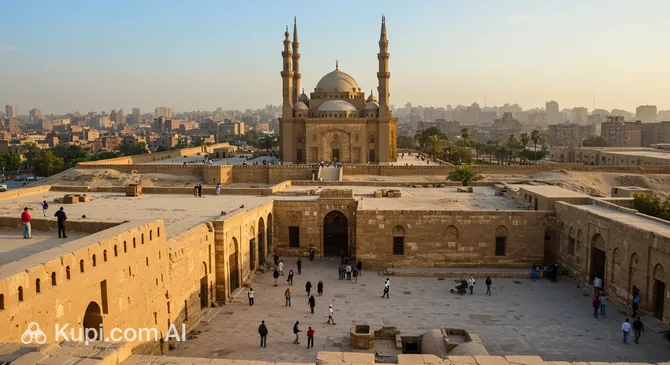
Dominating the city's skyline from the Mokattam Hills is the historic Cairo Citadel. Built by Saladin in the 12th century to protect the city from Crusader attacks, this medieval Islamic fortification offers breathtaking panoramic views of Cairo. Within its walls, visitors can explore several mosques, including the magnificent Mosque of Muhammad Ali, as well as various museums.
Cairo Citadel. Illustration.
Source: Kupi.com AI
Traveler photos:
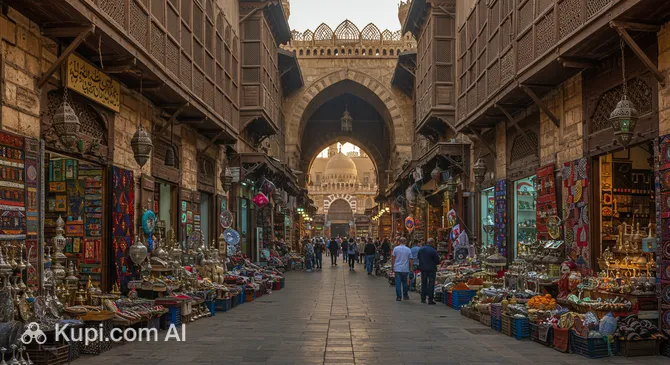
For a taste of traditional local life, a visit to Khan el-Khalili is essential. This famous souq dates back to the 14th century and is a labyrinth of narrow alleys filled with the scent of exotic spices and the sounds of artisans at work. It is the perfect place to shop for souvenirs, jewelry, and textiles, or simply to enjoy a cup of tea at a historic café.
Khan el-Khalili. Illustration.
Source: Kupi.com AI
Traveler photos:
Those interested in the country's extensive history should not miss the National Museum of Egyptian Civilization. Unlike traditional museums, this modern institution in Fustat focuses on the continuity of Egyptian civilization from prehistoric times to the present day. It is famously home to the Royal Mummies Hall, where the mummies of ancient kings and queens are displayed in a respectful and awe-inspiring setting.
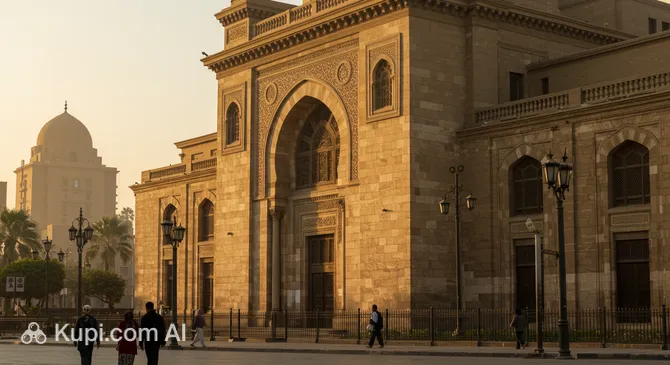
Art enthusiasts will find the Museum of Islamic Art to be a hidden gem. It houses one of the world's finest collections of Islamic art, featuring thousands of artifacts including ceramics, woodwork, glass, and textiles from across the Islamic world. The museum showcases the artistic mastery and cultural richness that flourished in the region for centuries.
Museum of Islamic Art. Illustration.
Source: Kupi.com AI
Traveler photos:
Local Cuisine
The culinary scene in Cairo is a delightful reflection of the city's history, blending Middle Eastern flavors with distinct Egyptian traditions. Food here is more than just sustenance; it is a social activity that often lasts late into the night. The streets are lined with aromatic stalls and bustling eateries, inviting travelers to taste authentic local fare that is both flavorful and affordable.
No visit to the capital is complete without trying Koshary, arguably Egypt's national dish. This carb-heavy comfort food is a unique mix of rice, macaroni, lentils, and chickpeas, topped with a tangy tomato sauce and crispy fried onions. It is typically served with a side of garlic vinegar and spicy chili sauce, allowing you to adjust the flavors to your liking. Another staple is Ful Medames, slow-cooked fava beans seasoned with oil, lemon, and spices, often eaten for breakfast alongside Ta'ameya, the Egyptian version of falafel made from fava beans rather than chickpeas.
For those with a sweet tooth or a love for refreshing beverages, the city offers plenty of options. Karkade (hibiscus tea) is a popular drink served either hot or ice-cold, known for its deep red color and tart flavor. Traditional coffee shops, or ahwas, are scattered throughout the city, serving strong Turkish coffee and mint tea. These spots are perfect for observing local life, especially in historic areas like Khan el-Khalili, where centuries-old cafes continue to serve patrons amidst the lively market atmosphere.
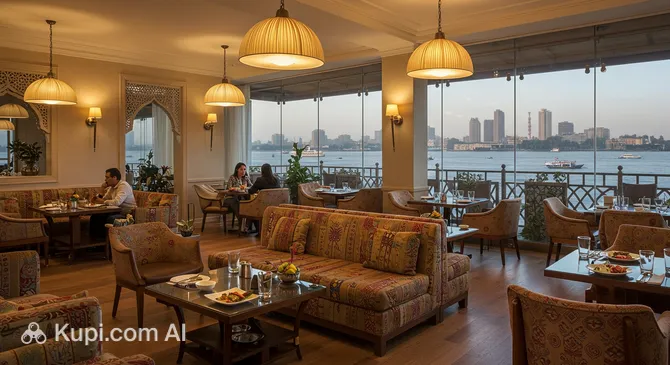
While street food is a major part of the experience, the city also boasts a growing fine dining scene. You can find excellent establishments ranging from traditional grills to modern international kitchens. For a meal with a view, the Nile City Hotel Restaurant offers a chance to enjoy delicious cuisine while overlooking the river. Alternatively, The Drive provides a different dining atmosphere suitable for those looking to explore the city's contemporary side.
Nile City Hotel Restaurant. Illustration.
Source: Kupi.com AI
Traveler photos:
Alcohol is available in Cairo, though it is primarily found in hotels, high-end restaurants, and specific bars rather than general cafes. Venues like Sachi Heliopolis offer a sophisticated setting for evening drinks and dining, showcasing the cosmopolitan aspect of this ancient metropolis. Whether you are grabbing a quick sandwich from a street cart or enjoying a multi-course dinner, the flavors of Cairo are sure to leave a lasting impression.
Travel Tips
Exploring Cairo can be an exhilarating whirlwind for first-time visitors, offering a sensory overload of sights, sounds, and history. To help you navigate the bustling streets and cultural nuances with ease, here are some essential practical tips for your journey.
Clothing and Gear: Pack light, breathable fabrics like cotton and linen to handle the desert heat. However, conservative dress is highly recommended to respect local culture; both men and women should cover their shoulders and knees, especially when entering mosques or traditional neighborhoods. Expansive walking is inevitable, so bring sturdy, closed-toe comfortable shoes to protect your feet from dust and uneven pavements.
Transportation: The Cairo Metro is the most efficient and affordable way to traverse the city, bypassing the notorious surface traffic. For door-to-door convenience, ride-hailing apps like Uber or Careem are generally better than hailing traditional white taxis, as they offer fixed prices and eliminate the language barrier. Driving yourself is not recommended due to the chaotic nature of local traffic.
Finances: The local currency is the Egyptian Pound (EGP). While credit cards are accepted in major hotels and malls, cash is king in local markets (souqs), small cafes, and for transport. ATMs are widely available. Be prepared for the culture of baksheesh (tipping); keep a supply of small bills handy for bathroom attendants, drivers, and service staff, as small tips are expected for many services.
Health and Safety: Strictly avoid drinking tap water; always rely on bottled water for drinking and even brushing your teeth to prevent stomach upsets. Pharmacies are abundant, often marked with a green cross, and many operate 24/7. Pharmacists are usually well-trained and often speak English, making them a good first port of call for minor health issues.
Communication: The official language is Arabic. English is widely spoken in tourism sectors, but learning basic greetings like Salam (Hello) and Shukran (Thank you) is greatly appreciated by locals. Wi-Fi is available in hotels and cafes, but for reliable connectivity, purchase a local SIM card (Vodafone, Orange, or Etisalat) at the airport upon arrival.
Local Etiquette: Egyptians are incredibly hospitable. When greeting, a handshake is standard, but if you are a man greeting a woman, wait for her to extend her hand first. Always use your right hand for eating, exchanging money, or greeting, as the left hand is traditionally considered unclean. Public displays of affection should be kept to a minimum.
What to Avoid: Never take photographs of military personnel, police officers, government buildings, or bridges. This is strictly prohibited and can lead to serious legal trouble. Additionally, avoid engaging in aggressive haggling if you don't intend to buy; a polite but firm "La, shukran" (No, thank you) is the best way to dismiss persistent vendors.
Weekend Timing: Keep in mind that the official weekend in Egypt is Friday and Saturday. Friday mornings are typically quiet as many locals attend weekly prayers, which can be the best time to move around the city traffic-free, though some shops and attractions may open later in the afternoon.
By keeping these practical tips in mind, you will be well-prepared to embrace the chaotic beauty of Egypt's capital. Enjoy the rich history, the warm hospitality, and the unforgettable atmosphere of this timeless metropolis!
Entertainment & Nightlife
Entertainment and Nightlife:
Cairo transforms as the sun sets, shedding its chaotic daytime skin to reveal a vibrant and diverse nightlife scene. The city offers a unique duality: you can spend your evening sipping tea in a centuries-old alleyway or dancing until dawn in a modern, high-end club. The nightlife here starts late and ends even later, with many venues not filling up until well after midnight.
For tourists seeking a cosmopolitan atmosphere, the district of Zamalek is the primary hub. Located on an island in the Nile, this upscale neighborhood is packed with trendy bars, rooftop lounges, and floating restaurants. It is walkable, safe, and teeming with expats and locals alike. Heliopolis and New Cairo are also major nightlife centers, known for their sophisticated clubs and chic dining spots that require a smart-casual dress code.
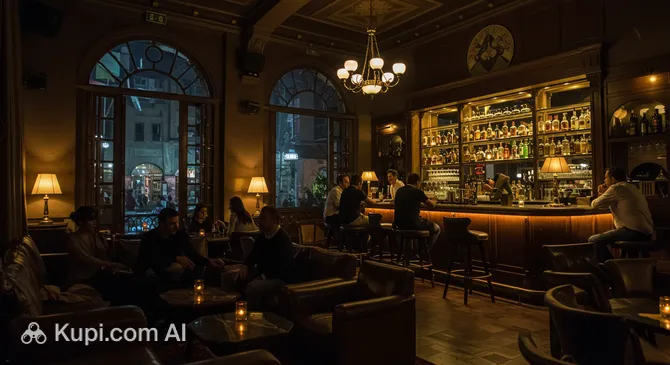
If you are looking for a place that gathers various entertainment options in one spot, Al Gezira Plaza in Sheikh Zayed is a fantastic destination. It features a collection of upscale restaurants and bars, making it perfect for bar-hopping without the need for transportation. For those who prefer a more focused venue with a lively crowd and signature cocktails, Frank & Co offers a stylish setting ideal for socializing.
Frank & Co. Illustration.
Source: Kupi.com AI
Traveler photos:
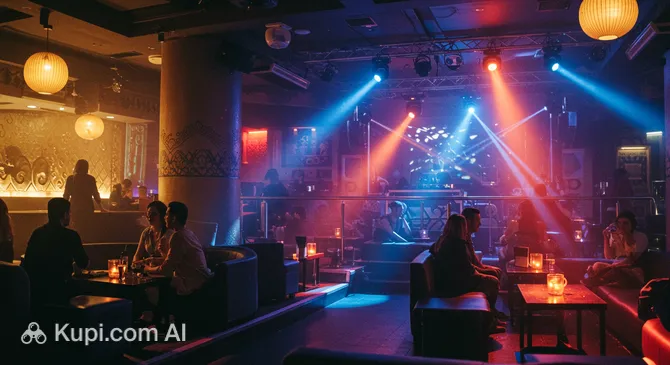
For high-energy enthusiasts who want to experience the city's clubbing scene, Bank House Nightclub is a popular choice, often hosting DJ nights and events that draw a fashionable crowd. Be prepared for steep entry fees and strict door policies at such venues; reservations are often necessary.
Bank House Nightclub. Illustration.
Source: Kupi.com AI
Traveler photos:
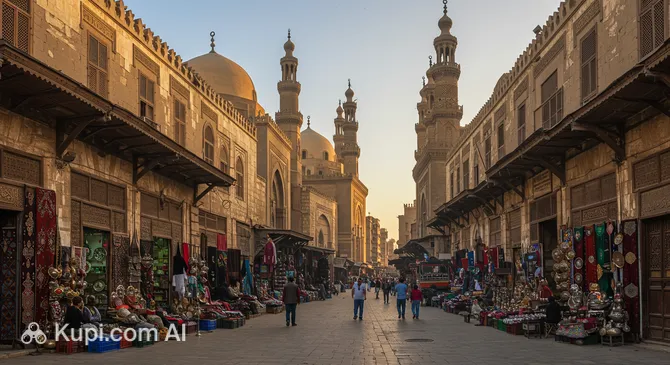
Not all nightlife in Cairo revolves around partying. For a culturally immersive evening, a walk down Al-Muizz Street is unforgettable. This open-air museum of Islamic art is beautifully illuminated at night, allowing you to admire medieval mosques and mansions in a magical atmosphere. It is a bustling area where you can enjoy the architecture without the daytime heat.
Al-Muizz Street. Illustration.
Source: Kupi.com AI
Traveler photos:
When it comes to daytime entertainment, the city offers plenty of modern diversions beyond historical sites. Families and thrill-seekers can visit Ski Egypt, the first indoor ski resort in Africa, located inside the Mall of Egypt. For shopping and leisure, the massive Cairo Festival City Mall provides cinemas, dining, and global brands in a sprawling complex.
Practical Advice: The best time to head out for drinks is around 10:00 PM, while clubs peak between 1:00 AM and 3:00 AM. Alcohol is expensive due to taxes, so expect prices comparable to European capitals in high-end venues. In terms of safety, districts like Zamalek and Maadi are very safe for night walks. However, to move between districts, it is highly recommended to use ride-hailing apps like Uber or Careem rather than hailing street taxis, ensuring a safe, tracked, and fixed-price journey.
Parks & Museums
While Cairo is world-renowned for its desert landscapes and ancient stone monuments, the city also boasts surprising pockets of greenery and a diverse array of museums that explore centuries of heritage. Beyond the famous pyramids, visitors can find tranquility in lush gardens and uncover artistic treasures in lesser-known royal palaces.
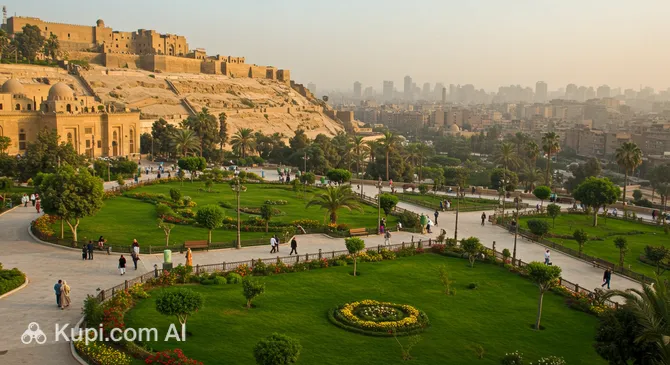
One of the city's most remarkable success stories is Al-Azhar Park. Once a pile of rubble, this sprawling green space has been transformed into a beautiful horticultural oasis in the heart of Islamic Cairo. It offers manicured gardens, fountains, and restaurants, but its main draw is the spectacular view. From its hilltops, you can enjoy an unobstructed panorama of the Citadel and the city's minarets, making it a favorite spot for sunset strolls.
Al-Azhar Park. Illustration.
Source: Kupi.com AI
Traveler photos:
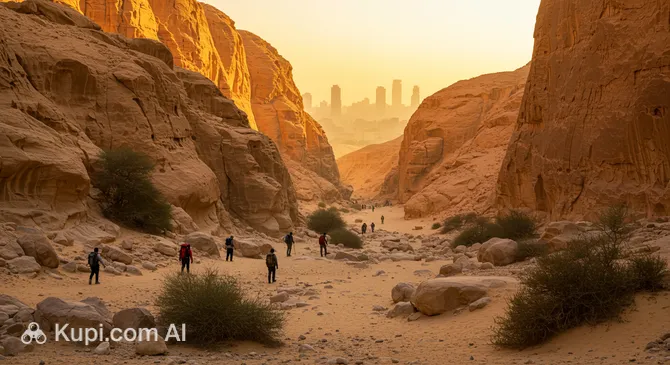
For those seeking a more rugged natural experience without leaving the governorate, the Wadi Degla Protectorate is a hidden gem. This desert canyon stretches for kilometers and offers a stark contrast to the urban chaos. It is a popular destination for hiking, running, and birdwatching, allowing tourists to experience the quiet beauty of the Eastern Desert's ecosystem just a short drive from the city suburbs.
Wadi Degla Protectorate. Illustration.
Source: Kupi.com AI
Traveler photos:
Cairo's museums are equally fascinating, offering deep dives into specific eras of Egypt's past. The Abdeen Palace Museum provides a glimpse into the lavish lifestyle of the Egyptian royal family. Located in a historic district, this opulent palace houses several museums within its walls, including dedicated collections for arms, medals, and presidential gifts. It serves as a testament to the grandeur of modern Egypt's monarchy before the 1952 revolution.
Another architectural marvel is the Manial Palace, built by Prince Mohammed Ali Tewfik. This estate is a unique fusion of Ottoman, Moorish, Persian, and European Rococo styles, reflecting the eclectic taste of its founder. Visitors can wander through the beautifully preserved reception halls, the residence, and the surrounding tropical gardens, which contain rare plants collected by the prince himself.
Manial Palace. Illustration.
Source: Kupi.com AI
Traveler photos:
In terms of historical architecture, the Ibn Tulun Mosque stands out as the oldest mosque in the city surviving in its original form. Known for its massive courtyard and unique spiral minaret inspired by architecture in Samarra, Iraq, it offers a peaceful atmosphere away from the tourist crowds. Climbing the minaret rewards visitors with a breathtaking view of the surrounding historic neighborhoods.
For families or those interested in wildlife, the Giza Zoo is a historic institution. Established in the 19th century, it was once the pride of Africa and remains a popular recreational spot for locals, featuring spacious gardens and various animal exhibits.
Insider Tip: If you are interested in geology and ancient natural history, consider visiting the Petrified Forest Protected Area in New Cairo. It is a rare geological site containing the fossilized remains of trees from the Oligocene epoch, offering a unique educational experience that is often overlooked by mainstream tourism.
Getting Around
Navigating Cairo can be an adventure in itself, with a transport network that is as bustling and energetic as the city's streets. For tourists, the Cairo Metro is widely considered the most efficient, affordable, and user-friendly way to get around. As the first metro system in Africa, it covers key districts and major attractions, allowing you to bypass the city's notorious surface traffic. The trains are generally clean, fast, and frequent, making them a reliable choice for moving between the city center and outlying areas like Maadi or Helwan.
A unique and highly practical feature of the metro system is the designated women-only carriages. These are typically the first one or two cars of every train and are clearly marked on the platform. While women are free to ride in any car, these dedicated carriages offer a more comfortable and less crowded environment, especially during peak hours. Operating hours for the metro usually run from around 5:00 AM until 1:00 AM, with extended services during Ramadan and holidays.
For surface travel, the city offers a mix of standard public buses and the ubiquitous microbuses. The large public buses, operated by the CTA, cover extensive routes but can be slow due to traffic. Microbuses—white vans that zip through the streets—are the lifeblood of local transport. They are incredibly cheap and fast, but they lack fixed stops and can be intimidating for first-time visitors due to their chaotic driving style and lack of English signage. If you choose to use them, you simply hail one from the roadside and pass your cash fare forward to the driver.
Regarding payment, the metro uses a tiered pricing system based on the number of stations you travel. You can purchase single-journey paper tickets at the ticket windows in every station. Keep your ticket safe, as you will need to insert it into the turnstile to both enter and exit the station. For buses and microbuses, cash is the only accepted method, so it is essential to carry plenty of small change/coins. There are no universal travel passes that cover all modes of transport, so you will pay for each leg of your journey separately.
For many tourists, the most stress-free alternative to public transport is using ride-hailing apps like Uber or Careem. These services are widely available, affordable by international standards, and overcome the language barrier since the destination is set via GPS. Traditional white taxis are also available and are legally required to use a meter, but visitors often have to negotiate or remind drivers to turn the meter on. Ride-hailing apps eliminate this hassle and provide a fixed price upfront.
For a truly scenic way to beat the traffic, consider taking a Nile Taxi. These boats operate on the river and offer a refreshing alternative to the congested roads, allowing you to travel between downtown and areas like Zamalek or Maadi while enjoying a breeze and a view of the skyline. It is a functional yet delightful experience that combines transportation with sightseeing.
Accommodation
Cairo offers a diverse spectrum of accommodation options that cater to every type of traveler, from backpackers on a shoestring budget to luxury seekers looking for world-class opulence. The city's hospitality sector is well-developed, featuring everything from historic hostels in the downtown core to sprawling 5-star resorts with lush gardens and swimming pools. Whether you are looking for a modern apartment rental or a room with a view of the Nile, the Egyptian capital has something to suit your needs.
Choosing the right area to stay is crucial for a convenient trip. Downtown Cairo is perfect for those who want to be in the thick of the action, close to the Egyptian Museum and the metro, offering many budget and mid-range options. For a quieter, more upscale experience, the island district of Zamalek and the leafy neighborhood of Garden City are top choices, known for their embassies, fine dining, and secure atmosphere. Alternatively, many tourists prefer to stay in Giza, where they can wake up to the mesmerizing silhouette of the Pyramids right outside their window.
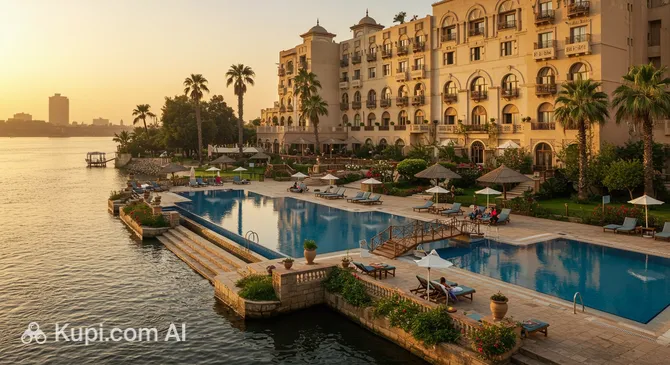
For travelers seeking luxury by the riverbank, the Nile Plaza Hotel is a prime example of the high-end accommodation available in the city. Located in Garden City, it offers stunning views of the Nile and easy access to the city center, making it a favorite for those who prioritize comfort and location.
Nile Plaza Hotel. Illustration.
Source: Kupi.com AI
Traveler photos:
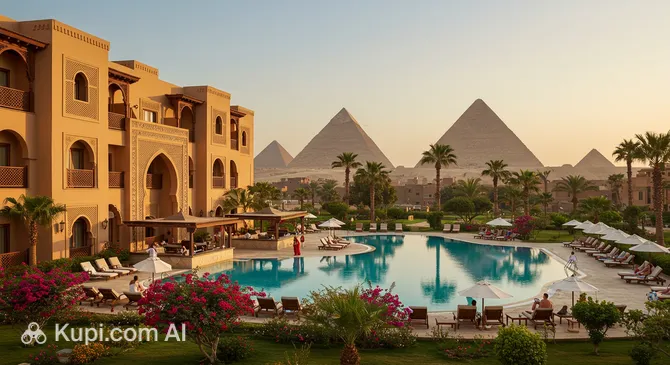
If being close to the ancient monuments is your priority, consider staying at the Pyramids Resort. Situated near the Giza Plateau, this type of accommodation provides a resort-style experience where you can relax in a tranquil setting after a day of exploring the dusty necropolis.
Pyramids Resort. Illustration.
Source: Kupi.com AI
Traveler photos:
Regarding costs, Cairo is generally very affordable compared to Western capitals. Budget travelers can find hostels for very low rates, while mid-range hotels offer excellent value for money. Even luxury stays are often competitively priced. It is highly recommended to book in advance, especially if you are visiting during the peak winter season (December to February) or seeking a room with a specific view, such as the Nile or the Pyramids. Most accommodations can be easily booked via major online platforms, though direct booking is also common for smaller local establishments.
Nearby Cities
For those looking to explore the surroundings, Cairo serves as an excellent base for day trips to several interesting nearby locations:
Just across the Nile lies Giza, which, while physically connected to the metropolis, is a distinct city holding some of the world's most significant treasures. It is the gateway to the Giza Plateau, home to the Great Pyramids and the Sphinx, offering visitors a direct link to ancient wonders. To the south, Helwan provides a different historical flavor. Once a favored retreat for the elite due to its therapeutic springs, it features the charming Japanese Garden and serves as a quieter alternative to the capital's bustling center.
These nearby destinations offer a glimpse into the diverse culture and landscapes of the region.
Shopping & Souvenirs
Shopping in Cairo is a journey through time, offering a retail experience that ranges from ancient open-air markets to ultra-modern commercial complexes. The city is a treasure trove for those looking to buy anything from traditional handicrafts to the latest international fashion trends.
The most famous shopping destination is undoubtedly Khan el-Khalili. Situated in the heart of Islamic Cairo, this historic souq is a labyrinth of narrow streets filled with glittering copper, colorful lanterns, and aromatic spices. It is the perfect place to find authentic souvenirs, such as handmade jewelry, leather goods, and traditional perfumes. Bargaining here is not just expected; it is a cultural norm and an essential part of the interaction with local vendors.
For a complete contrast, visitors can head to New Cairo to experience the modern side of Egyptian retail at Cairo Festival City Mall. This sprawling complex features hundreds of international brands, a large cinema, and an IKEA store. It is also home to a spectacular dancing fountain, surrounded by an array of restaurants and cafes, making it a popular spot for evening leisure.
Another rising star in the city's shopping scene is District 5. This open-air lifestyle destination combines retail with wellness and entertainment. It offers a curated selection of local and international boutiques, walkable promenades, and a modern architectural design that stands out from the traditional enclosed malls.
Those who prefer a more urban, street-shopping vibe should explore the downtown area around Talaat Harb Square. Walking through these streets, surrounded by European-style architecture, you will find countless shoe stores, clothing boutiques, and bookshops. It is a bustling area where locals shop for fashion and everyday items, offering a lively glimpse into the city's daily rhythm.
When shopping in Egypt, look out for high-quality Egyptian cotton products, which are world-renowned for their softness and durability. Papyrus art is another popular keepsake, though it is wise to buy from reputable galleries to ensure authenticity. Whether you are haggling for a rug in a historic bazaar or browsing high-end fashion, the city's diverse markets ensure you won't leave empty-handed.