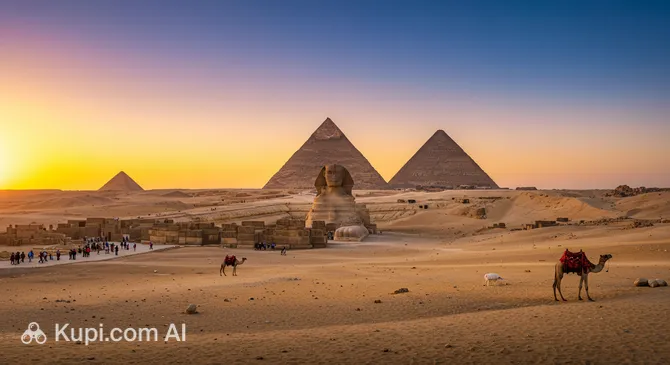
Shopping in Giza offers a fascinating contrast between the ancient and the ultra-modern, much like the city itself. Visitors can transition from haggling for handcrafted souvenirs in dusty, traditional bazaars near the Pyramids to browsing high-end international luxury brands in gleaming, air-conditioned mega-malls. Whether you are hunting for authentic Egyptian artifacts or the latest fashion trends, the city provides a diverse retail landscape that caters to every taste and budget.
For a traditional tourist shopping experience, the area along Al Haram Street and the roads leading to the Giza Necropolis are lined with shops tailored to visitors. This district is particularly famous for its numerous "Papyrus Institutes" and perfumeries. Here, you can watch demonstrations of how ancient paper was made or learn about the essential oils used in traditional scents before making a purchase. While these stops are often part of organized tours, independent travelers can also visit to find unique gifts, though bargaining is expected and necessary.
If you prefer a contemporary shopping environment, Giza is home to some of the most impressive retail complexes in the region. The Mall of Egypt is a standout destination, offering a world-class shopping experience with hundreds of international brands, a multiplex cinema, and a wide range of dining options. It is vast and modern, providing a stark contrast to the historic sites outside. For a more exclusive and luxurious atmosphere, the First Mall, located within the Four Seasons complex on the Nile Corniche, features high-end boutiques and designer labels in a sophisticated setting.
While the most famous historic markets like Khan el-Khalili are located across the river in Cairo, Giza has its own vibrant market culture. The streets immediately surrounding the entrance to the Pyramids function as an open-air souvenir market. Here, vendors display colorful textiles, belly dancing outfits, and replicas of ancient statues. For a more local feel, the daily markets in the residential districts sell fresh produce, spices, and household goods, offering a glimpse into the everyday life of the city's residents away from the tourist trail.
When it comes to souvenirs, Giza is the perfect place to buy items that reflect Egypt's rich history. Papyrus art is a classic choice, but ensure you are buying genuine painted papyrus rather than cheap banana leaf imitations. Alabaster vases and statues are also a local specialty, often crafted in nearby workshops. Other popular items include cartouches (pendants personalized with your name in hieroglyphs), cotton products, and aromatic spices like cumin and hibiscus.
Opening hours in Giza vary by establishment. Large shopping malls typically operate from 10:00 AM to 11:00 PM or midnight, with extended hours on weekends and during Ramadan. Local shops and street vendors often stay open late into the night but may close for a short break during Friday prayers (around noon). Regarding payment, major malls, hotels, and upscale shops readily accept credit cards. However, cash is essential for street markets, small souvenir shops, and taxis. It is advisable to carry Egyptian Pounds in smaller denominations for these transactions.
Tourists visiting Egypt may be eligible for a VAT refund on purchases made at participating stores. To qualify, you must look for the "Tax Free" sign, spend a minimum amount on a single receipt, and present your passport at the time of purchase to receive a refund form. This form must then be validated by customs officers at the airport before you leave the country, so be sure to arrive early if you plan to claim your tax back.