Support

Natural History Museum

About

Immerse yourself in the fascinating history of our planet by visiting the Lille Natural History Museum. This outstanding scientific and cultural center, located in the city of Lille, is one of the oldest in a country like France. Founded in 1822, it offers visitors a unique look at biodiversity and the Earth's geological past.
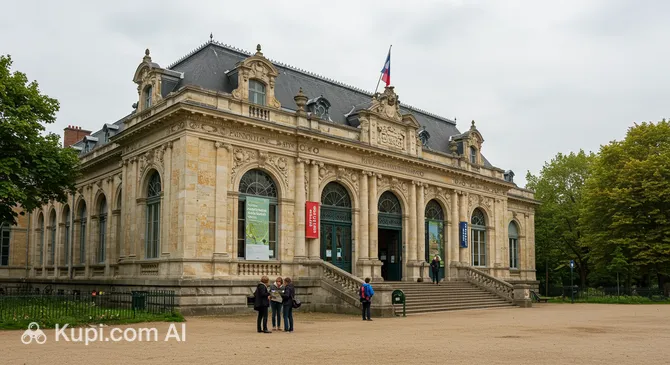
Natural History Museum of Lille
Natural History Museum of Lille. Иллюстрация. Источник: Kupi.com AI

Initially, the museum's collections were kept in the city hall building, but over time, a special building was erected for them, meeting all the requirements of scientific education. Today, it houses extensive zoological and geological collections that attract both researchers and curious tourists from all over the world.

The museum's halls feature rare minerals, fossils, and zoological specimens, presented in a classic museum style. It is a place where education meets inspiration, allowing every guest to feel like a discoverer of nature's mysteries.

Contacts

For more details before your visit or to organize group tours, you can use the official communication channels. The Lille Natural History Museum provides all the necessary information to plan your visit.

How to contactContact
Address23 Rue Gosselet, 59000 Lille, France
Phone+33 3 28 55 30 80
Websitemhn.lille.fr

What to Do

The highlight of your visit will undoubtedly be exploring the rich zoological collection. Here, you can see beautifully preserved taxidermy birds and animals, many of which are rare or endangered species. Those who appreciate the unusual should seek out the "curiosities" department, which features mysterious mummies and other artifacts collected by researchers of past centuries.

Geology enthusiasts should definitely visit the mineralogy hall, founded by Professor Jules Gosselet. The collection of minerals and fossils is striking in its diversity and scientific value. The exhibits are constantly updated, so even if you have been here before, new displays and modern multimedia elements will make your visit both educational and engaging.

Getting There

The museum is conveniently located at 23 Rue Gosselet, in the southern part of the city center. The easiest way to get here is by metro. The nearest stations are just a few minutes' walk away, allowing you to reach the museum quickly from almost anywhere in the city.

If you prefer surface transport, city buses run along the nearby streets. You can also always use a taxi or popular ride-sharing apps—the trip from the city's main squares will take no more than 10 minutes, depending on traffic.

For those who enjoy walking, the route from the historic center is a pleasant addition to your excursion, allowing you to admire the architecture of the residential quarters before immersing yourself in the world of natural sciences.

Ближайший город: Lille

History & Facts

The museum's history dates back to the very beginning of the 19th century. As early as 1802, the Society of Sciences and Arts was founded in the city and began actively gathering collections. One of the first and most exotic exhibits was the body of a "royal tiger," which for many years served as a symbol of the citizens' scientific interest.

In 1854, with the establishment of the Faculty of Sciences, management of the collection passed into the hands of scientists. The museum became an important base for student education, and the position of its director was traditionally held by the Professor of Natural History. This close link between science and education helped preserve and significantly expand the collections over the decades.

A significant milestone was the creation in 1877 of the specialized Museum of Geology and Mineralogy by Professor Jules Gosselet. He sought not only to advance research but also to satisfy "public curiosity" by making complex scientific data accessible to ordinary citizens. Today, these collections are the pride of the institution and a vital testament to the development of European scientific thought.

Time Needed

For a standard tour of the museum's main exhibits, most visitors need between 1.5 and 2 hours. During this time, you can take a leisurely stroll through the zoology halls and examine the impressive mineral collection without missing the main masterpieces of the gallery.

If you are passionate about natural sciences or planning a visit with children, who will likely want a closer look at the animal skeletons and taxidermy, it is better to set aside half a day. The museum often hosts interesting temporary exhibitions, so you should also leave some extra time to explore those.

Working Hours

The museum's opening hours may vary depending on the season, public holidays, or special events. To ensure your visit goes smoothly and without any surprises, we strongly recommend checking the current schedule on the official website before your trip.

Generally, French museums may be closed on certain days of the week (for example, Tuesdays), so confirming this information in advance will help you effectively plan your travel itinerary through Lille.

Nearby

After immersing yourself in the history of Lille's nature, it is worth continuing your exploration of the city, as there are many interesting places nearby. A walk through the surrounding neighborhoods will reveal new facets of local culture, from historic squares to modern entertainment centers.

NameDistance
La Canopée0.2 km
Jean-Baptiste Lebas Park0.2 km
Just Escape Lille0.3 km
Saint Sauveur Station0.4 km
Palace of Fine Arts0.6 km
Le Spotlight Comedy Club0.9 km
Karaoke Lille0.9 km

Reached the end of the page?

That means the route is fully explored