Support

Gare de Roubaix

About the Station

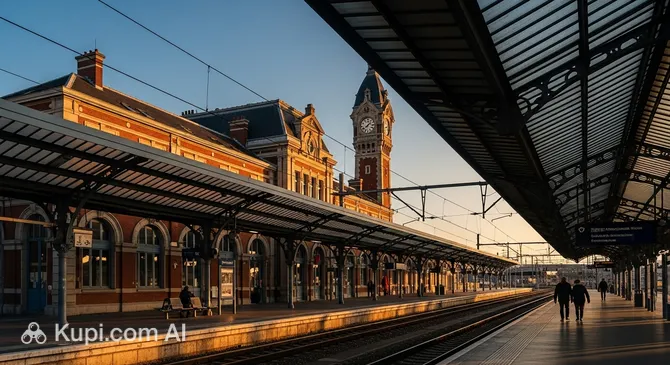
Roubaix Station. Source: Kupi.com Binoculars
Roubaix Railway Station (Gare de Roubaix) is a significant transport hub in the north of France, located in immediate proximity to the city centre. The station serves both regional TER trains, connecting the city with Lille and Belgian cities, and high-speed TGV trains travelling to Paris. The station building is distinguished by its functionality and provides convenient access to main attractions, including the famous La Piscine museum.

CityRoubaix
CountryFrance
TypeRailway station

For passengers, the station is intuitive and easy to navigate. The Main Entrance is located on the station square side (Place de la Gare), from where you can quickly reach the platforms via an underground passage or lifts. The station is integrated into the urban transport network: transfers to the metro and buses are just a few steps away, making travel around the region as comfortable as possible.

Contact Information

  • Official website: ter.sncf.com (regional TER Hauts-de-France site) or sncf-connect.com
  • Helpline: 3635 (SNCF general line, service available in French and English)
  • Address: Place de la Gare, 59100 Roubaix, France
  • Opening hours: daily from 05:15 to 22:15 (timings may vary on public holidays)
  • Luggage storage information: there are no automatic lockers at the station; it is recommended to check for luggage storage services at nearby hotels or the tourist office.
  • Accessibility: the Accès Plus service is available to assist passengers with reduced mobility (booking 48 hours in advance is recommended).

How to Get There

Getting to Roubaix station is very simple thanks to the developed public transport network of the Lille metropolitan area.

Metro and Tram: The Gare Jean-Lebas Roubaix metro station (Line 2) is located in immediate proximity to the railway station. The journey from the centre of Lille (Lille Flandres station) takes about 20–25 minutes. A tram (Line R) also runs here, connecting Roubaix with neighbouring towns.

Bus: A large bus hub is located next to the station, serving many routes of the Ilévia company (for example, lines 30, 33, Z6). This is a convenient option for trips from remote areas of the city.

On Foot: From the city's main attraction, the La Piscine museum, you can walk to the station in just 5–7 minutes. From the central Grand Place square, the walk will take about 10–12 minutes.

Taxi: A taxi rank is located directly in front of the station building exit on Place de la Gare. A trip within the city centre usually takes 5–10 minutes.
Services and Amenities

Roubaix Station offers a basic set of services necessary for waiting comfortably for a train. The building has a small waiting area where you can shelter from the weather. For ticket purchases, there are both traditional ticket counters (please note they may have breaks) and automatic SNCF terminals that accept cards and cash.

Additional amenities available to passengers include:

  • Wi-Fi: free internet access (network _SNCF_Gare_Gratuit).
  • Restrooms: located within the station building (service may be paid).
  • Photo booth: for urgent document photos.
  • Accessibility: the station is equipped with ramps and lifts for platform access, which is important for passengers with reduced mobility and tourists with heavy luggage.

Please note that power outlets for charging gadgets in the general hall may be limited, so it is better to ensure your devices are charged in advance.

Where to Eat

Dining options directly inside the station building are limited. Usually, there are vending machines with drinks and snacks, as well as a small Relay kiosk where you can buy water, chocolate, newspapers and magazines, and sometimes sandwiches for the journey.

If you have 30–40 minutes to spare, it is better to go out to the station square, Place de la Gare. Here and on the adjacent streets (for example, Avenue Jean Lebas), there are several brasseries and cafés where you can order a full lunch or coffee with a croissant. The average cost for a quick bite will be 5–10 Euros. Also within walking distance, there are fast food restaurants and bakeries (Boulangerie) offering fresh pastries for takeaway.

Station History

The history of railway connections in Roubaix is inextricably linked with the industrial past of the city, which was called the "French Manchester" in the 19th century due to its powerful textile industry. The first trains arrived here back in the mid-19th century, which became a powerful impetus for the development of fabric and coal exports.

The historic station building has been rebuilt several times to meet the growing passenger flow. In the late 20th century, with the decline of industry and the region's reorientation towards services and culture, the station was modernised. An important stage was the inclusion of Roubaix in the high-speed TGV train network, which allowed the city to be connected directly with Paris, as well as the integration of the railway station with the metro line, creating a unified multimodal hub.

Passenger Tips

Arrival and Tickets: It is recommended to arrive at the station 15–20 minutes before the train departs. Be sure to validate (stamp) paper tickets in the yellow machines before going to the platform, unless it is an electronic ticket in the app.

Safety: As at any major transport hub, keep an eye on your belongings. In the evening, the area around the station can be less crowded, so try to wait for a taxi or transport in well-lit zones or inside the building.

Transfers: If you are travelling with a transfer in Lille, keep in mind that there are two stations in Lille: Lille Flandres and Lille Europe. They are located 500 metres from each other, but allow at least 10–15 minutes for the transfer.

Luggage: Since there are no luggage lockers at the station, plan your route so as not to carry heavy bags around the city, or find out in advance about luggage storage services (Nannybag and similar) in local shops.

Reached the end of the page?

That means the route is fully explored