Support

Norvenich

About

Welcome to Norvenich, a captivating municipality located in the state of North Rhine-Westphalia. Situated in western Germany, this town offers a peaceful retreat for travelers seeking to explore the authentic countryside while remaining close to major cultural hubs like Cologne and Düren.

With a population of approximately 10,800 residents, Norvenich maintains a friendly, small-town atmosphere. The town is nestled in the Zülpich Börde, a fertile landscape that provides a scenic backdrop of open fields and lush greenery, making it an ideal destination for those who appreciate nature and tranquility.

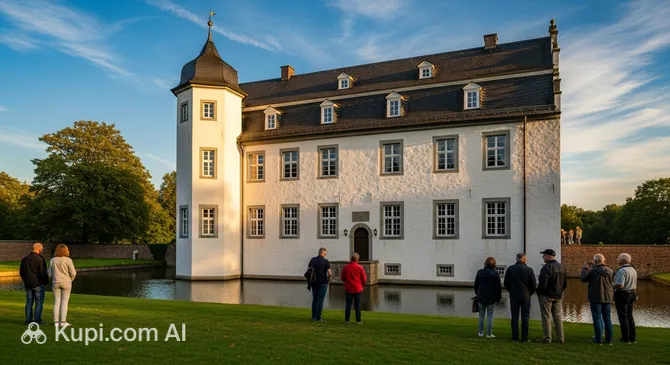
Norvenich. Source: Kupi.Binoculars

Despite its modest size, the town boasts a significant heritage. Visitors interested in the past can delve into the history of Norvenich to discover how this settlement has evolved over the centuries. A focal point of local culture is the impressive Schloss Nörvenich (Norvenich Castle). This historical site not only serves as an architectural landmark but also houses the Museum of European Art, featuring works by renowned sculptors and artists.

Beyond the castle, the area is perfect for outdoor enthusiasts. The flat terrain of the surrounding region is excellent for cycling and hiking, allowing tourists to enjoy the fresh air and rural vistas. Whether you are an art lover or simply looking for a relaxing break, Norvenich offers a delightful mix of culture and nature that is well worth a visit.

Weather Overview

The climate in this region is generally mild and temperate, making it accessible for visitors year-round. To help plan your outdoor activities and packing list, it is useful to check the detailed forecast for the weather in Norvenich before your trip.

Summer is typically the most popular time for tourism, with June through August offering pleasant warmth. August is usually the warmest month, with an average temperature of 19.5°C and daily highs reaching up to 23.9°C. While the temperatures are comfortable, rain is still possible, with about 11 to 15 wet days per month during this season.

Winter brings cooler weather, with average temperatures in January dropping to around 3.8°C and lows hovering near 1.7°C. This season is characterized by frequent precipitation, particularly in December, which sees approximately 18 wet days. Expect warm summers with occasional rain and cold, damp winters throughout the year.

Interesting Facts

Beyond the main attractions, Norvenich holds many fascinating secrets that surprise even seasoned travelers. From rock music history to royal visits, this small town has a cultural footprint that far exceeds its size.

  • Music fans might be surprised to learn that Schloss Nörvenich was once a creative hub for the legendary experimental rock band Can. In the late 1960s, the band set up their studio, known as "Inner Space," within the castle walls and recorded influential albums like Tago Mago and Soundtracks right here.

  • The town is a hidden gem for surrealist art lovers. The Museum of European Art, located in the castle, houses a rare collection of Salvador Dalí's works. The exhibition's prestige is such that it was historically inaugurated by the current King of Spain, Felipe VI, highlighting the strong cultural bond between the region and European royalty.

  • For those who love fortifications, the municipality is a true treasure trove, boasting a total of five castles within its vicinity. While some, like the Alte Burg, are romantic ruins, others remain intact, offering a diverse look at medieval architecture across the local landscape.

  • Norvenich plays a significant role in German aviation history. It is home to the Boelcke tactical air force wing, which is the oldest operational squadron in the German Air Force. Named after the famous World War I pilot Oswald Boelcke, the unit has been stationed here since the 1950s and was the first to be assigned to NATO.

How to Get There

Reaching this charming municipality is quite convenient due to its location in the well-connected North Rhine-Westphalia region. While the town offers a peaceful rural atmosphere, it is situated relatively close to major metropolitan areas. For a comprehensive guide on travel options, you can read more about how to get to Norvenich, including detailed routes and tips.

The city of Norvenich does not have its own airport, but international travelers can easily fly into Cologne Bonn Airport (IATA: CGN). Located in the city of Cologne, approximately 35 km away, it serves as a major hub for both domestic and international flights. From there, a taxi or bus ride to Norvenich typically takes around 72 minutes. Another excellent option is Dusseldorf International Airport (IATA: DUS), situated in Dusseldorf about 53 km from the town. This is a large international airport offering a wide range of connections, with a transfer time of roughly 1 hour and 40 minutes by road.

For clarity, here is a summary of the main airports:

Airport Name City Passenger Traffic Km from City
Dusseldorf International Airport Dusseldorf High 53.4
Cologne Bonn Airport Cologne High 34.6
Weeze Airport Dusseldorf Medium 95.2
Maastricht Aachen Airport Maastricht Low 62.7
Liege Airport Liege Low 86.9

Traveling by train is another popular method, although Norvenich does not have a railway station of its own. Most visitors arrive at Cologne Central Station (IATA: QKL) in the city of Cologne, which is about 27 km away. As one of the busiest railway hubs in Europe, it connects to destinations across the continent. From the station, you can take a taxi or a connecting bus service to reach Norvenich, a journey that takes approximately 60 minutes depending on traffic.

Below is a list of the nearest railway stations that serve as convenient entry points:

Station City Passenger Traffic Km to Center
Cologne Central Station Cologne Very High 26.7
Bonn Hauptbahnhof Cologne High 32.9
Leverkusen Mitte Station Leverkusen Medium 34.7
Dormagen Railway Station Dormagen Medium 34.6
Messe/Deutz Station Cologne 27.6

Main Attractions

While Norvenich is a quiet municipality, it offers a delightful selection of sites that cater to culture enthusiasts, families, and nature lovers alike. From historical fortifications to modern recreational facilities, the town provides diverse experiences for a day trip or a relaxing weekend.

Schloss Nörvenich is undoubtedly the cultural heart of the town. This well-preserved 18th-century castle is not just an architectural marvel but also the home of the Museum of European Art. Tourists are drawn here to admire the impressive collection of sculptures and paintings, including rare graphic works by Salvador Dalí. The castle grounds also feature a serene park, making it a perfect spot for a leisurely stroll after soaking in the artistic heritage inside.

For families traveling with children, the Bubenheimer Spieleland is a top attraction that promises hours of fun. Located on the grounds of the historic Burg Bubenheim estate, this expansive adventure park offers a mix of indoor and outdoor activities. Visitors can enjoy giant slides, climbing frames, go-kart tracks, and a popular corn maze during the harvest season. It is widely regarded as one of the best leisure parks in the region, combining active play with a charming rural setting.

Nature enthusiasts will appreciate the Neffelbach Valley (Neffelbachaue), a scenic green corridor that winds through the municipality. This protected landscape is ideal for hiking, cycling, and observing local wildlife. The flat, well-maintained paths make it accessible for visitors of all fitness levels, offering a peaceful escape into the lush countryside of the Zülpich Börde. It provides a refreshing contrast to the historical buildings, allowing travelers to connect with the natural beauty of North Rhine-Westphalia.

Local Cuisine

The local cuisine of Norvenich reflects the hearty and rustic traditions of the Rhineland region. Situated in the fertile Zülpich Börde, the town's culinary scene is heavily influenced by agriculture, meaning menus often feature fresh, locally sourced ingredients like potatoes, cabbage, and seasonal vegetables. The food here is comfort-oriented, characterized by generous portions and rich flavors that provide a warm welcome to visitors.

One of the most iconic dishes to try is Rheinischer Sauerbraten. This traditional pot roast, typically made from beef, is marinated for several days in a mixture of vinegar and spices before being slow-cooked. It is served with a distinctive sweet-and-sour gravy, often thickened with crushed gingerbread (Printen) and raisins, creating a unique taste experience. Another regional classic is Himmel un Ääd ("Heaven and Earth"), a savory mash of potatoes and apples served with fried black pudding (Flönz) and caramelized onions.

For a lighter snack or a rustic pub meal, look for the deceptively named Halve Hahn. Despite translating to "half a chicken," this dish is actually a rye bread roll served with a thick slice of Gouda cheese, mustard, and pickles. Reibekuchen, or crispy fried potato pancakes, are also a favorite, particularly at local markets or festivals, where they are traditionally eaten with apple sauce.

The beverage culture in Norvenich is strongly influenced by its proximity to Cologne. The local beer of choice is Kölsch, a light, top-fermented beer served in small, cylindrical glasses known as Stangen. It is the standard accompaniment to social gatherings and meals. For a non-alcoholic alternative, Apfelschorle—sparkling mineral water mixed with apple juice—is a refreshing staple found on almost every menu.

Dining in Norvenich typically centers around traditional Gasthöfe (guest houses) and cozy taverns. These family-run establishments offer a relaxed atmosphere where locals and tourists mingle. While you won't find a vast array of international street food, the local bakeries are excellent spots for a quick bite, offering fresh pastries and breads that highlight the region's baking heritage.

Travel Tips

To ensure your visit to Norvenich is as smooth and enjoyable as possible, we have compiled a set of essential travel tips. Whether you are exploring the historic castles or cycling through the scenic Zülpich Börde, these practical insights will help you navigate the municipality with ease and confidence.

  1. Clothing and Gear: Since the weather in North Rhine-Westphalia can be changeable, it is best to pack in layers. A waterproof jacket and a sturdy umbrella are essential items, regardless of the season, as rain showers can occur year-round. If you plan to explore the nature trails or visit the Bubenheimer Spieleland, bring comfortable walking shoes or sneakers. Dress codes are generally casual, but modest attire is appreciated if you visit local churches.
  2. Transportation: While Norvenich is well-connected by regional bus lines (such as those operated by Rurtalbus) to nearby cities like Düren and Cologne, the town itself does not have a train station. For the most flexibility, especially if you wish to explore the surrounding rural areas and scattered castles, renting a car is highly recommended. Taxis are available but should be booked in advance, as you cannot simply hail them on the street in a town of this size.
  3. Finances: The official currency is the Euro (€). While supermarkets and larger restaurants generally accept credit and debit cards (Visa, Mastercard), Germany still has a strong cash culture. Smaller bakeries, traditional Gasthöfe, and kiosks often accept only cash or the local "Girocard." It is wise to carry some cash with you for small purchases. ATMs (Geldautomaten) are easily found in the town center. Tipping is customary; rounding up the bill or leaving about 5-10% is standard.
  4. Health and Safety: Norvenich is a very safe and peaceful community with low crime rates. For minor health issues, look for a pharmacy, marked by a red "A" symbol (Apotheke); they rotate emergency night shifts if needed. For serious emergencies, dial 112 for ambulance or fire services and 110 for the police. The water quality is excellent, and tap water is safe to drink.
  5. Communication: The primary language is German. While younger people and those working in tourism generally speak good English, some older residents in rural areas may not be fluent. Learning a few basic phrases like "Guten Tag" (Good day) and "Danke" (Thank you) will be warmly received. Free Wi-Fi is often available in cafes and public buildings, and prepaid SIM cards can be purchased at local supermarkets or petrol stations.
  6. Local Etiquette: Germans value punctuality and order. If you have an appointment or a reservation, try to be on time. Sunday is traditionally a quiet day (Ruhetag); most shops are closed, and making loud noise (like mowing the lawn or playing loud music) is frowned upon. When entering a shop or waiting room, a polite general greeting to everyone present is common courtesy.
  7. What to Avoid: Be careful not to walk in designated bicycle lanes. The region is popular for cycling, and bike paths are strictly for cyclists; walking in them can cause accidents and may annoy locals. Also, avoid crossing the street when the pedestrian light is red, even if no cars are coming, as following traffic rules is taken seriously here.
  8. Shopping Hours: Keep in mind that unlike in some other countries, most shops, including grocery stores and pharmacies, are closed on Sundays. The only exceptions are usually bakeries (open for a few hours in the morning) and petrol stations. Plan your grocery shopping for Saturday to avoid being caught without supplies.

With these tips in mind, you are well-prepared to relax and enjoy the authentic atmosphere of Norvenich. We hope you have a wonderful time discovering the unique history and beautiful landscapes of this welcoming German town!

Entertainment & Nightlife

Nörvenich is primarily a peaceful residential and rural municipality, meaning it does not have a bustling nightlife district or a row of high-energy nightclubs. The evening atmosphere here is characterized by tranquility and authentic local culture rather than loud parties. For visitors, the nightlife experience revolves around cozy gatherings, enjoying a quiet drink, or attending cultural events, making it a perfect destination for those who prefer a relaxed pace over a chaotic club scene.

The heart of the local social life can typically be found in the traditional Gaststätten (guest houses) and pubs scattered around the town center and the surrounding villages. Here, the vibe is informal and welcoming, with locals gathering to enjoy a glass of Kölsch or a pilsner after work. The dress code is almost always casual, and the opening hours tend to wind down earlier than in big cities, with many places closing around midnight or 1:00 AM on weekends.

If you are looking for specific venues to enjoy an evening out, Schloss Nörvenich is a key location to keep in mind. While it is a historical site by day, it frequently hosts evening concerts, art exhibitions, and cultural galas in its impressive halls. Another notable spot is Burg Bubenheim. Although famous for its daytime family activities, the estate often organizes special seasonal events, such as harvest festivals or evening gatherings, which provide a unique way to experience the local heritage after sunset.

For those seeking a more vibrant party atmosphere with dancing and DJs, the best advice is to head to the nearby major cities. Cologne (Köln) is just a short drive or taxi ride away and offers world-class nightlife. The Zülpicher Straße and the Belgian Quarter in Cologne are legendary for their high density of bars, student pubs, and clubs that stay open until dawn. Similarly, the town of Düren offers a selection of bars and late-night venues that are closer than Cologne, serving as a good alternative for a fun night out.

Regarding safety, Nörvenich is considered very safe for night walks. The streets are well-lit and crime rates are low, allowing you to stroll through the town center without worry. However, since public transport options like buses decrease significantly late at night, it is crucial to plan your return journey in advance. Taxis are not always waiting at stands, so it is highly recommended to save the number of a local taxi service or use a ride-hailing app if you plan to stay out late in neighboring cities.

During the day, the town offers a different kind of entertainment. Visitors can explore the Museum of European Art within the castle or take long, scenic walks through the Neffelbach Valley. For families, the adventure park at Burg Bubenheim remains a top attraction. Whether you spend your day exploring history or your evening enjoying a quiet local beer, Nörvenich offers a charming escape from the hustle and bustle of urban life.

Parks & Museums

While Norvenich is a modest municipality, it surprises visitors with a refined blend of cultural treasures and accessible natural beauty. The town’s landscape is defined by the fertile plains of the Zülpich Börde, while its historical buildings host unique artistic collections, creating a harmonious environment for exploration and relaxation.

The Castle Park (Schlosspark) surrounding Schloss Nörvenich offers a sophisticated outdoor experience. Unlike a typical wild forest, this area serves as a curated interface between nature and human creativity. As you stroll through the grounds, you will encounter a series of bronze sculptures and artistic installations placed among ancient trees and along the castle’s moat. This open-air gallery allows visitors to appreciate art in a serene setting, where the changing light of the day interacts with the sculptures to create a dynamic visual experience.

For those seeking a deeper connection with the local ecology, the Neffelbach Valley (Neffelbachaue) provides a refreshing escape. This renatured landscape conservation area follows the winding course of the Neffelbach stream. Rather than just a hiking trail, it is a vital habitat for local wildlife and a prime example of ecological restoration. The flat paths are ideal for contemplative walks or jogging, offering uninterrupted views of the open countryside and a chance to observe native bird species in a quiet, protected corridor.

The cultural anchor of the town is the Museum of European Art (Museum Europäische Kunst), housed within the historic walls of the castle. While the collection is famous for its works by surrealist master Salvador Dalí, the museum's appeal lies in its unique presentation. The exhibitions are designed to foster a dialogue between classical tradition and modern creativity. Walking through the restored aristocratic salons, visitors experience art not in a sterile white cube, but in a living historical space that adds layers of context and grandeur to every piece on display.

History enthusiasts will find a gem in the Parish Church of St. Medardus. This architectural landmark features elements tracing back to the 12th century, most notably its Romanesque tower, which stands as a testament to the town's medieval roots. Stepping inside, one can admire historical religious art and experience the tranquil ambiance that has served the local community for centuries.

A more recent chapter of local history is preserved at the Memorial of Alt-Oberbolheim. This site marks the location of a former village that was resettled in the late 1960s to accommodate the expansion of the Nörvenich Air Base. Today, a memorial stone and the preserved remains of the old cemetery chapel stand as a poignant tribute to the former community. It offers a quiet place for reflection and a unique glimpse into the region's post-war development and the changes brought by the Cold War era.

For an authentic way to explore the wider region, consider following the Roman Roads that crisscross the area, remnants of the ancient Agrippa Road network. Cycling along these historic routes offers a fascinating journey through time, leading past traditional wayside crosses and historical estates like Haus Rath. These paths provide a rewarding adventure for those willing to venture off the beaten track and immerse themselves in the rich heritage of the Rhineland.

Getting Around

As a smaller municipality, Norvenich does not have an extensive urban transit system like a metro or tram network. Instead, public transport relies entirely on a reliable and well-connected bus network. These buses serve as the lifeline for locals and tourists, connecting the town center with the surrounding villages and, most importantly, linking passengers to major railway stations in nearby cities like Düren and the S-Bahn station in Buir. The primary operator in the region is Rurtalbus, which provides modern and comfortable vehicles for these routes.

The payment system operates within the regional transport association tariffs. For tourists, the ticketing system is unified, meaning one ticket covers your bus ride and any connecting trains within the specific zone. Fares vary based on the distance traveled, with a single trip to a nearby city costing a few euros. If you plan to travel extensively throughout the region or stay for a longer period, the nationwide Deutschlandticket is a highly recommended option, offering unlimited travel on all local and regional transport for a flat monthly fee.

For the most convenient experience, visitors are advised to purchase tickets digitally. The DB Navigator app or the local naveo app are essential tools; they allow you to check real-time schedules, plan complex routes, and buy tickets instantly on your phone. If you prefer paper tickets, they can often be purchased from the bus driver (carry small change) or at ticket machines at major train stations before you transfer. Remember that if you have a physical ticket that isn't date-specific, you must validate it by stamping it in the machine on the bus immediately upon boarding to avoid fines.

When planning your trips, be mindful of operating hours. While bus service is frequent during peak commuting times on weekdays, the frequency drops significantly in the evenings and on weekends. On Sundays and public holidays, buses may run only every few hours or rely on an "on-demand" service that requires booking in advance. Always check the return schedule before heading out for a day trip to avoid being stranded late at night.

Given the rural and scenic nature of the landscape, alternatives to the bus are quite popular. Cycling is a favorite mode of transport here; the terrain is flat, and there is a network of dedicated bike paths connecting Norvenich to neighboring towns. For those needing more flexibility, taxis are available but must be booked by phone or app, as there are no taxi ranks for hailing rides on the street. Since the town is relatively small, walking is also a pleasant and viable option for getting around the center and visiting local shops or the castle.

While there are no historic cable cars or vintage trams in the town itself, the bus ride through the Zülpich Börde offers its own charm. The routes wind through open fields and agricultural landscapes, providing a scenic tour of the countryside that is particularly beautiful during the harvest season or when the fields are in bloom.

Accommodation

Accommodation in Norvenich reflects the town's character: peaceful, welcoming, and small-scale. Unlike the large metropolitan hubs nearby, you will not find sprawling luxury resorts or high-rise international hotel chains here. Instead, the hospitality scene is dominated by charming, family-run hotels and traditional guest houses (Gasthöfe). These establishments often combine lodging with a local restaurant or pub on the ground floor, offering visitors a chance to experience authentic Rhenish hospitality firsthand.

For travelers preferring more independence, there is a good selection of vacation rentals and holiday apartments (Ferienwohnungen). These are particularly popular among families visiting the nearby Bubenheimer Spieleland or cyclists exploring the Zülpich Börde. These rentals are often located in converted farmhouses or historic buildings, providing a cozy "home away from home" atmosphere that fits perfectly with the rural surroundings.

The most convenient area to stay is the town center, close to the market square and Schloss Nörvenich. Staying here places you within walking distance of local bakeries, banks, and the bus stops connecting you to Düren and Cologne. Alternatively, some visitors choose accommodations in the quieter outlying villages of the municipality, which offer immediate access to hiking trails and a complete escape from urban noise.

Booking Tip: While Norvenich is generally quiet, availability can tighten significantly during major trade fairs (Messe) or the Carnival season in nearby Cologne. During these times, travelers often look to surrounding towns for accommodation, causing prices to rise and rooms to fill up quickly. It is highly advisable to book well in advance if your trip coincides with these major regional events.

In terms of cost, staying in Norvenich is typically more affordable than in the city centers of Cologne or Dusseldorf. Prices generally fall into the budget to mid-range category. While major booking platforms list most local hotels and apartments, some smaller, traditional guest houses may still offer the best rates through direct booking via phone or their own websites.

Nearby Cities

For those looking to explore the surroundings, Norvenich serves as an excellent base for day trips to several interesting nearby locations:

Just a short distance away lies Duren, a city often referred to as the "Gate to the North Eifel." It is a cultural hub featuring the renowned Leopold Hoesch Museum, which houses an impressive collection of expressionist and classical modern art. Visitors can also explore the moated Burgau Castle, located in the city's forest, offering a mix of history and nature perfect for a relaxing afternoon.

Another fascinating destination is Kerpen, widely known internationally as the hometown of Formula 1 legend Michael Schumacher. Motorsport enthusiasts often flock to the local karting center established by the racing family. Beyond sports, Kerpen is home to the beautiful Schloss Loersfeld, a 15th-century castle surrounded by an English landscape park, which is considered one of the most beautiful castle complexes in Germany.

To the south, Euskirchen offers a blend of history and relaxation. The city still retains parts of its medieval fortifications, including three defensive towers that stand as a testament to its past. For those seeking leisure, Euskirchen is famous for its "Thermen & Badewelt," a massive tropical spa complex with palm trees and saunas that attracts visitors from all over the region.

City Population Distance (km)
Duren 91,814 12
Kerpen 66,294 8
Bergheim 61,807 15
Hürth 60,189 19
Euskirchen 58,754 20

These nearby destinations offer a glimpse into the diverse culture and landscapes of the region, ranging from industrial heritage and high-speed sports to medieval history and wellness retreats.

Shopping & Souvenirs

Shopping in Norvenich is a relaxed and authentic experience that reflects the town's rural character. Unlike large metropolises, this municipality does not feature sprawling shopping miles or high-end luxury boulevards. Instead, the retail scene focuses on practicality and local quality. Visitors will find a selection of essential stores, charming family-run businesses, and excellent opportunities to purchase fresh, regional produce directly from the source.

The main shopping activity is concentrated around the town center, particularly near the Marktplatz (Market Square) and along the main thoroughfares like Burgstraße and Bahnhofstraße. Here, you can stroll past traditional bakeries, florists, pharmacies, and small boutiques offering clothing or household goods. It is a pleasant area for a short walk, allowing you to pick up daily necessities while enjoying the small-town atmosphere.

Travelers looking for large-scale retail therapy should be aware that Norvenich does not have its own shopping malls or department stores. For a comprehensive shopping spree, locals typically head to the nearby city of Düren, which houses the StadtCenter Düren, or drive to Kerpen to visit large retail parks. Of course, the extensive shopping streets of Cologne are also easily accessible for a full day of fashion and luxury shopping.

What Norvenich lacks in malls, it makes up for with its farm shops (Hofläden). Situated in the fertile Zülpich Börde, the region is agricultural, and many local farmers sell their harvest directly to consumers. These farm shops are the best places to find high-quality seasonal vegetables, fruits, eggs, and potatoes. While there may not be a large, permanent tourist market, these direct-sales outlets offer a genuine "farm-to-table" shopping experience that is highly valued by residents.

When it comes to souvenirs, the best mementos are edible ones. The region is famous for its sugar beets, so a jar of Rübenkraut (sugar beet syrup) makes for a traditional and delicious gift. Local honey, homemade jams from the farm shops, or a bottle of regional liqueur are also popular choices. Additionally, visitors to Schloss Nörvenich can often find art books, postcards, or small replicas related to the Dali exhibition in the museum shop.

Opening hours in Norvenich follow the standard German pattern. Smaller shops in the center are typically open from 9:00 AM to 6:00 PM on weekdays, often closing around 1:00 PM or 2:00 PM on Saturdays. Supermarkets on the outskirts usually have longer hours, staying open until 8:00 PM or 9:00 PM. Be sure to carry cash (Euros), as many smaller bakeries and traditional shops may not accept credit cards, although EC cards (debit cards) are widely used. Sunday is a rest day, and almost all shops are closed.

regarding Tax-Free shopping, while the scheme exists in Germany for non-EU residents, it is unlikely you will find participating stores in a small town like Norvenich. To claim a VAT refund, you would typically need to shop at larger chains or department stores in the neighboring cities of Cologne or Düsseldorf, where "Tax Free" signage is displayed in the windows.
Reached the end of the page?

That means the route is fully explored