Support

Rastatt

About

Rastatt is a picturesque and cozy town located in the heart of Baden-Württemberg. Situated just a few kilometers from the banks of the Rhine and the French border, it combines German reliability with a touch of French charm. A trip to this corner of the world, which Germany is rightfully proud of, is an excellent choice for both architecture connoisseurs and nature enthusiasts.

The town's geographical location is unique: it is surrounded by the green expanses of the Upper Rhine Plain, with the famous hills of the Black Forest stretching out nearby. With a population of about 50,000, Rastatt remains compact enough to maintain an atmosphere of comfort and tranquility, yet it possesses all the necessary infrastructure of a modern administrative center.

Rastatt. Illustration.
Source: Kupi.com AI

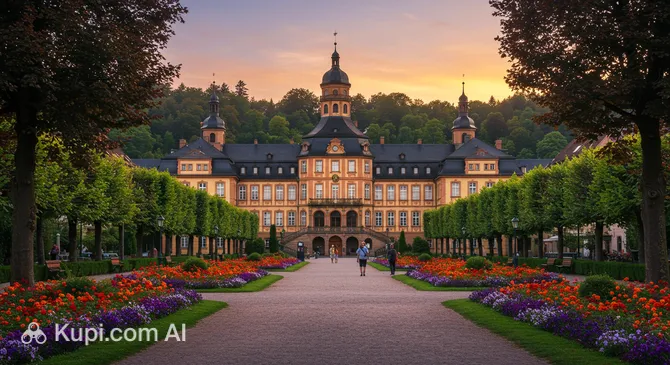
The town is permeated with an aristocratic spirit and elegance. The rich history of Rastatt dates back to the 17th and 18th centuries, when one of the country's most impressive Baroque residences was built here. Majestic palace complexes, old cobbled streets, and well-kept parks create a unique architectural ensemble that never fails to delight visitors.

Rastatt is worth visiting for its remarkably warm atmosphere and the opportunity to experience authentic European culture. Everyone will find something to their liking here, from tours of museums and palaces to tasting local delicacies in cozy cafes. It is an ideal destination for those seeking inspiration and harmony away from the noise of major metropolises.

Weather Overview

The climate of Rastatt can be described as moderately warm and humid, typical for the Upper Rhine region. Summer delights with comfortable warmth: in July and August, average temperatures are around 20–21°C, with maximum values reaching 25–26°C. This is an excellent time for excursions; however, travelers should not forget their umbrellas, as even in the summer months, around 12–13 days with precipitation are recorded.

The winter period is cool but without extreme frosts. In January, the thermometer shows an average of 3.2°C, and night temperatures rarely drop below 1°C. The "wettest" month is December with 18 rainy days, so waterproof shoes will be useful. Spring and early autumn are ideal times for those who do not like heat, as in May and September, the air warms up to a pleasant 14–17°C. To find out the exact forecast for your trip dates, check the weather in Rastatt.

Overall, expect a warm summer with occasional rain and cool, humid winters when the temperature stays just above freezing.

Average monthly temperature

Average monthly precipitation

Interesting Facts

Beyond its main attractions, Rastatt holds many fascinating secrets and historical anecdotes that make a walk through the town even more exciting. Here are a few facts that will allow you to look at this corner of Baden-Württemberg from a new perspective:
  • The "German Versailles" and Jupiter on the roof. The town's main residence was built by Margrave Ludwig Wilhelm, known as "Turkish Louis," modeled after the French Versailles. A unique detail of the palace is the golden statue of Jupiter the Thunderer crowning the roof, which was quite a bold decision for that time. Lavish masquerade balls were often held inside the palace, where hosts and guests enjoyed dressing in trophy Turkish costumes to emphasize the Margrave's military achievements.

  • A diplomatic center of Europe. In 1714, Rastatt became the place where the fate of the continent was decided. The Treaty of Rastatt was signed here, ending the War of the Spanish Succession. This event briefly turned the small town into a center of European diplomacy, drawing the attention of all royal courts.

  • Living history. Local residents carefully preserve the traditions of the Baroque era by hosting annual themed festivals. These are not just concerts, but true reconstructions: the streets fill with people in historical costumes, ancient music plays, and dance performances literally transport guests back to the 18th century.

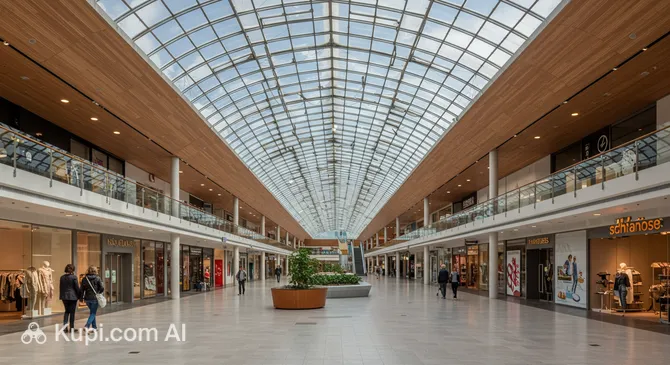
  • A connection of eras in names. The influence of the palace complex on town life is felt even in modern infrastructure. For example, a large shopping center located in the heart of town bears the symbolic name SchlossGalerie ("Palace Gallery"), harmoniously linking today's pace of life with the great heritage of the past.

SchlossGalerie. Illustration.
Source: Kupi.com AI

Traveler photos:

How to Get There

When planning a trip to this cozy corner of Baden-Württemberg, it is important to think through the logistics in advance. The town has excellent transport accessibility thanks to its proximity to major highways. You can find out more details on how to get to Rastatt to choose the most suitable route.

Rastatt does not have its own airport, so it is most convenient for travelers to use the airports of neighboring cities. One of the most popular options is Frankfurt Airport (IATA: FRA). It is the largest international hub, located in Frankfurt am Main, about 134 km from Rastatt. The journey by car or taxi from the terminal to the destination will take about 1.5 hours.

Another convenient option is Stuttgart Airport (IATA: STR), located at a distance of about 75 km. It is an important transport hub for the region, receiving many European flights. The trip by road from here will take approximately 1 hour. If you are looking for the closest possible option, pay attention to Baden Airpark (IATA: FKB). It is just 13 km from your destination, and the drive takes about 20 minutes.

For clarity, here is summary information on the main airports:

AirportPassenger trafficDistance
Baden-Airpark1.8 mln13 km
Strasbourg Airport1.3 mln56 km
Mannheim Airport40 00072 km
Stuttgart Airport9.1 mln75 km
Frankfurt Egelsbach Airport80 000127 km

The railway connection is another great way to get to the region. Direct long-distance high-speed trains might not stop directly in the center, but you can travel to major stations nearby. For example, Karlsruhe Hauptbahnhof (IATA: KJR) is only 20.5 km from Rastatt. It is a major hub from which you can easily reach your final destination by taxi or local train.

It is also worth considering the Baden-Baden Station (IATA: ZCC), which is located even closer—just 7.8 km from Rastatt. This is a very convenient option for those who want to minimize transfer time.

Below is a table with the nearest railway stations:

StationPassenger trafficDistance
Baden-Baden Railway Station2.2 mln8 km
Karlsruhe Hauptbahnhof21.9 mln21 km
Bruchsal6.4 mln39 km
Strasbourg Railway Station23.9 mln46 km
Mannheim Hauptbahnhof36.5 mln72 km

Main Attractions

Rastatt is rightfully called a Baroque pearl, and getting to know the town is impossible without visiting its magnificent palace complexes. The town's architectural appearance was shaped in the 18th century, and today tourists can enjoy the grandeur of that era while strolling through wide squares and manicured parks.

The undisputed landmark of the town is the Residenzschloss (Rastatt Residential Palace). It is the oldest Baroque residence on the Upper Rhine, modeled after Versailles. The massive palace complex impresses with its scale and luxury: the state rooms are decorated with rich stucco and frescoes, and the building's wings house the Military History Museum, one of the best in Germany. This is a must-visit for anyone who wants to understand the region's history and see how the Margraves of Baden lived.

Another architectural masterpiece is Schloss Favorite (Favorite Palace), located on the outskirts of the town. This charming summer palace served as a place of rest and entertainment for Margravine Sibylla Augusta. Inside, unique collections of porcelain, glass, and faience have been preserved, and the interiors are distinguished by their refinement and attention to detail. The palace is surrounded by a picturesque English landscape park, where it is pleasant to walk at any time of year, enjoying the silence and natural beauty.

SchlossGalerie. Illustration.
Source: Kupi.com AI

Traveler photos:

For those who want to combine a cultural program with modern leisure, SchlossGalerie is an excellent choice. This shopping center is successfully integrated into the urban landscape and is located in the immediate vicinity of the main residence. Here you can not only shop in numerous boutiques but also relax in a cafe while watching the life of the town. The complex is an example of how modern architecture can harmoniously coexist with historical heritage, offering tourists comfort and convenience in the very center of Rastatt.

Local Cuisine

The cuisine of Rastatt is a harmonious blend of German reliability and the refined culinary traditions of the Baden region. The town's gastronomic life offers tourists a true feast of flavors, where every dish is prepared with soul. Local establishments range from cozy family inns to elegant restaurants, and everywhere you will be offered portions capable of satisfying the hunger of the most tired traveler.

The menu is based on classic meat delicacies. Be sure to try the golden schnitzel and aromatic sausages, which are typically served here with sauerkraut or potato salad. Special attention in the region is paid to seasonality: in spring, tender asparagus with Hollandaise sauce becomes the queen of the table, and in autumn, restaurants offer exquisite dishes featuring game and wild mushrooms. For dessert, it's worth ordering traditional homemade fruit pies, which perfectly complement the meal.

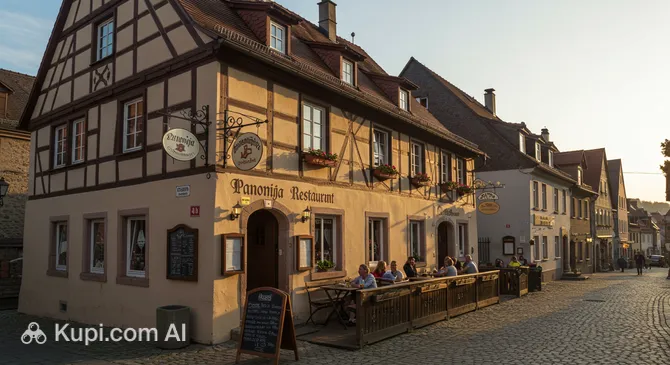
Panonija Restaurant. Illustration.
Source: Kupi.com AI

Traveler photos:

As for drinks, Rastatt, as part of a wine-growing region, is proud of its Baden wines. Local white varieties are distinguished by a mild taste and rich aroma, pairing perfectly with main courses. Of course, one cannot forget about beer—quality German varieties are highly valued here and can be sampled in any bar or beer garden.

The food culture in the town is democratic and diverse. Foodies should visit the farmers' markets to buy fresh cheeses, smoked meats, and bread baked according to old family recipes. Street food lovers will appreciate hot snacks: from spicy grilled sausages to crispy salted pretzels. If you want to enjoy the atmosphere and excellent cuisine in a reputable establishment, you can visit Pannonia Restaurant, where hospitality and flavor are at their peak.

Travel Tips

Rastatt is a hospitable town where history is harmoniously interwoven with the modern rhythm of life. To ensure your journey through this "Baroque" corner, of which Germany is proud, is as comfortable and carefree as possible, we have prepared a list of useful recommendations.

  1. Clothing and Footwear. The climate in the region is quite mild, but the weather can be changeable, so it is better to dress in layers. For walks through the historic center and the vast palace parks, be sure to take comfortable flat-soled shoes—cobblestones and gravel paths are not suitable for heels. There is no strict dress code in town, but when visiting active churches, it is worth adhering to a modest style.
  2. Transport. Rastatt is compact, and its main attractions are within walking distance of each other. For trips to the surroundings or neighboring Karlsruhe, it is convenient to use S-Bahn trams and buses. We recommend downloading the KVV app (Karlsruhe transport network) to buy tickets and plan routes. Don't forget to stamp paper tickets before boarding.
  3. Finances. The official currency is the Euro. Although Visa and Mastercard are accepted in supermarkets, hotels, and large restaurants, cash is still preferred in Germany. Always carry small bills for payments in bakeries, souvenir shops, and small cafes. Tips ("Trinkgeld") are usually left in the amount of 5–10% of the bill, simply by rounding up the amount when paying.
  4. Health and Safety. Rastatt is a quiet and safe town where you can walk safely in the evening. Pharmacies are easily recognized by the large red letter "A"; information about the duty pharmacy (open at night) can always be found on the door of any closed pharmacy. The tap water here is of excellent quality and is safe to drink.
  5. Communication and Language. The main language is German. In tourist areas, hotels, and museums, staff usually speak English well, but this is not guaranteed in small shops. Locals will appreciate it if you learn a couple of phrases: "Guten Tag" (Good day) and "Danke" (Thank you). Free Wi-Fi is available in many cafes and at the railway station.
  6. Local Etiquette. Germans value politeness and following rules. When entering a small shop, it is customary to greet the seller. On Sunday, most shops (except for those at stations and gas stations) are closed—it is a day of silence and rest ("Ruhetag"), so it's worth stocking up on groceries in advance.
  7. What to Avoid. Never walk on bicycle paths—they are often marked by color or lines on the sidewalk. Cyclists ride fast, and you could create a dangerous situation. Also, do not cross the road on a red light, even if no cars are nearby—this is considered bad manners and can result in a fine.
  8. Bonus: Proximity to the Border. Rastatt is very close to French Alsace. If you have time, take the opportunity to cross the Rhine by ferry or bridge to compare German and French culture, cuisine, and architecture in one trip.

By following these simple tips, you will be able to feel as confident in Rastatt as a local. Enjoy the majestic architecture, the comfort of old streets, and the warm welcome of this wonderful town!

Entertainment & Nightlife

Nightlife in Rastatt perfectly reflects the character of the town itself: it is quiet, cozy, and lacks the hustle and bustle of major metropolises. Here you won't find massive techno clubs or loud parties until dawn for which Berlin is famous. Instead, the town offers an atmosphere of traditional German Gemütlichkeit (coziness). Evenings here are usually spent in leisurely conversation in local pubs, tasting Baden wines, or enjoying a hearty dinner with friends.

The epicenter of evening activity is the Market Square (Marktplatz) and the surrounding streets of the historical center. In the warmer months, the square turns into one large terrace: cafe and bar tables are set out on the street, and the air is filled with the hum of voices and laughter. The crowd here is diverse—from students to elderly couples—but everyone is united by a love for good beer and relaxed recreation. The dress code in most venues is democratic: casual style is appropriate almost everywhere.

A gastronomic route is ideal for starting the evening. Locals love to have a hearty dinner before heading to a bar. Pannonia Restaurant is an excellent choice. This establishment is famous for its hospitality and is suitable for those who want to spend an evening in a pleasant setting, enjoying delicious food and drinks. After dinner, you can walk to the area around the SchlossGalerie shopping center. Although the shops close by 8:00 PM, this area remains well-lit and lively, serving as a great starting point for a night stroll through the town.

If you are looking for dancing and large-scale parties, consider the geography of the region. Rastatt is only a 15–20 minute S-Bahn ride from Karlsruhe, a large student city with a vibrant club scene. Many tourists and local youth prefer to start the evening in the cozy bars of Rastatt and head to the neighboring city's clubs closer to midnight. Night trains ("Nightliners") run on weekends, providing convenient connections.

In Rastatt itself, small music bars and pubs (Kneipen) are popular, often featuring live music or broadcasting football matches. Prices here are quite moderate by German standards: a glass of beer costs an average of 4–5 euros, and a cocktail 8–10 euros. Safety in the town is at a very high level. The historical center and the station area are well-patrolled and lit, making night walks comfortable even for solo travelers.

Speaking of entertainment, one cannot forget daytime leisure, which flows smoothly into the evening. During the day, visitors can enjoy walks along the Murg River or visit local parks, which become spots for romantic encounters by evening. Cultural life also thrives: the town regularly hosts open-air festivals, especially in summer, when the palace courtyard turns into a concert venue.

Practical tips for night owls:

  • Most restaurant kitchens close around 9:00 PM – 10:00 PM, so plan your dinner in advance. Bars stay open longer, usually until 1:00 AM or 2:00 AM on weekends.
  • To call a taxi at night, it is better to use special apps or save the number of a local service in advance, as hailing a car on the street can be problematic.
  • If you decide to go to a club in Karlsruhe, be sure to check the return train schedule so you don't have to wait for the first morning service at the station.

Parks & Museums

Rastatt is a town where majestic Baroque architecture harmoniously coexists with picturesque green areas, and museum collections tell fascinating stories about the rise of democracy and Europe's historical past. For tourists, this is an opportunity not only to enjoy walks in the fresh air but also to dive deep into the cultural context of the Baden-Württemberg region.

Parks and Natural Areas

The heart of green Rastatt is undoubtedly the Palace Garden (Schlossgarten). This magnificent garden, stretching out directly behind the main residence, was created in a strict French style. Geometrically precise paths, elegant fountains, and sculptures create an atmosphere of aristocratic tranquility. It is an ideal place for a leisurely promenade after a palace tour: here you can rest on a bench in the shade of ancient trees, admiring the landscape's symmetry, which has remained virtually unchanged since the 18th century.

For lovers of more wild and natural scenery, the Rastatter Rheinaue (Rastatt Rhine Floodplain) nature reserve will be a true discovery. This area is often called the "Jungle of Baden." Located in the Rhine floodplain, this nature park is a unique ecosystem with water meadows, dense forests, and quiet backwaters. Convenient walking and cycling trails are laid out here, allowing for the observation of rare birds and the enjoyment of silence away from the city bustle. This place is especially attractive in spring and summer when nature is in full bloom.

Museums and Galleries

The cultural life of the town is closely linked to its historical heritage. One of the main museum venues is the Military History Museum (Wehrgeschichtliches Museum), located in the south wing of the Residential Palace. Its exhibition covers the period from the late Middle Ages to the First World War. Tourists will find it interesting to see an extensive collection of uniforms, weapons, and awards, as well as dioramas demonstrating the daily life of soldiers from different eras. The museum does not just show history but explores the social aspects of the military past of southwestern Germany.

A unique institution of national significance is the Memorial of Freedom Movements (Erinnerungsstätte für die Freiheitsbewegungen in der deutschen Geschichte). This museum is dedicated to the revolution of 1848–1849, in which Rastatt played a key role as the last stronghold of the rebels. An interactive and modern exhibition tells the story of the struggle for freedom and democracy in Germany. Visiting this place allows for a better understanding of the country's complex journey toward its modern state.

Also noteworthy is the City Museum (Stadtmuseum), located at the historical gate. It houses exhibits detailing local history, archaeological finds, and the development of crafts in the region.

Insider Tip

If you have some time, head to the Ottersdorf district to visit the unusual Riedmuseum. It is located in an old half-timbered house and tells the story of people's lives on the banks of the Rhine, their struggle with floods, and the traditions of gold panning in the river. This is a very atmospheric place that rarely makes it into standard guidebooks but leaves warm memories of the region's authentic way of life.

Getting Around

The transport system in Rastatt is characterized by German punctuality and a high degree of integration with neighboring cities. The town is part of the unified transport network of the Karlsruhe region (KVV), which makes moving around it and the surroundings as convenient as possible for travelers. Due to the compact size of the historic center, many attractions are accessible on foot, but for trips to remote areas or the station, public transport is indispensable.

The foundation of the transport framework is the unique tram-train system (S-Bahn). This is the famous "Karlsruhe Model," where yellow trams can run both on city streets and on mainline railway tracks. Lines S7, S71, and S81 connect the center of Rastatt with the main station and neighboring towns. This is the fastest way to get, for example, from the town center to the DB station or to travel to neighboring Baden-Baden. The cars are modern, comfortable, and equipped with information displays.

The bus network complements the rail transport, covering areas where trams do not reach. City buses run regularly, with intervals of 20 to 30 minutes on weekdays. In the evenings and on weekends, intervals may increase. It is important to remember that boarding a bus usually occurs through the front door, where you must show your ticket to the driver.

The KVV fare system is based on tariff zones (Waben). Rastatt and its immediate surroundings are included in specific zones, and the ticket price depends on how many zones you cross. For tourists, a day ticket (City-Karte or Tageskarte) is often the most advantageous option. It allows for an unlimited number of trips during the day (or 24 hours) for one person or a group of up to 5 people, which is very convenient for family travel.

Tickets can be purchased at red vending machines at stops (they accept cash and cards), from bus drivers (often cash only), or via mobile apps. The most popular apps for route planning and ticket purchases are KVV.mobil and DB Navigator. They have an English interface and eliminate the need to figure out zones and change.

A critical point for tourists: if you bought a paper ticket at a machine, it must be stamped (validated) before boarding a train or immediately upon entering a tram/bus. Validators are usually orange or red. A ticket without a time stamp is considered invalid, and fines for fare evasion ("Schwarzfahren") in the region are quite substantial—usually 60 euros.

As an alternative to public transport, bicycles are popular in Rastatt. The terrain here is flat, and the network of bike paths is excellently developed. You can use the KVV.nextbike rental system: rental stations are scattered throughout the town, including the station and the center. This is a great way to see the parks and the Rhine embankment at your own pace.

Taxi services operate 24/7, and the cars are typically cream-colored. Hailing a taxi on the street is difficult; it's better to find a stand (for example, at the station) or call a car by phone. Trips around the town are paid strictly by the meter. Car-sharing services like Stadtmobil also operate in the region, requiring prior registration and driver's license validation.
Accommodation

The choice of accommodation in Rastatt is diverse enough to meet the needs of most travelers, even though the town is not overwhelmed with massive tourist complexes. The mid-price segment predominates here: from cozy family guest houses (Gasthaus) with a traditional German atmosphere to modern city hotels offering all the necessary amenities for business and leisure.

In terms of location, the most attractive area for tourists is the historic center (Innenstadt). Staying here will put you within walking distance of the main Baroque sights, parks, and popular leisure spots like the SchlossGalerie shopping center. Living in the center offers the chance to start your day with a stroll through ancient streets and breakfast at a local bakery. An alternative is the area around the railway station, which is strategically convenient for those planning active trips to Karlsruhe or Baden-Baden via S-Bahn trains.

There are few luxury category hotels in the town itself; for exceptional luxury, tourists often head to the neighboring resort of Baden-Baden. However, Rastatt offers a decent selection of apartments and guest houses where you can feel at home. This is a particularly convenient format for families with children or travelers who prefer independence and the ability to cook for themselves.

Booking tip: Although Rastatt does not suffer from excessive crowds, during the peak summer season (July–August) and during street festivals, available rooms run out quickly. It is recommended to book accommodation in advance, 1–2 months before your trip. Prices here are generally more affordable than in neighboring famous resorts, making the town an excellent budget base for exploring the region. You can book your stay through major international aggregators or directly on hotel websites.

Nearby Cities

For those looking to explore the surroundings, Rastatt serves as an excellent starting point for day trips to several interesting nearby locations. Thanks to its favorable location between the Black Forest and the Rhine Valley, travelers can easily change their scenery with minimal travel time.

Just a few kilometers to the south lies the world-famous resort of Baden-Baden. It is an ideal place for a relaxing holiday: here you can visit the famous thermal complexes, try your luck in one of Europe's oldest casinos, or stroll along the luxurious Lichtentaler Allee. The city is permeated with an atmosphere of elegance and history, making it a mandatory stop for any visitor to the region.

If you are interested in culture and science, head to Karlsruhe. This "fan city," with its unusual layout of streets radiating from the palace, offers a rich museum program. The Center for Art and Media (ZKM) and the State Art Museum deserve special attention. Karlsruhe is also great for shopping and experiencing dynamic city life.

A bit further away is Pforzheim, often called the "Golden City" due to its long traditions in jewelry and watchmaking. Here, tourists can visit the unique Jewelry Museum or go for a walk along nature trails, as the city is considered the northern gateway to the Black Forest.

CityPopulationDistance
Malsch14 6169 km
Baden-Baden55 52710 km
Durmersheim12 16010 km
Gaggenau30 05910 km
Sinzheim11 35111 km

These nearby destinations provide a good overview of the region's diverse culture and landscapes.

Shopping & Souvenirs

Shopping in Rastatt is a pleasant and relaxing activity, free from the bustle and noise of large metropolises. The town successfully combines German practicality with French charm, offering tourists a great balance between well-known chain brands and cozy private boutiques. Here, purchases can easily be combined with sightseeing, as many shops are located in beautiful historical buildings.

The heart of the town's commercial life beats in its pedestrian zone. Poststraße and Kaiserstraße are the main arteries for those who love browsing through shops. Here you will find many clothing and shoe stores, opticians, and bookstores. The atmosphere in this area is calm and inviting: you can slowly move from one shop to another while enjoying the views of the old town.

For those who prefer comfort and variety under one roof, the main attraction is SchlossGalerie. This modern shopping center is located in the very heart of town, in close proximity to the palace. Inside, you will find a wide selection of fashion boutiques, cosmetics, electronics, and household goods. It is also a great place to hide from bad weather and have a coffee in one of the complex's cafes.

Of particular interest to tourists is the weekly market (Wochenmarkt), which traditionally takes place on Market Square (Marktplatz). It usually operates on Tuesday, Thursday, and Saturday mornings. This is the most authentic place in town, where you can buy fresh farm products, flowers, and seasonal fruits. Walking through the market stalls will allow you to experience the true taste of the Baden region and see the daily life of the local residents.

When choosing souvenirs, pay attention to the gastronomic riches of the region. Rastatt is located in a famous wine-growing area, so a bottle of local Baden wine (Riesling or Pinot Noir) would make an excellent gift. Fruit schnapps, honey, and handmade chocolate are also popular. History buffs can take home books or postcards depicting the town's famous Baroque residences.

Shops in Rastatt typically operate from Monday to Saturday, opening around 9:00 AM – 10:00 AM and closing between 6:00 PM and 8:00 PM. Large supermarkets may stay open longer. It is important to remember that Sunday is a day of rest (Ruhetag), when almost all retail outlets are closed, except for bakeries and shops at the station. Regarding payment, Visa and Mastercard are widely accepted in shopping centers, but in small boutiques and at the market, it is better to have cash Euros on hand.

Tourists residing permanently outside the European Union can use the Tax Free system. When purchasing goods for an amount over 50 euros on a single receipt in shops marked with a "Global Blue" sign or similar, you are entitled to a partial VAT refund. Don't forget to ask for a special form at the checkout and present your passport.

Reached the end of the page?

That means the route is fully explored