Support

Greenland National Museum and Archives

About

The Greenland National Museum and Archives is the primary treasury of the historical and cultural heritage of the world's largest island. Located in the old district of the capital city, Nuuk, the museum serves as a bridge between ancient traditions and modernity, carefully preserving artifacts that are over four and a half thousand years old.
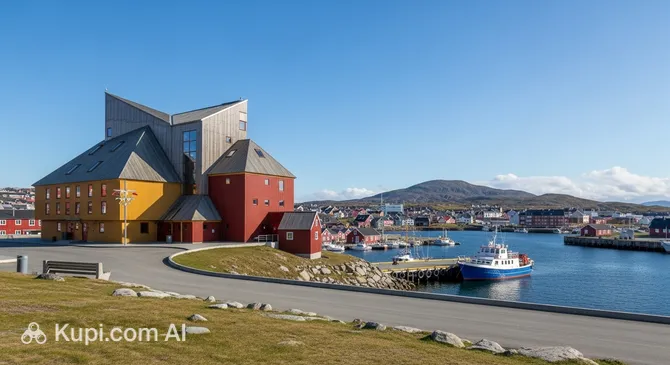
Greenland National Museum and Archives. Illustration.
Source: Kupi.com AI

Traveler photos:

This is a unique place in Greenland where evidence of Paleo-Eskimo cultures, traces of the Vikings, and items from the colonial era are gathered under one roof. Founded in the mid-1960s, the museum occupies a group of historic buildings in the harbor area, creating an atmosphere of an authentic Arctic past.

The centerpiece of the exhibition is the famous Qilakitsoq mummies—incredibly well-preserved bodies of 15th-century hunters and children found in the 1970s. In addition to these, visitors can see authentic kayaks, traditional clothing made from the skins of northern animals, and valuable archival documents revealing the secrets of how Northern peoples survived in harsh climatic conditions.

Contacts

To clarify visit details or obtain information about special events, you can use the museum's official contact information. It is located within easy walking distance for all visitors to the city.

How to contactContact
AddressHans Egedesvej 8, Nuuk 3900, Гренландия
Phone+299 32 26 11
Websitenka.gl

What to Do

A visit to the museum offers a fascinating immersion into the Arctic world. One of the main reasons to visit is to view the unique collection of mummies from the Qilakitsoq settlement, whose state of preservation is astonishing. You can examine their traditional clothing and gear in detail, which provides invaluable insight into Inuit life five centuries ago.

Special attention should be paid to the hall of traditional means of transportation. Here, masterfully crafted kayaks and umiaks (skin boats) are displayed, which for centuries served Greenlanders for hunting and traveling through icy fjords. You can appreciate the skill of ancient craftsmen who created durable vessels from wood and seal skins without the use of modern materials.

Ethnography lovers will find it interesting to explore the rich collection of national costumes and items of decorative and applied art, including tupilaq figures carved from bone and tusks. You can also learn about the history of sled dog breeding, without which the development of these lands would have been impossible. If your visit falls on a Thursday, be sure to take advantage of the free admission to leisurely study archival photographs and paintings by Scandinavian masters.

Getting There

Finding the attraction is easy: it is located at Hans Egedesvej 8, in the heart of the historic Colonial Harbour district. This area is a hub for the capital's main cultural sites, situated in close proximity to Nuuk Cathedral and the residence of the city's founder.

Since Nuuk is a compact city, the best way to get around is on foot. From the central districts of the city, you can reach the museum entrance in just a few minutes. If you are arriving at the cruise port, the walk to the museum takes about 10–15 minutes at a leisurely pace along the picturesque fjord coast.

For those traveling from Nuuk Airport (GOH), located about 5 kilometers away, it is most convenient to take a taxi or a local bus. The public transport trip takes about 20 minutes, during which you can catch glimpses of the modern quarters of the Greenlandic capital and its rugged northern nature.

Nearest city: Nuuk

History & Facts

The history of these lands is rooted in the deep past: the first traces of human settlements in the area of present-day Nuuk date back more than 4,000 years. The museum's collections house unique evidence of ancient Paleo-Eskimo cultures, such as the Saqqaq and Dorset, who managed to adapt to the extreme climate long before the arrival of Europeans.

An important milestone was the arrival of the Vikings in the 9th century, whose presence in the western part of the island continued until the 15th century. Later, in 1721, the Norwegian missionary Hans Egede founded the settlement of Godthåb. The museum carefully preserves artifacts from that era, including household items of the first colonists and documents telling the complex history of interaction between Christian missionaries and the indigenous population.

The Greenland National Museum and Archives itself was officially established in 1965, becoming the first of its kind on the island. The museum's collection expanded significantly in the 1970s and 80s when, following the establishment of Greenlandic Home Rule, valuable ethnographic and archaeological exhibits began to return from Denmark.

One of the most significant events in the museum's history was the acquisition of the Qilakitsoq mummies in 1972. The bodies of women and children who lived in the 15th century were preserved thanks to unique natural conditions—dry cold air and constant shade. Today, they are a central element of the exhibition, attracting researchers and tourists from all over the world every year.

Time Needed

To leisurely explore all the key halls and carefully study the unique exhibits, it usually takes about 1.5 to 2.5 hours. This time is quite sufficient to see the mummy collection, examine the details of traditional costumes, and study the evolution of kayaks.

If you are a history enthusiast or plan to study the archival materials and photographs in detail, your visit may take up to half a day. The museum encourages a thoughtful immersion into Inuit culture, and its compact layout allows you to return to the most interesting details several times during a single visit.

Working Hours

The museum's doors are open to guests daily, typically from 12:00 PM to 4:00 PM. This schedule is in effect throughout the week, including Saturday and Sunday, allowing tourists to easily fit a visit into their city sightseeing plans.

An important feature is that on Thursdays from 1:00 PM to 5:00 PM, admission to the museum is often free. Since the schedule may change depending on the season or public holidays, it is recommended to check the current opening hours on the institution's official website before visiting.

12:00–16:00

Nearby

Exploring the surroundings of the national museum will allow you to delve deeper into the atmosphere of old Nuuk. Most of the interesting monuments and memorials are located within a short walk, allowing you to create a rich itinerary through the historical center.

While walking nearby, you will surely notice majestic statues and cozy memorial areas dedicated to prominent figures of Greenland, from missionaries to famous artists and linguists.

Reached the end of the page?

That means the route is fully explored