Support

Panajachel

About

Panajachel, often affectionately called "Pana," is a charming town nestled on the shores of Lake Atitlán, one of the most picturesque lakes in the world, surrounded by majestic volcanoes. This corner of Guatemala, located about 150 kilometers from the capital, has long been a magnet for travelers seeking breathtaking scenery and the chance to experience ancient Mayan culture.
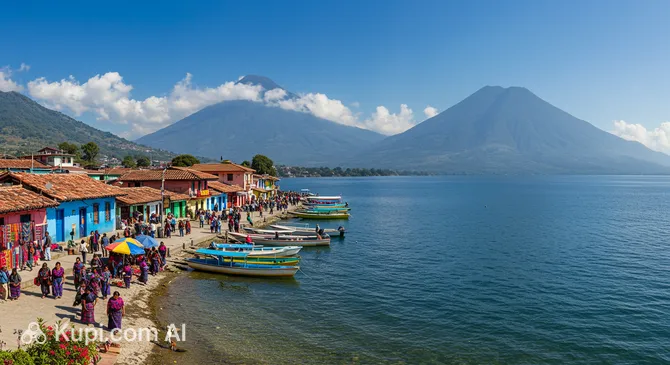
Panajachel. Illustration.
Source: Kupi.com AI

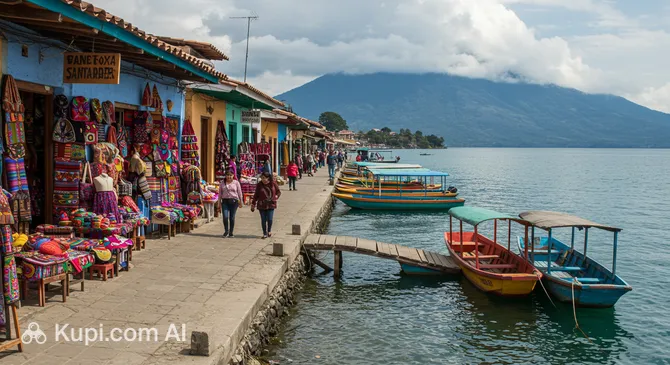
With a population of about 16,000 people, Panajachel maintains a cozy and welcoming atmosphere. Its streets are full of life: you can meet locals in bright traditional outfits, as well as talented artists and artisans offering their unique creations. The town is famous for its relaxed rhythm, where narrow streets give way to colorful markets, and numerous cafes overlooking the lake invite you to enjoy the moment to the sounds of street musicians.

The main jewel is undoubtedly Lake Atitlán itself, where you can take fascinating boat trips to neighboring villages, each preserving its own unique traditions. Panajachel also serves as a gateway to exploring the rich Mayan culture, which is felt everywhere here—from the language to the crafts. Don't miss the opportunity to stroll along the lively waterfront, especially at sunset, when the sun paints the lake's waters and the volcanic slopes in incredible colors, creating a truly magical sight.

Panajachel is an ideal destination for those who dream of harmony with nature, seek inspiration, and want to immerse themselves in the authentic atmosphere of Central America. This town will certainly give you unforgettable impressions, vivid emotions, and a sense of true adventure.

You can find more interesting facts on the history of Panajachel page.
Weather Overview

The weather in Panajachel is characterized by pleasant warmth throughout the year. The average annual temperature fluctuates within a comfortable range, with small variations between seasons. The warmest months are from March to May, when the average maximum temperature reaches 22-23°C. The coolest months are December and January, with an average minimum temperature of around 12°C. Precipitation is unevenly distributed: the dry season lasts from January to February, when only about 1 mm of rain falls, while from May to October, the wet season arrives with rainfall up to 14 mm in June and a large number of rainy days. Thus, expect warm days with a dry period at the beginning of the year and wetter weather with frequent but usually short-lived rains from May to October.

For a more detailed forecast and monthly information, you can check the Panajachel Climate page.

Average monthly temperature

Average monthly precipitation

Interesting Facts

Beyond the picturesque views of Lake Atitlán and the volcanoes, Panajachel—or "Pana" as the locals affectionately call it—is home to many surprising stories and features. This town is not just a popular tourist destination, but a place with a rich past and a vibrant present.

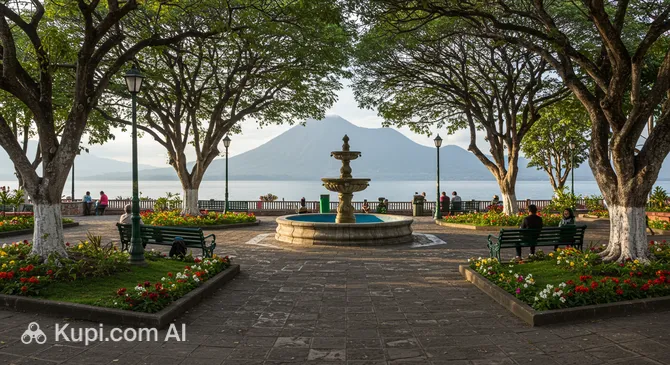
Panajachel Park. Illustration.
Source: Kupi.com AI

Traveller photos:

  • Panajachel is considered one of the oldest settlements on the shores of Lake Atitlán. Its history dates back to pre-Columbian times when the Kaqchikel people lived here. The town's name translates from their language as "the place where mussels grow," indicating the former abundance of these mollusks in the lake.

  • In the mid-20th century, Panajachel unexpectedly became a magnet for artists, writers, and free-thinking travelers from around the world. This bohemian atmosphere of creativity and non-conformism is still felt in the town's numerous art galleries and cozy cafes.

  • The town is famous for its colorful markets, where you can not only purchase unique handmade items—from bright textiles to intricate ceramics created by Mayan masters—but also touch the living traditions of this ancient people. Such markets can often be found in busy parts of town, for example, near Panajachel Park, which is a popular relaxation spot in its own right.

  • Panajachel serves as an ideal starting point for exploring the authentic villages scattered along the shores of Lake Atitlán. Each one is unique in its customs, crafts, and even Mayan dialect. A boat trip to these settlements is one of the most memorable adventures in Guatemala.

How to Get There

Panajachel is one of the main tourist hubs on Lake Atitlán; however, the town does not have its own airport. Travelers will need to take a combined route involving a flight and ground transportation. To plan your logistics in detail, we recommend studying all the ways to get to the city, including transfer options and routes.

The main air gateway for most tourists is La Aurora International Airport (IATA: GUA). It is located in the country's capital, Guatemala City, about 70 km from the destination. This is the country's largest transportation hub, receiving flights from all over the world. The journey from the airport to Panajachel by taxi or tourist shuttle usually takes about 2 hours, depending on traffic on the mountain roads.

An alternative option, located closer geographically, is Quetzaltenango Airport (IATA: AAZ). It is located in the city of Quetzaltenango, approximately 40 km from Panajachel. This is a small regional airport, and there are significantly fewer flights here. The travel time by car from here will be about 1 hour and 20 minutes. Travelers should take into account that the road passes through mountainous terrain, so travel time may vary.

For convenience, here is a summary of the main airports:

AirportPassenger trafficDistance
Quetzaltenango9,02240 km
La Aurora International Airport4.7 m70 km
Tapachula International Airport553,744131 km
Ilopango15,000248 km
El Salvador International Airport4.5 m269 km

Passenger rail service in Guatemala is currently not operational, so it is impossible to reach Panajachel by train. The main way to travel around the country remains the roads. After arriving at one of the airports, tourists most often use tourist shuttles (minibuses) that run between Guatemala City, Antigua, and Panajachel. For lovers of authentic experiences, there are the famous "chicken buses"—brightly painted former American school buses—however, the ride on them may be less comfortable and take more time.

Main Attractions

Panajachel, snugly situated on the shores of the picturesque Lake Atitlán, attracts travelers not only with its incredible landscapes but also with a number of interesting places worth visiting. Here are some of the key attractions of the town:

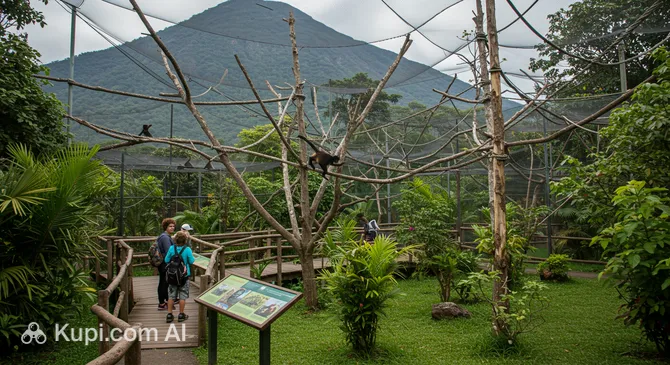
One of the most popular spots is the Atitlán Nature Reserve. It is a true oasis for nature lovers and outdoor enthusiasts. Here you can walk along trails through lush vegetation, cross suspension bridges, visit a butterfly sanctuary, and even encounter monkeys and coatis. The reserve also offers ziplines for thrill-seekers and, of course, magnificent views of the lake and surrounding volcanoes.

Atitlán Nature Reserve. Illustration.
Source: Kupi.com AI

Traveller photos:

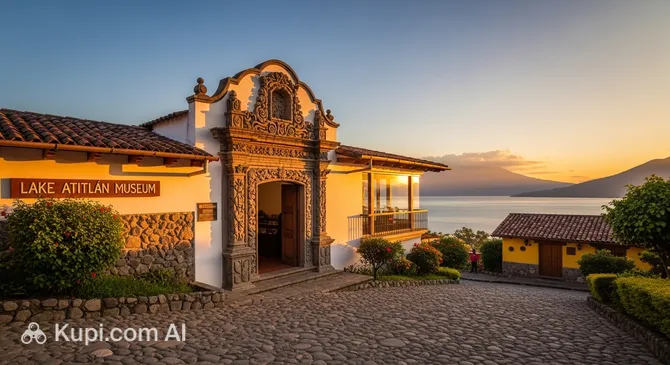
For those who want to dive deeper into the history and culture of the region, a visit to the Atitlán Lacustrine Museum is highly recommended. The museum's exhibition tells the story of the lake's geological origin, its unique ecosystem, and the ancient Mayan settlements that existed on its shores. Of particular interest are the artifacts found at the site of the sunken city of Samabaj, making a visit to the museum both educational and fascinating.

The central point of the town's social life is Panajachel Park. It is a great place for a leisurely stroll, resting on a bench in the shade of trees, or observing the daily life of the locals. You can often find street vendors here offering handmade goods and local delicacies. The park allows you to feel the authentic atmosphere of this hospitable lakeside town.

Local Cuisine

The gastronomy of Panajachel is a true kaleidoscope of flavors, where ancient Mayan culinary traditions are harmoniously intertwined with Spanish heritage and modern gastronomic trends. A journey here would not be complete without tasting local dishes that reflect the rich culture of the region.

Be sure to try pepián—a thick, aromatic stew considered one of Guatemala's national dishes. It is made with meat (usually chicken or beef) with the addition of roasted seeds, vegetables, and a unique set of spices. Another pride of the local cuisine is the fresh fish from Lake Atitlán, which is masterfully grilled or baked with local herbs to reveal its delicate flavor. Don't miss the chance to try tamales—corn dough stuffed with meat or vegetables, wrapped in banana or corn leaves and steamed. This hearty and authentic dish can often be found in both restaurants and from street vendors.

Among drinks, traditional cacao beverages prepared according to ancient Mayan recipes hold a special place—it is not just quenching thirst, but a touch of history. Freshly squeezed exotic fruit juices (licuados) are also popular, and, of course, magnificent Guatemalan coffee grown on the volcanic slopes around the lake. Alcoholic beverages are represented by local beer and rum, and during festivals, you can find homemade liqueurs.

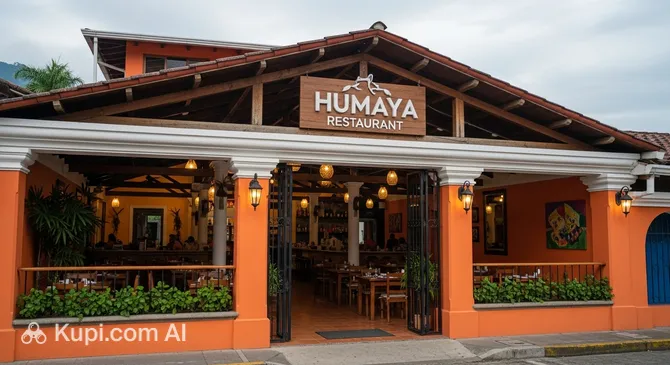
The food culture in Panajachel is diverse. Locals and tourists can enjoy meals in numerous cafes and restaurants offering both traditional Guatemalan dishes and international cuisine. One such place where you can get acquainted with local flavors is Humaya Restaurant. Street food also plays an important role: on the busy streets and markets, you will find stalls with fried plantains (plátanos fritos), yuca, grilled corn (elotes), and fresh fruit. The markets of Panajachel are a treat in themselves; here you can not only taste but also buy fresh produce, local cheese, honey, and aromatic spices.

Humaya Restaurant. Illustration.
Source: Kupi.com AI

Traveller photos:

The gastronomic scene of Panajachel attracts tourists with its authenticity and diversity. The combination of fresh local ingredients, centuries-old recipes, and hospitality makes every meal here a small discovery. This is a true paradise for foodies who want to immerse themselves in the authentic flavors of Guatemala.

Travel Tips

Welcome to Panajachel, the jewel of Lake Atitlán! To make your journey through this amazing corner of Guatemala as comfortable and memorable as possible, we have prepared some practical tips.

  1. Clothing and belongings: Layering is your friend! In Panajachel, it is usually warm during the day, while evenings can be cool. Take light clothes for the day and a warm sweater or jacket for the evening. Don't forget a raincoat or a light waterproof jacket, especially if traveling during the rainy season (May to October). Extremely important is comfortable footwear for walking on cobbled streets and possible nature outings. Sunscreen, a hat, and sunglasses are mandatory due to the high-altitude sun. Electrical outlets here are type A and B (American standard), voltage is 120V, so you might need an adapter. When visiting churches or Mayan communities, dress modestly, covering shoulders and knees.
  2. Transport: Panajachel itself is a small town, and its center is easy to get around on foot. The main form of local transport is the colorful three-wheeled taxis—tuk-tuks. Always agree on the trip cost in advance. For traveling between the villages located on the shores of Lake Atitlán, public boats—"lanchas"—are used, which depart regularly from the pier. For longer trips, such as to Antigua or Guatemala City, it is most convenient to use tourist shuttles.
  3. Finance: The national currency is the Guatemalan quetzal (GTQ). US dollars can be exchanged at banks or authorized exchange offices (casas de cambio) in Panajachel. Credit and debit cards (Visa, Mastercard) are accepted in most hotels, restaurants, and large shops, but for purchases at markets, paying for tuk-tuks, and in small establishments, it is always better to have cash. ATMs (cajeros automáticos) are available in the town. An approximate daily budget can vary greatly depending on your travel style: from $25-35 USD for budget travelers (staying in a hostel, eating in local cafes, using public transport) to $70-100 USD and up for a more comfortable stay with mid-range hotels, dining in restaurants, and taking part in excursions. Plan your expenses in advance, considering the cost of accommodation, food, transport, and entertainment. Tipping in restaurants is usually 10% of the bill and is often already included; if not, it is customary to leave it.
  4. Health and Safety: There are pharmacies (farmacias) in Panajachel where you can buy basic medications. For serious medical cases, it is recommended to have travel insurance that covers evacuation. Drink only bottled water. The town is considered relatively safe for tourists, especially in the central part and on the waterfront. However, as everywhere, follow basic precautions: keep an eye on your belongings, do not leave valuables unattended, and avoid walking in poorly lit and deserted places after dark.
  5. Communication: The official language is Spanish. Many locals, especially indigenous people, speak Mayan languages. In the tourism sector (hotels, restaurants, travel agencies), staff often speak English, but knowing a few basic phrases in Spanish (e.g., "Hola" – hello, "Gracias" – thank you, "¿Cuánto cuesta?" – how much is it?, "Adiós" – goodbye) will be very useful and warmly received by locals. Wi-Fi is available in most hotels and many cafes. A local SIM card for mobile internet can be purchased at the offices of operators Tigo or Claro. For navigation and route planning, offline maps like Maps.me or Google Maps (with pre-downloaded maps) are useful. Translation apps, such as Google Translate, will help with communication. To book tourist shuttles or boats, you can check with local travel agencies or your hotel; sometimes they use WhatsApp for coordination or recommend local services.
  6. Local Etiquette: Guatemalans are generally very friendly and hospitable. A simple greeting like "Buenos días" (good morning), "Buenas tardes" (good afternoon/evening), or "Hola" (hello) will be appropriate. Always ask permission before taking photos of people, especially members of indigenous Mayan communities; some may ask for a small fee or simply refuse. It is customary to bargain in markets, but do so politely and with a smile.
  7. What to avoid: Try not to show disrespect for local customs and traditions, especially the Mayan culture. Do not drink tap water or water from questionable sources. Be careful about displaying expensive jewelry or large amounts of money to avoid attracting unnecessary attention.
  8. Additional tip: Be sure to set aside time to explore the famous Calle Santander—the main artery of Panajachel, where shops with souvenirs, textiles, and handmade goods are concentrated, along with numerous cafes and restaurants. And of course, do not miss the opportunity to watch the sunrise or sunset over Lake Atitlán—it is a truly magical sight that will stay in your memory for a long time.

We hope these tips help you better prepare for your trip and enjoy every moment in hospitable Panajachel. Have a pleasant journey and vivid impressions from meeting the Mayan culture and the incredible nature of Lake Atitlán!

Entertainment & Nightlife

Panajachel, comfortably located on the shores of Lake Atitlán, offers its guests not only peaceful landscapes by day but also a fairly lively atmosphere after dark. While it is not a metropolis with buzzing nightclubs, you will find many pleasant places to spend the evening, especially along the main street, Calle Santander, and on the waterfront.

Nightlife in Panajachel is mainly concentrated around bars, cafes, and restaurants, many of which offer live music—ranging from traditional Guatemalan melodies to modern cover versions. The atmosphere is generally very relaxed and friendly, attracting both backpackers and locals alike. The dress code in most establishments is casual; comfort is key. Most bars come to life in the late evening and stay open until midnight or slightly later, especially on weekends.

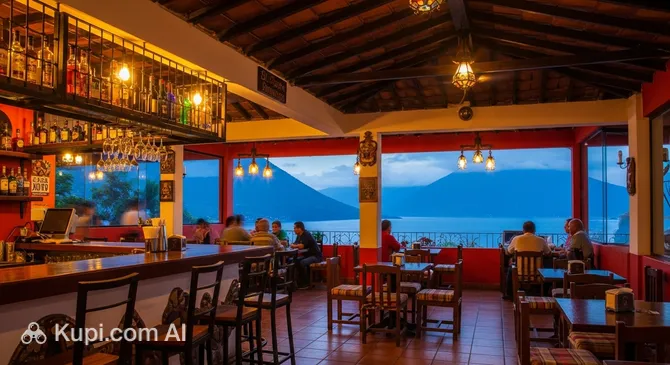
One of the popular spots for evening relaxation is El Bistro Panajachel. This bar is known for its cozy setting, good selection of drinks, and frequent live music, creating a pleasant mood for socializing and relaxing after a busy day.

El Bistro Panajachel. Illustration.
Source: Kupi.com AI

Traveller photos:

If you are looking for a place for dinner with the opportunity to spend a pleasant evening, pay attention to Humaya Restaurant. Here you can enjoy both local and international cuisine in a pleasant atmosphere that is perfect for a quiet evening or a romantic dinner.

Humaya Restaurant. Illustration.
Source: Kupi.com AI

Traveller photos:

The best time to experience the nightlife of Panajachel is on Friday and Saturday evenings, when the town is at its most vibrant. Prices in bars and restaurants are generally moderate, especially compared to major tourist centers. As for the dress code, it is very democratic—casual, comfortable clothing will be appropriate almost everywhere.

Getting around Panajachel at night is quite simple. The town is small, and many places are within walking distance, especially if you are staying in the center. For longer trips or if you prefer not to walk, you can always use the services of tuk-tuks—a popular and inexpensive mode of transport. The main streets, such as Calle Santander, are well-lit and considered safe for walking, but it is always worth taking usual precautions, especially in less crowded areas.

During the day, Panajachel also offers interesting leisure options. You can visit the Atitlán Lacustrine Museum to learn more about the history and culture of the region, or head to the Atitlán Nature Reserve, where you can enjoy the beauty of local flora and fauna. Although there are no major theaters or amusement parks in town, its charm lies in its natural beauty and authentic atmosphere.

Parks & Museums

Panajachel, comfortably nestled on the shores of the picturesque Lake Atitlán, offers its guests not only stunning natural views but also the opportunity to touch the rich culture of the region through its parks and museums. This small town is a real find for those looking for a harmony of nature and an educational vacation.

The main natural attraction is certainly Lake Atitlán itself, but there are also wonderful green areas in Panajachel and its surroundings. The Atitlán Nature Reserve is a great place for nature lovers. Here you can walk across suspension bridges among tropical vegetation, see exotic butterflies, monkeys, and other jungle inhabitants, as well as enjoy breathtaking views of the lake and volcanoes. This place offers a unique experience of immersion in the region's ecosystem.

Atitlán Nature Reserve. Illustration.
Source: Kupi.com AI

Traveller photos:

For a more relaxed break within the town, Panajachel Park is a perfect choice. This is a central place for meetings and walks, where you can relax in the shade of trees, watch the daily life of locals, and buy souvenirs from street vendors. Local events and fairs are often held here, adding color to your visit.

Panajachel Park. Illustration.
Source: Kupi.com AI

Traveller photos:

To better understand the history and culture of the Lake Atitlán region, it is worth visiting the Atitlán Lacustrine Museum (Museo Lacustre Atitlán). This museum is dedicated to the geology, archaeology, and ecology of the lake. The exhibition includes artifacts found at the bottom of the lake, including ceramics and everyday items of the ancient Maya, as well as information about the lake's formation and its unique biosphere. Visiting the museum will help you better understand the lake's significance for local cultures, including the legend of the sunken city of Samabaj.

Lake Atitlán Museum. Illustration.
Source: Kupi.com AI

Traveller photos:

Although there are not many large museums in Panajachel, the cultural heritage is felt everywhere. Pay attention to the Church of Saint Francis of Assisi (Iglesia de San Francisco de Asís), built in colonial style. Its facade and interior reflect the fusion of Catholic traditions and local beliefs. It is also worth visiting the numerous galleries and workshops of local artists on Santander Street and the adjacent lanes, where traditional textiles, ceramics, and paintings reflecting the vibrant Mayan culture are presented.

For an authentic experience, stroll through the less touristy streets off the main Santander Street. Here you can find small family cafes offering traditional dishes and observe the slow pace of life of the locals. Also interesting is a visit to the local market (mercado) near the central park, where they sell fresh produce, flowers, and handmade goods—it is a wonderful opportunity to feel the true flavor of Panajachel and practice your Spanish.

Getting Around

Getting around Panajachel is quite simple, given its compact size. The urban transport system does not include a subway or trams, but it offers several convenient and authentic ways to explore the surroundings.

The main form of transport within Panajachel itself and for short trips are tuk-tuks (moto-rickshaws). These three-wheeled taxis buzz everywhere and are ready to take you to any point in the town. Payment is made in cash directly to the driver. The cost of a trip is usually low, typically within the equivalent of a few US dollars for short movements around town, but it is recommended to agree on the price before starting the ride, especially if you are a tourist. Tuk-tuks are a great way to quickly get to your hotel, the market, or the pier.

For trips to neighboring villages or more remote areas, so-called "chicken buses" (camionetas) are used—colorful old school buses from the USA, often brightly painted. This is the most budget-friendly way to travel between settlements. Buses depart from specific stands or simply stop with a wave of a hand on main roads. Payment is also in cash to the conductor or driver.

Since Panajachel is located on the shores of Lake Atitlán, public boats (lanchas) play an important role in the transport system. they run regularly between Panajachel and other villages around the lake, such as San Pedro La Laguna, San Juan La Laguna, or Santiago Atitlán. Boats depart from the main pier (embarcadero). The schedule can be flexible, and payment is made in cash before boarding or on board.

Alternatively, it is very pleasant to move around the town on foot, as most interesting places are within walking distance. Sometimes you can find bicycle rental offers, which can also be a good option for a leisurely exploration. Taxis in the classic sense are less common than tuk-tuks.

Practical tips for tourists: It is important to know that in Panajachel there are no formal travel tickets, transport cards, or mobile applications for paying fares. The main and practically only way to pay is cash for all types of local transport. Always have small bills with you for the fare, as there may be problems with change for large ones. For tuk-tuks, don't hesitate to clarify the cost of the trip in advance. Public transport, including boats and buses, usually operates most actively during daylight hours, from early morning until evening. Plan your long-distance trips accordingly.

Accommodation

In Panajachel, you will find a variety of accommodation options that can satisfy the needs of both budget travelers and those looking for enhanced comfort. The town offers a wide range of housing: from affordable hostels and cozy guest houses (posadas) to mid-range hotels and more sophisticated options, some of which boast beautiful views of Lake Atitlán.

Panajachel. Illustration.
Source: Kupi.com AI

Traveller photos:

Many tourists prefer to stay in the area of the main street, Calle Santander, where most of the shops, restaurants, and travel agencies are concentrated. Accommodation options along the Lake Atitlán waterfront are also popular, offering breathtaking scenery and easy access to the docks where boats depart for other settlements around the lake. The choice of area depends on your preferences—proximity to the lively center or seclusion with a view of nature.

While the provided list of attractions does not include specific hotels or resorts, Panajachel has many hotels, ranging from small family-run pensions to larger hotels with various amenities. We recommend checking reviews and available options on specialized travel portals to find accommodation that meets your expectations and budget.

As for prices, in Panajachel you can find very budget-friendly dorm beds in hostels, as well as rooms in mid-price hotels and more expensive offers with improved conditions. For booking, you can use popular international online platforms or, in some cases, contact the hotel directly. It is especially important to book accommodation in advance if your trip falls during the peak tourist season (usually from November to April) or during major local holidays such as Semana Santa (Holy Week).

Nearby Cities

For those who want to explore the surroundings, Panajachel serves as an excellent starting point for day trips to several interesting nearby locations.

Among them, several stand out: Sololá, the administrative center of the department located just a few kilometers away, which attracts visitors with its authentic market and panoramic views of Lake Atitlán. Chichicastenango, located a bit further, is world-famous for its colorful and lively highland market, one of the largest centers of trade and culture for the indigenous Mayan people. A trip to Tecpán Guatemala allows you to visit the ruins of Iximché, the first capital of the Kaqchikel kingdom.

CityPopulationDistance
Solola99,9344 km
San Antonio Palopo15,7527 km
San Lucas Toliman31,80512 km
Santa Lucia Utatlan23,25512 km
Santiago Atitlán45,98214 km

These nearby destinations provide a glimpse into the diverse culture and landscapes of the Guatemalan region.

Shopping & Souvenirs

Panajachel, a charming town on the shores of Lake Atitlán in Guatemala, offers tourists unique shopping opportunities, especially if you are looking for authentic handmade goods and colorful souvenirs. The town is famous for its textiles, ceramics, and wood carvings reflecting the culture of the indigenous Mayan people.

The main shopping artery of Panajachel is Calle Santander. Many shops, stalls, and street vendors are concentrated here, offering a wide range of goods. Walking along this busy street, you will find everything from bright fabrics and clothing to jadeite and silver jewelry, as well as paintings by local artists.

There are no large modern shopping centers in the conventional sense in Panajachel. Shopping here is more traditional and authentic, focused on small shops and markets.

Markets are the heart of shopping in Panajachel. While the town doesn't have one giant central market, you'll find plenty of market stalls and individual vendors along Calle Santander and its side streets. Here you can buy fresh fruits, vegetables, spices, and a variety of crafts. The improvised markets where locals sell their goods directly from the ground are particularly colorful. Bargaining is appropriate, especially at markets.

From Panajachel, it is worth bringing back traditional Guatemalan souvenirs. Particularly popular are:

  • Textiles: bright huipils (traditional blouses), scarves, tablecloths, and bags with traditional patterns.
  • Jadeite items: jewelry and figurines. Guatemala is famous for its jadeite.
  • Wooden masks and figurines: often depicting animals or characters from Mayan mythology.
  • Ceramics: painted plates, cups, and vases.
  • Coffee: Guatemala produces excellent coffee, and in Panajachel, you can buy freshly roasted beans.

Shops in Panajachel are usually open from morning (roughly 9:00-10:00) until evening (18:00-20:00), but hours can vary, especially for small shops. Markets often start earlier. The main currency is the Guatemalan quetzal (GTQ). Tourist shops and some restaurants may accept US dollars, but the exchange rate might not be favorable. Credit cards are accepted in larger stores and hotels, but it's better to have cash with you in markets and small shops.

The Tax-Free system for tourists on most goods purchased in Panajachel is generally not widespread.

Reached the bottom of the page?

Looks like you know this route inside out