Support

Puerto San Jose

Attractions

About

Puerto San José is a scenic gem of the Pacific coast, located in the department of Escuintla, about 90 kilometers south of the capital. This cozy city, which Guatemala is rightfully proud of, attracts travelers with its wide beaches featuring unique black volcanic sand and the powerful energy of the ocean. Thanks to its strategic location, it serves as a major hub for those seeking a combination of relaxed beach holidays and local flavor.

For a long time, the city served as one of the country's main ports, which left an imprint on its development and character. The rich history of Puerto San José has transformed it from a purely commercial hub into a popular tourist resort. Today, about 24,000 people live here, and despite the development of tourism, the city maintains an atmosphere of leisure and friendliness. Its culture harmoniously intertwines ancient Mayan traditions and Spanish heritage, creating a unique look for the streets and the daily life of local residents.
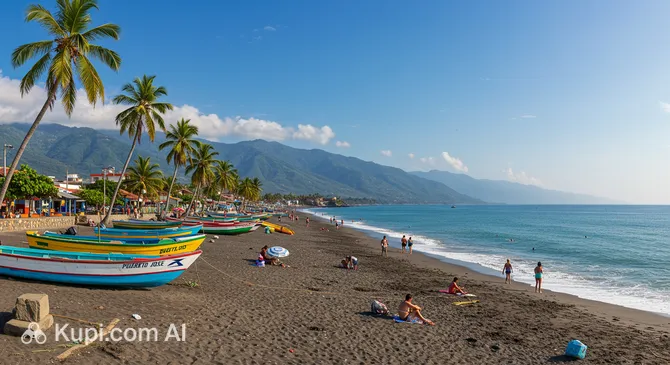
Puerto San Jose. Illustration.
Source: Kupi.com AI

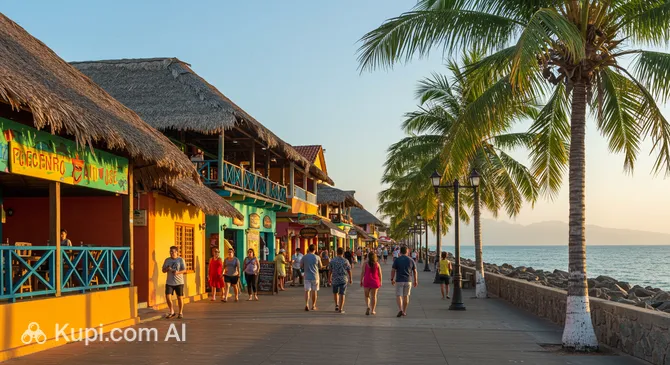
The atmosphere in Puerto San José is filled with carefreeness and sincere hospitality. There is none of the hustle and bustle of megacities here, but there is everything for a memorable trip: cozy family hotels, restaurants with the freshest seafood, and a warm climate. The city is especially popular among surfers conquering the waves of the Pacific Ocean and those who dream of seeing breathtaking sunsets that paint the sky in incredible colors.

Puerto San José is worth visiting to feel the true rhythm of coastal life and take a break from the city's busy pace. It is an ideal place for romantic walks along the beach, fun times with friends, or a quiet family vacation. Come here to enjoy nature, try the local cuisine, and discover the authentic and welcoming side of Guatemala.
Weather Overview

The climate in Puerto San José is typical for a tropical coast: eternal summer reigns here with high temperatures and humidity. Throughout the year, thermometer readings remain remarkably stable, creating excellent conditions for a beach holiday. The average air temperature varies within a narrow range from 26.2°C in January to 28.1°C in April, which is the hottest month. During the day, the air usually warms up to 29–31°C, and nights remain warm with temperatures around 23–25°C.

When planning a trip, the key factor is the seasonality of precipitation. The period from December to March can be called ideal for lovers of cloudless skies: during this time, rain is a rarity, and the number of wet days varies from 0 to 4 per month. Starting from May and through October, the rainy season lasts. In these months, the number of days with precipitation increases significantly, peaking in June and September (up to 28 days), so an umbrella and a raincoat will become necessary companions.

Expect consistently hot weather all year round with frequent precipitation in the summer-autumn period and dry, clear days in winter and early spring. To choose the optimal dates for your trip, we recommend checking the detailed weather in Puerto San José in advance and preparing for the specifics of the local climate.

Average monthly temperature

Average monthly precipitation

Interesting Facts

Beyond the main attractions and beach holidays, Puerto San José holds many fascinating secrets and historical features that reveal themselves only to the most curious travelers.

  • The Capital of Sport Fishing. The waters off the city's coast are considered some of the richest in Central America for trophy fish. Puerto San José is unofficially called the "sailfish capital": record catches of Pacific sailfish and marlin are regularly recorded here, attracting professional anglers from all over the world.

  • Pirate Legends. Local folklore preserves stories of times when sea raiders hid in the surrounding bays. Old-timers still pass down legends of treasures buried in the coastal sands and mysterious ships that can sometimes be seen disappearing into the thick fog over the ocean.

  • A Radical Image Change. In the 19th and 20th centuries, the city was known exclusively as a rugged industrial hub and the country's main port. However, over time, cargo functions were transferred to the neighboring Puerto Quetzal, and Puerto San José completely reoriented itself toward tourism. Today, the symbols of the city are not port cranes, but family vacation spots like Aqua Magic.

Aqua Magic. Illustration.
Source: Kupi.com AI

Traveler photos:

How to Get There

When planning a trip to the Pacific coast, it is important to think through the logistics in advance, as there are no direct flights specifically to the resort. However, thanks to a developed road network, getting here from the region's main transport hubs is easy. You can study all the ways to get to the city in more detail on our dedicated page, and below we will look at the main air gateways welcoming tourists.

There is no airport in the city of Puerto San José itself, but you can fly into La Aurora International Airport (IATA: GUA) in Guatemala City, which is about 79.5 km from Puerto San José. This is the country's main air gateway with a large passenger flow, receiving flights from all over the world. The journey from the airport to the coast by taxi or private transfer usually takes about 2–2.5 hours, depending on the traffic on the CA-9 highway.

An alternative option could be El Salvador International Airport (IATA: SAL) in San Salvador, located about 198 km from the resort. This is a major hub that may be convenient for certain connections; however, the transfer from there will take significantly longer—about 4–5 hours by car, including border crossing.

For convenience, here is a summary of the main airports:

AirportPassenger trafficDistance
La Aurora International Airport4.7 mln80 km
Quetzaltenango9 022128 km
Ilopango15 000185 km
Tapachula International Airport553 744193 km
El Salvador International Airport4.5 mln198 km

Passenger rail service in Guatemala is currently non-functional, so trains are not an option for traveling to Puerto San José. Roads remain the primary method of transport in the country. After arriving at the airport, tourists most often use tourist shuttles, rental cars, or colorful local buses ("chicken buses") to reach the beaches.

Main Attractions

Puerto San José is not only the gateway to the Pacific coast of Guatemala but also a place where you can find entertainment for every taste. While the main draw for tourists remains the dark volcanic sand beaches and sport fishing opportunities, there are several attractions in and around the city that will make your stay more diverse.

For a family holiday and those seeking escape from the hot sun, the Aqua Magic water park is an excellent choice. This is a popular spot with water slides, pools, and relaxation areas where you can have fun all day long. The park offers entertainment for both children and adults, creating an atmosphere of celebration and carefreeness.

Aqua Magic. Illustration.
Source: Kupi.com AI

Traveler photos:

To get acquainted with the gastronomic side of the city, it's worth stopping by Restaurante Pez Vela. Its name, which translates to "sailfish," speaks for itself. The establishment is famous for dishes made from the freshest seafood, delivered straight from the morning catch. This is a wonderful opportunity to try authentic coastal cuisine in a cozy setting while enjoying ocean views.

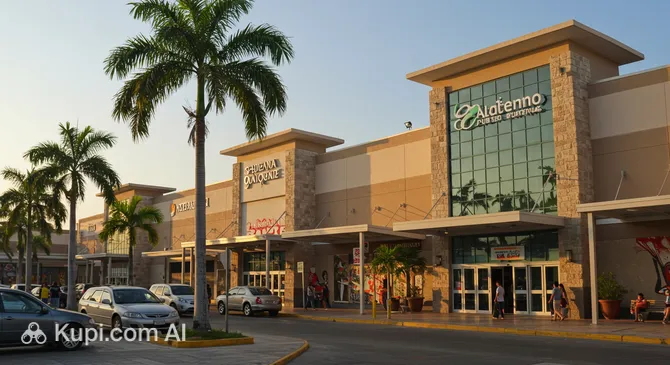
If you need to do some shopping or just stroll through a modern shopping complex, Plaza Manantial is at your service. This shopping center offers visitors various stores, a food court, and entertainment zones. It is a convenient place to buy souvenirs, essentials, or just relax in an air-conditioned space in the heat of the day.

Local Cuisine

The gastronomic scene in Puerto San José is a true paradise for seafood lovers. Thanks to its location on the Pacific coast, the journey of seafood from fishing boats to your plate takes just a few hours. The base of the local menu consists of shrimp, squid, oysters, and various fish prepared with vibrant spices and fresh tropical ingredients.

The main hit that every tourist must try is ceviche. In the local version, it is fresh fish or a seafood mix marinated in lime juice, generously seasoned with onions, tomatoes, and fragrant cilantro. Another iconic dish is tapado—a thick and rich seafood soup with coconut milk and plantains, boasting a unique sweet and spicy flavor. Classics lovers will enjoy pescado frito—whole fried fish traditionally served with rice, corn tortillas, and hot sauce.

Street food in the city also deserves attention. On a walk, it's easy to find stalls selling tamales (corn dough with filling wrapped in leaves) and elotes (grilled corn on a stick topped with cheese and spices). For those who want to experience local flavors in a more comfortable setting or are looking for a variety of cafes in one place, it's worth checking out the Plaza Manantial complex. Here you can find both traditional snacks and familiar fast food.

Manantial Plaza. Illustration.
Source: Kupi.com AI

Traveler photos:

As for drinks, fresh tropical fruit juices and cold coconut water sold directly in the nuts are especially popular in the hot climate. Among alcoholic drinks, the queen of the coast is the michelada—a refreshing cocktail based on light beer with lime juice, salt, and various sauces. If you are lucky enough to be in town during peak season, you might catch gastronomic festivals where local chefs compete in the art of preparing the best dishes from the ocean's catch.

Travel Tips

A trip to the Pacific coast requires a bit of preparation to ensure your holiday goes smoothly and leaves only pleasant memories. We have gathered a list of useful recommendations to help you easily navigate Puerto San José and enjoy the local flavor without extra worries.

  1. Beach Gear Specifics. Given the tropical climate, choose clothing made from light natural fabrics. Most importantly—shoes: the sand on the beaches is volcanic and black, so it heats up to very high temperatures under the sun. Be sure to bring beach footwear (flip-flops or water shoes) to avoid burning your feet on the way to the water.

  2. Transport Nuances. The main way to get around town is by tuk-tuks (motorized rickshaws). Taxi apps here are unstable or non-existent. The golden rule: always agree on the fare in advance before getting into the vehicle, as there are no meters and prices may be inflated for tourists.

  3. Cash is King. Although large hotels and supermarkets accept cards, all the city's life (markets, tuk-tuks, street food) is built on cash. Always have small bills of the local currency (quetzales) on you. ATMs are best sought in guarded areas, for example, in the Plaza Manantial shopping center.

  4. Ocean and Safety. The Pacific Ocean in this region has a powerful character. Be careful with rip currents and high waves; do not swim far out if you are not confident in your strength. Also, drink only bottled water and use repellents in the evenings to protect against insects.

  5. Language Barrier. English is not understood everywhere in Puerto San José. We recommend downloading an offline translator or learning basic Spanish phrases ("How much does it cost?", "Where is...?"). This will not only facilitate communication but also endear you to the locals.

  6. Local Etiquette. Guatemalans are polite and friendly people. It is customary to greet staff in shops and even strangers on quiet streets ("Buenos días" or "Buenas tardes"). Show patience: the pace of life on the coast is very leisurely, and service may be slower than you are used to.

  7. What to Avoid. Do not walk alone on unlit streets and in remote areas after dark. Also, do not leave your belongings unattended on the beach while swimming—it's better to relax in a group so someone always remains on shore.

  8. Gastronomic Tip. Don't be afraid to try seafood in simple-looking beachfront cafes ("comedores"). Often it's there, rather than in expensive restaurants, that the tastiest and freshest ceviche is prepared, as owners buy fish directly from fishermen every morning.

Following these simple rules will make your stay in Puerto San José comfortable and safe. Tune into the relaxed vibe, respect local traditions, and this hospitable city will give you unforgettable impressions of meeting the ocean.

Entertainment & Nightlife

Nightlife in Puerto San José is characterized by a vibrant Latin American temperament and a lack of pretension. As the sun sets and the daytime heat subsides, the city fills with music and lights. Most of the fun is concentrated along the shoreline and on the main avenues, where numerous open-air bars, discos, and restaurants open. Not only tourists but also residents of the capital who come to the coast for the weekend love to relax here, so the atmosphere is always lively and authentic.

Establishments by the beach become the center of attraction in the evening. The style of relaxation here is casual: plastic chairs on the sand, loud music (ranging from reggaeton and salsa to modern pop), and ice-cold drinks. There is no dress code in most places—shorts and sandals are perfectly appropriate. A popular drink is the michelada—beer with lime juice, sauces, and spices, which they prepare especially well here.

If you are looking for a quieter place to start the evening or have dinner in a comfortable setting, it is worth visiting Plaza Manantial. This shopping and entertainment complex offers a good selection of cafes and restaurants where you can spend time before heading out to dance. It is an excellent location for families or groups who prefer a more "civilized" holiday away from the noisy beach bustle.

During the day, the city offers just as many activities. The main place for family fun and escape from the tropical heat is Aqua Magic. This water park with various slides and pools is an ideal alternative to the ocean, especially if the sea has strong waves. You can spend the whole day here enjoying water attractions in a safe environment.

Practical Tips and Safety:

  • Transport: At night, it is highly recommended to use tuk-tuks or taxis to move between venues or return to your hotel. Do not walk alone through dark alleys or remote areas.
  • Safety: Puerto San José is a port city, so vigilance is necessary. Keep valuables with you, do not leave drinks unattended, and try to stay in crowded, well-lit places.
  • Prices: The cost of leisure is quite affordable. Entry to most beach bars is free; you only pay for drinks and food.

Parks & Museums

The cultural and natural landscape of Puerto San José differs from classic tourist centers. You won't find huge museum complexes or refined botanical gardens here. Instead, the city offers an acquaintance with living history under the open sky and unique natural zones where tropical greenery meets the power of the Pacific Ocean.

The main natural treasure of the region is the Chiquimulilla Canal (Canal de Chiquimulilla). This artificial waterway has over time turned into an important ecosystem. A boat trip along the canal allows you to see dense mangroves that serve as home to many species of water birds, iguanas, and other representatives of local fauna. It is an ideal place for ecotourism lovers and those who want to enjoy the silence away from noisy beaches.

Speaking of recreation areas, one cannot fail to mention the famous black volcanic sand beaches, which are a natural attraction in themselves. However, for those who prefer more organized leisure and water activities in a controlled environment, the Aqua Magic park will be a real oasis. This is a large-scale complex with pools and slides that serves as the city's main amusement park, offering an escape from the heat surrounded by tropical design.

Aqua Magic. Illustration.
Source: Kupi.com AI

Traveler photos:

In terms of cultural heritage, the Old Pier (Muelle de San José) stands as the city's dominant feature. Although it is not a museum in the traditional sense, the pier is a major historical monument. Built in 1868, it served for a long time as the country's main sea gateway. Today, its structure extending into the ocean is an impressive sight and serves as a reminder of the city's industrial past. A walk near it allows you to feel the scale of 19th-century engineering.

There are no specialized museums or art galleries directly within the city limits, as Puerto San José developed primarily as a port and resort. However, history buffs should consider the city as a starting point for visiting nearby Santa Lucía Cotzumalguapa, which is home to Mayan culture museums. In the port itself, culture manifests in the architecture of old colonial-style wooden buildings found in the center and in the atmosphere of the local market.

Insider Tip: For the most vivid nature impressions, arrange with a local boatman for a sunset trip through the mangroves of the Chiquimulilla Canal. At this time, the heat subsides and the birds return to their nests, creating an incredible noise and movement that is impossible to see from the shore.

Getting Around

The public transport system in Puerto San José is organized as simply and clearly as possible, perfectly matching the relaxed pace of this coastal city. You won't find a metro, trams, or trolleybuses here. The city is quite compact, so many tourist locations, hotels, and beaches are within walking distance of each other, especially in the central part and along the coast.

The most popular and colorful means of transport are tuk-tuks (moto-taxis). These nimble three-wheeled vehicles literally flood the streets and serve as the main way for locals and tourists to get from point A to point B. Tuk-tuks are ideal for short trips around town, trips to the market, or to remote parts of the beach. You can stop them with a simple wave of your hand anywhere—they circulate constantly.

For longer trips or moving between districts, the famous "chicken buses"—repurposed American school buses painted in bright colors—are used. Although they are more often used for intercity travel (for example, to get to Escuintla), they also pass through the city along the main streets. This is the most budget-friendly but not always comfortable option due to overcrowding and loud music.

The payment system here is exclusively cash. There are no transport cards, travel tickets, or mobile apps for payment in the city. Payment is made directly to the driver upon boarding or exiting. The currency is the Guatemalan quetzal. We strongly recommend always having small bills and coins on you, as tuk-tuk drivers often do not have change for large banknotes.

Classic taxis are also available in the city, but they are significantly fewer than tuk-tuks. They can usually be found at ranks near the central park or called through a hotel reception. Taxi apps (like Uber) in Puerto San José work inconsistently or are not available at all, so do not rely on them. If you prefer freedom of movement, car rental is possible, but it is not a necessity for moving within the city itself.

The main tip for tourists: always agree on the price of the trip in advance before getting into a tuk-tuk or taxi. There are no meters here, and while fares are somewhat fixed, they may be initially inflated for foreigners. Bargaining is appropriate and even expected. Transport runs actively from early morning until dark; however, after 9:00 PM, it becomes harder to catch a tuk-tuk, and prices may increase.

Accommodation

The choice of accommodation in Puerto San José is quite diverse, though you are unlikely to find world-class five-star global chains here. The hotel stock mainly consists of cozy mid-range hotels, small family-run guesthouses ("posadas"), and so-called "turiscentros"—resort complexes with bungalows and pools. The latter are especially popular because the ocean can be rough, and having a pool on-site is a huge plus for a comfortable holiday.

In terms of location, accommodation options on the first coastline are most attractive to tourists. Staying here allows you to fall asleep to the sound of the surf and have direct access to the volcanic sand beaches. For those seeking privacy and a higher level of comfort, it is worth looking at the nearby neighborhood of Chulamar. This area is famous for its private villas and vacation homes, which are often rented out to large groups or families.

When planning a trip to Guatemala and specifically to this coast, it is important to consider seasonality. Puerto San José is a favorite vacation spot for Guatemalans themselves, so demand for accommodation skyrockets on weekends and especially during national holidays (for example, during Easter week—Semana Santa). During these periods, it is highly recommended to book rooms several weeks or even months in advance to avoid being left without a roof over your head.

The price range in the city can be described as affordable. It is easy to find budget options for an overnight stay, but there are also mid-range offers with air conditioning and on-site restaurants. As for booking, large properties are represented on international online platforms; however, many small local hotels prefer to work directly. Often the best way to book a room in a small guesthouse is to find their contacts on social media and message them through messengers.

Nearby Cities

For those who want to explore the surrounding area, Puerto San José serves as an excellent starting point for day trips to several interesting nearby locations:

Escuintla is the administrative center of the department, offering travelers an immersion into the active urban life of the region. It is an important transport and commercial hub where you can find colorful markets and try a variety of local dishes.

Santa Lucía Cotzumalguapa will be especially interesting for history and archaeology enthusiasts. This city is known as a center of ancient culture, and in its vicinity, as well as on the territories of local "fincas" (farms), one can find unique stone stelae and monumental sculptures from the pre-Columbian era.

Palín, located at the foot of the Agua Volcano, is famous for its giant ceiba tree in the main square, which is hundreds of years old. The city preserves the traditions of the Poqomam people, which is reflected in vibrant local textiles and cultural festivals.

CityPopulationDistance
Iztapa61 44812 km
La Gomera58 27231 km
Masagua48 55231 km
Sipacate18 21236 km
La Democracia61 48636 km

These nearby destinations provide an insight into the region's diverse culture and landscapes, harmoniously complementing a beach holiday with new discoveries.

Shopping & Souvenirs

General Overview. Shopping in Puerto San José has a relaxed, resort character. You won't find high-fashion boutiques or huge outlets here, but the city offers everything necessary for a comfortable holiday on the coast. The assortment of shops is primarily oriented toward beach leisure, everyday needs of local residents, and gastronomic pleasures. It is a place where the shopping process allows you to immerse yourself in the leisurely rhythm of life in a port city.

Main Shopping Streets. The commercial life of the city is concentrated along the central avenues leading to the coast and in the area of the city park. Walking along these streets, tourists will encounter many small shops offering beachwear, colorful pareos, swimwear, sunglasses, and flip-flops. Pharmacies, minimarkets, and stalls with soft drinks are also located here, making this area convenient for quick purchases on the way to the beach.

Shopping Centers. For those who prefer shopping in a modern air-conditioned format, the main attraction is Plaza Manantial. This is the largest and most popular shopping complex in the city. Here you can find a supermarket with a wide selection of products, clothing and shoe stores, as well as ATMs and a food court. It is an excellent location to hide from the midday heat and purchase everything you need in one place.

Manantial Plaza. Illustration.
Source: Kupi.com AI

Traveler photos:

Markets. The true flavor of Puerto San José is revealed at the local municipal market. Since the city is a port, you should go here primarily for the freshest seafood. The fish stalls offer the morning catch: shrimp, various types of fish, crabs, and shellfish at very attractive prices. Additionally, the market always has a large selection of tropical fruits—from mangoes and papayas to coconuts, which are sold already peeled and ready to eat.

Souvenirs. As a memory of the trip, tourists most often purchase products by local artisans related to marine themes. Jewelry and crafts made from shells and coral are popular and are often sold directly on the waterfront. It is also worth paying attention to traditional Guatemalan goods: high-quality coffee, rum (for example, the famous Zacapa), and vibrant textiles which, although produced in other regions of the country, are widely available in local shops.

Opening Hours and Payment. Most private shops and market stalls open early, around 8:00–9:00 AM, and work until 6:00–7:00 PM. Large shopping points, such as those in the Plaza Manantial complex, may be open until 8:00 or 9:00 PM. Regarding payment, cash (Guatemalan quetzal) is the main and often only way to pay at the market, in souvenir shops, and for tuk-tuks. Bank cards are accepted in supermarkets, large hotels, and some restaurants, but having a supply of cash is highly recommended.

Tax Free. The tax refund system (Tax Free) in Guatemala is not widely spread for tourists in the usual European format, especially in smaller cities like Puerto San José. You should not count on a VAT refund for purchases here; prices are generally final, though moderate bargaining is appropriate at the market and in private shops.

Reached the end of the page?

That means the route is fully explored