Support

Gracias, Lempira

What else to see

About

Gracias, Lempira is a living embodiment of the western region's history, offering a unique blend of colonial heritage and national pride. This location in the city of Gracias is inextricably linked with the name Lempira — the legendary leader of the Lenca people and a national hero, after whom the official currency used in Honduras was named.
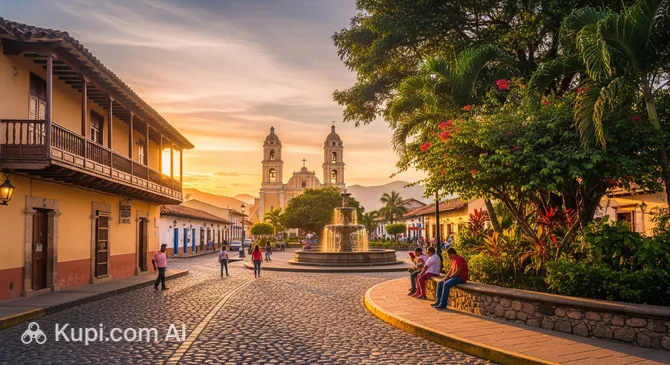
Gracias, Lempira. Source: Kupi.com AI

Founded in 1536 by Spanish captain Juan de Chávez, the city itself proudly bore the name "Gracias a Dios" for a long time and even served as the administrative center for all of Central America. Today, this peaceful and picturesque destination attracts travelers with its authentic architecture from the conquistador era and its status as a national monument. The site features a memorial zone and a square symbolizing the defiant spirit of the indigenous peoples.

Visitors appreciate this location for its atmosphere of antiquity and the chance to literally touch the events of the 16th century. Set among majestic mountains, this historical site is the perfect starting point for exploring Lenca culture and the region's colonial churches.

Contacts

For those planning a visit, below is the essential contact information for this historical site. The site is outdoors and accessible for visiting at any time.

Address 42101, Gracias, Lempira, Honduras
Site Type Historical Monument / City Center

What to Do

The main reason to visit is the opportunity to experience colonial history firsthand. Begin your exploration with a visit to the monument of Chief Lempira, and then take a stroll through the narrow cobblestone streets of the center. Here, every building facade and wrought-iron window grate holds the memory of the times when the city was the political heart of the region.

A visit to Fort San Cristóbal and other Spanish fortifications is a must. These heights offer magnificent panoramic views that are perfect for art photography. Exploring the local 16th–17th century architecture is not just about looking at buildings; it’s a true immersion into Old World aesthetics in the heart of Central America.

For those interested in cultural exchange, it's recommended to stop by the local markets and craft shops, where you can find Lenca handicrafts. Also, take time to visit the ancient churches and museums, where guides share fascinating legends about indigenous resistance and how Gracias became the temporary capital of the region in 1544.

Getting There

You can reach this colonial treasure from the country's major transport hubs. The main route is via San Pedro Sula or the capital, with buses regularly departing for the west. The journey from San Pedro Sula takes about 3 hours, while from Tegucigalpa, it’s 4 to 5 hours along scenic mountain routes.

For maximum comfort and mobility in the mountainous Lempira region, travelers often choose car rental, preferably an SUV. The drive from San Pedro Sula airport takes about 2–3 hours. The exact coordinates 14.5889034, -88.580784 will help you navigate as you approach the city.

Once in the town, it is easy to get around by taxi or on foot, as most historical sites are concentrated in the central area. If you arrive at the bus station, a taxi ride to the main square will take only a few minutes.

History & Facts

The history of this place is inextricably linked to the city's founding in 1536 by the Spanish captain Juan de Chávez. Originally, the settlement bore the graceful name Gracias a Dios ("Thanks be to God"). The city held such strategic importance that in 1544, the Royal Audiencia was established here, effectively turning it into the administrative capital of all Central America for several years.

However, the region's main legend is associated not with the Spanish, but with Chief Lempira, a leader of the Lenca people. In 1536–1537, he led a powerful resistance against the colonizers, becoming a symbol of the indigenous struggle for independence. His feat is so revered that in 1926, the country's national currency was named in his honor.

To defend against raids and ensure regional security, the Spanish built powerful fortifications here. A striking example of fortification art is Fort San Cristóbal, which still overlooks the city today. Today, the historical center of Gracias is recognized as a national monument, preserving its unique 16th–17th century architecture almost in its original form.

Time Needed

For a quick look at the Lempira monument and a short walk through the adjacent colonial streets, 1–2 hours will be sufficient. This is enough time to take commemorative photos and soak in the atmosphere of the ancient city.

If you plan to book a guided tour, visit Fort San Cristóbal, and browse the local craft shops, you should set aside 3–4 hours. This pace will allow you to immerse yourself in the details of colonial history and learn the legends of the country's national hero without rushing.

Working Hours

The area around the monument and the city's historical center are available for viewing 24 hours a day, daily. This allows tourists to plan their visit in the morning sunlight or during the evening when the city illumination is turned on.

Since the official opening hours of individual museum exhibits or churches may vary, it is recommended to check information on official tourism websites or at the local cultural center before planning an extended tour.

Nearby

Exploring the center of Gracias is just the beginning of a grand adventure. The surroundings of this historical district are full of places that will help you gain a deeper understanding of the region's culture and the life of its local residents.

A stroll through the nearby streets will reveal old mansions, cozy bars, and cultural centers, each carrying a piece of the history of the Lempira department.

Attraction Name Distance (km)
Monumento al Cacique Lempira 0
Casa de la Cultura 0.2
La Casona 0.3
Doctor Juan Lindo Tomb 0.4
La Casa de la Ronda 0.5
Noches VIP 0.5
1301 Lounge Bar 0.6
Liquor Store 1301 0.7
Hotel y Centro Turístico Valle Encantado 1.4
CELAQUE BAR & GIRLL 1.4

Reached the end of the page?

That means the route is fully explored