Support

Gracias

About

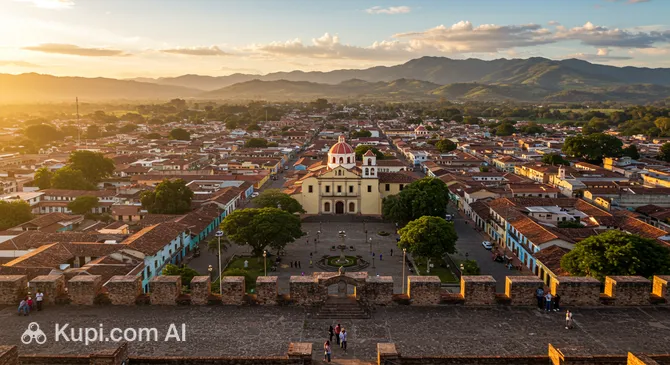
Gracias is a true hidden gem, nestled in the heart of the Lempira department. With a population of about 50,000, this city attracts travelers with its slow-paced, soulful atmosphere and picturesque surroundings of majestic mountains and lush tropical forests. Located in the southwest of the country, Gracias allows you to discover authentic Honduras, far from the hustle and bustle of major metropolises.

Gracias. Illustration.
Source: Kupi.com AI

The city's architectural appearance gives it a special charm. Walking through its narrow cobbled streets, you can see beautifully preserved old churches and cozy squares. The rich history of Gracias is reflected in every colonial-era building, creating a unique ambiance that seems to transport guests back in time.

Nature lovers will find plenty to explore here, as the city lies at the foot of Mount Celaque, the highest point in the country. This makes Gracias an ideal starting point for hiking and ecotourism. After an active day, travelers often head to the local thermal springs to recharge. It is worth coming here to enjoy the aroma of fresh coffee, the warm hospitality of the locals, and the harmony of nature.

Weather Overview

The climate in Gracias can be described as mild and comfortable for travel, largely due to the city's location in a mountainous area. Exhausting heat is rare here: the average annual temperature stays in a pleasant range of 18°C to 23°C. The warmest months are traditionally April and May, when the daytime temperature can rise to 29°C, and it becomes freshest in December and January—at night, the air cools down to 15°C.

When planning a trip, consider the distribution of rainfall. The period from February to March is considered the driest and sunniest, ideal for nature walks. The rainy season begins in May, reaching its peak in June and September, when rain can fall almost daily. To choose the best dates for your visit and ensure your wardrobe is right, we recommend checking the current weather in Gracias before your departure.

Overall, expect moderately warm weather throughout the year with cool nights in winter and regular rain during the summer-autumn period.

Average monthly temperature

Average monthly precipitation

Interesting Facts

Beyond its well-known architectural monuments, Gracias holds many fascinating stories and natural secrets that reveal themselves only to inquisitive travelers. Here are a few facts to help you see this city in a new light:

  • Regional Capital. Although Gracias seems like a quiet provincial town today, it held immense political weight in the 16th century. In 1544, the city became the seat of the Audiencia de los Confines, effectively making it the administrative capital of all Central America, from where vast Spanish territories were governed.

  • A Fortress with History. The San Cristóbal Fort towering over the city is more than just a monument of military architecture. Within its walls lies the tomb of Juan Lindo, a prominent 19th-century politician. He is unique for being the only person in history to serve as the president of two different nations: El Salvador and Honduras.

  • "Box of Water." This is the translation of the name "Celaque" from the language of the indigenous Lenca people. The name perfectly describes the unique ecosystem of the National Park: the humid "cloud forests" on the slopes of the country's highest mountain act like a giant sponge, collecting moisture from the clouds and feeding the region's rivers.

  • Volcanic Spa. The popular Aguas Termales Presidente hot springs owe their existence to the region's geology. The water in these natural pools is heated naturally by underground volcanic activity, and soaking surrounded by dense forest is considered the best way to recover after a hike.

How to Get There

There are various ways to reach this colorful colonial town, but most often the journey begins with a flight to one of the region's major transportation hubs. Since the city does not have its own airport, tourists will have a short trip along the country's scenic roads. You can find more about how to get to Gracias to choose the most convenient route.

One of the most popular options for travelers is flying into Ramón Villeda Morales International Airport (IATA: SAP). It is located in San Pedro Sula, which is about 119 km from Gracias. This is an important transport hub that receives many international flights. The journey from here to your destination by taxi or rental car takes about 3 hours and 20 minutes, allowing you to enjoy views of the Honduran landscape along the way.

Another convenient alternative is Colonel Enrique Soto Cano Air Base (IATA: XPL), serving the country's capital, Tegucigalpa. This airport is the closest to Gracias, at a distance of about 106 km. Travel time by car is approximately 3 hours. Some tourists also choose El Salvador International Airport (IATA: SAL) in neighboring El Salvador (San Salvador). It is located 136 km away, and the trip takes about 3 hours and 45 minutes, although you should factor in time for border crossing.

For convenience, here is a summary of the main airports:

AirportPassenger trafficDistance
Coronel Enrique Soto Cano Air Base854 990106 km
Ilopango15 000114 km
Ramon Villeda Morales International Airport1.3 mln119 km
Puerto Barrios17 140127 km
El Salvador International Airport4.5 mln137 km

Railway service in this region, as in many parts of Central America, is not developed, so there are no trains to Gracias. The primary means of travel between cities remain buses and cars. From major cities like San Pedro Sula or Tegucigalpa, comfortable intercity buses run regularly, and for more freedom of movement, you can use transfer services or rent a car.

Main Attractions

Gracias is a city where colonial heritage is harmoniously intertwined with majestic nature. Travelers won't be bored here: you can explore ancient bastions, immerse yourself in the atmosphere of cloud forests, or relax in healing waters. Here is a list of must-visit places during your stay.

San Cristóbal Fort. This snow-white fortress, crowning a high hill above the city, is the landmark of Gracias. Built in the 19th century, the fort is perfectly preserved and today serves as the best observation deck in the area. Tourists come here for breathtaking panoramic views of the red-tiled roofs of the historical center and the green slopes of Mount Celaque. A walk along the fortress walls at sunset offers particularly vivid impressions and great photo opportunities.

Celaque National Park. A true treasure for fans of active recreation and ecotourism. The park protects a unique "cloud forest" ecosystem and is home to the country's highest peak. Picturesque trails lead through thickets of ferns and ancient trees to crystal-clear waterfalls. This place allows you to feel a complete union with nature and see rare species of birds and plants.

Thermal Springs (Aguas Termales Presidente). Located a few kilometers from the city, this complex is considered one of the best places for relaxation in the region. Natural hot waters of volcanic origin fill several pools with different temperatures. Soaking in the warm water surrounded by thick tropical forest is the perfect way to recover after a day spent in the mountains or on excursions.

Galeano House Museum (Casa Galeano). This historic mansion offers an immersion into the culture and past of the region. The building itself is a monument of colonial architecture, and inside are exhibits detailing the traditions, myths, and daily life of local residents. The botanical garden adjacent to the house deserves special attention—it was one of the first in Central America, where you can stroll among exotic plants.

La Merced Church. Walking through the cobbled streets of the center, it's impossible to miss this magnificent early 17th-century temple. The church is famous for its stunning Baroque facade, decorated with intricate plasterwork and sculptures. It is one of the most beautiful colonial churches in this part of the country, offering a touch of the city's religious history.

Local Cuisine

The gastronomic scene of Gracias is a vivid reflection of the cultural diversity of the Lempira department. Local cafes and colorful markets carefully preserve ancient recipes of the Lenca people. The foundation of many dishes is corn, beans, and local vegetables, which are transformed into thick, hearty soups and flavorful side dishes. Travelers should prepare for filling, simple, and delicious home-style food.

The main gastronomic symbol not to be missed is the traditional Honduran baleada. This is a thick wheat flour tortilla generously filled with mashed red beans, crumbled cheese, and thick "mantequilla" cream. In heartier versions, fried meat, eggs, or avocado slices are added to the filling. This dish is perfect for breakfast or as a substantial snack while exploring the city.

In addition to corn tortillas and the ever-present fried plantains, menus often feature fresh fish and seafood dishes, usually served with fluffy rice and spicy sauces. Those with a sweet tooth should visit city markets or street stalls: they sell magnificent homemade cheeses, traditional sweets, and the freshest tropical fruits grown in the fertile surrounding valleys.

Coffee holds a special place in the local food culture. The outskirts of Gracias are famous for their high-altitude plantations, growing some of the best beans in the country. Tourists can not only enjoy a cup of aromatic coffee in the cozy cafes of the historic center but also visit farms to learn roasting secrets and even participate in the harvest. Throughout the year, the city also hosts small gastronomic festivals that allow for full immersion into local hospitality.

Travel Tips

Gracias is a peaceful and friendly city, but for your journey to this colorful corner of the Lempira department to be perfect, it's worth considering a few local features. We have gathered practical recommendations to help you avoid minor inconveniences and feel confident from the first minutes of your stay.

  1. Clothing and Gear. Since the city is located in a mountainous area, the weather is changeable. It can be hot during the day, but evenings often bring a chill, so bring clothes you can layer (T-shirts and a light jacket or fleece). Be sure to bring comfortable flat shoes: the historic center is paved with cobblestones, and you'll need trekking boots for hikes in Celaque Park. Don't forget a swimsuit for visiting the thermal springs.
  2. Transport. The historic center of Gracias is compact and best explored on foot. For trips to the outskirts or thermal springs, the most popular and cheapest form of transport is mototaxis (local tuk-tuks). This is a fast and accessible way to get around, but it's better to agree on the price with the driver before starting the trip. A rental car is only necessary if you plan independent trips to remote villages in the region.
  3. Finances. The local currency is the lempira. Although some hotels and large restaurants may accept cards, only cash is used in small shops, at the market, and in mototaxis. ATMs can be found near the central park. We recommend always having small bills for tips and minor purchases. Tipping in restaurants is welcomed (about 10%) but not always automatically included in the bill.
  4. Health and Safety. Gracias is considered one of the safest cities in the country; however, basic precautions should be followed: do not leave belongings unattended and avoid unlit streets late at night. The main health rule is to drink only bottled water. Also, be sure to have mosquito repellent, especially if you go out into nature or walk in the evening.
  5. Communication. The primary language is Spanish. Few people know English here, mainly the staff of large hotels. Download an offline translator and learn a couple of basic phrases—this will greatly endear you to the locals. For connection, it's better to buy a SIM card from local operators (Tigo or Claro), as Wi-Fi is not available everywhere, but mobile internet works quite stably.
  6. Local Etiquette. Residents of Gracias are very polite and value friendliness. It is customary to say hello ("Buenos días", "Buenas") when entering a shop, getting into transport, or even just making eye contact with passersby on a narrow street. If you want to photograph any local residents (especially in traditional clothing), be sure to ask permission first.
  7. What to Avoid. Do not photograph children without their parents' permission and avoid being loudly disruptive near religious sites. Also, avoid buying tours or services from unofficial guides on the street—it's better to book excursions through a hotel or official tourist centers to guarantee quality and safety.
  8. Tip for Early Birds. Try to wake up at dawn. The city is particularly beautiful in the morning: the air is clear, the mountains are not hidden by clouds, and the local market offers the widest selection of fresh fruit and pastries. Plus, morning hours are the best time for photoshoots against the backdrop of deserted colonial streets.

By following these simple rules, you can fully immerse yourself in the atmosphere of the ancient city and enjoy the hospitality of Honduras without extra worries. Gracias reveals itself to those who respect its traditions and are ready for a slow-paced lifestyle.

Entertainment & Nightlife

Nightlife in Gracias is not about noisy metropolises with neon signs and raves until dawn, but rather a cozy, almost intimate atmosphere of a colonial town. Evenings here are filled with romance and tranquility: locals and tourists take to the streets to enjoy the cool air after a hot day, listen to live music, and socialize. The main rhythm of nightlife is set by a relaxed "boho" style, perfect for those seeking a soulful getaway rather than wild parties.

The epicenter of evening activity is invariably Central Park (Parque Central) and its adjacent streets. This is where most establishments for spending time after sunset are concentrated. Life picks up around 7:00 PM when the lanterns light up, illuminating the ancient facades of the church and city hall. The crowd here is very diverse, ranging from backpackers from around the world to local families, creating a very friendly and safe environment.

If you're looking for specific spots, be sure to check out Kandil Pizza y Café. This place is extremely popular for its laid-back atmosphere, excellent pizza, and selection of drinks. Travelers often gather here to swap stories, and small cultural events are sometimes held. Another iconic spot is Jardín Café, which turns from a coffee shop into a cozy bar in the evening, where you can enjoy a glass of wine or local beer surrounded by greenery. For those seeking a more authentic experience, small family-run restaurants around the square offer traditional snacks late into the evening.

When planning your evening, keep in mind that Gracias is an "early" city. Most bars and restaurants close around 10:00 PM – 11:00 PM, though the fun might last a bit longer on weekends. The dress code is completely relaxed: casual style is appropriate everywhere, so you can easily wear the same clothes you wore during the day, perhaps just adding a sweater for the evening chill. Prices will pleasantly surprise you—the average bill for dinner with drinks is significantly lower than in large tourist centers or on the islands.

Regarding safety, the city center and the park area are considered safe zones for evening walks. The streets are well-lit and always busy. However, wandering away from the center into unlit alleys alone is not recommended. If your hotel is on the outskirts, it's better to use a mototaxi. These nimble vehicles operate after dark, and a trip across town is inexpensive. Agree on the price in advance and ask the bar or restaurant staff to call a trusted driver if you have any doubts.

During the day, Gracias offers more cultural and educational leisure. While nightlife spots are closed, travelers can visit museums that delve into the region's history or go on tours of colonial churches. Art lovers should visit local galleries and craft shops, which often host exhibitions by local masters. This contrast between a busy educational day and a relaxed evening makes a stay here balanced and memorable.

Parks & Museums

The cultural landscape and green zones of Gracias are inextricably linked to its colonial past and unique natural environment. In this city, parks are not just places for walking but centers of social life, while museums serve as portals to the region's rich history, where the traditions of the indigenous Lenca people and Spanish heritage are intertwined. For tourists, this is an opportunity to slow down and gain a deeper understanding of the soul of this corner of the country.

Central Park (Parque Central). This is the heart of urban life and the perfect starting point for getting to know Gracias. The park is a classic colonial square surrounded by historical buildings, including the city hall and the main church. Here, in the shade of spreading trees, stands a statue of Chief Lempira—the national hero of Honduras. For tourists, this is the best place to observe the measured rhythm of local life, drink coffee on a bench, and enjoy the atmosphere of the ancient city.

Botanical Garden (Jardín Botánico). Located in the backyard of the historic Galeano house, this garden is a quiet oasis within the city limits. It is one of the first botanical gardens in the country, created with great love for nature. It houses an impressive collection of exotic plants, including rare species of orchids and palms, as well as trees brought from various parts of the world (such as Cuba and Spain). A stroll along its winding paths provides cool relief even on the hottest day and allows you to see the region's amazing biodiversity in miniature.

Casa Galeano Museum (Casa Galeano). Housed in a magnificent 19th-century mansion, this museum is considered the city's main cultural treasure. The exhibition is dedicated to the history, myths, and traditions of the Lenca people, as well as the colonial period. Of particular interest are the halls displaying ritual masks and everyday objects that tell of the legends still alive in local villages. Visiting the museum helps to understand the cultural code of the Lempira region and see how the past influences modern city life.

San Cristóbal Fort (Fuerte San Cristóbal). Although technically a military fortification, today the fort functions as an open-air museum. Built to protect the city, it impresses with its powerful white walls and bastions with cannons. Inside is the mausoleum of President Juan Lindo. Tourists are drawn here not only by the architecture but also by the opportunity to touch the political history of Central America while enjoying the best panoramic views of Gracias and Mount Celaque.

For those seeking a truly authentic experience, we suggest checking out the Cultural Center (Centro Cultural), often located in historical buildings near the central square. Temporary exhibitions of local artists and photographers, which are not found in guidebooks, are frequently held here. This is a great chance to see the city through the eyes of its creative residents and perhaps purchase a unique handmade souvenir.

Getting Around

The transport system in Gracias is arranged as simply as possible and matches the measured pace of life in this small colonial city. You won't find subways, trams, or complex bus routes here. The city is compact enough that many attractions in the center are within walking distance, and for longer distances, locals and tourists use specific types of ground transport.

The most popular and widespread means of transportation are mototaxis (local equivalents of tuk-tuks). These small covered three-wheeled vehicles buzz throughout the city from early morning until late evening. They are ideal for navigating narrow streets and hilly terrain. Mototaxis can be caught on almost any corner or found at designated stands near parks and markets. This is a fast, cheap, and authentic way to get to your hotel or the thermal springs.

Classic car taxis are also available, but there are significantly fewer than mototaxis. These are usually white sedans. It makes sense to order one if you are traveling with bulky luggage, in a large group, or planning a trip outside the city, where mototaxis won't go due to their low engine power. Buses within the city itself are practically not used for short trips; they serve mainly to connect with neighboring villages and other regions of the Lempira department.

The payment system here is exclusively cash. There are no transport cards, passes, or mobile payment apps in Gracias's public transport. Payment is made directly to the driver in local currency. It is very important to have small bills with you, as drivers often do not have change for large banknotes.

Tourists should know a few practical rules. Mototaxis and taxis do not have meters. The fare is fixed for locals, but for tourists, it can vary. Therefore, the main rule: always agree on the price before getting into the vehicle. A standard trip through the city center by mototaxi is very cheap, but the price may increase in the evening or during rain. You don't need to validate anything—just pay at the end of the trip.

Regarding modern alternatives, familiar taxi aggregators (like Uber) or car-sharing services do not operate in Gracias. Bicycle rentals have also not become widespread due to steep climbs and cobblestones in the historic center. Therefore, if you don't plan to go far out of town, the best alternative to transport is walking: the city center is very picturesque, and exploring it is most pleasant on your own two feet.

Accommodation

Choosing accommodation in Gracias is not just about finding a place to sleep, but an opportunity to immerse yourself in the colonial era. There are no faceless glass-and-concrete corporate giants here; instead, Honduras offers travelers cozy guest houses and hotels, often located in carefully restored old mansions. The range of options varies from simple and affordable backpacker hostels to charming mid-range boutique hotels with blooming courtyards and tiled roofs.

The most convenient and popular area to stay is the Historic Center. By staying within a couple of blocks of Central Park, you'll be in the heart of the action, within walking distance of museums, cafes, and architectural monuments. This is the best choice for those who want to explore on foot. If you are looking for seclusion and silence, consider options on the outskirts of the city, closer to the foot of Mount Celaque. Eco-lodges and small hotels in this area allow you to enjoy the cool of the cloud forest and magnificent views right from your window.

While finding a vacant room is usually easy, the situation changes during holidays. If your trip coincides with Holy Week (Semana Santa) or July, when the famous festival honoring Chief Lempira takes place, we strongly recommend booking accommodation in advance. The best rooms in historical buildings are booked weeks or even months before the events.

The pricing policy in Gracias will pleasantly surprise even budget-conscious tourists: budget and mid-range options prevail, and the concept of "luxury" relates more to authenticity and service than to exorbitant costs. You can book stays through major international aggregators, but many family-run hotels also work actively through social media and messaging apps. It's worth remembering that small guest houses often prefer cash payments.

Nearby Cities

For those who want to explore the surrounding area, Gracias serves as an excellent starting point for day trips to several interesting nearby locations:

Santa Rosa de Copán. Located just an hour's drive away, this city is often called the "coffee capital" of western Honduras. It is famous for its perfectly preserved colonial architecture, cobbled streets, and cool climate. People come here to taste some of the best coffee in the country, visit famous tobacco factories where world-class cigars are hand-rolled, and enjoy gastronomic delights in local restaurants. It's an ideal place for leisurely walks and learning about the region's history.

Copán Ruinas. Although the journey takes a bit longer, visiting this place is a must for any traveler. Here lies the famous Copán Archaeological Park—a UNESCO World Heritage site known for its unique stelae and the Hieroglyphic Stairway of the ancient Maya. The town itself charms with its cozy atmosphere, and at the Macaw Mountain Bird Park, you can see bright scarlet macaws—the national symbol of the country—in their natural habitat.

Intibucá. This city, often visited alongside neighboring La Esperanza, is the highest city in Honduras, providing a surprisingly fresh and cool climate. It is the heart of Lenca culture, where ancient traditions remain strong. Travelers come here for the colorful markets selling vibrant handmade textiles and fresh vegetables, and to visit the famous La Gruta grotto, which offers panoramic views of the city and surrounding mountains.

CityPopulationDistance
San Rafael13 41023 km
San Juan13 40527 km
Santa Rosa de Copán61 08329 km
La Union34 91135 km
Erandique10 00041 km

These nearby destinations offer a glimpse into the diverse culture and landscapes of the region.

Shopping & Souvenirs

Shopping in Gracias is not about chasing brands or visiting glossy boutiques, but an opportunity to touch the authentic culture of Honduras. The city cannot boast massive shopping complexes, but it charms with small shops selling handmade goods and fresh farm products. Here, the process of shopping turns into a leisurely exploration of local traditions, where every souvenir has a story, and sellers are always ready for a friendly conversation.

Main commercial life is concentrated in the historic center, around Central Park (Parque Central). Walking along the cobbled streets branching out from the main square, you will find many small shops, pharmacies, and souvenir stalls. This is the most picturesque shopping zone: colonial buildings with tiled roofs serve as a beautiful backdrop for window displays showing local goods. It's pleasant to just wander around, peeking into the open doors of shops in search of something unique.

There are no large shopping malls in the conventional sense in Gracias, which allows the city to maintain its historical charm. Instead of malls, small shopping passages and general goods stores operate here. If you need essentials, electronics, or clothing, look for signs saying "Tienda" or "Comercial" on the central streets, but don't expect to find international chain stores.

For real local color, head to the Municipal Market (Mercado Municipal). This noisy and vibrant place is buzzing with life from early morning. Locals buy everything here: from the freshest tropical fruits, vegetables, and spices to clothing and household utensils. For a tourist, it's a great chance to try seasonal fruits, buy homemade cheese, or just observe the daily life of the townspeople. Prices here are very affordable, and the atmosphere is as friendly as it gets.

As for souvenirs, Gracias and the Lempira department are famous for their crafts. Here is what's worth bringing home:

  • Lenca pottery. This is the main brand of the region. Clay dishes and decor, created using ancient technologies of the indigenous Lenca people, feature a unique style and often have a characteristic black-and-brown color. The best items are brought from the nearby village of La Campa.
  • Coffee. Western Honduras is one of the best coffee regions in the country. Be sure to buy a pack of locally produced whole bean or ground coffee (for example, brands grown on the slopes of Mount Celaque).
  • Textiles and wood. At the market and in souvenir shops, you can find bright fabrics, hammocks, and carved wooden figurines that will be great reminders of your trip.

Shops in Gracias typically operate from 8:00 AM to 5:00 PM or 6:00 PM, Monday through Saturday. On Sunday, many shops may be closed or have reduced hours, though the market remains active in the first half of the day. The main method of payment is cash (lempiras). Bank cards are accepted only in some souvenir shops, hotels, and larger supermarkets, so always keep a supply of small bills, especially when visiting the market.

The tax refund system (Tax Free) in Gracias, as in most small cities in the country, is effectively not applicable to tourists. Purchases are made at the final price, and VAT refund procedures are not provided in local shops.
Reached the end of the page?

That means the route is fully explored