Support

Santa Rosa de Copan

About

Santa Rosa de Copán is rightfully considered the soul of the western part of the country. This cozy city, nestled in the picturesque mountains, attracts travelers with its unique atmosphere and tranquility. Located in the heart of the Copán Department, it serves as an excellent starting point for exploring the region, as Honduras reveals its most hospitable side here.

The city lies at an altitude of about 1,150 meters above sea level, providing a pleasant microclimate. Fresh mountain breezes and soft sunshine create ideal conditions for walking, while the green hills surrounding the settlement are a delight to the eye. With a population of about 61,000, Santa Rosa remains an important administrative and cultural center while maintaining the charm of a small province.
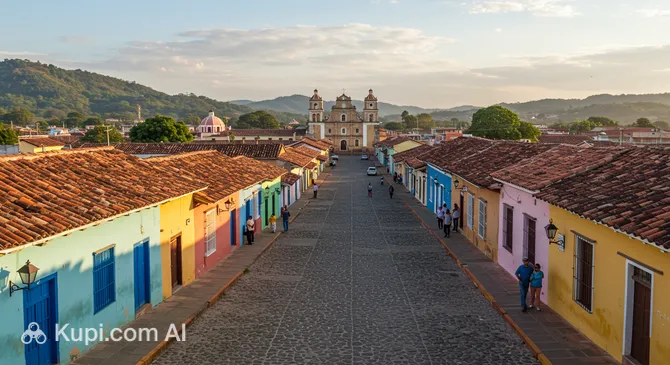
Santa Rosa de Copán. Illustration.
Source: Kupi.com AI

Strolling through the cobblestone streets, it is impossible not to notice how harmoniously different eras intertwine here. The rich history of Santa Rosa de Copán comes to life in the architecture of old mansions with carved balconies and in the traditions of the local residents. The city's colonial past is carefully preserved, giving it a special charm and making every walk a journey through time.

Tourists come here not only for the architecture but also for the vibrant gastronomic experiences for which this region is famous. Nature lovers will also find a haven here, enjoying proximity to national parks and stunning panoramic views. This place is ideal for those seeking authenticity away from busy routes who want to enjoy every moment of their journey.

Weather Overview

Thanks to its location in a mountainous area, the climate in this city is mild and comfortable, reminiscent of "eternal spring." It is rarely stiflingly hot here, and the air remains fresh for most of the year. Expect warm days year-round with a high probability of precipitation in the summer months and cooler, fresher evenings in winter.

The temperature regime is quite stable but has its seasonal characteristics. The warmest month is May, with an average temperature of about +24.7°C and highs of up to +29.7°C. In winter, especially in December and January, it gets cooler: average figures drop to +19.5°C, and night temperatures can reach +15.9°C, so a light jacket or sweater will definitely come in handy on your trip.

Precipitation is an important factor when planning a trip. Detailed weather in Santa Rosa de Copán shows a clear division into seasons by humidity level. The rainy season lasts from May to October, when precipitation can occur almost daily (up to 30 rainy days in July). The most favorable time for walking is considered to be the period from February to April, when the number of rainy days drops to a minimum.

Average monthly temperature

Average monthly precipitation

Interesting Facts

In addition to its main attractions, Santa Rosa de Copán holds many fascinating secrets and surprising stories. This colorful corner is capable of surprising even experienced travelers with its unique traditions and legends.

  • The region's tobacco capital. The city was founded in 1705 and quickly became an important trading center thanks to its extensive tobacco plantations. Some of the finest cigars that Honduras is world-famous for are produced right here.

  • Recognition of archaeologists' achievements. The city's connection to ancient history is so strong that the famous American explorer Sylvanus Morley was granted the title of honorary citizen of Santa Rosa de Copán. His expeditions made an invaluable contribution to the study of the Mayan civilization's cultural heritage in this region.

  • Legends of treasures. Local folklore is rich with mysterious tales. Residents pass down legends from generation to generation about ancient treasures and forgotten temples left by ancestors still hidden in the surrounding mountains and forests.

  • Living history. Unlike many other settlements, the original Spanish colonial style buildings have been remarkably preserved here. A walk through the historical center offers a rare opportunity to see the city almost exactly as it was centuries ago.

How to Get There

The journey to this colorful city is a small adventure in itself, as it does not have its own airport. The route usually involves a flight to one of the region's major transport hubs followed by a trip along scenic roads. You can find out more about how to get to Santa Rosa de Copán by exploring all available options; below we will look at the most convenient ways to arrive via the nearest airports.

The most optimal choice for most travelers is Ramón Villeda Morales International Airport (IATA: SAP). It is important to note that it is not located in Santa Rosa de Copán, but in the city of San Pedro Sula, which is about 118 km away. This is the country's largest airport, receiving many international flights. From there, the journey by taxi or transfer will take about 3 hours and 20 minutes, passing through beautiful mountain landscapes.

If you are planning a multi-country tour of Central America, it makes sense to consider flying into El Salvador International Airport (IATA: SAL). It is located in San Salvador (El Salvador), about 150 km from your destination. Despite the need to cross the border, this route is popular due to the good road quality. The travel time by car is approximately 4 hours and 10 minutes.

Arrival via La Aurora International Airport (IATA: GUA) in Guatemala City is also an option. The distance to Santa Rosa de Copán is about 190 km. This is a major hub, but the transfer will take longer — about 5 hours, which should be considered when planning your logistics.

For convenience, here is a summary of the main airports:

AirportPassenger trafficDistance
Puerto Barrios17 140108 km
Ramon Villeda Morales International Airport1.3 mln118 km
Ilopango15 000125 km
Coronel Enrique Soto Cano Air Base854 990132 km
Punta Gorda25 000147 km

Regarding rail transport, it is not developed in this region, and reaching the city by train is impossible. The main alternative after arrival is road travel. Comfortable intercity buses (such as the Hedman Alas company) run from San Pedro Sula and other major cities, and are considered a safe and reliable way to reach Santa Rosa de Copán. Car rental is also always available, giving you the freedom to stop at the most beautiful points along the route.

Main Attractions

A visit to the city should begin with its historical center, where colonial architecture harmoniously coexists with living traditions. Every corner here is steeped in a cozy atmosphere, and the main attractions are within walking distance of each other, allowing for a leisurely stroll.

The undisputed heart of the city is Parque Central (Parque Central Jardín La Libertad). It is not just a square, but a true green oasis where locals love to relax in the shade of sprawling trees. In the center of the park is an elegant gazebo that has become a recognizable symbol of Santa Rosa de Copán. A special mood prevails here: musicians play in the evenings, and travelers can feel the authentic rhythm of provincial life.

Opposite the square rises an architectural landmark — the Cathedral of Santa Rosa de Lima. This majestic snow-white temple with domes, designed in a colonial style, attracts attention with its clean lines and beautiful facade. The cathedral has been and remains the spiritual center of the city, preserving the spirit of an ancient era within and being one of the most photographed objects in the area.

For those interested in the history of the region's economy, the famous La Flor de Copán factory is a must-see. Here, tourists are offered a look at the full production cycle of premium cigars — from drying tobacco leaves to masterful hand-rolling by experts. Tobacco is an important part of the cultural code of this area, which Honduras rightfully prides itself on internationally.

The gastronomic landmark — local coffee — cannot be overlooked either. Santa Rosa de Copán is considered the coffee capital of the western part of the country. A walk through the cobblestone streets would be incomplete without visiting the cozy coffee shops in the historical center. They serve aromatic high-altitude coffee grown on the plantations of the Copán Department, the taste of which is considered one of the benchmarks in Central America.

Local Cuisine

The gastronomic scene of Santa Rosa de Copán will surprise even the most sophisticated foodies with its originality and warmth. A cult of simple but incredibly rich food based on fresh farm products prevails here. The city's and the entire region's signature dish is the famous "baleada" — a hearty wheat tortilla filled with mashed beans, salty cheese, and sour cream. For a more substantial lunch, locals invariably choose "sopa de carne" — a thick and aromatic meat soup with vegetables that perfectly restores energy after walking in the mountains.

Drinks hold a special place in the food culture, especially the magnificent high-altitude coffee. The city is surrounded by plantations, so a cup of freshly brewed coffee is a mandatory daily ritual that accompanies a tourist at every step. This experience is often complemented by another pride of the region — locally produced cigars. Visiting special lounges where you can leisurely pair aromatic smoke with a cup of strong coffee has become a popular leisure activity for guests.

To feel the true rhythm of life in Santa Rosa de Copán, head to the bustling street markets or stop by small family-run eateries. The stalls here are overflowing with fresh tropical fruits, corn tortillas, and traditional sweets. Be sure to try fried plantains (plátano), served as a side dish or a standalone snack. If you are lucky enough to attend one of the gastronomic festivals, you can not only taste the full variety of local cuisine but also participate in masterclasses on preparing these colorful treats.

Travel Tips

Santa Rosa de Copán is a city with a special rhythm and traditions, so a little preparation will make your trip as comfortable as possible. We have gathered proven recommendations to help you feel like a local, easily navigate everyday matters, and avoid typical tourist mistakes.

  1. Clothing and Essentials. The city is located in a mountainous area, so the climate is cooler than on the coast. Even in summer, be sure to bring a light jacket or sweater for the evenings. For walking on the cobblestones of the historical center, comfortable flat shoes are indispensable — heels will only get in the way here. When visiting temples, observe a modest style: it is recommended to cover shoulders and knees.

  2. Transport. The historical center is compact and best explored on foot. For trips to the outskirts or when carrying luggage, use the local moto-taxis ("tuk-tuks") — they are a cheap and fast way to navigate the narrow streets. Regular taxis are also available, but meters are rarely used, so agree on the price of the trip in advance before getting into the car.

  3. Finances. The national currency is the Lempira. While large hotels and restaurants accept cards, you will definitely need small denomination cash to buy souvenirs, coffee, or food at the market. ATMs can be found around the central park. A 10% tip is often already included in the bill in good establishments ("propina"), but it doesn't hurt to check the receipt; if not, a small gratuity is appreciated.

  4. Health and Safety. Santa Rosa is considered one of the calmest cities Honduras is known for, but you should not lose your vigilance: do not leave belongings unattended and avoid unlit streets at night. Drinking tap water is strictly not recommended — buy only bottled water. There are pharmacies in the center, but it's better to bring specific medications with you.

  5. Communication. The main language of communication is Spanish. English is not understood everywhere, mainly only by hotel staff, so download an offline translator or learn basic phrases. For connectivity, it is better to buy a local SIM card (Tigo or Claro) at any kiosk — mobile internet here works more stably and faster than public Wi-Fi.

  6. Local Etiquette. Residents of the region ("copanecos") are very friendly and value politeness. It is customary to say hello ("Buenas") even to strangers when entering a shop, elevator, or public transport. Don't rush the service staff — life here flows at a measured pace, and showing impatience can be perceived as rudeness.

  7. What to Avoid. Do not take photos of local residents, especially indigenous people in the city's surroundings, without their explicit permission — this is considered bad manners. Also, refrain from openly displaying expensive gadgets or counting large sums of money in crowded places to avoid attracting unnecessary attention.

  8. Coffee Souvenir. Since you are in the region's coffee capital, don't miss the chance to buy beans directly from local roasters. Look for the famous local coffee liqueur "Timochenko" — it is a unique product of this specific city that makes an excellent gift and a delicious reminder of your trip.

By following these simple tips, you can focus on the main thing — enjoying the unique colonial architecture and gastronomic delights of this cozy corner. May your visit to Santa Rosa de Copán be smooth and leave only the warmest memories!

Entertainment & Nightlife

Nightlife in Santa Rosa de Copán is a pleasant discovery for those who expect only peace and quiet from a small colonial town. At dusk, when the daytime heat subsides and the city is enveloped in a pleasant mountain chill, the streets come alive. There are no massive metropolitan clubs with strict face control, but there is a friendly, almost bohemian atmosphere where locals and tourists easily find common ground over a drink.

The epicenter of evening entertainment remains the historical center and the blocks around Parque Central. Most bars, pubs, and restaurants are concentrated here, in the pedestrian zones and narrow cobbled streets. The crowd is diverse: from local university students to prominent coffee plantation owners. The dress code in most establishments is relaxed — casual style is appropriate everywhere, though locals like to dress neatly and stylishly when going out.

If you are looking for a place to spend the evening, be sure to check out several iconic spots. One of the most popular venues in the city is Mass Bar & Grill. It’s a place with great energy, often featuring live music and a menu with a wide selection of cocktails and snacks. Another point of attraction is the cozy lounge bars where you can try the famous local liqueur "Timochenko" straight or in cocktails. Those who prefer a quieter setting will enjoy the café-bars with open terraces offering views of the city's night lights.

Prices for entertainment in Santa Rosa de Copán are noticeably lower than in major tourist centers or the islands Honduras is famous for. The average bar tab will be a pleasant surprise, allowing you to try various local specialties without breaking the bank. Most establishments stay open until midnight or 1:00 AM, and on weekends, the fun can last even longer.

In terms of safety, the city stands out favorably from many other settlements in the region. Walking through the well-lit historical center in the evening is considered safe, and tourist police frequently patrol the area. However, walking to remote, unlit neighborhoods is not recommended. It is best to take a taxi back to your hotel. Keep in mind that the popular daytime "moto-taxis" (tuk-tuks) rarely operate at night, so it's a good idea to save a regular taxi service number in advance or ask a bartender to call a car for you.

While the main focus here is on evening leisure, the city also offers interesting daytime relaxation options besides exploring architecture. You can visit cultural centers or small museums that tell the story of the region's traditions. For active travelers, trips to nearby eco-farms and coffee plantations are available, which often end with tastings that lead smoothly into a pleasant evening rest.

Parks & Museums

Santa Rosa de Copán offers travelers a harmonious blend of natural beauty and rich cultural heritage that goes far beyond typical tourist routes. The city carefully preserves its green oases and historical sites, allowing guests to alternate active walks with immersion in the region's art and traditions.

One of the city's most picturesque and iconic locations is El Cerrito Park (Parque El Cerrito). This place is famous for its monumental stone staircase of 105 steps leading to the top of a hill covered with ancient pines. Climbing up is a mandatory ritual for every tourist: from the top, a breathtaking panorama of the tiled roofs of the historical center and the surrounding mountains opens up. An atmosphere of tranquility prevails here, and the cool air, filled with the scent of pine needles, makes the park an ideal place to rest after excursions.

While the central square is the heart of public life, nature lovers should pay attention to the surrounding green zones and small squares scattered throughout the city. Because Honduras features mountainous terrain in this part, even a short walk to the outskirts of Santa Rosa can turn into a mini-hike with views of lush tropical vegetation and coffee plantations reaching right up to the city limits.

The main center of attraction for art lovers is the House of Culture (Casa de la Cultura). Located in a magnificent historical building, it serves as the city's main museum and exhibition hall. It regularly hosts exhibitions of paintings by local artists, photo exhibitions telling the history of the Copán Department, and theatrical performances. It is a living space where history meets modernity, and where you can learn about the life and traditions of the "copanecos" firsthand.

The historical center itself, declared a national monument, also plays the role of an open-air museum. However, if you want to delve into details, it is worth paying attention to the architecture of the Municipal Palace and the interiors of ancient churches. They often house unique examples of religious art and sculpture that tell the story of the city's spiritual life over centuries as well as any classic museum display.

For those looking for hidden gems, locals advise visiting El Cerrito Park at sunset. At this time, the setting sun paints the city in golden tones, and at the foot of the stairs, young people often gather with guitars, creating a uniquely romantic atmosphere that cannot be found in guidebooks.

Getting Around

The public transportation system in Santa Rosa de Copán differs significantly from the usual European or capital models. You won't find a metro, trams, or trolleybuses here, and large city buses are rare and mainly serve remote residential areas. The city is quite compact, and its historical center is best explored on foot to enjoy the architecture and atmosphere; however, there are unique and convenient ways to travel longer distances.

The most popular and colorful form of transport is the moto-taxi, often called "tuk-tuks" by the locals. These nimble three-wheeled covered motorcycles have become a true symbol of the city and the primary means of transport for the population. They are ideal for maneuvering through narrow and sometimes steep streets where a regular car might struggle. Moto-taxis operate everywhere; they are cheap, available at almost every intersection, and allow you to get quickly from one point in the city to another with a breeze.

Classic car taxis are also widely available. These are usually white cars and are considered a more comfortable and safer option, especially after dark, in rainy weather, or if you are traveling with luggage. Unlike moto-taxis, they provide more privacy. It is important to remember that meters are absent or not used in local cars, so the cost of the trip is determined by tariff zones or by agreement.

Payment for any type of transport is made exclusively in cash in the local currency. There are no transport cards, validators, passes, or mobile apps for paying for city transport here. The cost of a trip around the city by moto-taxi is usually fixed and very affordable, while a taxi will cost a bit more. It is highly recommended to always carry small bills and coins, as drivers often do not have change for large banknotes.

For comfortable travel, tourists should keep a few practical tips in mind. The main rule: always agree on the price of the trip in advance before getting into the vehicle to avoid misunderstandings at the end of the journey. Moto-taxis actively circulate during daylight hours and early evening, but after dark (around 8:00–9:00 PM), they become much less frequent, and it is safer to use a regular taxi. Global ride-hailing apps or car-sharing are not developed in the city, so it is better to call a car through your hotel reception or take one from official taxi stands.

As an alternative, some tourists consider renting a car, but for traveling within the city itself, this can be burdensome due to narrow one-way streets and a lack of parking spaces in the center. Bicycle rental is also not common due to the specific mountainous terrain, which requires significant physical preparation. Therefore, the optimal strategy remains a combination of walking through the center and using local tuk-tuks to visit more distant locations.

Accommodation

Accommodation options in Santa Rosa de Copán fully reflect the spirit of this ancient city: you won't find massive, soulless skyscrapers or noisy "all-inclusive" beach resorts here. The city's hotel industry focuses on comfort, authenticity, and historical immersion. Travelers have access to mostly small boutique hotels located in restored colonial mansions, family guesthouses (known as "posadas"), and budget hostels popular with backpackers.

When choosing a place to stay, most tourists who come to Honduras for its colonial architecture prefer the historical center (Centro Histórico). This is the most convenient area, as all the main attractions, best coffee shops, and restaurants are within walking distance. Living in the blocks around Central Park allows you to enjoy the city's evening atmosphere without spending time and money on transportation. Hotels here often feature inner courtyards with gardens and fountains, creating the feeling of a secluded oasis in the middle of the city.

Experienced travelers recommend paying close attention to travel dates when booking accommodation. Santa Rosa de Copán is a popular destination for domestic tourism, especially during religious holidays and festivals. If your trip coincides with Semana Santa (Holy Week) before Easter or the days of the Coffee Expo (Expo Copán), you must book a room several months in advance. During these periods, the city is crowded, and finding a free room upon arrival is nearly impossible.

The price range in the city remains quite affordable compared to the country's Caribbean coast. You can find both very budget options with basic amenities and comfortable mid-range rooms, which are often classified as "luxury" by local standards due to their historical ambiance and high level of service. Booking is available through popular international online platforms, but many small family-run hotels also accept reservations directly through social networks or messengers, which can sometimes result in a better price.

Nearby Cities

For those who want to explore the surrounding area, Santa Rosa de Copán serves as an excellent starting point for day trips to several interesting nearby locations:

CityPopulationDistance
La Union34 91118 km
Gracias50 25629 km
La Jigua9 28830 km
La Entrada13 94932 km
San Rafael13 41039 km

Among the options presented, Gracias is particularly attractive for a short trip. It is one of the oldest cities in the country, located just 29 km away. Tourists come here to see the majestic San Cristóbal Fortress and relax in the famous thermal springs surrounded by tropical forest.

Another interesting destination is Santa Bárbara. This city is known for its coffee traditions and unique crafts. Here you can watch the creation of woven reed products and enjoy views of Lake Yojoa, which is nearby, offering excellent opportunities for ecotourism.

For those seeking cultural immersion, the city of Intibucá is worth a visit. It is located higher in the mountains, so it is always pleasantly cool here. This is the heart of Lenca culture, where you can try traditional gastronomy, see colorful markets, and appreciate the authentic lifestyle of the local residents.

These nearby destinations provide an insight into the region's diverse culture and landscapes.

Shopping & Souvenirs

Shopping:

Shopping in Santa Rosa de Copán is fundamentally different from shopping in large metropolises. You won't find endless rows of luxury brands here; instead, the city offers a unique experience of acquiring high-quality authentic goods. The main focus is on local production: from gastronomic delights to artisanal products. It is the ideal place to buy what Honduras is proud of — magnificent coffee, hand-rolled cigars, and genuine leather goods.

Shopping streets and districts. The heart of the city's commercial life is the historical center. A walk along the main shopping artery — Calle Real Centenario — will allow you to immerse yourself in the lively atmosphere of local trade. Here, among colonial buildings, are numerous clothing boutiques, shoe stores, pharmacies, and souvenir shops. This is where locals do their daily shopping and where tourists can find interesting items while enjoying the architecture.

Shopping centers. If you prefer a modern shopping format, you should visit Uniplaza. This is the largest and most modern shopping mall in the city, featuring shops of well-known affordable brands, a supermarket, a food court, and a cinema. It is a great option if you need to buy electronics, cosmetics, or just relax in an air-conditioned space after walking in the heat.

Markets. For immersion in true local color, head to the Central Market (Mercado Central). This is a noisy, bright, and fragrant place where life bustles from dawn. Here you can buy the freshest tropical fruits, vegetables, and spices at very low prices. Besides food, the market sells inexpensive clothing, household items, and products by local artisans. Be prepared for crowds and noise — it's all part of the authentic experience.

Souvenirs. You cannot leave Santa Rosa de Copán without coffee. Purchase beans directly from the coffee shops in the historical center or in specialized stores — some of the best varieties in the country are sold here (Highland Coffee). The second must-have item is cigars: a box from the "La Flor de Copán" factory makes a prestigious gift. Also, look for leather goods (belts, wallets, bags) the region is famous for, and a bottle of local coffee liqueur "Timochenko".

Opening hours and payment. Most shops in the center open early, around 8:00–9:00 AM, and stay open until 5:00–6:00 PM. Uniplaza Shopping Center is open longer, usually until 8:00 PM. Sunday is often a short day or a day off for small shops. Regarding payment, supermarkets, the shopping center, and large souvenir shops accept credit cards without any issues. However, at the market and in small private shops, you will need cash Lempiras, so make sure to have small change in advance.

Tax Free. The value-added tax (VAT) refund system (Tax Free) for tourists is not as widely developed in Honduras as in Europe or Asia. There are no specialized tax refund points in Santa Rosa de Copán, so you should not count on this option when planning your budget. Prices here are already quite affordable, which compensates for the lack of this service.

Reached the end of the page?

That means the route is fully explored