Copan Ruinas is a true gem hidden among the vibrant green hills and mountain valleys in the southwest of the country. This cozy town is located just a few kilometers from the Guatemalan border and is rightfully considered one of the most picturesque and atmospheric places in Honduras. Thanks to its favorable geographical position, the mountain air here always feels fresh, and the surrounding landscapes set a peaceful mood.
Copan Ruinas. Illustration.
Source: Kupi.com AI
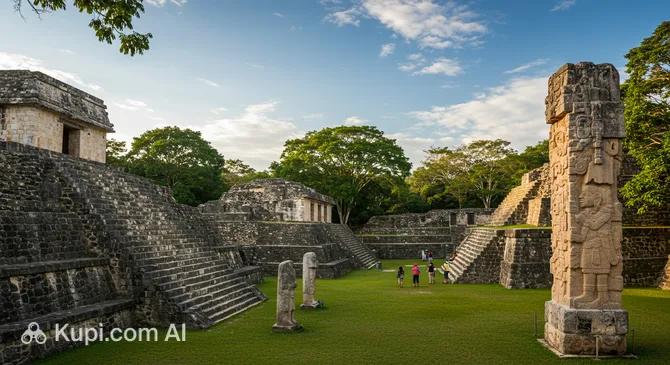
The town is internationally famous as the main gateway to the archaeological park of the same name — the ruins of an ancient Mayan city, which are listed as a UNESCO World Heritage site. The rich history of Copan Ruinas is inextricably linked with this mysterious civilization, and it is here that travelers can literally touch the past by exploring the majestic stelae and temples preserved through the centuries.
Despite its tourist significance, Copan Ruinas retains the charm of a small town with a population of about 41,500 people. There is no bustle of large metropolises here: cobbled streets, houses with tiled roofs, and many cozy cafes create a relaxed and friendly atmosphere. It is a place where you can walk for hours, enjoying the local flavor and interacting with the hospitable residents.
Copan Ruinas is worth visiting not only to immerse yourself in the secrets of the Maya but also to enjoy the harmony of nature and culture. This is an ideal destination for those seeking inspiration, wishing to see unique historical monuments, and wanting to spend time in one of the most beautiful corners of Central America.
Weather Overview
The climate in this region can be described as tropical, but thanks to the mountainous terrain, there is no extreme heat. Copan Ruinas delights travelers with fairly stable temperatures throughout the year. The coolest period is December and January, with average figures around 20°C, while at night the air can cool down to a fresh 16.4°C. The air warms up the most in May, reaching an average of 30.3°C.
Expect a warm summer with frequent rains and cooler, relatively dry winter months. The rainy season here is distinct: from June to September, the number of rainy days can reach 28–30 per month, so an umbrella or raincoat will become an essential companion for a tourist. Before planning excursions to archaeological sites, we recommend checking the current weather in Copan Ruinas so that precipitation does not catch you by surprise.
The most favorable time to visit is from February to April. During these months, precipitation is minimal (about 2 mm), and the number of rainy days decreases to 12–15. This is the ideal time for long walks, as during the day the temperature stays at a comfortable 21–24°C, allowing you to enjoy nature without the exhausting heat.
Average monthly temperature
Average monthly precipitation
Interesting Facts
Copan Ruinas holds many fascinating secrets that go beyond ordinary guidebooks. This town is not just adjacent to ancient history; it is literally steeped in legends and amazing facts that make a trip here unforgettable.
Copán Ruins. Illustration.
Source: Kupi.com AI
Traveler photos:
The city is often called the "Paris of the Maya world" for its exceptional architectural elegance and artistic traditions. It is here, while visiting the Copan Ruins, that you can see the longest hieroglyphic stairway in the history of this civilization, consisting of more than 2,000 unique symbols.
Although Europeans first stumbled upon the ancient structures as early as 1570, large-scale scientific excavations did not begin until the 19th century. Thanks to this, Copan became one of the most studied Mayan cities, giving the world invaluable knowledge about the lives of rulers and the chronicles of that era.
Among the locals, a legend lives on about the mysterious ruler K’inich Yax K’uk’ Mo’, who is considered the founder of the Copan dynasty. His image is still an important part of the city's cultural code, inspiring street artists and artisans to create vibrant souvenirs.
Copan Ruinas has become a real magnet for the international scientific community. The town regularly hosts archaeological expeditions and festivals dedicated to Mayan culture, turning into a living center for the exchange of knowledge between scholars and travelers from all over the world.
How to Get There
Since the town of Copan Ruinas does not have its own airport, the journey here usually begins with a flight to one of the major cities in Honduras or neighboring countries. The road to the archaeological park will become a small adventure in itself, allowing you to enjoy the picturesque views of Central America. You can find out more about how to get to Copan Ruinas to choose the most convenient route for you.
One of the most popular options is to fly into Ramón Villeda Morales International Airport (SAP). It is important to note that this airport is not in Copan Ruinas, but in the city of San Pedro Sula, at a distance of approximately 149 km. This is one of the country's key transport hubs with a moderate passenger flow. The journey from here by taxi or regular bus will take about 4 hours, passing through colorful settlements and green valleys.
Many tourists also choose a route through Guatemala, arriving at La Aurora International Airport (GUA). It is located in Guatemala City, approximately 150 km from Copan Ruinas. Despite the fact that the airport is in another country and you will need to cross the border, the transfer from here is often very convenient. Travel time by car will be approximately 4–4.5 hours.
For clarity, here is summary information on the main airports through which you can reach the region:
Copan Ruinas offers travelers a rich program that goes far beyond archaeology alone. Although ancient history is the main magnet for tourists, the town and its surroundings are filled with amazing places where you can enjoy nature, culture, and local flavor.
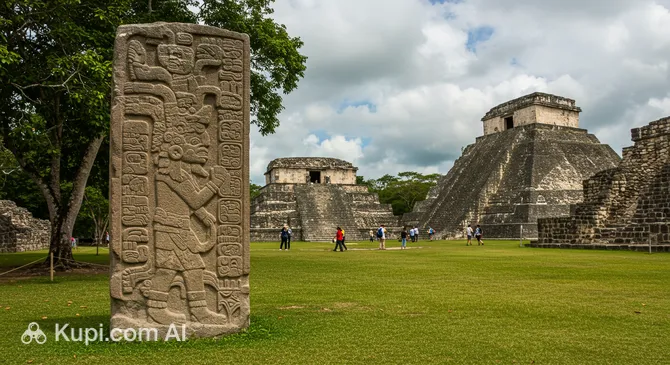
Undoubtedly, getting to know the region should start with its main pride — the archaeological complex. The Copan Ruins amaze the imagination with the detail of the preserved stelae and altars. This place is interesting not only for the scale of the buildings but also for the opportunity to see the unique Hieroglyphic Stairway and the ball court, which allow one to vividly imagine the life and rituals of the ancient Mayan civilization.
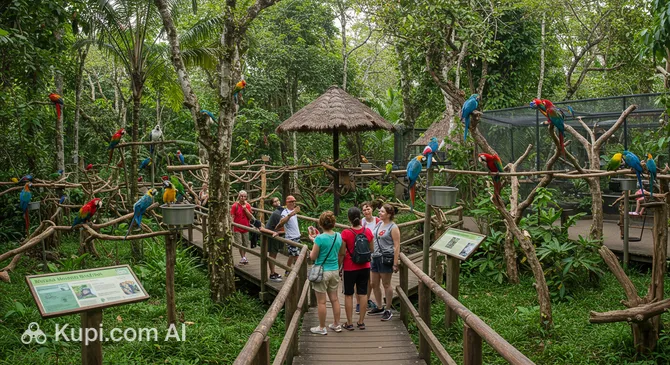
For those who want to get closer to nature, a mandatory stop is the Macaw Mountain Bird Park. This reserve, located in the tropical forest, is dedicated to the rescue and rehabilitation of birds, including the national symbol of Honduras — the scarlet macaw. Tourists love this place for the chance to see exotic birds in their natural habitat, take colorful photos, and walk along the scenic trails by the river.
Macaw Mountain Bird Park. Illustration.
Source: Kupi.com AI
Traveler photos:
The heart of the town's modern life is the cozy Central Park. It is an ideal place for an evening walk, where you can admire colonial architecture and the white church located on the square. A friendly atmosphere always prevails here: locals relax in the shade of the trees, and travelers can buy souvenirs or simply enjoy the calm rhythm of life in Copan Ruinas.
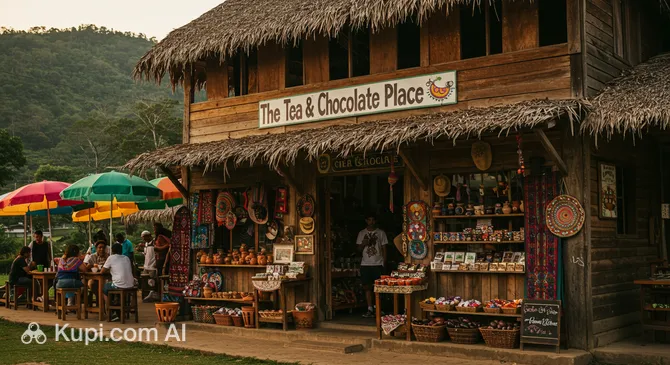
If you are looking for a place to relax with a magnificent view, you should visit The Tea & Chocolate Place. This cultural and ecological center is located on a hill, offering a stunning panoramic view of the valley, especially at sunset. Guests are attracted by the opportunity to taste natural chocolate and locally produced organic teas, as well as to learn more about the process of their creation in harmony with nature.
Local Cuisine
The gastronomic scene of Copan Ruinas is a fascinating blend of ancient Mayan traditions and the rich flavors of modern Honduras. The main culinary hit here is rightfully considered pupusas. These thick corn tortillas are stuffed with melted cheese, refried beans, or meat, and served hot with spicy pickled cabbage and tomato sauce. This hearty dish can be found everywhere: from street stalls to cozy restaurants.
Meat lovers should try the local veal cooked over an open fire. The meat in this region is famous for its exceptional juiciness and smoky aroma, claiming the title of some of the best in Central America. For authentic flavors, we recommend checking out the town markets, where, in addition to fresh tropical fruits, they offer tamales — corn rolls with filling, carefully steamed in banana leaves.
The food culture here is impossible without excellent coffee, as the town is surrounded by green plantations. You can enjoy a cup of invigorating local beverage and light snacks at Café San Rafael. If you are looking for a lunch spot with a picturesque view, pay attention to El Paseo de los Girasoles, where delicious dishes are complemented by the beauty of the surrounding nature.
Travel Tips
To ensure your trip to this colorful corner of Central America is as comfortable as possible and leaves only pleasant memories, it is worth considering a few local features in advance. Copan Ruinas is a hospitable and peaceful town, but a little preparation will help you avoid everyday inconveniences and focus on the beauty of ancient history.
Clothing and Footwear. Since the town is located in a mountainous area, the weather here is changeable. During the day, you will need light clothing made of natural fabrics, and for cool evenings, be sure to bring a fleece or a light jacket. Most importantly, bring comfortable, broken-in shoes (sneakers or trekking sandals), as you will be walking a lot on cobblestones in town and uneven trails in the archaeological park. During the rainy season (May–October), don't forget a raincoat.
Transport. The town center is very compact and is best explored on foot. If you need to get to the outskirts or are tired after an excursion, take advantage of the local flavor — moto-taxis (a type of tuk-tuk). This is the most popular and cheapest way to get around. It is better to agree on the cost of the trip with the driver in advance, before boarding. There is no point in renting a car for trips within the town.
Finances. The official currency is the Honduran lempira. Although US dollars (small bills in good condition) are accepted in many tourist spots, it is more profitable to pay with local money, especially in small shops and for transport. ATMs are located around Central Park, but they can sometimes be out of order, so always have a cash reserve. Cards are accepted in large hotels and restaurants, but often with a commission. A 10% tip is welcome if it's not included in the bill.
Health and Safety. Copan Ruinas is considered one of the safest places in the country; however, basic precautions should be followed, and items should not be left unattended. The main health rule is to drink only bottled water and avoid drinks with ice in street cafes. Pharmacies in the town center work well, but it's better to bring specific medications with you. Also, be sure to use repellents: the proximity of the jungle means mosquitoes are present.
Communication. The main language is Spanish. In the tourism sector (hotels, museum ticket offices), staff often speak English, but in shops and at the market, you will be better understood if you learn a few phrases, such as "¿Cuánto cuesta?" (How much does it cost?). Wi-Fi is available in almost all cafes and hotels. For constant connectivity, you can buy a SIM card from local operators (Tigo or Claro) in any shop by presenting your passport.
Local Etiquette. Residents of the region are very polite and appreciate friendliness. When entering a shop or meeting someone, it is customary to say hello: say "Buenas" (a universal greeting) or "Hola." If you want to photograph locals, especially members of the indigenous population, be sure to ask for permission — it is a sign of respect.
What to Avoid. You should not walk alone in unlit outskirts of town late at night, despite the general safety of the area. Also, refrain from buying ancient artifacts or fragments from street vendors — this is illegal and can lead to serious problems at customs when leaving the country.
Insider Tip. Plan your visit to the Archaeological Park for the very opening at 8:00 AM. At this time, it is not yet hot, there are practically no tourists, and you will have a unique chance to see flocks of scarlet macaws, which are most active in the morning hours. This will create a truly magical atmosphere for your photos.
By following these simple recommendations, you can easily blend into the slow pace of life in Copan Ruinas. This town knows how to make those who show it respect and sincere interest fall in love with it, revealing its most secret mysteries and beauty in return.
Entertainment & Nightlife
Entertainment and nightlife in Copan Ruinas have their own unique charm. Here, you won't find massive nightclubs with lasers and loud electronic music until dawn, as you would in major resort centers. Instead, the town offers a cozy, relaxed atmosphere where evenings are spent in long conversations, tasting local drinks, and enjoying live music in colorful bars. This is a place where travelers from all over the world mingle with locals, creating a friendly and safe community.
The center of evening attraction invariably remains Central Park. As dusk falls, life here does not stand still but, on the contrary, takes on new colors. Lights are turned on around the square, the doors of numerous establishments open, and street vendors offer fresh snacks. It is an ideal starting point for a night walk: street musicians often play here, and local families and tourists come out for a promenade, enjoying the coolness after a hot day.
Most bars and restaurants oriented towards evening relaxation are located within a two-to-three-block radius of the main square. The style of the venues varies from traditional cantinas to quite European-style lounge zones. The dress code is casual everywhere. The busiest time is from 7:00 PM to 11:00 PM, though some bars stay open until midnight or 1:00 AM, especially on weekends.
Café San Rafael. Illustration.
Source: Kupi.com AI
Traveler photos:
If you are looking for a place for a sophisticated yet relaxed evening, be sure to stop by Café San Rafael. Although it is famous for its coffee, in the evening, this establishment transforms into a cozy wine bar. Here, you can order a glass of good wine and a plate of locally produced cheeses while enjoying the peaceful atmosphere. It is an excellent choice for a romantic date or a quiet conversation with friends.
For those who want to start the evening with a beautiful sunset and dinner in nature, El Paseo de los Girasoles is worth checking out. Located a bit further away, this place offers not only gastronomic delights but also magnificent views, which are especially good during the "golden hour" before sunset. After dinner, you can return to the town center to continue the evening at one of the bars serving craft beer, which is becoming increasingly popular in Honduras.
During the day, while the town prepares for the evening, the cultural program is also diverse. Besides the famous ruins, tourists often visit the Mayan Sculpture Museum or simply browse the souvenir shops. However, it is in the evening that the town reveals itself as a place for soul-soothing rest and socializing.
Practical Tips and Safety:
Safety: The center of Copan Ruinas is considered safe for night walks, as the streets are well-lit and patrolled by tourist police. However, it is not recommended to wander into unlit alleys on the outskirts.
Transport: The most convenient way to get around in the evening is by moto-taxi (tuk-tuks). They cruise the town until late. A trip within the center is inexpensive, but it's better to agree on the price before getting in.
Prices: The average check for a cocktail or beer in a bar is between $2 and $5, and dinner for two with drinks will cost about $20–$30.
Parks & Museums
Copan Ruinas is a town where lush tropical nature harmoniously intertwines with the great heritage of the past. Besides the famous archaeological excavations, there are wonderful green areas for relaxation and museums that help to better understand the mysterious world of the Maya and enjoy the beauty of Honduran landscapes.
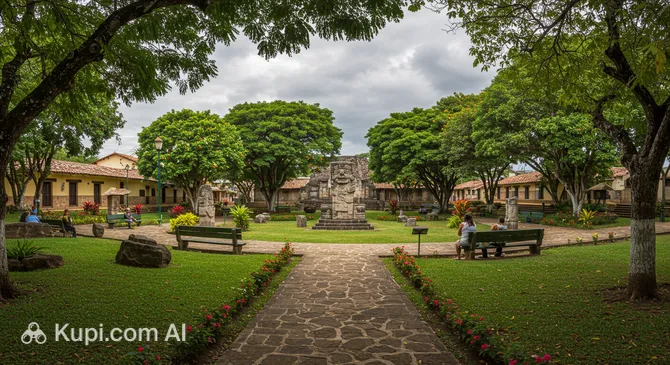
The heart of urban life and the main green oasis is Central Park. It is not just a square, but a real outdoor living room where locals and tourists escape the midday heat in the shade of spreading trees. A monument is installed in the center of the park, and benches are located around it, from which it is convenient to observe the town's slow pace. In the evening, the park comes alive, becoming a place for meetings, street food, and cultural events.
Central Park. Illustration.
Source: Kupi.com AI
Traveler photos:
For lovers of flora and fauna, the Macaw Mountain Bird Park is a must-visit. This nature reserve, located in a canyon just a few minutes' drive from the center, is a true tropical garden. Here, among ancient trees and coffee bushes, macaws, toucans, and other exotic birds fly freely. A walk along its trails and suspension bridges gives a feeling of complete harmony with wild nature.
Another picturesque spot gaining popularity is El Paseo de los Girasoles. This is an extensive field of sunflowers that turns into a bright yellow sea during the blooming season. Tourists come here for incredible photos and peaceful walks among the flowers. The location is especially beautiful at sunset when the golden light floods the valley, creating a magical atmosphere.
A cultural program is impossible to imagine without visiting the museums. The most impressive is the Mayan Sculpture Museum, located on the territory of the archaeological complex, near the entrance to the Copan Ruins. The main exhibit here is a full-scale replica of the Rosalila Temple, found inside one of the pyramids. The bright colors of the stucco allow you to see what the ancient city looked like in its prime, before time erased the paint.
In the town itself, on the main square, is the Regional Museum of Archaeology. Although small, its collection is unique: it contains exquisite jade products, ceramics, and obsidian tools found during excavations. This museum perfectly complements a visit to the ruins, allowing you to examine the small details of ancient Mayan life that are difficult to see on the large-scale structures.
For those looking for hidden gems, we suggest climbing up to Fort Cabañas (Fuerte Cabañas). This small historical structure, built in the early 20th century, today serves as an excellent observation deck. From here, a panoramic view of the town and the Copan River valley opens up, and it is one of the best free places to watch the sun go down in silence.
Getting Around
Given the compact size of Copan Ruinas, the public transport system here is arranged as simply and intuitively as possible. In the town, there is no metro, trams, or complex network of city buses typical of major metropolises. The historical center is so cozy and miniature that most distances between hotels, restaurants, and the main square are easily covered on foot, allowing for a better look at the colonial architecture.
The most popular and recognizable means of transport are moto-taxis (a local version of tuk-tuks). These nimble three-wheeled covered motorcycles, most often red and white, literally flood the streets. They serve as the main city taxi: they will take you from your hotel to the Archaeological Park, to the bus station, or simply help you up a steep hill if you are tired. You can catch them with a simple wave of the hand anywhere in the town.
The payment system here is exclusively cash. No transport cards, passes, or mobile apps for payment are provided. Payment is made directly to the driver at the end of the trip in local currency. Travelers are strongly advised to always have small bills with them, as drivers often may not have change for large banknotes.
For trips to surrounding villages, to the hot springs, or towards the border (El Florido crossing), small minibuses are used, which locals call "colectivos". They do not have a strict minute-by-minute schedule: departure occurs as the vehicle fills with passengers. You can find them at improvised parking lots near the central market. This is a very cheap but not the most comfortable way to get around, popular among the local population.
The main tip for tourists: always agree on the price of the trip in advance, before getting into the moto-taxi. There are no meters in the transport, and although unspoken standard rates exist for trips around the center, foreigners may be quoted a higher price. Polite bargaining is welcome. Also, keep in mind that public transport is active until about 9:00–10:00 PM; later on, it will be harder to find a vehicle on the street, and the fare will cost more.
Accommodation
Accommodation options in Copan Ruinas are surprisingly diverse and full of character, despite the town's modest size. Every traveler will find a place to stay that suits their taste: from lively youth hostels with hammocks in internal courtyards to cozy colonial-style boutique hotels and luxurious eco-lodges hidden in the greenery of the hills. Most places to stay are distinguished by a homely atmosphere and the hospitality of the owners, who often welcome guests themselves.
The most popular and convenient area to stay in is the historical center, especially the blocks around the main square. Staying here, you will be within walking distance of key attractions such as Central Park, as well as numerous cafes and souvenir shops. This is an ideal choice for those who want to be in the heart of the action and not depend on transport. For lovers of peace and oneness with nature, options on the outskirts of town or on the road to the hot springs are suitable, offering panoramic views of the valley.
The price range in Copan Ruinas is generally lower than in the popular Caribbean resort zones. Budget travelers can find a bed in a hostel for a symbolic fee, while mid-range hotel rooms with air conditioning and breakfast remains very affordable. High-end accommodation options offer pools, spa services, and well-maintained tropical gardens, but even here, prices rarely reach astronomical heights.
Booking Tip: While it is usually not difficult to find accommodation upon arrival during normal times, it is strongly recommended to book rooms in advance if your trip falls during Holy Week (Semana Santa), Christmas, or during major cultural festivals. During these peak periods, the town fills up with tourists, and the best options are taken weeks in advance. Popular international online platforms are convenient for booking, but many small family-run hotels (posadas) also readily accept bookings via social media or messengers.
Nearby Cities
For those who want to explore the surroundings, Copan Ruinas serves as an excellent starting point for day trips to several interesting nearby places. This region of Honduras is rich not only in ancient history but also in colonial heritage, coffee plantations, and natural beauty.
One of the most attractive destinations is Santa Rosa de Copán, located just 42 km from the town. It is often called the "Coffee Capital of the West" thanks to the high-altitude plantations surrounding the city. Travelers come here to enjoy the cool climate, walk through the beautifully preserved historical center with cobbled streets, and taste the famous local coffee with traditional pastries.
A little further, about 68 km away, lies the picturesque city of Gracias. This is one of the oldest settlements in the country, steeped in the spirit of the colonial era. The main highlight for tourists here are the thermal hot springs located nearby, where you can relax perfectly. It is also worth climbing up to Fort San Cristóbal, which offers a magnificent panorama of the city and the highest mountain in Honduras — Celaque.
City
Population
Distance
La Unión
38 473
20 km
Camotan
61 958
23 km
Jocotan
75 578
25 km
Olopa
30 534
26 km
San Juan Ermita
18 751
30 km
These nearby destinations provide an insight into the diverse culture and landscapes of the region, making your journey through western Honduras even more fulfilling and memorable.
Shopping & Souvenirs
General Overview
Shopping in Copan Ruinas is not a pursuit of global brands or high fashion, but rather a fascinating immersion into local culture and crafts. The town cannot boast of huge retail spaces, but that is precisely its charm. Here, the process of shopping turns into a leisurely stroll through colorful shops, where every item has its own story. Copan is famous for handmade goods inspired by the Mayan heritage, as well as magnificent natural products grown on the fertile lands of the region.
Main Shopping Districts and Streets
All the commercial life of the town is concentrated around the heart of Copan Ruinas — Central Park. It is here, on the streets adjacent to the main square, that you will find the highest concentration of souvenir shops, art galleries, and small boutiques. Walking along the cobblestones in the shadow of ancient buildings, you will surely come across cozy shops whose doors are always open to guests. This is an ideal place to find unique gifts without going far from the main attractions.
Shopping Centers
It is important to know that in Copan Ruinas there are no large shopping centers or malls in the traditional sense. The town maintains its authentic appearance, avoiding modern commercial developments. Small passages and family-run shops play the role of shopping complexes here. If you need specific goods or electronics, it is better to purchase them in the country's large cities, such as San Pedro Sula, before arriving here.
Markets
For those seeking real local color, it is worth looking into the Artisan Market (Mercado de Artesanías), which is often set up near the center. Here, local masters offer a wide range of goods: from bright textiles to wooden masks. Also, small spontaneous souvenir markets can be found at the entrance to the Copan Ruins. This is a great place to buy mementos immediately after the excursion, supporting local artisans.
Souvenirs: What to Bring Back
The choice of souvenirs in Copan Ruinas is impressive for its quality and originality. The main symbol of the region is considered to be jade and obsidian products — stones sacred to the ancient Maya. You can find both inexpensive trinkets and real jewelry. High-quality leather goods are also popular: handmade bags, belts, and wallets are significantly cheaper here than in Europe.
The Tea & Chocolate Place. Illustration.
Source: Kupi.com AI
Traveler photos:
Gastronomic souvenirs deserve special attention. Be sure to visit a place called The Tea & Chocolate Place to buy locally produced organic chocolate, natural creams, and aromatic teas. For coffee connoisseurs, the best gift will be a pack of freshly roasted beans from Café San Rafael, which is famous for its product throughout the region. And if you visit the Macaw Mountain Bird Park, you will find wonderful items featuring scarlet macaws in their souvenir shop, with proceeds going towards the protection of the birds.
Opening Hours and Payment
Most shops catering to tourists open around 8:00–9:00 AM and work until 6:00–7:00 PM. Some souvenir shops may close for a lunch break (siesta), although this is less common in the center. As for payment, cash (lempiras) is the most reliable option, especially when buying small souvenirs on the street. US dollars are accepted almost everywhere, but the exchange rate may not be the most favorable. Bank cards (Visa, MasterCard) are accepted in large souvenir shops, hotels, and decent restaurants, but always check for a terminal in advance.
Tax Free
A tax refund system (Tax Free) for tourists is not practiced in Copan Ruinas. Prices in shops are usually final and include all taxes. In small shops and at the market, polite bargaining is appropriate and can help lower the price slightly, but there is no official mechanism for VAT refunds upon leaving the country for purchases made in this region.