Support

Akola

About

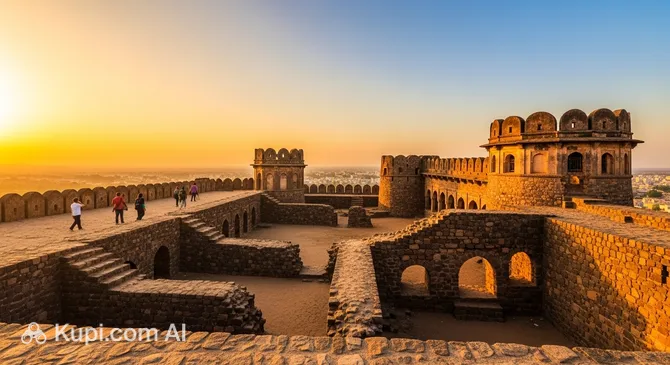
Akola is a colorful city in the state of Maharashtra, often referred to as the "Cotton City" due to its key role in the region's textile industry. Located on the banks of the Morna River, it combines the dynamic rhythm of a trade center with the tranquility of historical quarters.

Akola. Illustration.
Source: Kupi.com AI

If the goal of your journey is the mysterious India, Akola offers an authentic experience far from standard tourist routes. With a population of over 400,000, the city is an important hub for the Vidarbha region. The climate here is tropical, with hot summers, so it's best to plan your trip for the winter period when the weather becomes milder and more pleasant for walking.

The centuries-old history of Akola has left a notable mark on the city's appearance. The main symbol of the past is the majestic Akola Fort (Asadgad), whose fortifications have been preserved to this day and attract fans of military architecture. Another significant point of interest is the Rajeshwar Mandir temple—an ancient shrine dedicated to Shiva, which serves as a spiritual center for local residents.

Visiting Akola is an opportunity to see the real life of the Indian heartland, try local cuisine, and feel the hospitality of the people of Maharashtra. This city is an excellent stop for those looking for new impressions and a deep immersion into the culture.

Weather Overview

The climate in Akola can be characterized as tropical, with a clear division into seasons. Weather conditions here vary from intense heat to heavy monsoon rains, so the choice of timing plays a key role in planning your trip.

The hottest period occurs in spring and early summer. In May, the average temperature reaches 34.7°C, and maximum values often exceed 40°C. At this time of year, rain is practically non-existent, and the air is very dry. If you do not tolerate heat well, it is better to avoid trips in April and May.

The rainy season begins in June and lasts until September. July is the wettest month, with up to 25 rainy days recorded. The precipitation brings much-needed cool, lowering the average temperature to 27°C, though humidity increases significantly. Before your trip, be sure to check the current weather in Akola to be ready for the whims of nature.

The most comfortable time for a visit is considered winter. In December and January, the average temperature is about 22°C, and nights become fresh (around 15-16°C). Expect very hot summers without rain and a warm rainy season, followed by a pleasant and dry winter, perfectly suited for sightseeing.

Average monthly temperature

Average monthly precipitation

Interesting Facts

Beyond its main attractions, Akola holds many fascinating features that reveal its significance far beyond the textile industry. Here are a few facts that will help you look at this city in a new way:

  • A Green Center of Agrarian Science. The city is home to one of the region's largest agricultural universities — Dr. Panjabrao Deshmukh Krishi Vidyapeeth. Its expansive campus occupies a huge territory and serves as a major research hub for farmers across Central India, turning the city into a scientific center.

  • Unofficial Medical Capital. Akola is known for its phenomenally high density of medical institutions. The city is often called the "medical hub" of the Vidarbha region, as patients from many neighboring districts and even other states come here for quality treatment.

  • Energy Heritage. In the suburb of Paras, one of the oldest thermal power plants in the state of Maharashtra is located. The Paras Thermal Power Station is an important industrial history site and continues to play a key role in the region's power supply.

  • Not Just Cotton. Although Akola holds the title of "Cotton City," it is also a major center for the oil milling industry. Many plants for processing soybeans and cottonseeds are concentrated here, making the city an important link in the country's food industry.

How to Get There

When planning a trip through the state of Maharashtra, it is important to think about logistics in advance, as there are no direct flights to this city. You can learn more about all ways to get to the city to choose the most comfortable route. Most often, tourists combine a flight to one of the large neighboring cities with a trip by train or taxi.

Akola itself does not have a passenger airport, so travelers usually use aviation hubs in neighboring regions. One of the most convenient options is Dr. Babasaheb Ambedkar International Airport (NAG), located in the city of Nagpur. This is a major transport hub receiving many flights. It is located about 216 km from Akola, and the journey by taxi or intercity bus will take about 6 hours.

Another popular option is to fly into Chikkalthana Airport (IXU), located in Aurangabad, a city known for its historical monuments. The distance to Akola is about 192 km, and the travel time by ground transport is approximately 5 hours. If you are looking for the closest arrival point, you can consider Jalgaon Airport (JLG) in the city of the same name (about 146 km from Akola, taking about 4 hours), although it serves fewer flights.

For clarity, here is summary information on the main airports:

AirportPassenger trafficDistance
Jalgaon92 470147 km
Nanded146 731171 km
Chikkalthana Airport695 174192 km
Dr. Babasaheb Ambedkar International Airport2.8 mln217 km
Devi Ahilya Bai Holkar Airport3.9 mln256 km

Since the nearest airports are quite a distance away, many tourists prefer to use the railway. Akola is an important hub on the Indian railway map. Akola Junction station serves trains coming from Mumbai, Kolkata, Ahmedabad, and other metropolises. A train journey often turns out to be a more budget-friendly and comfortable alternative to a long bus ride, allowing you to enjoy the scenic views of central India.

Main Attractions

Akola and its surroundings offer travelers a fascinating immersion into the history and culture of the Vidarbha region. Although India is often associated with bustling tourist centers, this city and its adjacent areas hide true architectural treasures and peaceful natural spots worth visiting.

One of the region's most impressive attractions is Narnala Fort, located in the hills of the Satpura Range. This ancient hill fortress, surrounded by dense forests, attracts tourists with its majestic gates and beautiful panoramic views. A walk through the fort's territory allows you not only to touch centuries of history but also to enjoy the silence and fresh air far from the city's hustle and bustle.

Fans of fortification art will also find Balapur Fort interesting. Built during the Mughal era, this structure is known for its powerful architecture and unique location at the confluence of two rivers. The fort's massive walls and bastions are perfectly preserved, demonstrating past engineering mastery and a thoughtful flood protection system.

The spiritual heart of the city itself is the Raj Rajeshwar Temple. This is one of the oldest shrines in Akola, dedicated to Lord Shiva. The temple holds immense significance for local residents and attracts many pilgrims, especially during festive days. The architecture of the complex features a traditional style, creating an atmosphere of peace and serenity amidst the busy streets.

For those wanting to get closer to nature, a trip to the Katepurna Wildlife Sanctuary is an excellent choice. This place is famous for its biodiversity and is home to many animal species, including the rare four-horned antelope. The picturesque reservoir within the sanctuary attracts many migratory birds, making it an ideal spot for birdwatchers and lovers of quiet outdoor relaxation.

Local Cuisine

The gastronomic scene in Akola is a real treat for lovers of vibrant flavors and spicy sensations. The city is located in the Vidarbha region, which is famous for its "Varhadi" cuisine, known for the abundant use of spices, especially red chili and coconut. Food here is not just for satisfying hunger, but a way to experience the fiery temperament of the local culture.

One of the main dishes that is definitely worth trying is Zunka Bhakar. It is a simple but incredibly satisfying meal consisting of a spicy chickpea flour-based paste (zunka) and flatbread made from sorghum or millet (bhakar). Locals often eat it with onions and green chili. For meat lovers, Varhadi Chicken or Mutton will be a true discovery — chicken or lamb in a thick, spicy sauce that will make your taste buds work at full power.

You cannot talk about Akola's cuisine without mentioning the famous Kachori. Although the birthplace of this dish is considered neighboring Shegaon, it is prepared everywhere in Akola. These are crispy fried pastries filled with lentils and spices, served with fried green peppers. It is an ideal option for a quick snack that can be found on almost every corner.

Regarding drinks, the king here remains Masala Chai — sweet, strong, and spicy, it is drunk at any time of day. To cool off after a spicy meal, locals prefer Mattha (spiced buttermilk) or fresh sugarcane juice sold at street stalls. Alcohol is available in specialized bars and hotel restaurants, but it does not play a major role in everyday street food culture.

The food culture in the city is democratic: both small family diners called "bhojanalayas," serving unlimited vegetarian meals (thali), and bustling street stalls are popular. In the evenings, the streets fill with the aromas of fried snacks, and tourists can confidently join the queues of locals — where there is a crowd, the food is usually the tastiest and freshest.

Travel Tips

Traveling to Akola is an immersion into the authentic atmosphere of the Indian provinces, where traditions intertwine with modernity. To ensure your trip to this colorful corner of Maharashtra goes smoothly and leaves only pleasant memories, we have prepared a list of useful recommendations.

  1. Clothing and Essentials: Akola has a hot climate, so prioritize loose clothing made of natural fabrics such as cotton or linen. Since there are many temples in the city, bring clothes that cover shoulders and knees — this is a sign of respect for local traditions. Be sure to pack comfortable shoes that are easy to remove at the entrance to shrines and a universal plug adapter (Type D or M).
  2. Transport: There is no metro in the city, and the most popular means of transport are auto-rickshaws. It is best to agree on the fare in advance, as drivers do not always turn on the meter. Taxi apps can be unstable, so for trips between attractions, it is more reliable to count on rickshaws or a rented car with a driver.
  3. Finance: The official currency is the Indian Rupee. Although India is rapidly moving toward digital payments, cash is still necessary in small shops and markets in Akola. ATMs are easy to find in the city center, but it's better to always have a supply of small bills for fares and street food. Tipping is welcome (around 10%) but remains at your discretion.
  4. Health and Safety: Drink only bottled water and check the seal of the cap when purchasing. Pharmacies are available in central areas, but 24-hour ones are hard to find, so it's better to bring a basic first-aid kit with you. The city is safe, but as anywhere, keep an eye on your personal belongings in crowded places.
  5. Communication: The main language of communication is Marathi, and locals also understand Hindi well. English is common in business environments and hotels, but it might be harder to communicate on the street, so download an offline translator. For connectivity, it's most convenient to buy a local SIM card (Jio or Airtel) immediately upon arrival at a major airport, as getting one in the city itself can take more time.
  6. Local Etiquette: The "Namaste" greeting with folded palms is appropriate in any situation. Remember an important rule: pass money, objects, or take food only with your right hand, as the left is considered "unclean." In public places, behave with restraint and respect.
  7. What to Avoid: Do not take photos of locals, especially women, without their explicit permission. Also, avoid public displays of affection (hugging and kissing), as this may be viewed unfavorably in the conservative culture of Maharashtra.
  8. Useful Tip: Akola holds the title of "Cotton City," making it the ideal place to buy textiles. Visit the local bazaars to purchase quality cotton fabrics or clothing at prices significantly lower than in major tourist centers.

Following these simple rules will help you feel confident and comfortable in any situation. May your introduction to Akola be filled with bright colors, new discoveries, and the sincere hospitality of the local residents!

Entertainment & Nightlife

Nightlife in Akola has its own unique, steady rhythm, significantly different from the noisy parties of Mumbai or Pune. Here, you won't find huge nightclubs with world-class DJs operating until dawn. Instead, evening leisure is centered around cozy restaurants, hotel lounge bars, and cinemas. It is a time for slow conversation, delicious food, and relaxation after a hot day.

The center of evening activity can be found in the areas around the railway station and along the city's main highways. This is where the most popular establishments are located. The crowd in Akola's evening venues is generally respectable: local families, business people, and tourists. The dress code in most places is casual, but casual or smart casual styles are most appropriate. It is worth remembering that Akola is a city with fairly conservative values, so overly revealing outfits may attract unwanted attention.

If you are looking for a place to have a cocktail or a glass of beer in a pleasant setting, look for bars and restaurants in large hotels. These are the safest and most comfortable locations for tourists. For example, the restaurant and bar at RS Exclusive (Hotel Centre Plaza) are popular. They offer a decent selection of drinks and Indian dishes in an air-conditioned room with dimmed lighting. Another well-known spot is the restaurant at the Skylark hotel, which is often chosen for business dinners and quiet evenings. Prices here are moderate: a dinner with drinks for two costs an average of 1,000–1,500 rupees.

Cinema is an important part of evening leisure for local residents. Going to an evening show at a modern multiplex, such as Miraj Cinemas, is a whole ritual. Indian cinema is always vibrant and emotional, and modern halls provide a high level of comfort. This is a great way to immerse yourself in local pop culture, even if you don't know the language, as many films are understandable without words or come with English subtitles.

Regarding daytime and early evening entertainment, it's worth checking out city parks like Nehru Park. It is an oasis of greenery where it is pleasant to stroll before sunset when the heat subsides. There are also several small temples and local museums in the city, but they usually close fairly early, around 6:00 PM – 7:00 PM.

When planning an evening out, consider logistics and safety issues. Most establishments close by 11:00 PM or midnight. Public transport and auto-rickshaws become harder to find after 10:00 PM, and drivers may double their prices. It is recommended to arrange a return trip with a taxi driver in advance or use the transfer services from your hotel. Akola is considered a safe city, but for night walks, it is better to stick to well-lit central streets and avoid deserted alleys on the outskirts.
Parks & Museums

Although Akola is primarily known as a dynamic trade and industrial center, the city offers its guests cozy green corners for relaxation and places that preserve the memory of the region's rich heritage. Cultural life here is not concentrated in massive museum complexes, but rather dissolved in the architecture, university campuses, and public gardens, allowing tourists to combine walks with informative leisure.

The main oasis of calm within the city is Nehru Park. It is a popular spot for family recreation, where locals come to escape the daytime heat and city noise. The park is well-maintained, equipped with walking paths and play areas, and often features beautiful lighting in the evenings. For tourists, this is a great opportunity to observe the leisurely rhythm of the townspeople's lives and enjoy the cool shade of spreading trees.

Another significant green zone is the extensive territory of Dr. Panjabrao Deshmukh Krishi Vidyapeeth (PDKV). Although it is an educational institution, its massive campus essentially serves as the city's main botanical garden and "lungs." Hundreds of plant species are planted here, creating a unique ecosystem. A walk through the university alleys allows you not only to breathe fresh air but also to appreciate the scale of agricultural science that India takes pride in.

Among the cultural and historical sites, a special place is held by the Dr. Panjabrao Deshmukh Memorial. This museum complex, located on the university grounds, is dedicated to the life and work of the prominent social reformer and India's first Minister of Agriculture. The exhibition includes personal items, photographs, and documents telling of his contribution to education and help for farmers in the Vidarbha region. This place will be of interest to those who want to better understand the social history of modern India.

In the city center, Ashok Vatika is also noteworthy — a public garden with significant cultural value. Statues of prominent historical figures, including Dr. B.R. Ambedkar and Mahatma Gandhi, are installed here. It is not just a park, but a kind of open-air memorial complex where public events and gatherings reflecting the vibrant community life of Akola are often held.

For those looking for offbeat experiences, we recommend going for a morning walk near the Morna reservoir or simply strolling through the PDKV campus at dawn. It is during these hours, before the heat sets in, that you will see the "green" side of Akola: students exercising, elderly people walking, and many birds living in the dense foliage of the university garden.

Getting Around

The transport system in Akola is organized quite simply and traditionally for regional cities in the state of Maharashtra. There are no complex engineering solutions like subways or trams, and all transport logistics are based on road vehicles. For a tourist, this means immersion in an authentic atmosphere where the main means of transport remain three-wheeled auto-rickshaws and buses.

The most popular and affordable form of transport is the auto-rickshaw. In Akola, they serve as the primary carrier and are divided into two categories. The first is individual rickshaws that work like taxis: you hire the driver for a trip to a specific address. The second category is "shared autos," which ply fixed routes much like minibuses. They stop at major intersections and important sites, picking up passengers until the cabin is full. This is the most budget-friendly way to move around the city.

City buses are managed by the Akola Municipal Transport (AMT) service; however, their route network may seem confusing to an unprepared traveler. Buses are often overcrowded, especially during peak hours, and run at long intervals. Nevertheless, it is a reliable option if you need to get to distant suburbs or neighboring villages. MSRTC state buses (often called "red buses") connect the city with other districts of the state and depart from the central bus station.

As for the payment system, Akola is in the "cash era." There are no single transport cards or travel passes for tourists. Bus fare is paid to the conductor inside the cabin, and a ticket is issued on the spot. In auto-rickshaws, payment is made directly to the driver at the end of the trip. Although digital payments via QR codes (UPI) are becoming increasingly popular, rickshaw and bus drivers still prefer cash, especially small bills and coins.

Taxi services common in metropolises, such as Uber or Ola, are weakly represented or unstable in Akola. Finding a car through an app can be difficult, especially in the evening. As an alternative, you can use local taxi fleets or rent a car with a driver for the whole day — this is the most comfortable option for sightseeing. Car-sharing and organized bike rentals are virtually non-existent in the city.

Practical tips for tourists:

The main rule when using an individual auto-rickshaw is to agree on the price before boarding. Meters are rarely used here, and drivers often quote inflated prices to foreigners. Don't hesitate to bargain. Public transport starts early in the morning, around 6:00 AM, and decreases in activity after 9:00 PM. At night, finding transport can be problematic, so plan your return to the hotel in advance. If you choose a shared rickshaw, just tell the driver your destination to make sure he is heading in the right direction.

Accommodation

The hospitality infrastructure in Akola is primarily focused on business travelers and transit tourists. It is difficult to find luxury resorts from world chains here; however, the city offers a decent selection of functional accommodation. The hotel stock mainly consists of mid-range hotels (3 stars) and budget lodges providing basic comfort, cleanliness, and necessary amenities such as air conditioning and Wi-Fi.

When choosing an area to stay, focus on the goals of your visit. The highest concentration of hotels is seen around the Akola Junction railway station and the central bus terminal. This is a convenient location for those planning active travel across the region, though it can be quite noisy. If you are looking for a quieter atmosphere, consider the Civil Lines area. This is a greener and more prestigious part of the city, where hotels with better service and restaurants are located, set somewhat apart from the bustle of the shopping streets.

The pricing policy in Akola is quite democratic even by India standards. The cost of a room in a decent mid-level hotel with air conditioning and breakfast usually falls within an affordable range, making a stay here easy on the budget. Budget options and pilgrim hostels ("dharamshalas") are even cheaper, but the level of comfort there will be minimal.

As for booking, it is recommended to use international or Indian online platforms for large and popular hotels. This guarantees a fixed price and room availability upon arrival. In small private guest houses, the "first-come, first-served" rule or phone booking often applies. If you plan a trip during the winter period (December to February), which is considered wedding season and the time for the best weather, it is better to book accommodation in advance, as the best rooms are snapped up quickly.

Nearby Cities

For those who want to explore the surroundings, Akola serves as an excellent starting point for day trips to several interesting nearby places. The Vidarbha region and adjacent territories are rich in history and spiritual centers, easily accessible by car or train.

One of the most popular destinations is Amravati. This city, often mentioned in ancient myths as the abode of the god Indra, attracts tourists with the famous Amba Devi temple and its colonial architecture. Another fascinating option for history buffs is Burhanpur. Although it is a bit further away, the trip is worth it: the city is famous for its magnificent Mughal monuments and the powerful Asirgarh Fort, which is called the "Key to the Deccan." If you are interested in shorter routes, you can visit Akot, known for its cotton traditions and proximity to the Satpura mountain ranges.

Below is information on nearby cities that are convenient to visit while based in Akola:

CityPopulationDistance
Shegaon59 67235 km
Murtajapur40 29538 km
Akot92 63744 km
Sangrampur24 06450 km
Anjangaon Surji56 38060 km

These nearby destinations provide an insight into the diverse culture and landscapes of the region, making your journey through central India more rewarding and full of discovery.

Shopping & Souvenirs

Shopping in Akola is not about chasing world brands, but about immersing yourself in the atmosphere of traditional Indian trade. Since the city proudly carries the unofficial title of "Cotton Capital," the main object of interest for tourists remains textiles. Local markets and shops offer goods at very attractive prices, and the buying process itself is often accompanied by lively conversation with the sellers.

The heart of the city's commercial life is its central arteries — Tilak Road and MG Road. These are busy and crowded streets where you can find literally everything: from everyday clothes and shoes to electronics and household goods. The storefronts here are full of bright colors, and a walk along the rows allows you to feel the real rhythm of the city.

Although Akola is known for its bazaars, modern trading formats are also developing in the city. For those who prefer the comfort of air-conditioned rooms, small shopping centers and multi-brand stores are open. Popular Indian brands of clothing and shoes are represented here, and the environment is more reminiscent of standard European shopping, providing a break from the street bustle.

Yet, the true spirit of Akola lives in its specialized markets. A mandatory point on the program should be the Cloth Market — textile rows where a huge selection of fabrics is presented. Here you can buy quality cotton, chintz, and materials with traditional prints. No less interesting is Sarafa Bazaar — the jewelry quarter. Even if buying gold isn't in your plans, a walk among the sparkling windows will be a unique excursion into the world of Indian jewelry.

As souvenirs, it's worth bringing back local cotton products — these could be fabric cuts or ready-made outfits (kurtas, saris). A culinary gift would be spices, specifically the famous "Varhadi Masala." This fiery curry mix will allow you to recreate the authentic flavors of the Maharashtra region in your own kitchen.

Shops usually open around 10:30–11:00 AM and operate until 9:00 PM or 10:00 PM. Traditional markets may be closed on one day of the week (often Monday), but modern shops work without weekends. Regarding payment, India is actively implementing digital technologies: QR codes (UPI) are available almost everywhere. However, tourists are strongly recommended to carry cash, as international cards are not accepted in all shops.

The Tax Free system (VAT refund) is not common in Akola. This service is oriented toward large metropolises and international airports, so when making purchases in local stores, do not count on a tax refund.

Reached the end of the page?

That means the route is fully explored