Support

Chengalpattu

About

Chengalpattu is a vibrant and inviting town located in southern India, in the state of Tamil Nadu. Situated approximately 55 kilometers south of the bustling metropolis of Chennai, it lies in a picturesque area surrounded by lakes, green hills, and rice fields, which gives it a special charm. With a population of about 82,000, Chengalpattu retains the atmosphere of a small Indian town, where the modern rhythm of life harmoniously intertwines with ancient traditions.
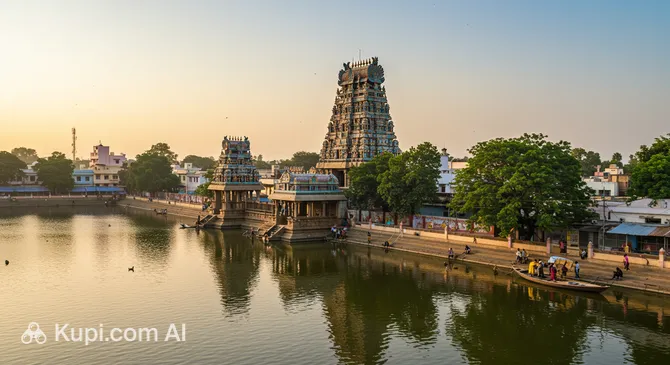
Chengalpattu. Illustration.
Source: Kupi.com AI

The town is famous for its calm and friendly atmosphere. Here, you can feel the true spirit of Tamil Nadu — the hospitality of the locals, the steady pace of life, and bright cultural events make Chengalpattu attractive for travelers seeking authentic experiences. Thanks to its favorable position at the intersection of transport routes, the town serves as an important link between the Bay of Bengal coast and the state's interior.

While Chengalpattu itself may not boast world-famous landmarks, its appeal lies in its authenticity and proximity to renowned tourist gems such as the ancient temple complex of Mahabalipuram and the popular beaches of Chennai. This makes Chengalpattu an excellent starting point for exploring the region.

If you want to discover the real India, filled with colors, the aromas of spices, and unique traditions away from the noise of big cities, then Chengalpattu is definitely worth your attention.

You can find more interesting facts on the Chengalpattu city history page.

Weather Overview

The weather in Chengalpattu is characterized by high temperatures throughout the year. Typical daytime highs often exceed 30°C, reaching 35-36°C in the hottest months like April, May, and June. Even in the cooler period from December to January, minimum temperatures rarely drop below 21°C. Rainfall is unevenly distributed: the greatest amount, accompanied by a significant number of rainy days, occurs in October and November. In contrast, it is usually very dry in Chengalpattu from February to April.

Thus, travelers should expect a hot climate in Chengalpattu with a distinct wet season in the autumn and a drier period in late winter and spring. You will find more detailed information about the weather by month on the Chengalpattu Climate page.

Average monthly temperature

Average monthly precipitation

Interesting Facts

In addition to its obvious attractions, Chengalpattu holds many fascinating stories and little-known details that make it a truly unique place for the curious traveler.

  • Since ancient times, Chengalpattu has been known as an important center for silk production. To this day, you can find workshops and shops on its streets selling exquisite silk products handmade using techniques passed down from generation to generation. Local fabrics are famous for their unsurpassed quality and wealth of colors.

  • Historical chronicles show that the town played a strategically important role, being at the intersection of trade routes between South and North India. This facilitated active cultural exchange, traces of which can still be seen in the architecture and local traditions of Chengalpattu.

  • The town is inextricably linked with the names of many prominent Tamil poets and artists. The beauty of the local landscapes and the unique flavor of city life served as an inexhaustible source of inspiration for them, reflected in their immortal works.

  • Chengalpattu is considered one of the guardians of ancient Tamil customs. This is most vividly manifested during colorful harvest festivals and temple festivals. During these days, the town is transformed: streets are decorated with garlands, and exciting theatrical performances with traditional music and dance unfold in the temples.

How to Get There

Chengalpattu, thanks to its strategic location in the state of Tamil Nadu, has excellent transport accessibility. The town is an important hub connecting the state capital with southern regions, so getting here is not difficult. To plan your route as efficiently as possible, we recommend exploring all ways to get to Chengalpattu, including information about the nearest air hubs and ground transport.

The most convenient way to reach the town for tourists from other countries and distant regions of India is by air. The closest and most significant transport hub is Chennai Airport (IATA: MAA). It is located in Chennai, just 39 km from Chengalpattu. It is a major international airport receiving flights from all over the world. A taxi ride from the airport to the center of Chengalpattu takes about 1 hour, making it an ideal arrival point.

As an alternative, you can consider Tirupati Airport (IATA: TIR), located in the city of Tirumala, about 115 km from Chengalpattu. It is a regional airport convenient for domestic flights. A car journey from here takes about 2.5–3 hours. For those traveling through major hubs, Kempegowda International Airport (IATA: BLR) in Bengaluru is also available. However, it is located significantly further away — 254 km — and the transfer will take about 4–5 hours on the road.

For clarity, here is summary information on the main airports through which you can reach the city:

AirportPassenger trafficDistance
Chennai Airport22 mln39 km
Pondicherry Airport85 00081 km
Tirupati Airport995 640116 km
Salem130 132232 km
Tiruchirapalli International Airport1.8 mln254 km

In addition to air travel, Chengalpattu is known as a major railway junction in South India. Chengalpattu Junction station receives many express and passenger trains traveling from Chennai to the southern districts of the state and back. Suburban "local" trains from Chennai run regularly, providing a budget-friendly and atmospheric way to reach the town. Bus service is also well-developed: the important GST Road national highway passes through the town, ensuring a constant flow of state and private buses.

Main Attractions

Chengalpattu and its surroundings hold a wonderful combination of ancient history and picturesque nature, offering travelers many interesting discoveries. If you are planning a trip to this corner of India, be sure to include several key attractions in your itinerary to help you dive deeper into its atmosphere.

The main historical jewel of the town is undoubtedly the Chengalpattu Fort. These ancient fortifications, built in the 16th century during the time of the powerful Vijayanagara Empire and having seen a succession of many rulers, breathe history. Today, strolling among its ruins, you can not only imagine the former greatness of the fortifications but also enjoy beautiful views of the nearby Kolavai Lake. This place will especially appeal to lovers of history, archaeology, and those looking for atmospheric sites with a rich past.

In the immediate vicinity of the fort lies the scenic Kolavai Lake. It is not just an important source of fresh water for the region, but also a favorite spot for peaceful relaxation. The calm surface of the water, framed by the greenery of the shores, creates ideal conditions for relaxation. Tourists come here to take a leisurely stroll, watch local birds, or simply enjoy the silence away from the city's hustle and bustle. The lake is especially beautiful at sunrise or sunset, when the sun's rays play on the water, creating magical landscapes.

A little away from Chengalpattu, in the town of Thirukalukundram, stands the famous Vedagiriswarar Temple, better known as the Temple of Eagles. This ancient Hindu temple dedicated to Lord Shiva is majestically situated atop a 160-meter hill. It attracts both pilgrims and curious tourists. The path to the temple involves a small climb, which is rewarded not only by the opportunity to visit the shrine but also by breathtaking panoramic views of the surrounding expanses. The temple is famous for its unique Dravidian architecture and an ancient legend about two sacred eagles that, according to tradition, flew here daily for many centuries.

Local Cuisine

The gastronomy of Chengalpattu is a true immersion into the world of vibrant South Indian flavors. Local dishes are based on rice, coconut, and a rich bouquet of aromatic spices, creating unique combinations that every foodie will remember. A journey here promises to be a real feast for your taste buds.

Be sure to start your acquaintance with local culinary arts with traditional dishes. Try the dosa — thin, crispy crepes made from fermented rice and lentils, usually served with spicy chutneys and a hearty sambar soup. No less popular are idli — delicate steamed cakes that perfectly complement spicy gravies. And, of course, you cannot overlook the aromatic biryani, which is prepared here both with chicken and in a vegetarian version, generously seasoned with spices and fresh herbs.

Chengalpattu also has something to offer for those with a sweet tooth. Enjoy the golden spirals of jalebi soaked in sugar syrup, or try the delicate semolina halwa flavored with aromatic cardamom. These traditional desserts are a wonderful way to end a meal.

The food culture in Chengalpattu is very lively and authentic. Locals often prefer to start the day with breakfast in the numerous street cafes, where fresh snacks are prepared right before your eyes. It is also worth visiting the small town markets — this is a great opportunity not only to buy fresh fruit and spices but also to try a variety of traditional snacks. While street food plays an important role here, you will also find restaurants offering a wider selection of dishes in a comfortable setting.

Regarding drinks, refreshing non-alcoholic options are popular in Chengalpattu, as in all of South India. Quench your thirst with freshly squeezed juices, traditional lassi (a yogurt-based drink), or aromatic filter coffee and masala tea. Alcoholic beverages are less common in everyday culture, with the emphasis placed on natural and refreshing flavors.

The gastronomic scene of Chengalpattu is a bright reflection of the rich Tamil culinary tradition. Here, everyone will find something to their liking, from simple street snacks to hearty main courses and exquisite sweets. Sometimes the town hosts food festivals, where local chefs demonstrate their skills, offering guests an even deeper dive into the world of regional tastes and aromas. Visiting Chengalpattu is a great opportunity to discover new facets of Indian cuisine.

Travel Tips

Welcome to Chengalpattu! To ensure your journey to this colorful town in Tamil Nadu goes smoothly and leaves only pleasant impressions, we have prepared some practical tips. They will help you better navigate and enjoy your stay.

  1. Clothing and Essentials: Chengalpattu, like all of Tamil Nadu, has a predominantly hot and humid climate. Choose light, breathable clothing made from natural fabrics (cotton, linen). Don't forget sunscreen, a hat, and sunglasses. For visiting temples and other religious sites, modest clothing covering shoulders and knees is required. Be sure to bring comfortable walking shoes and a universal adapter for electronics (in India, types C, D, and M sockets are used).
  2. Local Transport: The main types of public transport in Chengalpattu are local buses and auto-rickshaws. Auto-rickshaws are convenient for short trips, but always agree on the price in advance or insist on using the meter if there is one. For more comfort, you can use taxi services ordered through the hotel or local taxi-hailing apps, if available. Car rental is an option, but keep in mind that traffic in India is chaotic and can be difficult for an unaccustomed driver; it might be better to hire a car with a driver.
  3. Finance: The official currency is the Indian Rupee (INR). You can exchange currency at banks or authorized exchange offices; avoid street money changers. Credit and debit cards are accepted in large hotels and shops, but it is better to have enough cash for purchases in markets and small establishments. ATMs are quite common. Tipping is not always mandatory but is welcomed: about 10% in restaurants if a service charge is not included, and small amounts for porters and drivers.
  4. Health and Safety: There are pharmacies in Chengalpattu, but not all are open 24/7. It is better to carry basic medications with you. If you need medical help, contact local clinics or hospitals; be sure to take out travel insurance before your trip. Chengalpattu is generally a safe town, but follow standard precautions: watch your belongings in crowded places and avoid walking in poorly lit areas after dark. Drink only bottled water.
  5. Communication: The main language in Tamil Nadu is Tamil. English is common in the tourism sector, spoken by hotel staff and educated youth, but do not expect everyone to speak English. Learn a few simple phrases in Tamil, for example, "Vanakkam" (Hello) and "Nandri" (Thank you); this will be appreciated by the locals. A SIM card from a local operator (e.g., Airtel, Jio) can be purchased by presenting your passport and visa. Wi-Fi is available in most hotels and some cafes.
  6. Local Etiquette: When greeting people, you can use the traditional Indian "Namaste" (palms pressed together at chest level) or the local "Vanakkam." Be polite and patient when communicating. Use your right hand for passing money, food, or other items, as the left hand is considered unclean in many cultures in India. Show respect for local customs and traditions, especially when visiting religious sites.
  7. What to Avoid: Do not take photos of people without their permission, especially women and during religious ceremonies. Avoid public displays of affection, as this is not common in the local culture. Also, do not point at people or sacred objects with your foot, as this is considered extremely disrespectful.
  8. Extra Tip: Chengalpattu is an important railway junction. If you plan to explore the surroundings, such as visiting the ancient temples of Kanchipuram or coastal Mahabalipuram, check the train schedules in advance — it can be a convenient and authentic way to get around.

We hope these tips help you feel more confident and get the most out of your trip to Chengalpattu. We wish you an unforgettable journey!

Entertainment & Nightlife

Evening life in Chengalpattu offers quiet and authentic leisure options rather than the bustling activity of metropolises with many nightclubs. The town maintains a steady pace, which is reflected in the character of evening entertainment. Nevertheless, you can find cozy places to enjoy the evening and the local atmosphere.

Most evening activity in Chengalpattu centers around restaurants offering South Indian and other Indian cuisines. Many of them stay open late, allowing you to enjoy dinner in a relaxed setting. As for specific bars, nightclubs, or other similar venues with extensive evening programs, their selection in a town the size of Chengalpattu may be limited. It is important to note that the provided list of attractions does not include establishments in the "bar," "nightclub," or similar categories that could be recommended for specialized nightlife in this town. Therefore, instead of dedicated "nightlife districts," evening activity is usually scattered. Look for places to dine or have a leisurely evening rest along the main streets, near hotels, and in the areas adjacent to the bus station or railway station, where there is traditionally more activity. The atmosphere in local establishments is usually casual and friendly; a strict dress code is generally absent, and casual clothing is welcomed.

When planning an evening out, aim for the time after 8:00 PM, when restaurants and eateries fill with patrons. Prices in Chengalpattu establishments are generally moderate. To move around during the evening and night, you can use auto-rickshaws or taxis. It is highly recommended to agree on the fare in advance or, if common in the region, use mobile apps to call for transport. In terms of safety, as in any new place, follow standard precautions: choose well-lit streets and, if possible, avoid walking alone late at night. Calling a taxi through your hotel or through a well-known local service may be a more reliable option.

Daytime entertainment in Chengalpattu and its surroundings is more focused on cultural immersion. Although the town may not boast large museums or world-class theaters, the numerous local temples reflecting the rich cultural heritage of the Tamil Nadu region are of significant interest. Visiting colorful local markets will also allow you to experience authentic Indian life. For more active recreation, visiting large amusement parks or specialized entertainment centers might require a trip to larger neighboring cities.

Parks & Museums

Chengalpattu, a city with a rich history in the state of Tamil Nadu, offers its guests not only an immersion into the past but also the opportunity to enjoy natural beauty and get acquainted with local culture. Here, you will find both peaceful green zones and sites that hold centuries-old secrets.

One of the main natural gems in the vicinity of Chengalpattu is Kolavai Lake. This picturesque spot is perfect for quiet walks, birdwatching, and admiring sunsets. Although there may not be large theme parks in the town itself, you can always find small public gardens and green corners where you can enjoy a pleasant break from the city's hustle and bustle and enjoy the fresh air.

The main historical site attracting tourists and serving as a kind of open-air museum is the Chengalpattu Fort. This ancient fortress, built in the 16th century, bears the marks of various eras and reigns. A walk along its walls and preserved ruins allows you to literally touch the history of the region and imagine the events of past centuries. While Chengalpattu may not have large classical museums with collections of exhibits, many of the city's ancient temples, such as the Kodandaramar Temple, are themselves living guardians of culture and history, showcasing magnificent Dravidian architecture and centuries-old religious traditions.

In addition to Chengalpattu Fort, the town and its surroundings are famous for their numerous temples. Visiting places like the aforementioned Kodandaramar Temple or other local shrines provides a deep insight into the spiritual life and cultural traditions of Tamil Nadu. The architecture of these temples, their colorful gopurams (entrance towers), and complex stone carvings will not leave connoisseurs of art and history indifferent.

For a fuller immersion into the authentic atmosphere of Chengalpattu, be sure to stroll through its lively local markets. Here you will find the freshest fruits, fragrant spices, and unique handmade products that will make excellent souvenirs. And, of course, do not miss the chance to try traditional Tamil cuisine in one of the small local restaurants — it will be a real gastronomic adventure and allow you to better understand the culture of the region.

Getting Around

Moving around Chengalpattu and its surroundings can be done in several ways; however, buses and trains form the basis of public transport. The town is an important transport hub, which facilitates travel both within it and to neighboring settlements.

Buses are the most common and affordable form of transport in Chengalpattu. There is an extensive network of routes served by both state and private operators. Buses run throughout the town and connect it with nearby villages and cities. Be prepared for them to be crowded during peak hours.

Railway service plays a key role, as Chengalpattu is a major railway station. Suburban trains (often called "locals") connect the town with Chennai and other settlements in the region. This is a convenient way for longer trips around the area.

The fare system is quite simple. On buses, tickets are usually purchased directly from the conductor for cash. For trips on trains, tickets can be bought at ticket offices at railway stations. It is recommended to have small change for convenience. Specialized tourist passes or unified transport cards for the town are unlikely; payment is most often made for each individual trip.

Tourists should note that public transport usually starts operating early in the morning and ends late in the evening, although the frequency may decrease during night hours. Schedules are not always strictly followed, so it is better to check information with locals or transport workers. For route planning, you can also use online maps, although information for small towns may not always be complete.

As an alternative to public transport, auto-rickshaws (tuk-tuks) are widely used in Chengalpattu. This is a popular and relatively inexpensive way to travel short distances. It is recommended to agree on the cost of an auto-rickshaw ride in advance, before starting the trip. Taxi services are also available and can be ordered by phone or through mobile apps if they are popular in the region. Bicycle rental and car sharing are generally less common in towns of this type.

Accommodation

In the town of Chengalpattu, tourists can find various accommodation options to suit different budgets and preferences. While the choice may not be as wide as in major metropolises, comfortable places to stay are available during your journey through India.

Generally, in Chengalpattu, you can find budget hotels, guesthouses, and perhaps a few mid-range hotel options. Luxury international resorts are less common here; however, local hotels often offer a decent level of service and hospitality. For a more authentic experience, you can consider staying in small, family-run establishments.

When choosing a place to stay, it is worth paying attention to areas located closer to the town center or the main transport hubs. This will provide easy access to local attractions, markets, and dining establishments. Check the hotel's location relative to your plans for moving around and exploring the town.

As for the price range, options in Chengalpattu vary from budget to mid-range in cost. It is recommended to book accommodation in advance, especially if your trip coincides with local festivals or holidays when the demand for lodging may increase. The most common booking methods are popular online platforms and travel aggregators, although in some cases, direct booking via the hotel's website or by phone is also possible.

Nearby Cities

For those who want to explore the surrounding area, Chengalpattu serves as an excellent starting point for day trips to several interesting nearby locations:

CityPopulationDistance
Singaperumalkoil10 6699 km
Kumaravadi10 73511 km
Tirukalukundram23 67712 km
Tirupporur10 95422 km
Walajabad14 32522 km

Among these cities, Kanchipuram and Thirukalukundram deserve special attention. Kanchipuram, known as the "City of a Thousand Temples," attracts pilgrims and history buffs with its ancient shrines and is also famous as a center for the production of magnificent Kanchipuram silk saris. A trip to Thirukalukundram will be interesting for those who want to visit the Vedagiriswarar Temple, located on top of a hill and known for its legend of sacred birds, as well as to enjoy panoramic views of the surroundings.

These nearby destinations provide an insight into the diverse culture and landscapes of the region.

Shopping & Souvenirs

Shopping in Chengalpattu offers tourists an immersion into the atmosphere of a typical South Indian town. Although Chengalpattu is not a major shopping center, you can find many local goods, fresh produce, and everyday items here. The town is close to Kanchipuram, famous for its silk saris, so echoes of this craft can be found here as well. Shopping is mainly concentrated in traditional markets and small shops, offering an authentic experience.

Most commercial activity in Chengalpattu is typically centered along the town's main streets and in the central market area. Take a walk along GST Road (Grand Southern Trunk Road), where you can find a variety of shops, from clothing and electronics to household goods. The streets adjacent to the main temples or the bus station are also often busy shopping spots where locals make their daily purchases.

In Chengalpattu, you are unlikely to find large modern shopping malls typical of metropolises. However, there may be small shopping complexes or department stores in the town where various goods are gathered under one roof. The main focus of shopping here is still on street trade and traditional shops rather than malls.

Markets are the heart of commerce in Chengalpattu. Visit the local town market to experience the true atmosphere of an Indian bazaar. Here you will find rows of fresh vegetables and fruits, aromatic spices, flowers, as well as household goods and inexpensive clothing. Such markets are a great place to observe the daily life of the townspeople and buy fresh local products.

From Chengalpattu and its surroundings, you can bring back several interesting souvenirs. Look for silk items or cotton fabrics inspired by the proximity to Kanchipuram. Traditional South Indian handicrafts, small figurines of deities, incense sticks and oils, and local spices are also popular. Temple shops often sell religious items, which can also make unique souvenirs.

Most shops in Chengalpattu are usually open from 10:00-11:00 AM to 8:00-9:00 PM. Some small shops may close for a lunch break. On Sundays, some shops may work on a reduced schedule or be closed. As for payment, cash (Indian Rupees) is the most common method, especially in markets and small shops. Larger retail outlets may accept bank cards and local digital payment systems (UPI).

The Tax Free system for tourists on most everyday goods is generally not common in India, and specifically in Chengalpattu. This option is more often available for high-value purchases in specialized shops in major tourist centers. It is recommended to check the possibility of a tax refund directly at the store when making significant purchases.

Reached the end of the page?

That means the route is fully explored