Support

Kanchipuram

About

Kanchipuram is a true gem of South India, an ancient city nestled on the banks of the Palar River in the state of Tamil Nadu, about 70 kilometers from Chennai. Its streets, filled with the aroma of spices and the whispers of ancient stories, lead through green rice fields and palm groves. Since ancient times, Kanchipuram has been an important commercial and cultural crossroads of the region, preserving its unique atmosphere to this day.

Today, more than 164,000 people live in Kanchipuram. Considered one of the oldest cities in the country, it was once the capital of the powerful Pallava kingdom. It is now part of the Kanchipuram administrative district, harmoniously combining bustling markets, quiet alleys, and majestic temple complexes, each a world of its own with a unique aura.
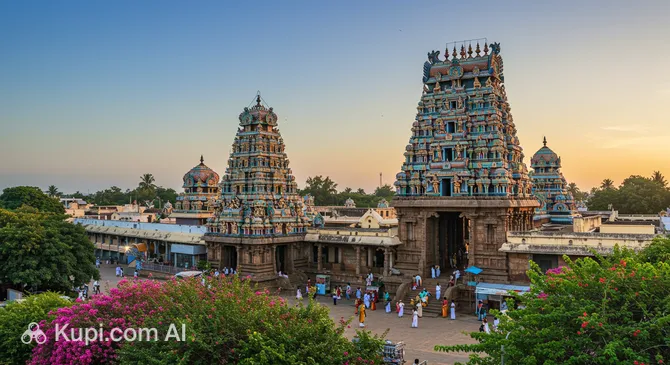
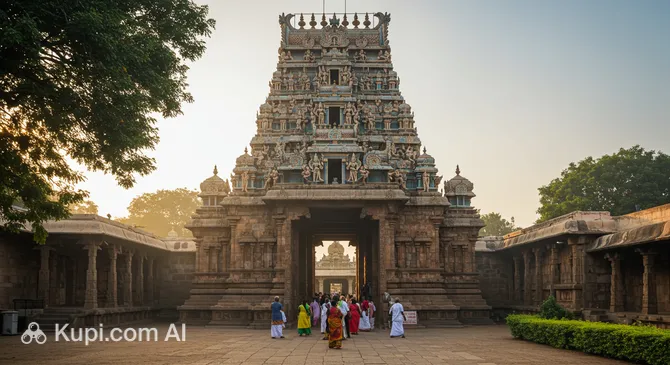
Kanchipuram. Illustration.
Source: Kupi.com AI

Kanchipuram is often called the "City of a Thousand Temples," and this is more than just a beautiful metaphor. Ancient shrines are found at every turn, many of them shrouded in mystical legends and striking in their architecture. The city's atmosphere is both peaceful and inspiring, attracting pilgrims, spiritual seekers, and history buffs. Among the key attractions are unique temples such as the Kailasanathar Temple and the Ekambaranathar Temple, which testify to the city's rich cultural and religious heritage.

A visit to Kanchipuram is an opportunity to touch living history, where every stone holds ancient secrets. It is a place where you can feel the breath of centuries while walking through temple courtyards, admire unique Dravidian architecture, and perhaps catch one of the colorful local festivals. Kanchipuram invites you to discover its unique charm and immerse yourself in a world of ancient traditions.

You can find more interesting facts on the history of Kanchipuram page.
Weather Overview

Kanchipuram experiences a hot climate throughout the year. Average monthly temperatures vary from 24.5°C in January to 32.5°C in May. Rainfall patterns change by season: February, March, and April are the driest months, with almost no rain. The period from June to November brings more precipitation, with October and November being the wettest months with the highest number of rainy days. For more detailed information, please visit the Kanchipuram Climate page.

Average monthly temperature

Average monthly precipitation

Interesting Facts

Beyond its majestic temples and rich history, Kanchipuram holds many surprising details and lesser-known stories that make it even more alluring to curious travelers. Known as the "City of a Thousand Temples," it hides many interesting features behind this nickname.

Varadharaja Perumal Temple. Illustration.
Source: Kupi.com AI

Traveler photos:

  • Kanchipuram is one of the seven sacred cities of India (known as Sapta Puri), where, according to ancient Hindu texts like the Garuda Purana, pilgrims can achieve moksha—liberation from the cycle of rebirth.

  • At the famous Varadharaja Perumal Temple, there is a unique ritual: every 40 years, a wooden idol of the deity Athi Varadar is retrieved from the temple pond. This event attracts millions of pilgrims from all over India and lasts for 48 days, during which the statue is available for darshan (viewing).

  • It is believed that Bodhidharma, the legendary 5th or 6th-century Buddhist monk credited with transmitting Chan (Zen) Buddhism to China, was born in Kanchipuram. This fact highlights the city's ancient role as an important educational and spiritual center.

  • The city is the birthplace of the world-famous Kanchipuram silk sarees. These luxurious handmade items, which can be found at the Kanchipuram Silk Market, are distinguished by their high-quality pure mulberry silk, vibrant colors, intricate patterns, and often, interwoven gold or silver threads (zari). Traditionally, these sarees are an essential part of wedding attire in South India.

How to Get There

Getting to this ancient city of temples is easy, as it boasts excellent transport accessibility. You can find all the details and plan your route by visiting the more about how to get to Kanchipuram page. The primary method of arrival for international tourists and travelers from distant parts of India is by air followed by a taxi or bus ride.

There is no airport in Kanchipuram itself, but the closest and most convenient transportation hub is Chennai Airport (IATA: MAA). It is located in the city of Chennai, just 52.8 km from the center of Kanchipuram. This is a major international airport receiving flights from all over the world. The journey from the terminal to the city by taxi takes about 1.5–2 hours, depending on traffic. This is the most popular route due to its proximity and the large number of flights.

An alternative option is Tirupati Airport (IATA: TIR), located in the city of Tirumala. It is approximately 89.7 km from Kanchipuram. This airport is smaller and serves mainly domestic flights, but it can be convenient if you are traveling within the country. A taxi ride from here takes about 2.5–3 hours.

For convenience, here is a summary of the main airports:

AirportPassenger trafficDistance
Chennai Airport22 mln53 km
Tirupati Airport995 64090 km
Pondicherry Airport85 00097 km
Salem130 132213 km
Kempegowda International Airport41.9 mln220 km

Regarding rail connections, Kanchipuram has its own railway station that connects the city with key transport hubs in the region. The most frequent and convenient trains arrive from Chennai (from Chennai Egmore or Chennai Beach stations) and the Arakkonam junction. Traveling by train is a budget-friendly and colorful way to reach the city, allowing you to enjoy views of the Tamil Nadu countryside. If direct tickets are unavailable, you can travel to the larger Chengalpattu or Arakkonam stations and then take a taxi or local bus to Kanchipuram.

Additionally, Kanchipuram is well-connected by a network of roads. Regular state and private buses run from Chennai, Bangalore, and other cities in the state. The bus station is located in the city center, making this mode of transport very convenient for budget travelers.

Main Attractions

Kanchipuram, known as the "City of a Thousand Temples," offers travelers a unique immersion into the rich history and spirituality of India. This ancient city in the state of Tamil Nadu is famous for its majestic temples with unique Dravidian architecture, as well as its world-renowned silk sarees. Here are just a few attractions you shouldn't miss:

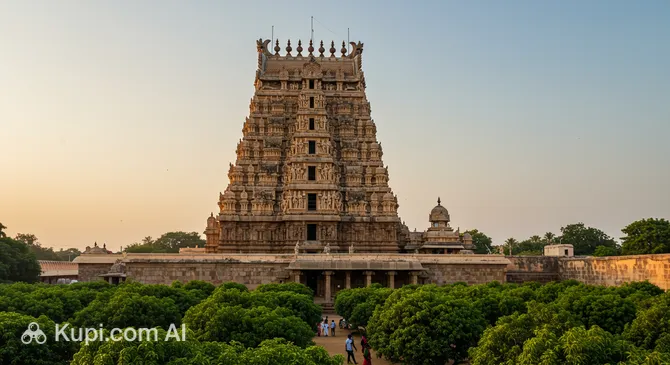
One of the city's main jewels is the Ekambaranathar Temple. This is one of the largest and most revered temples in Kanchipuram, dedicated to Lord Shiva. It is famous for its massive gopuram (entrance tower) and a sacred mango tree said to be over 3,500 years old, which reportedly yields four different varieties of fruit. The temple is one of the five great Shiva temples representing the five elements (Pancha Bhoota Stalam), specifically the element of Earth. Its spiritual atmosphere and architectural grandeur attract pilgrims and tourists from all over the world.

Ekambaranathar Temple. Illustration.
Source: Kupi.com AI

Traveler photos:

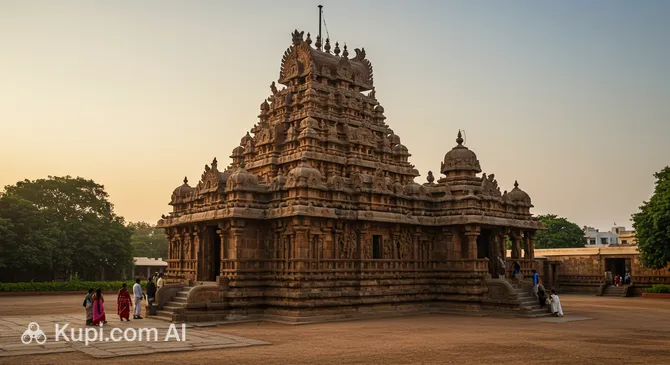
No less impressive is the Kailasanathar Temple, considered the oldest temple in Kanchipuram. Built in the 8th century during the Pallava dynasty, it is dedicated to Lord Shiva. The temple delights with its refined early Dravidian style architecture, numerous sculptures, and bas-reliefs depicting scenes from Hindu mythology. This place is a must-visit for lovers of ancient art and history.

Kailasanathar Temple. Illustration.
Source: Kupi.com AI

Traveler photos:

Another iconic temple is the Varadharaja Perumal Temple. Dedicated to Lord Vishnu, it is among the 108 Divya Desams—holy pilgrimage sites for Vaishnavites. The temple impresses with its size, magnificent sculptures, carved pillars, and the famous hundred-pillared hall. The legends associated with this temple and its architectural majesty make it an important center of spiritual life in Kanchipuram.

Varadharaja Perumal Temple. Illustration.
Source: Kupi.com AI

Traveler photos:

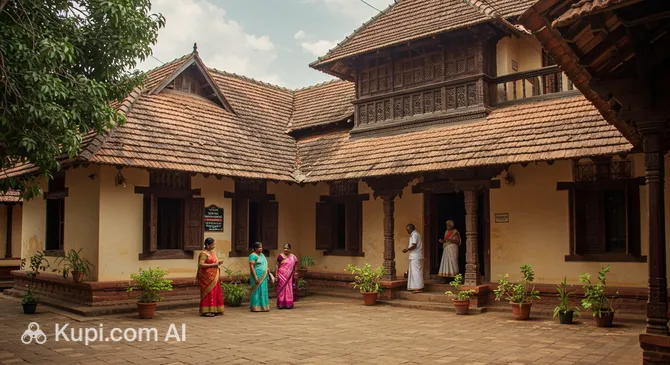
To experience the traditional life and culture of the region, stop by Kanchi Kudil. This is an old house, over 90 years old, carefully preserved and turned into a heritage museum. Here you can see traditional architecture, household items, and furniture, and learn how people lived in Kanchipuram in the past. This cozy place allows for a deeper understanding of the local character.

Kanchi Kudil. Illustration.
Source: Kupi.com AI

Traveler photos:

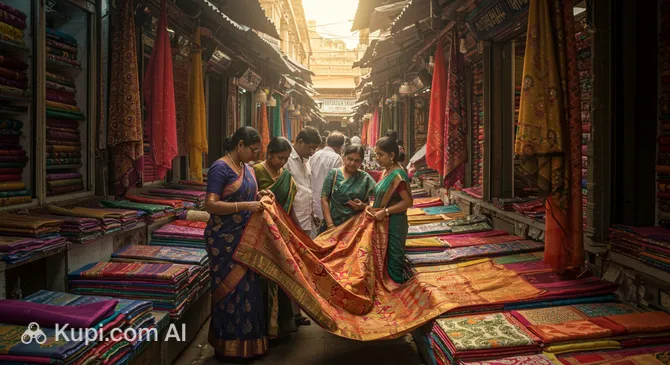
And, of course, a trip to Kanchipuram would be incomplete without getting to know its famous silks. Visit the Kanchipuram Silk Market or one of the many weaving workshops to see the process of creating magnificent Kanchipuram sarees with your own eyes. These products are world-famous for their quality, vibrant colors, intricate patterns, and the use of genuine gold thread (zari). This is a great opportunity to purchase a unique souvenir or a luxurious outfit.

Kanchipuram Silk Market. Illustration.
Source: Kupi.com AI

Traveler photos:

Local Cuisine

The gastronomic world of Kanchipuram is a true discovery for lovers of authentic South Indian cuisine. The air here is literally saturated with the aromas of coconut, fresh spices, and herbs, promising an unforgettable taste experience. The city is famous for its traditional recipes passed down through generations and a special food culture closely linked to spiritual life.

The main gastronomic pride of Kanchipuram is undoubtedly Kanchipuram idli. These are not just steamed rice cakes, but a real delicacy prepared with black pepper, ginger, mustard seeds, and cashews. Often, this dish is served in temples as a sacred offering (prasadam), which emphasizes its special significance. In addition to idli, be sure to try the crispy dosa (thin pancakes made from rice and lentil flour), aromatic sambar (a thick lentil-based vegetable soup with spices), and various chutneys that add zest to every dish. Street food here is also noteworthy—it is fresh, spicy, and very filling.

Among drinks, traditional Indian masala chai, prepared with milk and aromatic spices such as cardamom and ginger, is particularly popular. Refreshing lassi (a yogurt-based drink) and freshly squeezed juices from local fruits will also help quench your thirst. Alcoholic beverages are not part of traditional street gastronomy, but they can be found in some restaurants and specialized stores.

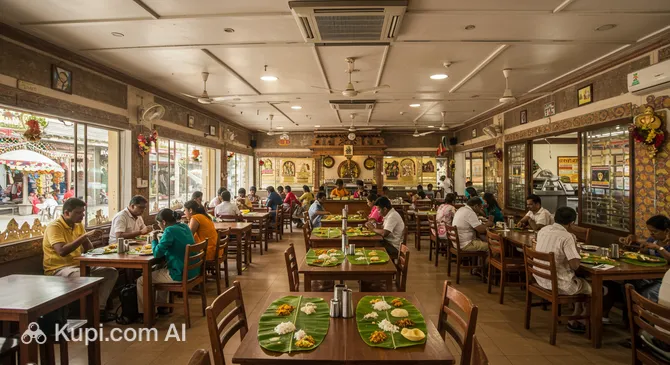
The food culture in Kanchipuram is diverse. Locals often prefer home-cooked meals or simple eateries. Tourists can enjoy meals in numerous restaurants offering both local specialties and dishes from other regions of India. For example, you can visit Sri Nalan Kitchen to appreciate the local cuisine. The markets of Kanchipuram are a separate gastronomic adventure where you can buy fresh fruit, exotic spices, and homemade sweets. Don't miss the opportunity to visit local temple festivals where prasadam is often distributed—it's a unique chance to touch the culture and try authentic dishes, as food here is not just nourishment, but part of a ritual and hospitality.

Shree Nalan Kitchen. Illustration.
Source: Kupi.com AI

Traveler photos:

Kanchipuram's food scene attracts tourists with its authenticity, fresh ingredients, and deep connection to cultural traditions. Here, you don't just eat; you embark on a real culinary journey, discovering the richness of South Indian flavors.

Travel Tips

Welcome to Kanchipuram, one of the seven sacred cities of India, famous for its magnificent temples and silk sarees! To make your journey to this ancient city as comfortable and memorable as possible, we have prepared some practical tips.

  1. Clothing and Essentials: Given Kanchipuram's hot and humid climate, choose light cotton clothing. When visiting numerous temples, a modest dress code is mandatory: shoulders and knees should be covered for both men and women. Don't forget comfortable shoes for long walks through temple complexes, sunscreen, a hat, and mosquito repellent. A universal power adapter may also come in handy.
  2. City Transport: The main mode of transport for tourists in Kanchipuram is auto-rickshaws—agree on the price in advance. Local buses also run but can be very crowded. For more comfort, you can use taxi services ordered through your hotel or check the availability of ride-hailing apps. Renting a car is not recommended due to the specifics of local traffic.
  3. Finances: The local currency is the Indian Rupee (INR). You can exchange currency at banks or authorized exchange offices. Credit and debit cards are accepted in large hotels and shops, but for small purchases, paying rickshaws, and at markets, always carry cash. There are ATMs in the city. Tipping is welcomed for good service, usually 5-10% in restaurants or a small amount for porters and guides.
  4. Health and Safety: There are pharmacies in Kanchipuram, but not all are open 24/7. For serious medical assistance, it is better to contact private clinics or hospitals. The city is generally safe for tourists, but observe standard precautions: watch your belongings, especially in crowded places, and avoid walking in poorly lit areas after dark. Drink only bottled water.
  5. Communication: The official language in the state of Tamil Nadu is Tamil. In tourist areas and hotels, many speak English, especially the younger generation. Learn a few simple phrases in Tamil, such as "Vanakkam" (Hello) and "Nandri" (Thank you); local residents will appreciate it. A SIM card with internet access can be purchased by presenting your passport and visa. Wi-Fi is available in most hotels and some cafes.
  6. Local Etiquette: When entering temples and private homes, always remove your shoes. Use your right hand for eating and for passing money or objects. Show respect for local traditions and customs, especially in religious sites. Photographing people is allowed, but it is better to ask permission, especially from women and clergy.
  7. What to Avoid: Do not point your feet at people, images of deities, or sacred objects—this is considered extremely disrespectful. Also avoid public displays of affection and overly revealing clothing outside tourist zones to avoid offending conservative locals.
  8. Special Tip – Silk and Temples: Kanchipuram is world-renowned for its silk sarees. If you plan a purchase, choose reputable shops to avoid counterfeits. Also, note that many temples have strict working hours and may close for several hours during the day—plan your visits in advance.

We hope these tips help you better prepare for your trip and enjoy every moment of your stay in amazing Kanchipuram, the city of a thousand temples and ancient traditions!

Entertainment & Nightlife

Kanchipuram, known as the "City of a Thousand Temples," offers its guests a predominantly quiet and culturally rich holiday. Evening and nighttime entertainment here is far from the noise of megacities; it focuses on traditional pastimes, cozy dinners, and leisurely strolls, allowing you to soak deeper into the spirit of this ancient city.

If you are looking for wild parties and ultra-modern nightclubs, Kanchipuram may not fully meet those expectations. The city carefully preserves its spiritual way of life, and there are virtually no dedicated nightlife districts with bars and discos. However, this does not mean there is nothing to do in the evening. Most entertainment centers around restaurants where you can enjoy local cuisine and some markets that may stay open late, offering unique goods.

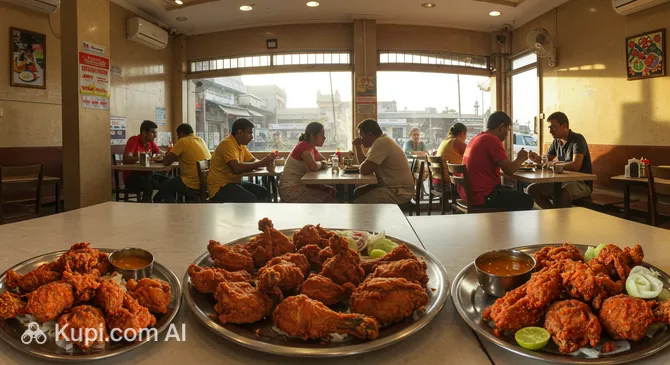
The evening atmosphere in Kanchipuram is conducive to peace. The patrons in establishments are usually locals and pilgrims enjoying a quiet break. Restaurants are typically decorated in a simple and cozy style, and the dress code in most is casual. Excellent choices for dinner include places like the Fried Chicken Restaurant or Sri Nalan Kitchen, serving authentic local and Indian dishes. The best time to visit restaurants is from 7:00 PM to 10:00 PM, as many close relatively early.

Fried Chicken Restaurant. Illustration.
Source: Kupi.com AI

Traveler photos:

To get around the city in the evening, it is convenient to use auto-rickshaws or taxis. It is strongly recommended to agree on the fare in advance to avoid misunderstandings. In general, Kanchipuram is considered a safe city. However, as in any other place, it is worth observing standard precautions, especially after dark and in less busy areas. You can call a taxi through local mobile apps or by asking your hotel staff for help.

During the day, Kanchipuram reveals its main treasures. The city offers a rich cultural program centered on its many ancient temples. Be sure to visit the majestic Ekambaranathar Temple and the architecturally unique Kailasanathar Temple. Enthusiasts of traditional crafts and shopping will find much of interest at the Kanchipuram Silk Market, famous for its high-quality products. And for a closer look at the traditional life of the region, stop by the Kanchi Kudil ethnographic house-museum.

In conclusion, evening in Kanchipuram is a wonderful opportunity to immerse yourself in the calm and authentic atmosphere of a South Indian city. It is a time for enjoying delicious food, slow conversations, and resting after a busy day of sightseeing ancient shrines and cultural monuments. The city is perfect for those who value cultural heritage, tranquility, and genuine local flavor over noisy nightlife.

Parks & Museums

Kanchipuram, known as the "City of a Thousand Temples," offers travelers not only a deep dive into spirituality but also an introduction to its rich cultural heritage. While you won't find extensive urban parks in the conventional sense, green oases and cultural treasures await you in the most unexpected places, allowing you to touch the history and traditions of this ancient city.

Instead of traditional parks, tranquility and connection with nature in Kanchipuram can be found within the grounds of its many temple complexes. For example, the vast courtyards of the Ekambaranathar Temple, home to the legendary ancient mango tree over 3,500 years old, or the peaceful atmosphere surrounding the Kailasanathar Temple, offer visitors quiet corners for reflection amidst magnificent architecture. These spaces, steeped in history and spirituality, serve as the city's unique green zones where one can escape the urban bustle.

One of the most interesting places to learn about local culture is Kanchi Kudil. This charming traditional house, carefully preserved and converted into a museum, provides a glimpse into the life of a Tamil family from the past. Inside, you will see antique furniture, kitchen utensils, art pieces, and religious artifacts that tell the story of the region's daily life and customs. This is a wonderful opportunity to feel the authentic spirit of old Kanchipuram.

Although there aren't many classical museums or art galleries in the European sense in Kanchipuram, the city itself can rightly be considered an open-air museum thanks to its incomparable temple architecture. A special place in the city's cultural life is occupied by its famous silk weaving. A visit to the Kanchipuram Silk Market or specialized weavers' shops and cooperatives allows you not only to purchase world-famous Kanchipuram sarees but often to observe the process of their creation, which is an engaging cultural experience in itself.

Kanchipuram is famous for its ancient temples, each a masterpiece of Dravidian architecture and an important historical monument. Be sure to visit the majestic Kailasanathar Temple, dedicated to Shiva. It is considered one of the oldest in the city, built in the 8th century, and amazes with its exquisite sandstone carvings and unique Pallava-era architecture. Equally impressive is the grand Varadharaja Perumal Temple, dedicated to Vishnu, with its high gopurams (gateway towers) decorated with thousands of sculptures and its famous hall with a hundred carved pillars. These shrines are not just places of worship, but true architectural gems holding centuries of history.

For a deeper immersion into the city's atmosphere, turn off the beaten tourist paths and explore the many smaller, lesser-known temples, each with its own unique story and aura. Also, try to watch local silk weavers at work in their workshops—this is a unique chance to touch the living heritage of Kanchipuram and perhaps purchase an item directly from the master's hands.

Getting Around

Navigating Kanchipuram is quite simple as the city is not very large, and its transport system is adapted to the needs of locals and numerous pilgrims and tourists. The backbone of public transport consists of buses and, of course, the ubiquitous auto-rickshaws.

Buses are the most economical way to get around Kanchipuram and its surroundings. There are both city routes connecting different parts of the city and buses heading to neighboring settlements. Buses belong to the Tamil Nadu State Transport Corporation (TNSTC) as well as private operators. Tickets are purchased directly from the conductor on the bus, and payment is made in cash. Fares are very affordable. Buses run quite frequently during the day, but their numbers may decrease in the evening. Check the schedule locally, especially if you plan trips to the outskirts or out of town.

Auto-rickshaws are the most popular and flexible mode of transport for short and medium distances in Kanchipuram. They are easy to find anywhere in the city. It is important to remember to agree on the fare in advance, before boarding, as most auto-rickshaws are either not equipped with meters or the drivers do not use them. Don't be afraid to haggle for a reasonable price. For convenience, carry small change.

For very short distances, especially in the older parts of the city and around temple complexes, you might see cycle-rickshaws. This is a slower but authentic way to get around, allowing you to enjoy the city's atmosphere. Payment is also negotiable.

Taxis in the classical sense (cars) are less common than auto-rickshaws, but they can be ordered through a hotel or found at special ranks, especially for trips to the airport or other cities. Some ride-hailing apps may work in the region, but it's best to check their availability upon arrival. Renting bicycles or scooters is not a widely available tourist option directly in the city but may be available through some guesthouses.

Practical tips for tourists: Always have cash on hand, preferably in small denominations, for fares. When using auto-rickshaws, always agree on the price before the ride starts. During peak hours, public transport can be crowded. For exploring central temple districts in Kanchipuram, many distances can be covered on foot, which allows for a better immersion in the atmosphere of this ancient city.

Accommodation

In Kanchipuram, tourists will find a variety of accommodation options to suit different budgets and preferences. The city offers everything from modest guesthouses and budget hotels to mid-range hotels with a wider range of services. While luxury resorts are fewer here, comfortable housing is quite accessible.

Most accommodation options are concentrated near the main temple complexes and central streets, providing easy access to the city's top attractions, such as the Ekambaranathar Temple or the Kailasanathar Temple. By choosing accommodation in these areas, you can easily explore the city on foot or via local transport.

Price ranges vary from very budget-friendly options to moderately expensive ones. It is recommended to book your accommodation in advance, especially if your trip coincides with the peak tourist season or during major local festivals, when the demand for hotels increases significantly. For searching and booking, it is convenient to use popular online platforms or, in some cases, contact the hotels directly.

Nearby Cities

For those looking to explore the surrounding areas, Kanchipuram serves as an excellent starting point for day trips to several interesting nearby locations:

CityPopulationDistance
Nattapettai13 3464 km
Sevilimedu21 2854 km
Tenambakkam12 3517 km
Damal8 75513 km
Walajabad14 32514 km

For instance, Chengalpattu attracts travelers with its picturesque Kolavai Lake, historical fortifications, and ancient temples reflecting a rich cultural heritage. Sriperumbudur is an important pilgrimage center as the birthplace of the revered Hindu philosopher Sri Ramanuja, with a temple dedicated to him; the city is also known for the Rajiv Gandhi Memorial.

These nearby destinations provide insight into the region's diverse culture and landscapes. Each of these towns offers its own unique attractions, whether they be ancient temples, historical sites, or natural beauty, making them wonderful additions to your trip to Kanchipuram.

Shopping & Souvenirs

Kanchipuram is a true paradise for silk lovers. The city is world-famous for its magnificent silk sarees, which have been hand-woven here for many centuries. Shopping in Kanchipuram is, above all, an immersion into a world of vibrant colors, intricate patterns, and the highest quality silk products. It is a unique opportunity to purchase authentic goods directly from the producers.

The main center of attraction for shoppers is Gandhi Road and its adjacent alleys. Numerous shops and stalls offering silk sarees for every taste and budget are concentrated here. It is also worth paying attention to the shopping stalls located near the city's main temples, where you can find not only silk but also other traditional goods and souvenirs.

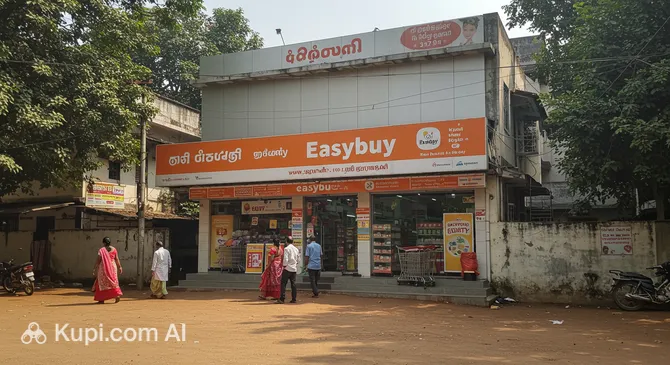
While Kanchipuram is not famous for modern shopping centers in the European sense, the main place for buying silk is undoubtedly the Kanchipuram Silk Market. This is essentially a large specialized complex bringing together many sellers and silk producer cooperatives. Here you can find a huge selection of sarees, from classic designs to modern interpretations. There are also other retail points in the city, such as Easybuy, which offers a wider range of daily consumer goods.

Easybuy. Illustration.
Source: Kupi.com AI

Traveler photos:

The primary souvenir to bring from Kanchipuram is certainly a silk saree. These items are renowned for their quality, durability, and unique patterns, often using gold and silver threads (zari). Silk shawls, scarves, men's dhotis (traditional clothing), and lengths of silk fabric for tailoring are also popular. Besides textiles, consider small copper items, religious artifacts, and figurines related to the city's rich temple culture as souvenirs.

Most shops in Kanchipuram are open daily, usually from 10:00 AM to 9:00 PM. Some small family shops may close for a short lunch break in the middle of the day. Large stores and the Kanchipuram Silk Market generally accept bank cards (Visa, Mastercard). However, in smaller shops and with street vendors, it is preferable to have cash in Indian Rupees. It is recommended to always clarify payment methods before making a purchase.

Tax-free systems for tourists in India are not as widespread or standardized as in some other countries, especially for goods like textiles. For very large purchases, such as expensive silk sarees, you can ask the seller about the possibility of arranging tax refund documents, but it should not be considered a guaranteed option. It is wiser to clarify this matter directly in the store before purchasing.

Reached the end of the page?

That means the route is fully explored