Support

Chidambaram

About

Chidambaram is a true cultural magnet of southern India, nestled in the heart of the state of Tamil Nadu. The city is located about 11 kilometers from the coast of the Bay of Bengal and is surrounded by picturesque rice fields, palm groves, and mangrove forests. With a population of about 62,000 people, Chidambaram retains the atmosphere of a cozy town where ancient traditions are closely interwoven with daily life.
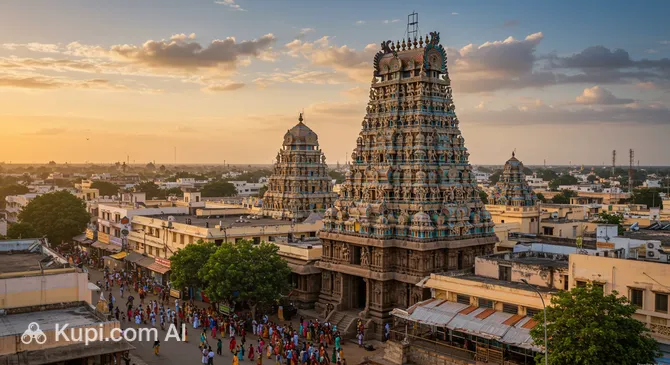
Chidambaram. Illustration.
Source: Kupi.com AI

The main jewel of Chidambaram is undoubtedly the majestic Thillai Nataraja Temple, dedicated to Shiva in his dancing form as Nataraja. This temple, known for its unique architecture and deep spiritual significance, attracts pilgrims and tourists from all over the world. In addition to this grand sanctuary, the city is famous for Annamalai University, one of the oldest and largest private universities in Asia, making Chidambaram an important educational and cultural hub for the region.

Chidambaram seems perfectly designed for immersion in its unique atmosphere: strolling through narrow streets, observing colorful rituals, listening to the music of temple bells, and breathing in the scents of sandalwood and jasmine. This is a place where time slows down, allowing every guest to feel a special energy and peace. If you are looking for more than just beautiful views, but deep cultural and spiritual experiences, Chidambaram will be a true discovery for you and will provide unforgettable memories.

You can find more interesting facts on the history of Chidambaram page.
Weather Overview

Chidambaram has a tropical climate characterized by high temperatures throughout the year and a pronounced rainy season. The average annual temperature ranges from 25.2°C in January to 31.8°C in May. The hottest months are April, May, and June, when maximum temperatures can reach 35-36°C. The highest rainfall occurs from October to December, with November being the wettest month (11 mm of precipitation and 24 rainy days). The driest months are February and March, with minimal rainfall. Expect hot weather year-round, with the highest temperatures from April to June and a rainy season from October to December when the most precipitation falls.

To get more detailed information on weather conditions, including forecasts for the coming days, you can visit the Climate of Chidambaram page.

Average monthly temperature

Average monthly precipitation

Interesting Facts

In addition to its widely known shrines, Chidambaram holds many amazing stories and unique features. Here are just a few that make this city truly one-of-a-kind:

Chidambaram Nataraja Temple. Illustration.
Source: Kupi.com AI

Traveler photos:

  • Chidambaram is widely known as the "City of Nataraja" — the dancing Shiva. Its main Nataraja Temple is considered one of the five sacred temples in India symbolizing the five elements of the universe. Legend has it that it was here that Shiva performed his cosmic dance, Ananda Tandava, which grants liberation.

  • In the Nataraja Temple, the ancient caste of Dikshitars still serves — hereditary priests who have conducted temple rituals for many centuries, preserving unique traditions and rites.

  • Every year, Chidambaram becomes a center of attraction for enthusiasts of classical Indian Bharatanatyam dance. Dancers from all over the country gather here to perform on the sacred stage before the statue of Nataraja during grand festivals.

  • Not far from the city is a unique natural site — the Pichavaram mangrove forest, one of the largest in India. This reserve is famous for its intricate water channels and rich variety of birds, attracting nature lovers and eco-tourists.

How to Get There

When planning a trip to the ancient temples and cultural monuments of this region, it is important to consider logistics in advance. Chidambaram has decent transport accessibility, although it lacks its own air hub. You can find all the details and alternative routes on the page detailing how to get to Chidambaram.

There is no airport in the city of Chidambaram itself, so travelers usually fly to neighboring major cities. One of the most convenient options is Tiruchirappalli International Airport (IATA: TRZ), located in the city of Tiruchirappalli. It is approximately 129 km from Chidambaram. The journey by taxi or bus takes about 3–3.5 hours. This is a regional airport with moderate passenger traffic, receiving flights from several foreign countries and Indian cities.

For those looking for more flight options, Chennai Airport (IATA: MAA) is an excellent choice. It is located in the city of Chennai, about 182 km from Chidambaram. This is a major international hub with huge passenger traffic, receiving flights from all over the world. The trip from Chennai airport to Chidambaram by taxi takes approximately 4.5–5 hours, and direct bus or rail connections are also available.

For clarity, here is summary information on the main airports located relatively near the city:

AirportPassenger trafficDistance
Pondicherry Airport85 00063 km
Tiruchirapalli International Airport1.8 mln129 km
Salem130 132182 km
Chennai Airport22 mln182 km
Kankesanturai40 000183 km

Rail travel is another popular and budget-friendly way to reach the city. Chidambaram has its own railway station (station code: CDM) located in the center, which is an important hub on the southern line. Trains arrive regularly from Chennai (journey time about 4–5 hours), Tiruchirappalli, Madurai, and other major cities in Tamil Nadu. Traveling by train allows you to enjoy scenic views of rural India and avoid traffic jams.

Main Attractions

Chidambaram, an ancient city in the state of Tamil Nadu, attracts travelers primarily with its spiritual atmosphere and unique cultural sites. Among them, the majestic temple stands out, as well as places where you can get acquainted with authentic local cuisine.

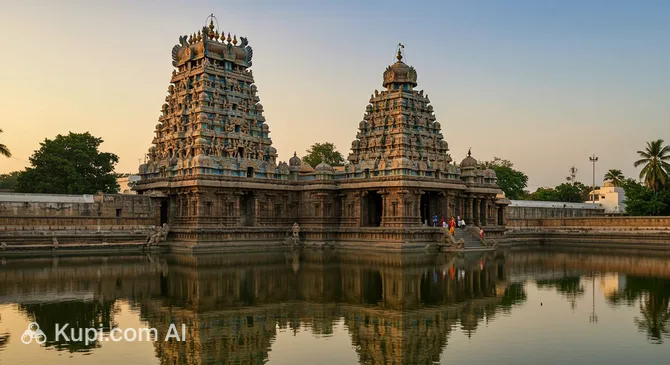
The central attraction of Chidambaram is the Nataraja Temple in Chidambaram. This grand temple complex is dedicated to Lord Shiva in his manifestation as Nataraja — the cosmic dancer. Tourists are fascinated by its impressive gopurams (gateway towers) decorated with intricate carvings, inner sanctums, and sacred tanks. The temple is not only an architectural masterpiece but also an important pilgrimage center where ancient rituals are performed daily, immersing visitors in the atmosphere of Hindu traditions.

Chidambaram Nataraja Temple. Illustration.
Source: Kupi.com AI

Traveler photos:

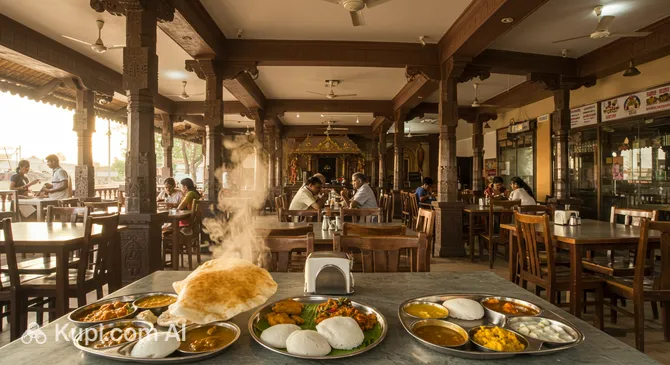
To round out your experience of the city, it is worth visiting local establishments. For example, Sri Krishna Vilas restaurant offers guests a chance to taste classic South Indian dishes. It is an excellent place to experience the region's gastronomic traditions in an authentic setting.

Sri Krishna Vilas. Illustration.
Source: Kupi.com AI

Traveler photos:

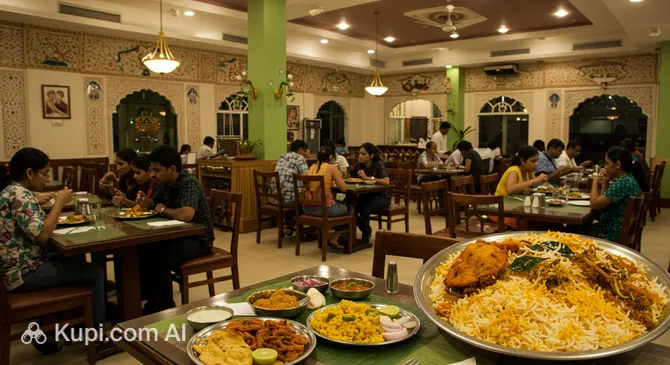
Fans of aromatic and hearty biryani will enjoy Asif Biriyani, Chidambaram. This establishment specializes in preparing one of India's most popular dishes, offering it in various versions. Visiting such places allows for a deeper dive into the culture of Chidambaram through its flavors.

Aasife Biryani, Chidambaram. Illustration.
Source: Kupi.com AI

Traveler photos:

Local Cuisine

The cuisine of Chidambaram is a true immersion into the gastronomic traditions of Tamil Nadu, known for its rich use of spices, fresh vegetables, and rice. One of the striking features of the local food culture is serving dishes on banana leaves, which adds a special touch to the meal. If you want to experience authentic cuisine, be sure to try the traditional "saapadu" — a full meal consisting of rice, several types of curry, vegetable stews, sambar (thick lentil soup with vegetables), and rasam (spicy broth), often accompanied by crispy appalam crackers.

Among the dishes that are a must-try in Chidambaram are dosa — thin, crispy pancakes made from rice and lentil flour served with various fillings and sauces, and idli — fluffy steamed rice cakes, perfect for breakfast. Also popular are vada — savory fritters made from bean flour. These dishes are often served with a variety of chutneys, especially coconut and mint. For dessert, locals love laddu, jangri, and paal payasam — a delicate milk pudding with rice and nuts.

Street food in Chidambaram offers an equally diverse range of flavors. On busy streets and markets, you can find fresh samosas, crispy banana chips, and spicy nuts. Popular drinks include refreshing lime juice and coconut water. Local markets are also full of exotic fruits and fresh spices, which make excellent gastronomic souvenirs. Locals and tourists often dine both in small eateries and in restaurants offering traditional Tamil dishes. One such place to appreciate the local cuisine is Sri Krishna Vilas.

The gastronomic scene of Chidambaram is closely linked to its spiritual life. During numerous temple festivals, the city is filled with the aromas of freshly prepared food, and locals happily share treats prepared according to ancient recipes. For tourists, this is a unique opportunity not just to eat, but to touch a culture where every meal is a small ritual and a celebration of taste. A visit to Chidambaram will surely leave bright culinary impressions thanks to the authentic dishes and the hospitality of the local residents.

Travel Tips

Planning a trip to Chidambaram, one of the oldest and most sacred cities in India? To ensure your journey goes smoothly and leaves only pleasant impressions, we have prepared some practical tips.

  1. Clothing and Essentials: Chidambaram has a tropical climate, so choose light, breathable clothing made from natural fabrics. When visiting temples, especially the famous Nataraja Temple, modest clothing is mandatory: both men and women should cover their shoulders and knees (long skirts, trousers, sarees, shirts with sleeves). Bring comfortable shoes for long walks, sunscreen, a hat, and mosquito repellent. Don't forget a universal adapter for electronics (Type C, D, and M sockets are used in India).
  2. City Transport: Getting around Chidambaram is most convenient by auto-rickshaws – they are the most common and affordable form of transport. Be sure to agree on the price before the trip starts. Taxis are also available but fewer. Public buses run but can be overcrowded and not always convenient for tourists. Car rental is possible, but driving in India requires experience and adaptation to the local style of traffic.
  3. Financial Matters: The local currency is the Indian Rupee (INR). You can exchange money at banks or authorized exchange offices. Credit cards are accepted in large hotels and some shops, but for daily expenses, markets, and small establishments, it's better to carry cash. ATMs are available, but you should check with your bank in advance about withdrawal conditions and possible fees. An approximate daily budget (excluding accommodation) can vary from 1,500 to 3,000 rupees depending on your preferences. Tipping is welcome in restaurants (5-10%) and for small services.
  4. Health and Safety: There are pharmacies in Chidambaram, but not all are open 24/7. It is recommended to carry a basic first aid kit. If you need medical assistance, contact local clinics or hospitals; check with your insurance company for a list of accredited institutions. Drink only bottled water. Generally, Chidambaram is a fairly safe city, but follow standard precautions: watch your belongings, especially in crowded places, and avoid walking alone in poorly lit areas late at night.
  5. Communication and Connectivity: The official language in Tamil Nadu is Tamil. In tourist areas and hotels, many speak English, but knowing a few phrases in Tamil (e.g., "Vanakkam" – hello/welcome, "Nandri" – thank you) will be very warmly received by locals. You can purchase a local SIM card at mobile shops by presenting your passport and visa. Wi-Fi is available in most hotels and some cafes.
  6. Local Etiquette and Traditions: Indians greatly appreciate respect for their culture. It is customary to remove shoes when entering temples and homes. Use your right hand for eating, passing money, and items. Show respect to elders. It's best to photograph people, especially women and inside temples, after obtaining their permission.
  7. What to Avoid: Try to avoid excessive public displays of affection. Do not point your feet at people or religious symbols, as this is considered offensive. Also, avoid overly revealing or provocative clothing, especially when visiting religious sites.
  8. Special Tip – Nataraja Temple: Chidambaram's main gem is undoubtedly the grand Nataraja Temple. Try to visit it not only for the architecture but also to witness one of the daily poojas (ceremonies). This is a unique spiritual experience that will allow you to deeper feel the atmosphere of this holy place. Check the ritual schedule in advance.

We hope these tips help you better prepare for your journey to amazing Chidambaram and enjoy its unique atmosphere and rich cultural heritage. Have a great trip!

Entertainment & Nightlife

Chidambaram, primarily known for its majestic Nataraja Temple, offers visitors a quiet and culturally rich evening leisure experience that differs from the bustling nightlife of large cities. You won't find an abundance of nightclubs and bars here in the traditional sense, but you can enjoy the special atmosphere of this ancient city after sunset.

The main form of evening entertainment in Chidambaram is visiting local restaurants where you can taste authentic South Indian dishes. Many establishments are open until late evening, offering a cozy setting for dinner. For example, you can visit Sri Krishna Vilas, known for its traditional cuisine, or try aromatic biryani at Asif Biriyani, Chidambaram. The atmosphere in such places is usually calm and conducive to a leisurely meal, often frequented by families and pilgrims. The dress code is generally casual, but modest clothing is always appropriate when visiting places near temples.

The area around the Nataraja Temple gives evening Chidambaram a special charm. After the midday heat subsides, it becomes livelier: local residents and pilgrims take evening walks, and small shops may offer flowers, religious items, souvenirs, or local sweets. While it is not a "nightlife district" with bars and discos, it is a wonderful opportunity to feel the peaceful spirit of the city and observe its unhurried rhythm.

To get around the city in the evening, it is convenient to use auto-rickshaws. It is recommended to always agree on the fare in advance, as meters are not always used. Overall, Chidambaram is considered a fairly safe city, but as in any other place, standard precautions should be followed: avoid poorly lit and deserted streets late at night, especially if traveling alone. You can usually hail a taxi or auto-rickshaw on the street or ask for assistance at your hotel.

During the day, Chidambaram offers tourists first and foremost an introduction to its many shrines. The main attraction is certainly the majestic Nataraja Temple in Chidambaram, dedicated to Lord Shiva in his cosmic dance. This grand complex attracts pilgrims and connoisseurs of Dravidian architecture from all over the world. Other daytime activities might include strolling through the colorful streets of the city and getting to know local life. Specialized museums or large amusement parks are not the main tourist draw here, giving way to spiritual and cultural heritage.

Parks & Museums

Chidambaram, known for its ancient temples, offers visitors a unique combination of spiritual heritage and cultural discoveries. While the city may not boast extensive urban parks in the traditional sense, its green corners and cultural treasures are closely intertwined with its famous shrines.

Instead of formal parks, peace and natural beauty in Chidambaram can be found within the temple complex grounds, which often feature well-kept gardens and sacred groves, creating a tranquil atmosphere for reflection. For those seeking more extensive natural landscapes, consider a trip to the nearby Pichavaram Mangrove Forest – a unique ecosystem offering boat rides through scenic backwaters and channels. It is one of the largest mangrove forests in India, and a visit there is sure to leave an unforgettable impression.

The main cultural and historical center of Chidambaram is certainly the majestic Nataraja Temple in Chidambaram. This vast complex is a living museum in its own right, dedicated to Lord Shiva in his dancing form of Nataraja. Inside the temple, you can see thousands of sculptures, bas-reliefs, and murals telling mythological stories and demonstrating the high craftsmanship of ancient artisans. The temple architecture, with its tall gopurams (entrance towers) decorated with colorful sculptures, is an outstanding example of the Dravidian style. Exploring its many halls and sanctuaries is an immersion into the history and art of the region. While there are few large separate museums in the city, the temple itself and its artifacts serve as the primary source of knowledge about the culture and history of Chidambaram.

For a deeper immersion into the city's atmosphere, stroll through the lively streets around the temple, where you can find local markets offering flowers, religious items, and handmade crafts. Observing the daily rituals and ceremonies at the temple will also provide an authentic experience and a better understanding of Chidambaram's spiritual life.

Getting Around

Getting around Chidambaram and its surroundings is fairly easy using the local public transport system. The transport network is based on buses and the ubiquitous auto-rickshaws, which are an integral part of the city's daily life.

Buses are the most common and economical way to travel medium and long distances within Chidambaram and for trips to nearby towns. There are both government and private bus routes connecting various parts of the city and its suburbs. Fares are usually paid in cash to the conductor directly on the bus. Ticket prices are very affordable, but be prepared for buses to be overcrowded during peak hours. Schedules can be flexible, so it is better to rely on the frequency of the desired route.

Auto-rickshaws (often called tuk-tuks) are a popular and flexible mode of transport for short trips around the city. They are easy to find almost anywhere in Chidambaram. It is important to remember to agree on the fare with the driver in advance, before starting the journey, as meters, if present, are not always used. Payment is made in cash to the driver upon arrival. Auto-rickshaws are convenient for reaching a specific address where a bus may not always be able to go.

In addition to buses and auto-rickshaws, for very short distances or walks in the city center, you can get around on foot. In some areas, you can still find cycle rickshaws offering leisurely rides. Taxis in the traditional sense are less common than auto-rickshaws, and their services can cost more. Specialized taxi-hailing or car-sharing apps characteristic of large metropolises may not exist in Chidambaram or may not be as popular.

Practical tips for tourists: It is recommended to always carry small denominations for fares, as drivers or conductors may not always have change for large banknotes. Public transport usually operates most intensively during the day, from early morning until late evening, but the frequency of trips may decrease during night hours. Check with locals or your hotel for up-to-date information on routes and how to get to your places of interest.

Accommodation

When planning a trip to Chidambaram, you will find a variety of accommodation options to suit different preferences and budgets. Although the city is primarily known for its temples and pilgrimage routes, you can find comfortable housing for your stay here.

In Chidambaram, budget and mid-range options are mainly available to tourists. These include guest houses, simple hotels, and lodges offering basic amenities. Luxury resorts are few here, with the main focus on functional and affordable housing. Short-term rental apartments are less common but can be searched for on specialized platforms.

Most tourists prefer to stay in areas located in close proximity to the main attractions, especially the famous Nataraja Temple. Staying here provides easy access to the temple complexes and allows for a deeper immersion into the city's atmosphere. Areas near the bus station can also be convenient for those planning trips to the surrounding areas.

The price range for accommodation in Chidambaram varies from very budget to mid-range. You can book a hotel or guest house through popular online booking platforms or directly by contacting the management of the chosen place. Some travelers also use the services of local travel agencies.

Booking Tip: If your trip coincides with major festivals or the peak pilgrimage season, it is highly recommended to book your accommodation in advance. During such periods, the demand for rooms increases significantly, and the best options can be quickly sold out.

Nearby Cities

For those looking to explore the surrounding area, Chidambaram serves as an excellent starting point for day trips to several interesting nearby locations:

CityPopulationDistance
Annamalainagar13 2813 km
Mel Bhuvanagiri26 2406 km
Killai13 06611 km
Pudupattinam9 58416 km
Sirkazhi34 92719 km

For example, Cuddalore, located on the coast of the Bay of Bengal, attracts visitors with its long Silver Beach, ideal for walks, and the historic Fort St. David, a witness to colonial times. The city also houses the revered Pataleeswarar Temple. Another interesting option is a trip to Vriddhachalam, which is famous for its ancient and majestic Vriddhagiriswarar Temple. This temple, dedicated to Shiva, is an important pilgrimage center and is striking with its Dravidian architecture and tall gopurams.

These nearby destinations provide an insight into the diverse culture and landscapes of the region. A trip to any of these cities can be an interesting addition to your visit to Chidambaram, offering new experiences and discoveries.

Shopping & Souvenirs

Shopping in Chidambaram is a fascinating immersion into the world of traditional Indian trade, far removed from the hustle and bustle of modern malls. The city is known for products deeply connected to its rich cultural and religious heritage, particularly the worship of Lord Shiva Nataraja. Here you will find authentic souvenirs, vibrant textiles, and religious items.

The main shopping stalls and numerous shops are concentrated on the streets surrounding the city's primary sanctuary — the Nataraja Temple in Chidambaram. These streets are known as the "Car Streets" (East Car Street, South Car Street, West Car Street, and North Car Street). Strolling along them, you will discover many shops offering religious paraphernalia, images of deities, books, incense, as well as traditional clothing and unique jewelry.

Chidambaram Nataraja Temple. Illustration.
Source: Kupi.com AI

Traveler photos:

You are unlikely to find large modern shopping centers that residents of megacities are used to in Chidambaram. Shopping here retains its local and traditional character, primarily oriented towards pilgrims and tourists deeply interested in Indian culture.

The city's local markets are buzzing with life, where you can buy the freshest fruits, vegetables, fragrant flowers (especially for temple offerings), and various daily goods. Visiting such a market is a great opportunity to observe the daily life of the townspeople and fully experience the unique local flavor. There are few specialized tourist or flea markets here; the main emphasis is on goods for the needs of the local population and numerous pilgrims.

As memorable souvenirs from Chidambaram, travelers often choose:

  • Bronze or wooden figurines of Lord Nataraja – the revered symbol of the city.
  • Pooja items (religious rituals): fragrant incense, camphor, sacred ash (vibhuti), kumkum.
  • Traditional South Indian silk or cotton sarees and other national clothing.
  • Small musical instruments used during religious ceremonies.
  • Crafts by skilled local artisans, such as exquisite carved boxes or ethnic-style jewelry.

Most shops in Chidambaram typically open around 9:00-10:00 AM and work until 8:00-9:00 PM. Some small shops may have a lunch break. In the markets, trade comes alive much earlier. The main means of payment, especially in small shops and market stalls, remains cash (Indian Rupees). Some larger establishments and hotels may accept bank cards; it's also worth remembering that the UPI mobile payment system is widely used in India.

The possibility of a tax refund (Tax Free) for tourists in Chidambaram on most purchases is unlikely. This system generally applies to high-value goods purchased in specialized stores in large cities or international airports. When buying valuable items, it is recommended to clarify this issue directly with the seller, but you should not rely heavily on it.

Nearby cities

Reached the end of the page?

That means the route is fully explored