Support

Chittaurgarh

About

Chittorgarh is not just a city but a true legend, spread across the majestic hills of Rajasthan, in the heart of historical India. Located about a two-hour drive from Udaipur, it welcomes travelers with an atmosphere where antiquity literally hangs in the air. This city, with a population of about 116,000 people, is an important administrative center of the district, harmoniously combining the steady pace of local life, colorful markets, and impressive architectural monuments.
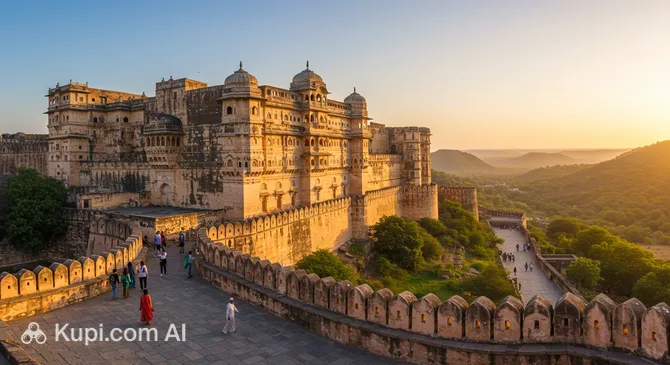
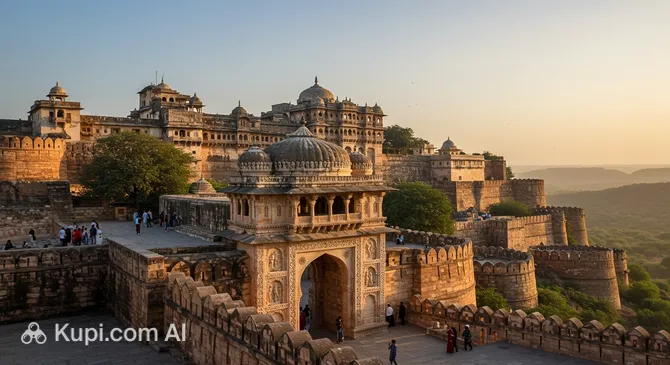
Chittaurgarh. Illustration.
Source: Kupi.com AI

The crown jewel of Chittorgarh is undoubtedly its famous Fort — a monumental structure listed as a UNESCO World Heritage Site. This grand fortress, one of the largest in India, holds stories of valor, sieges, and sacrifice. Beyond the fort, the city attracts tourists with majestic towers such as Vijay Stambha (Tower of Victory) and Kirti Stambha (Tower of Fame), as well as ancient temples, each possessing its own unique aura and architecture.

Chittorgarh is a place where you can touch the true spirit of Rajasthan, feel the greatness of the past, and discover unique traditions. If you are looking for more than just sights, but for authentic impressions and immersion in history, a journey to Chittorgarh will be an unforgettable experience.

You can find more interesting facts on the history of Chittorgarh page.
Weather Overview

The climate in Chittorgarh is characterized by significant seasonal variations in temperature and precipitation. Expect hot summers with monsoon rains and cool, dry winters. The hottest months are April and May, when average temperatures exceed 30°C, and maximums can reach nearly 40°C. From June to September, the rainy season arrives, bringing the bulk of the precipitation, especially in July and August, when the number of rainy days reaches 20-22 per month.

Winter, from December to February, is quite mild, with average temperatures around 16-20°C and minimum night temperatures dropping to 9-12°C. During this period, precipitation is practically non-existent. The spring (March-April) and autumn (October-November) months are transitional, with gradual increases or decreases in temperature and predominantly dry weather. You can find more details about the Chittorgarh climate on our dedicated page.

Average monthly temperature

Average monthly precipitation

Interesting Facts

In addition to its majestic monuments, Chittorgarh is shrouded in many amazing stories and little-known details that make it a truly unique place. Ready to learn some of them?

Kalika Mata Temple. Illustration.
Source: Kupi.com AI

Traveler photos:

  • The city's main pride, Chittorgarh Fort, is not just the largest fortification in India (its area is an impressive 280 hectares!), but practically an entire city on a hilltop. It once served as the capital of the powerful Sisodia Rajput clan and became a symbol of their unconquered spirit.

  • Chittorgarh went down in history due to tragic and at the same time heroic events known as "jauhar." Several times in its history, during brutal sieges, the women and children of the fort committed mass ritual self-immolation to avoid captivity and dishonor. These acts of sacrifice made the city a symbol of incredible honor and devotion.

  • The city is considered a sacred place and a center for the veneration of the goddess Kalika Mata. The ancient Kalika Mata Temple, located within the fort, still attracts many pilgrims from all over India, and locals sacredly observe the centuries-old traditions and festivals associated with it.

  • Access to the grandiose Chittorgarh Fort is gained through seven successive monumental gates, known as "Pols." Each of these gates has its own history and architectural features, testifying to the former greatness and the well-thought-out defense system of the citadel.

How to Get There

The city of Chittorgarh, located in the picturesque state of Rajasthan, can be reached in several ways. Since Chittorgarh itself does not have its own airport, the most common option for tourists, especially those arriving from afar, is a flight to one of the nearest major airports followed by a ground transfer. Additionally, Chittorgarh is connected to other cities in India by rail and bus routes, which also provides alternative ways to travel.

The closest airport to Chittorgarh is Maharana Pratap Airport (IATA: UDR), located in the city of Udaipur, about 79 km to the southwest. This medium-sized regional airport primarily serves domestic flights. A trip by taxi or rental car from Udaipur airport to Chittorgarh usually takes about 2 hours 20 minutes, making it a convenient arrival point for exploring this historic region.

For travelers arriving on international flights, one of the main options could be Jaipur International Airport (IATA: JAI). This is a major international airport located in the capital of Rajasthan, Jaipur, at a distance of about 246 km northeast of Chittorgarh. Despite the significant distance, it offers a large selection of international and domestic destinations. The journey by car from Jaipur to Chittorgarh will take approximately 6 hours 30 minutes.

Another major airport to consider is Devi Ahilya Bai Holkar Airport (IATA: IDR) in the city of Indore. It is located about 268 km southeast of Chittorgarh and also serves many domestic flights. Traveling by car from Indore airport to Chittorgarh can take about 7 hours.

For clarity, here is summary information on the main airports through which you can reach Chittorgarh:

AirportPassenger trafficDistance
Maharana Pratap Airport1.8 mln79 km
Kishangarh86 361190 km
Jodhpur Airport1.1 mln219 km
Jaipur Airport6.2 mln246 km
Devi Ahilya Bai Holkar Airport3.9 mln268 km

Main Attractions

Chittorgarh, a city with a rich and heroic history, is famous for its majestic forts, palaces, and temples, each telling its own unique legend. Visiting these places allows you to touch the centuries-old heritage of Rajasthan.

The main gem of the city is undoubtedly the Chittorgarh Fort. It is one of the largest forts in India, spread over a high hill and preserving within its walls the memory of numerous sieges, the valor of Rajput warriors, and the sacrifice of their women. Inside the fort is a whole complex of palaces, temples, towers, and water bodies, the exploration of which can take an entire day. This place is a must-visit for everyone interested in the history and architecture of India.

Chittorgarh Fort. Illustration.
Source: Kupi.com AI

Traveler photos:

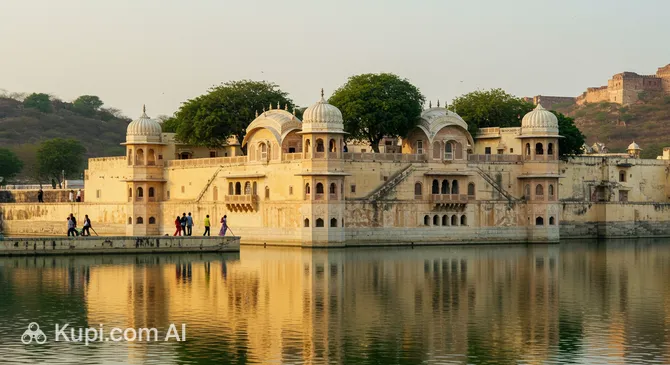
A special place among the fort's attractions is occupied by Rani Padmini's Palace. This elegant palace, located by the water, is shrouded in legends about the beautiful Queen Padmini, whose beauty was the reason for one of Chittorgarh's most famous sieges. The palace attracts tourists with its romantic history and picturesque location, offering a glimpse into the elegance of Rajput architecture.

Rani Padmini Palace. Illustration.
Source: Kupi.com AI

Traveler photos:

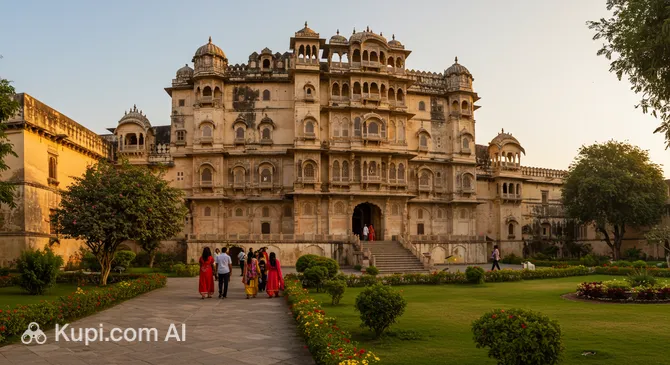
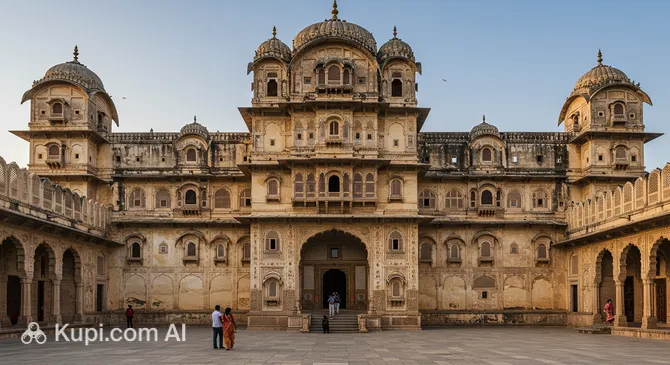
No less interesting is the Fateh Prakash Palace, built by Maharaja Fateh Singh. Originally serving as a residence, today part of the palace has been converted into a museum where you can see a collection of weapons, art objects, and household items reflecting the rich culture of the region. The palace is a fine example of early 20th-century architecture and allows for a better understanding of the life of the rulers of Mewar.

Fateh Prakash Palace. Illustration.
Source: Kupi.com AI

Traveler photos:

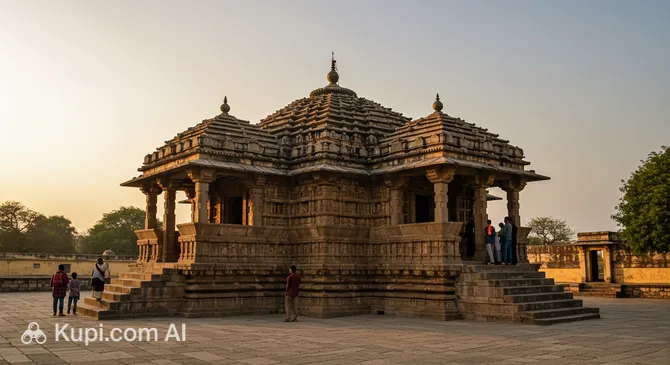
Among the religious shrines, the Kalika Mata Temple stands out. Originally dedicated to the Sun God Surya in the 8th century, it was later rebuilt and dedicated to the Goddess Kali. This ancient temple attracts pilgrims and tourists with its impressive architecture, carved columns, and special atmosphere. Visiting the temple provides an opportunity to get acquainted with the religious traditions of the region and see the skillful work of ancient masters.

Kalika Mata Temple. Illustration.
Source: Kupi.com AI

Traveler photos:

It is also worth paying attention to the Meera Temple, dedicated to the poetess and Krishna devotee — Meera Bai. This Indo-Aryan style temple is decorated with exquisite carvings and is connected with the life of this revered saint. It is an important pilgrimage site and attracts visitors with its spiritual atmosphere and beautiful architecture.

Local Cuisine

The cuisine of Chittorgarh is a bright reflection of Rajasthani culinary traditions, specifically the heritage of the Mewar Rajputs. Travelers can expect rich flavors, aromatic spices, and dishes prepared with soul. A gastronomic introduction to the city promises to be an unforgettable experience full of discoveries.

Be sure to try Dal Baati Churma — the iconic dish of the region. This is a hearty combination of aromatic lentil soup (dal), wheat dough balls baked to a crispy crust (baati), and sweet crushed wheat (churma). On the city streets, you will be tempted by the aromas of spicy samosas and hearty kati rolls with various fillings. For dessert, do not deny yourself the pleasure of tasting local sweets such as mava kachori (a pastry filled with evaporated milk and nuts) or gulab jamun (milk balls in sugar syrup).

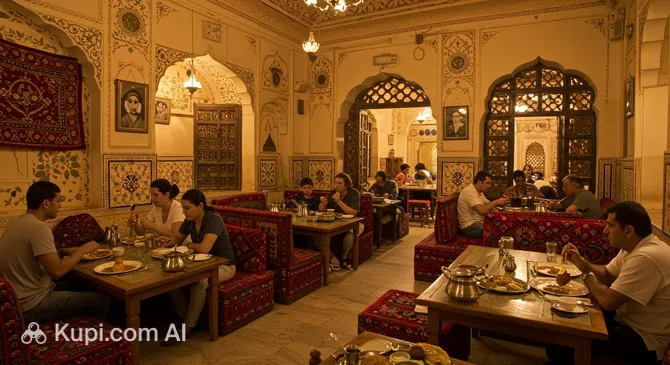
To refresh yourself on a hot day, order a traditional lassi — a thick yogurt drink that is often prepared here with the addition of saffron or rose water. Locals and tourists enjoy food both in numerous small restaurants and from street vendors. One of the places where you can get acquainted with the local cuisine in a pleasant setting is the Shri Barbarik Restaurant. It's also worth checking out the farmers' markets, which sell fresh vegetables, exotic fruits, and, of course, the famous Rajasthani spices that you can bring home as a fragrant souvenir.

Shri Barbarik Restaurant. Illustration.
Source: Kupi.com AI

Traveler photos:

The food culture in Chittorgarh is closely linked to hospitality and tradition. Tourists are often offered dishes prepared according to old family recipes. The gastronomic scene looks especially colorful during local festivals when the streets are filled with the aromas of festive treats. Diving into the world of Chittorgarh's flavors is a great way to better understand the culture and history of this amazing city.

Travel Tips

Welcome to Chittorgarh, a city of rich history and majestic forts! To make your journey through this wonderful corner of India as comfortable and memorable as possible, we have prepared some practical tips.

  1. Clothing and Essentials:

    The climate in Chittorgarh is predominantly hot and dry, especially from March to June. In summer, choose light, breathable clothing made of cotton or linen. From July to September, monsoon rains are possible, so a light raincoat or umbrella may come in handy. Winters (October to February) are mild and pleasant during the day, but evenings can be cool — bring a sweater or a light jacket. Be sure to wear comfortable shoes for walking around the extensive territory of the fort. Don't forget sunscreen, a hat, and sunglasses. For visiting temples and other religious sites, choose modest clothing that covers shoulders and knees. A universal adapter for electronics will also be useful.

  2. Getting Around the City:

    The main mode of transport for tourists in Chittorgarh is auto-rickshaws — they are convenient for short trips around the city and to the fort. Agree on the price in advance. You can also hire a taxi for the whole day for more comfortable sightseeing, especially if you plan to visit several remote locations. Public buses exist but may not be very convenient for tourists due to the language barrier and the lack of clear routes in English. Renting a car without a driver is not very common and can be difficult due to local traffic conditions; if you prefer a car, it is better to consider renting one with a driver.

  3. Finances:

    The local currency is the Indian Rupee (INR). You can exchange currency at banks or authorized exchange offices; avoid street money changers. Credit and debit cards are accepted in major hotels and some restaurants and shops, but for small purchases, markets, and paying rickshaws, always have cash with you. There are ATMs in the city, but not all may accept international cards, so it's better to withdraw cash in advance in a larger city or upon arrival at the airport. Notify your bank about your trip to India. Tipping is welcome but not always mandatory: 5-10% in restaurants if service is not included in the bill, and small amounts for porters and drivers.

  4. Health and Safety:

    There are pharmacies in Chittorgarh where you can buy basic medicines, but not all of them work around the clock. It is recommended to have a small first-aid kit with necessary medications. For serious medical assistance, there are public and private clinics; having travel insurance is highly desirable. The city is generally safe for tourists, but take standard precautions: watch your belongings in crowded places, especially within the fort, and avoid walking in poorly lit and deserted areas after dark. Drink only bottled water.

  5. Communication:

    The main languages of communication are Hindi and Rajasthani. In tourist areas, hotels, and among the youth, many understand and can speak English. Learn a few simple phrases in Hindi, such as "Namaste" (Hello/Goodbye), "Dhanyavad" (Thank you), "Yeh kitna ka hai?" (How much is this?), which is always appreciated by locals. A SIM card from a local operator (e.g., Airtel, Jio) can be purchased upon presentation of a passport and visa. Wi-Fi is available in most hotels and some cafes. Offline maps or Google Maps can be very useful.

  6. Local Etiquette:

    Greet people with the word "Namaste," putting your palms together at chest level. It is customary to remove your shoes when visiting homes or temples. Use your right hand for eating, passing money, or objects, as the left hand is traditionally considered unclean. Show respect for local customs and traditions. If you want to take pictures of locals, always ask for permission. Avoid overly revealing clothing and loud displays of affection in public places.

  7. What to Avoid:

    Firstly, do not drink tap water or water from unverified sources — always buy bottled water. Secondly, be careful with street food if you have a sensitive stomach; choose places that look clean and are popular with locals. Also, try not to get into arguments or show aggression, even if a situation seems unfair to you — stay calm and polite.

  8. Special Tip for Chittorgarh Fort:

    Chittorgarh Fort is huge and is the main attraction. Dedicate at least half a day, or better yet, a full day to exploring it. The territory is very large, so walking between all the sites can be exhausting. Consider hiring an auto-rickshaw or taxi to move between the main points inside the fort. You can hire an official guide at the entrance who will tell you about the history of this majestic structure — this will make your visit much more informative.

We hope these tips help you plan an unforgettable trip to Chittorgarh and enjoy its unique atmosphere and rich heritage. Have a pleasant trip!

Entertainment & Nightlife

Chittorgarh, a city with a wealth of history, offers its guests mostly quiet and culturally rich evenings rather than a noisy club scene. Nightlife here centers around cozy dinners, leisurely walks, and enjoying the atmosphere of the ancient city after sunset. You won't find districts with neon bar signs and thumping music until morning, but you can enjoy a pleasant time in a more traditional setting.

The main form of evening entertainment in Chittorgarh is dining at restaurants that offer local Rajasthani and Indian cuisine. One such place where you can have a delicious dinner is the Shri Barbarik Restaurant. The atmosphere in local establishments is usually calm and family-oriented. Many restaurants are located near hotels or in the central part of the city. Also, some hotels, such as Hotel Shivam Fort View or Kukda Resort, may offer dinner to their guests in their own restaurants, which stay open until late evening. The dress code in most places is casual; neat everyday clothes will be appropriate.

Shivam Fort View Hotel. Illustration.
Source: Kupi.com AI

Traveler photos:

As for bars and nightclubs in the traditional sense, their selection in Chittorgarh is extremely limited or non-existent, as the city is more focused on historical and cultural tourism. Evening activity usually winds down relatively early. Instead of noisy discos, you can spend the evening chatting with locals or other travelers, enjoying the silence and majesty of the historical monuments that create a special aura in the evening.

Practical tips for an evening in Chittorgarh:

  • Time: Most restaurants are open until 10:00 PM – 11:00 PM. Plan your dinner accordingly.
  • Prices: Restaurant prices are generally moderate, especially in establishments oriented towards locals.
  • Transport: At night, the main mode of transport is auto-rickshaws. It is recommended to agree on a price in advance or use taxi services ordered through your hotel.
  • Safety: Chittorgarh is generally considered a safe city. However, as everywhere, it is worth following standard precautions, especially if you are walking late at night in uncrowded areas. Stay on well-lit streets and avoid displaying valuables.

During the day, Chittorgarh offers many options for exploration. The crown jewel is the majestic Chittorgarh Fort, which houses numerous palaces, temples, and towers, such as Rani Padmini's Palace and the Kalika Mata Temple. Exploring these historical monuments will take several hours and leave an unforgettable impression.

Rani Padmini Palace. Illustration.
Source: Kupi.com AI

Traveler photos:

Thus, an evening in Chittorgarh is more a time for quiet relaxation, a delicious dinner, and immersion in the atmosphere of history, rather than active nightlife. The city charms with its grandeur and tranquility, offering a leisure format different from the hustle and bustle of large metropolises.

Parks & Museums

Chittorgarh invites travelers to immerse themselves in its rich history and culture, exploring not only majestic fortifications but also places holding artifacts of the past and surrounded by natural beauty.

While Chittorgarh may not be famous for an abundance of traditional urban parks, the territory of the legendary Chittorgarh Fort itself is a vast space with green zones where history intertwines with nature. Walking along its ancient ramparts and inner courtyards allows you to enjoy not only the architecture but also the panoramic views from the heights. The areas around the numerous temples and palaces inside the fort are also often well-maintained and offer places for quiet contemplation.

Chittorgarh Fort. Illustration.
Source: Kupi.com AI

Traveler photos:

The main repository of the city's history and culture is the Fateh Prakash Palace, located within the fort walls. A significant part of it has been converted into a museum where visitors can see an impressive collection of sculptures, weapons, household items, and other artifacts telling the story of the heroic past of Chittorgarh and Rajputana. The exhibition provides a deep insight into the royal heritage and artistic traditions of the region.

Fateh Prakash Palace. Illustration.
Source: Kupi.com AI

Traveler photos:

In addition to the museum, iconic structures such as Rani Padmini's Palace are not just architectural monuments, but places steeped in legend. Although it is not a museum in the classical sense, visiting the palace allows you to touch the romantic and tragic stories associated with Queen Padmini and appreciate the grace of Rajput architecture. This place literally breathes history and will be of interest to everyone who wants to understand the region's culture better.

Rani Padmini Palace. Illustration.
Source: Kupi.com AI

Traveler photos:

Another important historical site reflecting the cultural heritage is the Ratan Singh Palace. It is also located within the fort and offers visitors the chance to immerse themselves in the atmosphere of the past by exploring its halls and courtyards. The palace is associated with the name of Rawal Ratan Singh, the ruler of Mewar, and visiting it complements the overall impression of the grandeur and history of Chittorgarh.

Ratan Singh Palace. Illustration.
Source: Kupi.com AI

Traveler photos:

For a deeper immersion into the city's spiritual atmosphere, do not limit yourself only to the most famous palaces. Explore the numerous ancient temples inside the fort, such as the Meera Temple, dedicated to the saint-poetess, or the ancient Kalika Mata Temple. These less crowded spots offer a unique experience and an opportunity for quiet reflection.

Getting Around

Getting around Chittorgarh is quite simple using several basic modes of transport that serve both locals and tourists. There is no metro, tram, or trolleybus in the city; the transport system relies on more traditional and local options.

The main form of public transport is local buses. They run on various routes, connecting key areas of the city and its surroundings, including the approaches to the famous Chittorgarh Fort. This is the most economical way to get around. Fares are usually paid in cash directly to the conductor or driver upon boarding. Schedules may not always be precise, so be prepared for a possible wait.

Auto-rickshaws are perhaps the most common and convenient way for short and medium trips around Chittorgarh, as well as for sightseeing, especially within the vast fort area. It is extremely important to agree on the cost of the trip before it starts, as meters, if they exist, are rarely used. Don't hesitate to bargain to reach an acceptable price. Payment is also made in cash.

Taxis (regular cars) are also available in the city. They can be found near major hotels, at the railway station, or ordered through your hotel's reception. Taxis offer a more comfortable way to travel, especially for long distances or if you have a lot of luggage. As with auto-rickshaws, it is recommended to agree on the trip cost in advance.

Regarding the payment system, cash is predominant. It is recommended to always have small bills with you, as drivers may not always have change for large banknotes. Specialized tourist travel cards or unified transport apps covering all types of transport generally do not exist in Chittorgarh. Some taxi or auto-rickshaw drivers may accept digital payments through local systems, but it is better to clarify this possibility in advance.

Practical tips for tourists: Bus tickets are purchased directly on board. For auto-rickshaws and taxis — always clarify and agree on the price before boarding. Public transport usually operates from early morning until late evening, however, the intensity of bus traffic may decrease in the evening hours. It is best to get information about bus routes from locals or at your hotel.

Among alternative ways of moving around, walking is worth considering, especially for exploring historical zones like the fort itself. However, keep in mind that the fort area is very extensive, and hiring an auto-rickshaw once inside may be necessary to see it all. Organized bike rentals are not a widespread service, but private offers can be found in some places. For longer trips around the area or for increased comfort, you can consider renting a car with a driver.

Accommodation

In Chittorgarh, travelers will find various accommodation options to suit different preferences and budgets. The city offers modest guesthouses and budget hotels, as well as more comfortable mid-range hotels. Although there may not be as many luxury resorts here as in major tourist centers, you can find decent options with a good level of service.

Many tourists prefer to stay in areas that provide easy access to the city's main attraction — the majestic Chittorgarh Fort. Staying near the fort or in the city center will also allow you to easily reach other interesting places and transport hubs. Some hotels offer picturesque views of the historical structures.

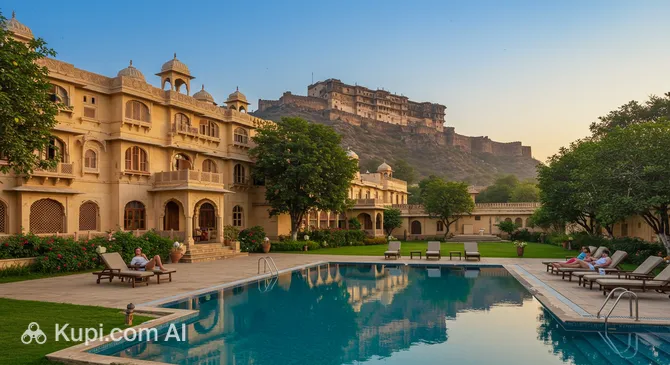
Among the accommodation options, one can highlight, for example, Hotel Shivam Fort View and Kukda Resort, which offer a comfortable stay. These hotels can be a good base for exploring the city and its surroundings.

Shivam Fort View Hotel. Illustration.
Source: Kupi.com AI

Traveler photos:

When planning a trip to Chittorgarh, especially during the peak tourist season, it is recommended to book accommodation in advance. The price range varies from budget options to mid-range and higher-class hotels. You can book a room through popular online platforms or by contacting the hotel directly. This will allow you to choose the most suitable option and ensure a comfortable stay in this historic city.

Nearby Cities

If you are staying in Chittorgarh and want to get to know the surrounding area better, the city serves as an excellent base for day trips to interesting nearby locations.

For example, the famous Udaipur (about 98 km from Chittorgarh), often called the "Venice of the East" or "City of Lakes," beckons travelers with its magnificent palaces, picturesque lakes, and romantic atmosphere. Also worth noting is Bundi (about 120 km), a charming city with an impressive fort, ancient palaces, and unique stepwells (baoris) that reflect the rich history of the region. For your convenience, below is a table with some of the nearest cities and the distances to them:

CityPopulationDistance
Bijaipur14 55519 km
Nimbahera86 45329 km
Jawad22 02641 km
Bhilwara509 48351 km
Mandalgarh13 84459 km

These nearby destinations will not only diversify your stay in Chittorgarh but also allow you to dive deeper into the rich culture, history, and picturesque landscapes of Rajasthan, making your journey through India even more rewarding.

Shopping & Souvenirs

Shopping in Chittorgarh offers an immersion into the authentic atmosphere of Rajasthan, where you can find unique products of local artisans and traditional goods. The city is not famous for huge modern malls, but its charm lies in small shops and colorful markets where everyone will find something to their liking, especially if interested in handicrafts, textiles, and jewelry.

The main shopping points are concentrated around the primary tourist routes and in the central part of the city. Explore the streets near historical sights, such as the majestic Chittorgarh Fort, where souvenir shops are often located. The liveliest shopping areas are usually found on the main bazaar streets, where you can feel the true spirit of Indian trade.

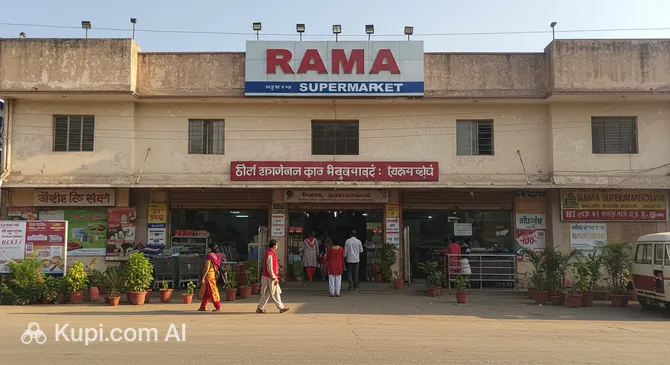
Although Chittorgarh is not a center for modern shopping complexes, you can find places for everyday purchases and some souvenirs here. For example, the Rama Supermarket offers a variety of goods, including food and basic necessities, and sometimes local specialties.

Rama Supermarket. Illustration.
Source: Kupi.com AI

Traveler photos:

The heart of shopping in Chittorgarh, as in many Indian cities, is its markets. Local bazaars are a kaleidoscope of colors, smells, and sounds. Here you can find fresh fruits, vegetables, spices, as well as traditional clothing, shoes, jewelry, and household items. Don't hesitate to bargain — it's part of the local culture.

From Chittorgarh and Rajasthan in general, it is worth bringing back textile products — bright saris, shawls, and scarves with traditional bandhani (tie-dye) or leheriya patterns. Rajasthani leather products are also popular, especially embroidered "jutti" shoes. Pay attention to handmade silver jewelry, miniature paintings on silk or paper, and wood and metal items with intricate carvings.

Most shops and stalls in Chittorgarh are open from about 10:00 AM – 11:00 AM to 8:00 PM – 9:00 PM. Markets may start working earlier. In small shops and markets, cash payment (Indian rupees) is preferred. Large stores and hotels may accept credit cards, but it is better to always have some cash with you. The possibility of tax refunds (Tax Free) for tourists on regular purchases in Chittorgarh is rare and is not a common practice, as it might be in large international airports or specialized stores in metropolises.

Reached the end of the page?

That means the route is fully explored