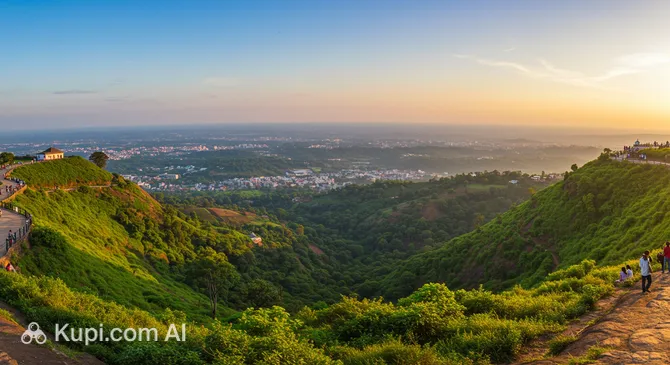
Situated on the picturesque Chota Nagpur Plateau, Hazaribagh is a tranquil and charming destination in the state of Jharkhand in eastern India. The city's name translates to "city of a thousand gardens," a name well-deserved thanks to its lush green surroundings and mild climate. Due to its elevated location, Hazaribagh has long held a reputation as a "health resort," where visitors come for fresh air and peace, far from the noise of the metropolises.
Hazaribagh. Illustration.
Source: Kupi.com AI
The city serves as an important administrative and educational hub for the region, home to over 390,000 people. The history of Hazaribagh's development is closely tied to its role as a trading hub at the intersection of key roads. It is home to Vinoba Bhave University, which gives the city a youthful and intellectual atmosphere that blends harmoniously with its provincial tranquility.
Hazaribagh primarily attracts tourists with its natural riches: dense forests, hills, and lakes. While it is not a typical tourist hub with skyscrapers, the city charms visitors with its authenticity and proximity to the wild. We invite you to discover this "green heart" of Jharkhand and experience the true rhythm of life in the eastern part of the country.
Weather Overview
Due to Hazaribagh's location on the plateau, the climate here is noticeably milder and fresher than in the low-lying areas of the state. Summer in the city can be hot, especially in April and May, when temperatures can rise to +35...+40°C. However, even during this period, the proximity of forests and the altitude bring evening coolness, making the nights quite comfortable.
Winter is perhaps the most pleasant time for a visit. From November to February, the city enjoys clear and dry weather with average daytime temperatures around +20...+25°C, while at night the thermometer can drop to +10°C. The weather in Hazaribagh during this period is ideal for long walks and excursions to the sanctuary.
The monsoon period arrives in June and lasts until September. At this time, the city transforms, becoming emerald green, but heavy rains are often accompanied by high humidity and thunderstorms. If you plan a trip during the rainy season, be prepared for the fact that some forest trails may become difficult to traverse. Expect a warm summer with periodic downpours and sunny, invigorating winters.
Average monthly temperature
Average monthly precipitation
Interesting Facts
The city officially received municipal status in 1869 and has since been a vital administrative center for the region.
Unique prehistoric rock paintings and stone tools dating back to the Paleolithic era have been discovered in the vicinity of Hazaribagh.
Located near the city is Suraj-Kund, a natural thermal spring considered one of the hottest in India.
In ancient times, this area was covered by virtually impenetrable jungles that served as a refuge for various tribes.
Hazaribagh is the headquarters of the Damodar Valley Corporation (DVC), one of the country's largest power companies.
How to Get There
Travel to Hazaribagh is provided by a combination of highways and railways, although the city does not have its own airport. Trips here are usually planned through major transport hubs in the state of Jharkhand. It is worth studying a detailed route map in advance to choose the most comfortable way to travel, taking Indian traffic into account.
The nearest major air hub is the airport in Ranchi (Birsa Munda Airport), located about 72 kilometers to the south. A taxi or bus ride from the airport to the center of Hazaribagh usually takes between one and a half to two hours. Taxi fares range from 2,000 to 3,000 Indian Rupees, depending on the car class and time of day.
Rail travel is a reliable way to reach the city. The main stations are Hazaribagh Town and Hazaribagh Road. Hazaribagh Road station is on the main line connecting Kolkata and Delhi, making the city accessible for long-distance travel. Trains from Delhi take about 20–24 hours. There is also a regular bus service from neighboring cities such as Gaya and Bokaro, with travel times ranging from 3 to 5 hours.
Main Attractions
Hazaribagh doesn't aim to impress with the scale of modern architecture but offers guests cozy natural and cultural corners. One of the central attractions is Chhota Jheel—a picturesque lake that is a favorite leisure spot for both locals and travelers. Walking along the shore in the rays of the setting sun allows you to fully experience the leisurely atmosphere of this city.
For those interested in the cultural heritage of the region, the Sanskriti Museum and Art Gallery is a must-visit. It houses unique collections reflecting the rich history and ethnography of the Chota Nagpur Plateau. The museum is famous for its exhibitions dedicated to the traditional art of local tribes, providing a deep understanding of the identity of these lands.
Outdoor enthusiasts and wildlife lovers should head to the Hazaribagh Wildlife Sanctuary. Although it is located outside the city limits, it is the pride of the district. The sanctuary is crisscrossed with trekking trails and allows you to see India's diverse fauna in its natural habitat, amidst dense forests and hills.
Local Cuisine
The culinary scene in Hazaribagh is a kaleidoscope of Jharkhand flavors, where the diet is based on rice, legumes, and seasonal vegetables, generously seasoned with local spices. The main specialty that you must try is Litti Chokha—baked wheat flour balls with filling, served with a spicy mashed eggplant or tomato. This dish is considered the signature of regional cuisine.
Street food is popular in the city and can be found in busy markets. Tourists often visit establishments like Bikaner Express, which serves traditional Indian snacks and sweets. If you are looking for a place for a more substantial lunch with a panoramic view or a pleasant interior, look for Ananta By The Hill, where you can enjoy both regional and pan-Indian dishes.
The culture of tea drinking is prevalent here: aromatic masala chai is served on every corner. Local herbal decoctions are also popular non-alcoholic drinks. In general, the food in Hazaribagh is quite spicy, so if you are not used to hot spices, don't forget to ask the waiters to make the dish "mild." The authenticity of the local cuisine lies in its simplicity and the use of fresh products from surrounding farms.
Travel Tips
Preparing for your trip to Hazaribagh will help you fully enjoy the atmosphere of the "city of gardens" and avoid minor travel difficulties. We have gathered several practical recommendations that will make your stay in this region comfortable and safe.
Clothing and Seasonality: The best time to visit is from October to March, when the weather is most pleasant. Bring light clothing made of natural fabrics, but pack a sweater or light jacket for winter evenings. When visiting temples and administrative quarters, try to choose modest outfits that cover your shoulders and knees.
Getting Around the City: Use auto-rickshaws or the Uber/Ola apps for transport. During rush hour, the roads can be dusty and noisy, so a trip in a closed taxi will be more comfortable.
Finance and Cards: The main currency is the Indian Rupee (INR). Large stores and hotels accept cards, but always have a supply of cash in small denominations for markets and rickshaws. ATMs are concentrated in the city center.
Health: Drink only bottled water and avoid ice in street drinks. During the monsoon season, be sure to use repellents to protect against mosquitoes. Pharmacies can be found near the central market and close to major hospitals.
Connectivity: You can buy a local SIM card at mobile shops in the center; you will need a passport and a photo for registration. Free Wi-Fi is available in some hotels and modern cafes, but the speed may be unstable.
Etiquette: Greet locals with the traditional "Namaste." Try not to use your left hand to pass money or food, as this is considered impolite.
What to Avoid: It is not recommended to plan long solo walks on the outskirts of the city after dark due to poor lighting and the risk of petty theft.
Environmental Tip: Hazaribagh is proud of its clean air. Try not to leave trash when visiting sanctuaries and natural areas to preserve the beauty of these places.
Following these simple rules will allow you to focus on the amazing discoveries and the hospitality of the locals. Enjoy your trip to Hazaribagh!
Entertainment & Nightlife
Hazaribagh is a city of low-key and quiet entertainment. There are no noisy 24-hour districts or giant nightclubs typical of megacities. Nightlife is mainly concentrated in hotel restaurants and cafes, where families and groups of friends gather for dinner. This place is ideal for those who appreciate evening silence and slow conversations under the starry sky of the plateau.
Despite the general atmosphere of peace, a few modern establishments can be found in the city. For example, the Play Eleven bar offers guests a pleasant setting with a selection of drinks and snacks. Also popular is The Dolphino's Resort, where the leisure infrastructure allows for a comfortable dinner combined with the relaxed atmosphere of a countryside resort.
Daytime leisure in the city is most often associated with visiting cinemas or walking through local markets. On weekends, residents like to go on picnics to the lake or the Konar Dam, where they can enjoy natural landscapes. If you are looking for more vibrant entertainment, world-class shopping, or concerts, it is worth planning a trip to nearby Ranchi, which is only a few hours' drive away.
Parks & Museums
Hazaribagh's green appearance is shaped not so much by manicured city gardens but by the proximity of vast forest areas. The main natural attraction is the Hazaribagh Wildlife Sanctuary. This place is perfect for those who want to escape the city dust and enjoy the silence among ancient trees and winding trails where rare birds and animals can be found.
In the very heart of the city, PWD Chowk is a landmark spot—a historical space around which the city's life is concentrated. Although not a park in the classical sense, the open squares and architectural elements of this area reflect the spirit of old Hazaribagh. For quiet strolls, residents also often choose the banks of local lakes and the foothills surrounding the plateau.
The cultural life of the city is represented by small exhibitions. In addition to the famous Sanskriti Museum, it is worth paying attention to the exhibitions at the local university, where student works and materials dedicated to the archaeological finds of the region are often displayed. These places offer a glimpse into Jharkhand's past and an appreciation for the skill of local artisans who preserve ancient rock painting traditions in their work.
Getting Around
The public transport system in Hazaribagh is typical for a medium-sized Indian city and relies heavily on mobility and accessibility. The main means of transportation for tourists and locals alike are auto-rickshaws and cycle-rickshaws. They are ideal for covering short distances through the narrow streets of the center, where buses often get stuck in traffic. It is best to agree on the fare for a rickshaw ride in advance, as meters are rarely used here.
Municipal and private buses also run in the city, connecting different districts and suburbs. However, keep in mind that they can be very crowded during morning and evening rush hours. For those who value comfort, taxi-hailing services via apps like Uber or Ola are available. Although coverage in Hazaribagh may not be as dense as in neighboring Ranchi, it is the most reliable way to travel between the hotel and remote attractions.
Fares on public transport are paid in cash. For tourists, it is important to remember that city buses do not have a strict schedule, so you should find your way on the spot by asking conductors or locals. If you plan a trip to the Hazaribagh Wildlife Sanctuary or the dam, it is recommended to rent a car with a driver for the whole day—this will save you the trouble of finding return transport from the forest area.
Accommodation
In Hazaribagh, practical accommodation options dominate, catering to government officials, students, and transit travelers. While it is difficult to find luxury five-star hotels from global chains here, the city offers a decent selection of budget hotels, guest houses, and departmental hotels like Circuit Houses, which are known for their simplicity and functionality.
For those looking for more comfortable conditions and a resort atmosphere, Paradise Resort is an excellent choice. It is one of the few establishments in the area offering an expanded range of services for a quality holiday. Most popular hotels are concentrated in the central part of the city, near administrative buildings and educational institutions, which is convenient for accessing markets and transport stops.
The price range for a standard room usually fluctuates between 1,000 and 3,000 Rupees per night. During major festivals or student events at the university, places can fill up quickly, so it is recommended to book accommodation in advance. When choosing a hotel, check for air conditioning, which is especially important during the hot summer months.
Nearby Cities
Thanks to its convenient location at a crossroads, Hazaribagh serves as an excellent starting point for exploring eastern India. The surrounding region offers travelers many interesting locations—from capital city entertainment to quiet provincial villages with a unique way of life.
Just 4 kilometers away is the small town of Marai Kalan, which practically merges with the outskirts of Hazaribagh and allows you to see the typical daily life of the local population. For a longer trip, Barkagaon, located 21 kilometers away, or the state capital, Ranchi, are ideal. The road to Ranchi takes about two hours, where you will find modern shopping malls, parks, and a more developed entertainment infrastructure.
We recommend not limiting yourself to city walks but definitely setting aside a day to explore the surroundings. Each of these directions will add new colors to your journey through the state of Jharkhand, revealing new facets of Indian culture and nature.
Shopping & Souvenirs
Shopping in Hazaribagh is primarily an introduction to local flavor and the daily life of the city. The main shopping arteries are concentrated around the central bazaars, where you can find everything from fresh spices and aromatic honey gathered in local forests to fabrics with traditional Jharkhand patterns. Hazaribagh's markets are famous for their authenticity and lack of the hustle and bustle found in larger cities.
For those who prefer a more familiar shopping format, modern retail spaces operate in the city. The large Style Baazar (Hazaribagh Mall) offers a wide selection of clothing and accessories. The Trends store is also popular, featuring current collections from well-known brands. These places are convenient because they have fixed prices and accept bank cards.
As souvenirs from Hazaribagh, it is worth bringing back handicrafts made in the Sohrai and Khowar tribal art styles, as well as quality cotton products. Most shops are open from 10:00 AM to 8:00 PM; bargaining is common at markets and is part of the local culture. In modern shopping centers, card payments are no problem, but for walks through the bazaars, it is always better to have a supply of cash in Rupees.