Support

Kadapa

About

Welcome to Kadapa, a vibrant city located in the Rayalaseema region of the southern state of Andhra Pradesh. Historically known as "Gadapa," which translates to "threshold," the city earned its name by serving as the traditional gateway to the sacred Tirumala hills. Nestled amidst the picturesque Eastern Ghats, specifically between the Nallamala and Palkonda hills, Kadapa offers a unique blend of spiritual significance and natural beauty to travelers exploring India. The city is situated just south of the Penna River, creating a scenic backdrop for its bustling streets.

Kadapa. Source: Kupi.Binoculars

The city is home to a population of approximately 345,000 residents and serves as an important administrative and cultural hub. The region typically experiences a tropical climate, with warm summers and pleasant winters, making it accessible throughout much of the year. For those interested in the past, the history of Kadapa reveals a fascinating timeline influenced by various dynasties, including the Cholas and the Vijayanagara Empire, which have left an indelible mark on the local culture and architecture.

Travelers are often drawn to the city's remarkable landmarks that showcase its diverse heritage. The Sri Lakshmi Venkateswara Swamy Temple in the Devuni Kadapa area is an architectural gem and a major pilgrimage site. Another key attraction is the Ameen Peer Dargah, a revered Sufi shrine that stands as a powerful symbol of communal harmony, attracting visitors of all faiths. These sites, along with the rugged beauty of the surrounding hills, provide a rich tapestry of experiences for any visitor.

Whether you are a spiritual seeker, a history enthusiast, or an adventurer looking to explore the heart of Andhra Pradesh, Kadapa promises a warm and memorable visit. Its authentic atmosphere and proximity to major natural wonders make it an excellent stop on your journey through the region.

Weather Overview

The climate in Kadapa is typically tropical, characterized by distinct seasonal changes that can influence when you choose to travel. The city generally experiences high temperatures throughout the year, with a noticeable variation between the sweltering summer months and the more comfortable winter season. To help you pack appropriately, it is helpful to review the current weather in Kadapa before your trip.

The hottest part of the year occurs from March to May, where the average temperature climbs significantly. April is particularly intense, with maximum temperatures reaching up to 40.0°C. This period is quite dry, especially in February and March, which see almost zero wet days. In contrast, the months from June through October bring a shift in conditions; while temperatures moderate to an average of around 28°C to 31°C, the frequency of rain increases. July is typically the peak for this pattern, recording up to 17 wet days.

For many visitors, the winter months of December and January offer the most pleasant conditions for sightseeing. During this time, average temperatures settle around 24.4°C to 25.0°C, with overnight lows dipping to a comfortable 19.2°C. Overall, you can expect intense heat during the dry summer, frequent rainy days from June to October, and mild, agreeable weather during the winter.

Interesting Facts

Beyond the main attractions and spiritual landmarks, Kadapa holds many fascinating secrets that offer a deeper insight into its character. From geological wonders to culinary traditions, here are some intriguing facts about this historic city.

  • The Famous Black Stone: The region is globally renowned for "Kadapa Stone," a distinctive black limestone that is exceptionally durable. This stone has been quarried here for centuries and is widely used in construction and architecture across India and abroad, literally building the city's reputation from the ground up.

  • Ajmer of the South: The Ameen Peer Dargah in Kadapa is often referred to as the "Ajmer of the South" due to its immense spiritual significance. It stands as a powerful symbol of communal harmony, attracting devotees from all religions, including famous film stars and politicians who visit to seek blessings.

  • A Fiery Culinary Heritage: Kadapa is the heartland of Rayalaseema cuisine, which is famous for being one of the spiciest culinary styles in the country. A local "secret" to a perfect meal here is Ragi Sangati (finger millet balls) paired with Natukodi Pulusu (country chicken curry), a dish that locals swear by for its authentic flavor and nutrition.

  • Gateway to the Grand Canyon: While located just outside the city limits, Kadapa serves as the primary base for visiting Gandikota, known as the "Grand Canyon of India." This spectacular gorge formed by the Penna River features red sandstone cliffs that bear a striking resemblance to its American counterpart, yet it remains a relatively hidden gem for international travelers.

How to Get There

Reaching Kadapa is relatively straightforward, as the city is well-connected to the rest of the country by road and rail, and is serviced by several nearby airports. While there are no major commercial airports within the city limits listed for direct international flights, travelers can fly into neighboring hubs and complete the journey by car or bus. For a comprehensive guide on all available transport options, you can read more about how to get to Kadapa.

The closest facility for air travelers is Tirupati Airport (TIR), located in the city of Tirumala, approximately 121 km from Kadapa. It is a regional hub that handles a moderate volume of passenger traffic, largely due to pilgrimage tourism. The drive from Tirupati to Kadapa typically takes about 3 hours and 20 minutes by taxi. This is often the most convenient option for domestic travelers connecting from other Indian cities.

For international visitors, the best entry points are the larger metropolitan airports. Kempegowda International Airport (BLR) in Bengaluru is a major international gateway situated about 185 km away. The journey by road from Bengaluru takes approximately 5 hours. Alternatively, you can fly into Chennai Airport (MAA) in Chennai, which is roughly 219 km from Kadapa. A taxi or bus ride from Chennai will generally take around 6 hours. Both airports offer extensive global connections and are classified as large traffic hubs.

For clarity, here is a summary of the main airports:

Airport Name City Passenger Traffic Km from City
Kempegowda International Airport Bengaluru Large 184.9
Chennai Airport Chennai Large 218.7
Tirupati Airport Tirumala Medium 120.7
Jindal Vijaynagar Vidyanagar Small 249.0

Beyond air travel, Kadapa is seamlessly integrated into the Indian Railway network. The city's railway station is a key stop on the Mumbai-Chennai line, making train travel a popular and budget-friendly choice for many tourists. Regular trains connect Kadapa to major metros like Hyderabad, Bengaluru, and Chennai. Additionally, the state-run bus services provide frequent and reliable road connectivity from neighboring districts and states, offering a scenic route through the Rayalaseema region.

Main Attractions

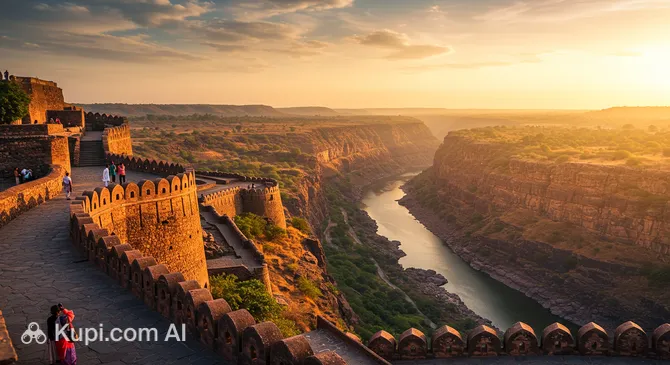
Gandikota is undoubtedly one of the most spectacular sights in the region, often referred to as the "Grand Canyon of India." Located a short drive from the city, this magnificent gorge is formed by the Penna River cutting through the Erramala hills, creating stunning red sandstone cliffs. Perched atop these cliffs is the ancient Gandikota Fort, which invites visitors to explore its granary, jail, and ruined temples. It is a favorite spot for photographers and nature lovers who want to witness a unique geological wonder combined with medieval history.

For a deep dive into the local culture and spirituality, the Ameen Peer Dargah is an essential stop. This 300-year-old Sufi shrine is a beacon of communal harmony, attracting pilgrims and visitors from all faiths. Known for its serene atmosphere and beautiful architecture, the Dargah offers a peaceful retreat from the bustling city streets. Tourists are often captivated by the intricate designs of the complex and the palpable sense of devotion that surrounds this revered site.

Sri Lakshmi Venkateswara Swamy Temple, popularly known as Devuni Kadapa, holds a special place in the hearts of locals and pilgrims alike. Historically considered the "Gateway to Tirumala," tradition dictates that devotees should visit this temple before proceeding to the famous Tirupati shrine. The temple showcases classic Vijayanagara architecture with an impressive gateway and detailed carvings. It is a fascinating location for those interested in religious history and the architectural heritage of southern India.

Another historical gem is the Sidhout Fort, situated on the banks of the Penna River. Often called the "Gateway to Srisailam," this 14th-century fortification is renowned for its massive stone walls and intricate gateways adorned with carvings. Inside the fort, visitors can wander among the ruins of ancient structures that whisper tales of the region's military past. It offers a quiet, off-the-beaten-path experience perfect for history enthusiasts looking to explore without the crowds.

Vontimitta is home to the historic Sri Kodandarama Swamy Temple, a masterpiece of 16th-century architecture dedicated to Lord Rama. This temple is unique because the sanctum does not feature a deity of Hanuman, which is rare for Rama temples. Designated as a monument of national importance, its towering gopurams and spacious courtyards provide a glimpse into the grandeur of the Vijayanagara empire. It is a culturally rich site that hosts major state festivals and attracts admirers of ancient art.

Local Cuisine

The culinary landscape of Kadapa is a fiery delight for food lovers, deeply rooted in the traditions of the Rayalaseema region. Known for its bold flavors and generous use of spices, particularly red chilies, the local cuisine offers an authentic taste of Andhra Pradesh. Visitors should be prepared for a gastronomic adventure that is as robust and spirited as the city's history, with dishes that prioritize heat and heartiness.

The undisputed star of the local menu is Ragi Sangati, a wholesome ball made from finger millet and rice. It is traditionally served piping hot with a generous ladle of Natukodi Pulusu, a spicy country chicken curry cooked with local herbs and spices. This combination is not just a meal but a cultural experience, revered by locals for its nutritional value and comforting taste. Another must-try is the Kadapa Karam Dosa, a crispy savory crepe smeared with a special red chili, onion, and garlic paste, often served with chutney and sambar.

For breakfast or an evening snack, the streets of Kadapa come alive with vendors selling Uggani, a dish made from spiced puffed rice. It is almost always paired with Mirchi Bajji, large green chilies dipped in chickpea flour batter and deep-fried to golden perfection. This combination offers a delightful contrast of textures and is a staple street food experience that perfectly captures the local love for savory treats.

To cool down after a spicy meal, locals turn to refreshing beverages. The most iconic drink in the region is Nannari Sharbat, a natural syrup made from sarsaparilla roots mixed with lime and cold water. It is renowned for its cooling properties, making it an essential remedy for the tropical heat. While alcohol is available in licensed bars and restaurants, the traditional beverage culture focuses heavily on these revitalizing natural drinks, along with spiced buttermilk and strong filter coffee.

The food culture in Kadapa is best experienced in its unpretentious eateries and "mess" halls, where food is served on banana leaves or steel plates in a communal atmosphere. While there are modern restaurants, the true flavor of the city lies in these smaller establishments and the bustling street food stalls near the markets. Here, the focus is entirely on the freshness of the ingredients and the authenticity of the "Rayalaseema Ruchulu" (flavors of Rayalaseema).

Travel Tips

Planning a trip to the historic heart of the Rayalaseema region requires a bit of local know-how to ensure a seamless experience. These practical tips will help you navigate Kadapa’s culture, climate, and customs like a seasoned traveler.

  1. Clothing and Gear: Given the tropical climate, lightweight cotton clothing is your best bet to stay cool, especially during the sweltering summer months. Since Kadapa is a major pilgrimage hub with sites like the Ameen Peer Dargah and various temples, it is essential to dress modestly; cover your shoulders and knees to show respect. Comfortable slip-on shoes are highly recommended, as you will frequently need to remove them when entering religious sanctuaries.
  2. Transportation: The most convenient way to navigate within the city is by auto-rickshaw. While ride-hailing apps are becoming more common in larger Indian cities, they may not be as reliable here, so it is best to hail autos directly. Always negotiate the fare before starting your journey or ask the driver to use the meter if available. For visiting nearby attractions like Gandikota, hiring a private taxi for the day is the most practical option.
  3. Finances: The local currency is the Indian Rupee (INR). While credit cards are accepted at major hotels and upscale restaurants, cash is king in local markets, smaller eateries, and for transport. ATMs are widely available, but it is wise to carry smaller denominations for tips and minor purchases. Daily costs are generally affordable, making it a budget-friendly destination.
  4. Health and Safety: To avoid stomach issues, stick to bottled or filtered water and avoid tap water. The sun can be intense, so carrying sunscreen, sunglasses, and a hat is crucial. Pharmacies are easily found in the city center, but if you have specific prescription needs, bring an adequate supply. Kadapa is generally safe, but like any travel destination, keep an eye on your belongings in crowded areas.
  5. Communication: Telugu is the primary language spoken in Kadapa. While staff in hotels and major tourist spots often speak English, it is less common in rural areas or with auto drivers. Learning a few basic words like Namaskaram (Hello) and Dhanyavadamulu (Thank you) will go a long way in breaking the ice. Having a translation app on your phone can be very helpful.
  6. Local Etiquette: When visiting temples or the Dargah, always leave your footwear outside at the designated counters. It is customary to eat and pass objects with your right hand, as the left is considered unclean for these activities. Greeting locals with a smile and a nod is appreciated, and asking for permission before taking photos of people is a sign of respect.
  7. What to Avoid: Avoid public displays of affection, as conservative social norms prevail in this region. Also, try not to be overly aggressive when bargaining; a friendly but firm approach yields better results and maintains a positive interaction with local vendors.
  8. Culinary Caution: A specific tip for Kadapa is to be prepared for the spice level. Rayalaseema cuisine is famous for being incredibly spicy, often using generous amounts of red chilies. If you have a sensitive palate, explicitly ask for "less spicy" or have some yogurt (curd) handy to cool down your taste buds.

With these essentials in mind, you are all set to embrace the warmth and heritage of this unique city without any hassles. Enjoy the spicy flavors, the spiritual serenity, and the stunning landscapes that make your visit to Kadapa truly memorable!

Entertainment & Nightlife

To experience the evening atmosphere in Kadapa is to step into a world where entertainment revolves around flavorful dining, vibrant street scenes, and the magic of cinema. Unlike the high-energy nightclub culture found in India's metropolitan hubs, nightlife here is more traditional and laid-back. The city winds down relatively early, with social life centering on family dinners, late-night movie shows, and casual gatherings in local establishments.

For those seeking a place to unwind with a drink, the options are primarily concentrated within hotel bars and restaurants. These venues serve as the local equivalent of pubs, offering a relaxed setting to enjoy spirits and conversation. Teja Lodge, Bar & Restaurant is a well-known spot in the city, frequented by locals for its casual ambiance. Another popular choice is Swapna Bar And Restaurant, which offers a standard selection of beverages and food. It is important to note that these are typically male-dominated spaces, and the atmosphere is more functional than stylish. Travelers looking for a more contemporary vibe might prefer the dining sections of these establishments or the upscale restaurants in the city's newer hotels.

The true heartbeat of Kadapa’s nightlife can be felt in its bustling commercial districts. The area around Seven Roads Circle and Nagarajupeta remains lively well into the evening. Here, the streets are illuminated by the glow of shop signs and street food stalls. This is the perfect place to take a night walk, soak in the local energy, and try spicy street treats like Mirchi Bajji. RSR Square Mall has also emerged as a modern hub for evening entertainment. It houses Mukta A2 Cinemas, a multiplex that draws large crowds for the latest Telugu and Bollywood blockbusters. Watching a movie here is a high-spirited experience, with enthusiastic audiences often cheering for their favorite stars.

When planning a night out, keep in mind that Kadapa is an early-to-bed city. Most shops and restaurants begin to close around 10:00 PM to 11:00 PM. Transportation is largely dependent on auto-rickshaws. It is advisable to arrange your return ride in advance if you are staying out late, as finding public transport after 10:30 PM can be challenging. While the city is generally safe, it is best to stick to main roads and well-lit areas like the Seven Roads junction or near the bus stand. For dinner, Andhra Spice Family Restaurant is a favorite for its fiery local cuisine and is suitable for families and groups.

During the day, the entertainment options shift towards cultural and historical exploration. Visitors can spend their time admiring the architectural grandeur of the Devuni Kadapa temple or taking a short excursion to the stunning Gandikota gorge. For a more relaxed afternoon, the city's parks and the nearby Shilparamam crafts village offer a pleasant escape from the urban rush before the evening activities begin.

Parks & Museums

While Kadapa is predominantly known for its spiritual gateways and historic forts, the city also offers serene green pockets and cultural repositories that allow travelers to step back and relax. Beyond the busy streets and temple complexes, you will find spaces dedicated to preserving the region's rich heritage and natural beauty, providing a well-rounded experience for visitors looking to explore the quieter side of the city.

For history enthusiasts, the Bhagvan Mahavir Government Museum is a treasure trove that safeguards the archaeological legacy of the Rayalaseema region. Established to preserve artifacts found in the district, this museum houses an impressive collection of stone sculptures, idols, and inscriptions dating back to the Satavahana, Chola, and Vijayanagara eras. Visitors can admire ancient bronze icons and coins that tell the story of the dynasties that once ruled these lands. It is a fascinating stop for anyone interested in understanding the deep historical roots of Andhra Pradesh beyond what is visible in the temples.

When it comes to green spaces, Rajiv Gandhi Park stands out as the city's premier recreational area. Located centrally, this well-maintained park features lush lawns, jogging tracks, and play areas for children, making it a favorite spot for local families and tourists alike. It comes alive in the evenings when the weather cools down, offering a perfect setting for a leisurely stroll or a quiet break from sightseeing. It is important to note that this urban park is distinct from the YSR Memorial Gardens located at Idupulapaya, ensuring visitors do not confuse the two locations while navigating the city.

Another cultural highlight set within a landscaped environment is Shilparamam. Modeled after the famous arts and crafts village in Hyderabad, the Kadapa version serves as both a park and a cultural gallery. It showcases the rural life and artistic traditions of the region through life-size sculptures and stalls displaying local handicrafts. It is an excellent place to appreciate traditional art forms, shop for authentic souvenirs, and enjoy a peaceful walk amidst artistic installations that reflect the vibrant culture of the countryside.

For those willing to venture just outside the city for a raw natural experience, the Lankamala Sanctuary offers a glimpse into the region's unique ecosystem. This dry evergreen forest is globally significant as one of the last known habitats of the Jerdon's Courser, a critically endangered nocturnal bird that was rediscovered here after being thought extinct. While spotting the bird is rare, the sanctuary provides a rugged, authentic nature experience with its deep gorges and waterfalls, ideal for eco-tourists and birdwatchers.

Insider Tip: If you plan to visit the Government Museum, try to go in the morning hours when it is quieter; the lighting is better for viewing the intricate details of the stone sculptures. Also, keep an eye out for the ancient inscriptions on display—they often contain fascinating details about local governance and taxes from centuries ago that you won't find in standard guidebooks.

Getting Around

The public transport system in Kadapa is straightforward and primarily road-based, differing significantly from the complex metro networks found in India's larger metropolitan areas. The city does not have a metro, tram, or trolleybus system. Instead, residents and tourists rely heavily on a combination of state-run buses and the ubiquitous auto-rickshaws to navigate the streets. Understanding how to utilize these two main modes of transport is key to getting around the city efficiently.

The backbone of the public transit network is the bus service operated by the Andhra Pradesh State Road Transport Corporation (APSRTC). These buses connect the central bus station with various neighborhoods and nearby suburbs. While they are the most economical way to travel, they can often be crowded during peak hours. For tourists, buses are most useful for reaching destinations on the outskirts or connecting to nearby towns, rather than for short hops within the city center. Tickets are purchased directly from the conductor on board using cash.

For short distances and daily commuting within the city, auto-rickshaws are the most convenient and popular option. You will encounter two types: shared autos and private autos. Shared autos run on fixed routes, picking up and dropping off multiple passengers along the way; they are extremely cheap and function much like a minibus service. Private autos can be hired for a specific destination, offering a door-to-door service. Since most autos in Kadapa do not run on meters, it is essential to negotiate and agree on the fare with the driver before stepping inside.

Regarding payments, the system in Kadapa is largely cash-based. There are no integrated travel cards or digital transit passes for tourists. You should carry smaller denominations of the Indian Rupee (INR) to pay for bus tickets and auto fares, as drivers and conductors often struggle to provide change for large bills. While digital payment apps (UPI) are becoming increasingly popular and are accepted by many private drivers, relying solely on them can be risky, so keeping cash handy is highly recommended.

Taxis and app-based cab services are available but are less ubiquitous than in major cities like Bengaluru or Hyderabad. You may find services like Ola or Uber, but availability can be sporadic. For day trips to attractions like Gandikota or for comfortable travel throughout the day, the best alternative is to rent a car with a private driver from a local travel agency. Self-drive car rentals and bike rentals are not standard in the city, so hiring a vehicle with a driver is the standard practice for tourists seeking flexibility.

Public transport generally operates from early morning, around 5:00 AM, until approximately 10:00 PM. After these hours, finding a bus becomes difficult, and auto-rickshaw drivers typically charge a premium, often 50% more than the standard daytime rate. If you plan to be out late, it is wise to arrange your return transport in advance. There are no specific "tourist" transport features like cable cars or historic trains within the city limits, making the trusty auto-rickshaw the true king of the road in Kadapa.

Accommodation

Where to Stay:

Accommodation in Kadapa is designed primarily to cater to pilgrims, business travelers, and transit tourists. The city does not typically feature high-end luxury resorts or five-star international chains. Instead, visitors will find a wide selection of budget-friendly lodges, functional guest houses, and comfortable mid-range hotels. The focus here is on practicality and affordability, with many establishments offering clean, no-frills rooms that provide a good night's rest after a day of exploration.

For the most convenient stay, it is best to look for hotels located near the Seven Roads Circle or the APSRTC Bus Stand. This area serves as the commercial heart of the city and ensures you are within walking distance of restaurants, shops, and transport links. Staying in the city center also makes it easier to visit major local landmarks like the Ameen Peer Dargah and provides quick access to auto-rickshaws for trips to the railway station or outskirts.

The price range for accommodation in Kadapa is generally very economical compared to India's metropolitan cities. Travelers can expect:

  • Budget: numerous lodges and dormitories cater to backpackers and pilgrims, offering basic amenities at very low rates.
  • Mid-Range: modern hotels in the city center provide air-conditioned rooms, in-house dining, and Wi-Fi, suitable for families and business visitors.

Booking Tip: While finding a room is usually easy, the city can get quite busy during major religious events, such as the annual Urus festival at the Dargah or festivals at the Devuni Kadapa temple. During these times, it is highly recommended to book your accommodation at least a few weeks in advance. While many mid-range hotels are listed on major online booking platforms, some smaller lodges may still rely on direct phone bookings or walk-ins.

Overall, while the hospitality scene is modest, the warmth of the local service and the central location of most hotels make staying in Kadapa a hassle-free experience for travelers planning to explore the Rayalaseema region.

Nearby Cities

For those looking to explore the surroundings, Kadapa serves as an excellent base for day trips to several interesting nearby locations:

One of the most essential excursions is to the village of Gandikota, often accessed by traveling through the town of Vempalle. Gandikota is globally renowned for its magnificent gorge formed by the Penna River, earning it the title "The Grand Canyon of India." Visitors can explore the massive historic fort perched on the red sandstone cliffs, which houses ancient temples, a granary, and a mosque, offering a blend of architectural heritage and breathtaking natural scenery.

Another significant destination is Pushpagiri, located on the banks of the Penna River. Known as the "City of Temples," it is a prominent pilgrimage site featuring the beautifully sculpted Chennakesava Swamy Temple. As the only place in Andhra Pradesh hosting a generic Peetham established by Adi Shankaracharya, it offers a serene spiritual atmosphere and is a perfect spot for those interested in history and riverside tranquility.

To the east lies the town of Badvel, which serves as another regional hub. While primarily a commercial center, it offers a glimpse into the everyday life of the district and is situated near several local temples that attract devotees from the surrounding villages.

City Population Distance (km)
Yalamakuru 95149 39
Chinnachowk 85442 2
Badvel 70626 39
Vempalle 36031 41
Madakalavaripalli 34449 41

These nearby destinations offer a glimpse into the diverse culture and landscapes of the region, ranging from geological wonders to historic temple towns.

Shopping & Souvenirs

Shopping in Kadapa offers a distinctively local experience, far removed from the glitz of high-end international boutiques. Instead of luxury fashion houses, the city presents a vibrant mix of traditional bazaars, bustling commercial streets, and emerging modern retail spaces. For tourists, exploring the markets here is less about hunting for global brands and more about immersing oneself in the energetic atmosphere of a typical Rayalaseema commercial hub. It is an excellent place to observe daily life, purchase authentic regional products, and interact with friendly local vendors.

The commercial heartbeat of the city is undoubtedly Seven Roads Circle. As the name suggests, this is a major junction where seven roads converge, creating a sprawling network of shops that sell everything from electronics and footwear to textiles and household goods. It is chaotic, loud, and full of character. Just a short distance away lies Nagarajupeta, a district famous for its concentration of jewelry stores and textile showrooms. This area is particularly popular during wedding seasons and festivals, where you can see locals shopping for intricate gold ornaments and traditional silk sarees.

For those seeking a more contemporary shopping environment, RSR Square Mall stands as the city's primary modern lifestyle destination. Located on the outskirts of the main town area, this mall provides a comfortable, air-conditioned respite from the heat. It houses a variety of Indian and international clothing brands, a food court, and a multiplex cinema. It is the go-to spot for younger residents and families looking for a standardized retail experience similar to what one might find in larger metropolitan cities.

The traditional markets offer a sensory overload of colors and scents. The Rythu Bazaar (Farmers' Market) is where the region's agricultural bounty is on full display. Here, you can see mounds of fresh vegetables, fruits, and the fiery red chilies that the region is famous for. The streets surrounding the Devuni Kadapa temple are also worth a visit, lined with small stalls selling flowers, coconuts, incense, and religious artifacts, providing a colorful backdrop for photography and a chance to buy small spiritual keepsakes.

When it comes to souvenirs, the best items to bring back from Kadapa are those that reflect its culinary heritage. The Rayalaseema region is renowned for its spices, particularly its red chili powder, which is known for its vibrant color and intense heat. Local pickles, especially spicy mango varieties, are also a popular purchase. For something more durable, you might find small artifacts made from the famous Kadapa Stone (black limestone), although these are more common in specialized construction markets than tourist shops. Traditional handloom textiles are also a good buy, offering quality fabrics at reasonable prices.

Most shops in Kadapa open around 10:00 AM and remain active until 9:00 PM or 10:00 PM. Many smaller establishments may close for a short break in the afternoon, although this is becoming less common in the main commercial areas. Cash remains the most widely accepted mode of payment, especially in street markets and smaller stores. However, digital payments via UPI (Unified Payments Interface) apps are ubiquitous and accepted almost everywhere, from auto-rickshaws to vegetable stalls. Credit and debit cards are generally accepted in hotels, malls, and larger showrooms but may not be usable in smaller bazaars.

Tourists should note that tax-free shopping or VAT refund schemes for international visitors are not available in Kadapa. The price you see on the tag or the price you negotiate is the final amount you pay. Bargaining is acceptable and expected in street markets and with roadside vendors, but prices in malls and branded showrooms are fixed.
Reached the end of the page?

That means the route is fully explored