Support

Melmalayanur

About

Melmalayanur is a small but incredibly distinctive town located in southeast India, in the state of Tamil Nadu. It is nestled about 12 kilometers north of the larger city of Tiruvannamalai, surrounded by picturesque hills and emerald rice fields, creating a unique atmosphere of peace. Thanks to its tropical location, Melmalayanur boasts a mild climate, and its surroundings are lush with greenery and the scent of blooming plants year-round.
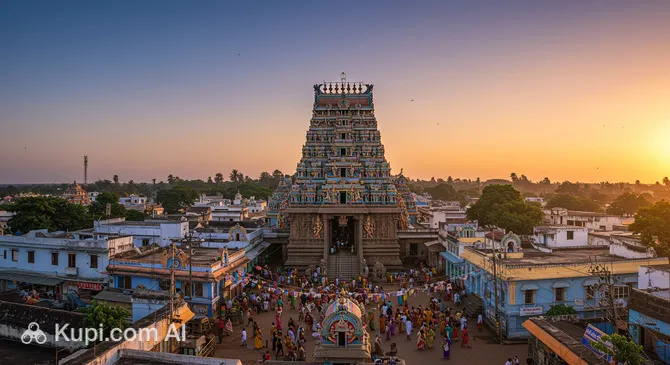
Melmalayanur. Illustration.
Source: Kupi.com AI

With a population of just under 10,000, Melmalayanur has a special, intimate feel. There is no urban hustle or noise of megacities here—only a steady, calm life permeated by centuries-old traditions, sincere hospitality, and the warmth of the local residents. Administratively, the town is part of the Villupuram district and plays an important role as a religious and cultural center of the region.

The main gem and heart of Melmalayanur is the famous Angalamman Temple. This sacred site attracts thousands of pilgrims and curious travelers every year, not only from all over India but from other countries as well. The atmosphere of spirituality and celebration is especially vibrant here, particularly during numerous festivals. Furthermore, the town and its surroundings offer a unique opportunity to experience authentic South Indian culture and daily life.

If you are looking for off-the-beaten-path routes, wish to immerse yourself in the atmosphere of ancient traditions, and enjoy the tranquility of provincial India, Melmalayanur will be a true discovery for you, offering unforgettable impressions.

You can find more interesting facts on the Melmalayanur city history page.

Weather Overview

The weather in Melmalayanur is characterized by high temperatures throughout the year. The hottest months are April and May, when average temperatures hover around 30-32°C, and maximum values can reach 36-37°C. A relatively cool period occurs in December and January, with average temperatures around 24-25°C. Precipitation in Melmalayanur is generally light. The highest rainfall occurs in October and November (about 6-8 mm with 20 rainy days each). Summer months like June, July, and August are also characterized by frequent but very light rains: during 15-18 rainy days, only about 3-4 mm of precipitation falls per month. The period from February to April is the driest, when rainfall is virtually absent. Expect a hot summer with occasional light rains and a warm, mostly dry winter.

For a more detailed forecast and to study climatic features, you can visit the weather in Melmalayanur page.

Average monthly temperature

Average monthly precipitation

Interesting Facts

Beyond its main attractions, Melmalayanur holds many fascinating secrets and amazing traditions that make it a truly unique place in India.

  • The town's main shrine, the Angalamman Temple, has legendary origins. It is believed to have been built on the exact spot where the goddess appeared to local residents to protect them from disasters. The annual festival honoring this event is not just a religious holiday but a massive spectacle that turns Melmalayanur into a bustling center of pilgrimage and colorful rituals.

  • A striking and unique tradition exists in Melmalayanur: during the town's main festival, thousands of women perform a ritual bath in the sacred pond located next to the temple. Following this, they offer coconuts, flowers, and sweets to the goddess, believing these rites will bring their families luck and protection from misfortune.

  • Despite its modest size and spiritual focus, Melmalayanur is a guardian of ancient Tamil crafts. In local markets, you can still find unique handmade products created using age-old techniques. This is a living testament to how ancient customs and the spirit of modernity harmoniously intertwine in the town.

  • While Melmalayanur is primarily known as a place of spiritual practices, it also attracts visitors with its special atmosphere of peace. Many come here to enjoy the tranquility, soak up local legends, and experience the sincere hospitality of the people of Tamil Nadu, even without being pilgrims themselves.

How to Get There

As a popular pilgrimage destination, Melmalayanur attracts many visitors, but getting here requires some planning as there are no major transport hubs in the town itself. Travel usually combines a flight or train journey with a subsequent transfer by car or bus. You can find all the ways to reach the city in more detail on a separate page, while below we will look at the main options.

There is no airport in the town of Melmalayanur itself. The nearest major air hub serving international and domestic flights is Chennai International Airport (IATA: MAA), located in Chennai. It is approximately 116 km from Melmalayanur. A taxi ride from there takes about 3 hours and 15 minutes, making this the most convenient option for most tourists.

An alternative could be flying into Kempegowda International Airport (IATA: BLR) in Bengaluru. Although it is located significantly further away—about 200 km from Melmalayanur, and the journey will take over 5 hours—this airport is a major hub with a vast number of flights. You can also consider Tirupati Airport (IATA: TIR) in Tirumala (about 145 km), from which the drive will take around 4 hours.

For clarity, here is summary information on the main airports:

AirportPassenger trafficDistance
Pondicherry Airport85 00067 km
Chennai Airport22 mln116 km
Tirupati Airport995 640145 km
Salem130 132151 km
Tiruchirapalli International Airport1.8 mln187 km

Regarding rail transport, Melmalayanur does not have its own railway station. Travelers usually take a train to the nearest major stations in neighboring towns. Convenient transfer points are the railway stations in Tindivanam or Tiruvannamalai, located within a 30-40 km radius. From there, Melmalayanur is easily accessible by local buses or by hiring a taxi, which will take less than an hour.

Main Attractions

Melmalayanur, a small but spiritually significant town in the state of Tamil Nadu, attracts pilgrims and tourists primarily for its religious shrines. The crown jewel and heart of the town is an ancient temple known far beyond the region's borders.

The central place of pilgrimage in Melmalayanur is undoubtedly the Angala Parameshwari Temple (Arulmigu Angalamman Thirukoil). Dedicated to Goddess Angala Parameshwari, a form of Parvati, this temple is considered one of the most important Shakti Peethas. Thousands of devotees flock here, especially during the new moon (Amavasya) and major festivals like Mahashivaratri. The temple is famous for its unique atmosphere and powerful energy, as well as ancient rituals that have been performed here for centuries. The architecture, while typical of South Indian shrines, impresses with its detailing and sacred aura.

Melmalayanur gained particular fame for the Mayana Kollai festival, held after Mahashivaratri. This vibrant and crowded event, associated with the Angala Parameshwari temple, includes unique rites and processions that attract both believers and cultural researchers. During this festival, devotees often perform various vows, and the atmosphere is filled with deep religious devotion and ecstatic expressions of faith.

In addition to the main sanctuary, other small shrines and sacred spots can be found within the temple complex and its surroundings, such as the sacred pond (teertha kulam), where pilgrims perform ritual ablutions. Visiting Melmalayanur is an opportunity to touch the ancient traditions of Hinduism and experience the special spiritual atmosphere of South India.

Local Cuisine

The cuisine of Melmalayanur is a true immersion into the gastronomic traditions of Southern India, where every dish tells the region's story through vibrant flavors and aromas. The foundation of the local diet consists of rice, lentils, and fresh vegetables, generously seasoned with fragrant spices. Dishes here are often prepared using coconut and sometimes served on banana leaves, which adds a special charm and authenticity.

Among the dishes that are a must-try in Melmalayanur, the dosa stands out—thin, crispy pancakes made from fermented rice and lentil batter. They are usually served with spicy chutney and aromatic sambar (lentil soup). Another iconic dish is pongal, a traditional rice dish that comes in both sweet and savory variations and is often prepared during festivals. You will also be delighted by various savory vegetable curries, rich with the taste and aroma of local spices.

Melmalayanur's culinary scene is most vividly displayed at local markets and during temple festivals. Here, you can enjoy authentic street food: be sure to try fried samosas with spicy fillings or traditional spicy flatbreads. During festival days, the town streets transform into true food fairs, where traditional Indian sweets like laddu and halva await, along with an abundance of fresh fruits. This is a wonderful opportunity to experience the true taste of the city and its culture.

As for drinks, refreshing lime and ginger-based options are popular in Melmalayanur, perfect for quenching thirst on a hot day. Alcoholic beverages are less common in daily culture, with the emphasis on natural and healthy ingredients. The dining culture here is characterized by warmth and hospitality. Locals are happy to share the secrets of Tamil cuisine, especially during culinary festivals that often accompany temple holidays. For tourists, this is not just a chance for a delicious meal, but a way to touch local traditions and feel the warmth of Indian hospitality.

Travel Tips

Planning a trip to Melmalayanur? Wonderful! To make your journey to this unique corner of India as comfortable and memorable as possible, we have prepared some practical tips. They will help you better navigate the area and avoid potential inconveniences.

  1. Clothing and Essentials: In Melmalayanur, as in the rest of Tamil Nadu, a hot and humid climate prevails. Choose light, breathable clothing made from natural fabrics (cotton, linen). For visiting temples, especially the famous Angalamman Temple, modest clothing covering shoulders and knees is mandatory; men may be required to remove their upper garment before entering some sanctuaries. Don't forget comfortable walking shoes, sunscreen, a hat, insect repellent, and a universal adapter for electrical appliances (India uses type D and M sockets, 230V voltage).

  2. Getting Around Town: Melmalayanur is a small town, so the main form of transport here is auto-rickshaws (tuk-tuks). Always agree on the price of the trip in advance. Public buses connect the town with neighboring settlements. Renting a car without a driver is not recommended unless you have experience driving in India; if necessary, it is better to hire a car with a driver in a larger city.

  3. Money and Expenses: The official currency is the Indian Rupee (INR). It is best to exchange currency at banks or official exchange offices in major cities before arriving in Melmalayanur, as options here may be limited. While some hotels (if any) and shops may accept bank cards, cash remains the primary means of payment. Ensure you have enough small bills. ATMs may be few and far between. Tipping is not mandatory but welcomed at 5-10% for good service.

  4. Health and Safety: Bring a first-aid kit with necessary medications. There are pharmacies in Melmalayanur, but their selection and hours may be limited. Drink only bottled or boiled water. Melmalayanur is considered a relatively safe place, especially during the day, but always observe basic precautions: watch your belongings, avoid wearing expensive jewelry, and don't walk alone on poorly lit streets late at night. Be sure to get travel insurance before your trip.

  5. Language and Communication: The main language in Tamil Nadu is Tamil. In tourist areas and among young people, some may speak English, but don't count on it everywhere. Learn a few simple phrases in Tamil, such as "Vanakkam" (Hello) and "Nandri" (Thank you); this will be appreciated by the locals. It is easier to buy a SIM card with internet access at the airport or a major city. Wi-Fi access in Melmalayanur may be limited.

  6. Etiquette: Show respect for local traditions and customs. It is customary to remove your shoes when entering temples and homes. Use your right hand for eating, passing money, and objects, as the left hand is traditionally considered unclean. When photographing people, especially women and during religious ceremonies, always ask for permission. Dress modestly, especially when visiting religious sites.

  7. What Not to Do: Try not to point your finger at people or sacred images; instead, use an open palm or a nod of the head. Avoid public displays of affection, as this may be perceived as disrespectful to local culture. Also, avoid getting into loud arguments, especially with the older generation.

  8. Special Advice: Melmalayanur is famous for its Angalamman Temple, which attracts many pilgrims, especially during the new moon (Amavasya) and major festivals like Mahashivaratri. If your trip coincides with these dates, be prepared for large crowds. This is a unique opportunity to witness colorful rituals, but you should also arrange accommodation in advance and be especially careful with your belongings.

We hope these tips help you feel more confident and get the most out of your visit to Melmalayanur. We wish you an unforgettable journey and vivid impressions from exploring the culture and traditions of this amazing place!

Entertainment & Nightlife

Evening and night in Melmalayanur offer guests a peaceful and authentic experience rather than the noisy club life of major metropolises. Nightlife here centers around local traditions and a more measured pastime, allowing for a deeper immersion into the culture of India. Given the town's size and character, one should not expect a developed industry of night clubs and bars in the European sense.

In Melmalayanur, you won't find loud nightclubs, bars with blaring music, or specialized nightlife districts. Evening leisure here offers calmer and more authentic options. Most activity after sunset is concentrated around local restaurants and small eateries. Do not expect establishments with bright neon signs or famous chains; instead, these will be modest family-run cafes or so-called "messes" (simple dining halls), often nameless to the tourist, serving traditional Tamil cuisine. Such places are most often found near the main temple complexes or along the central streets where daytime activity is focused. Prices in local establishments are generally moderate, allowing you to enjoy dinner without significant expense. The best time to visit these eateries is early evening, from approximately 7:00 PM to 9:00 PM. There are no specialized concert venues or large night markets here; the town lives at a more relaxed pace, especially after dark.

The evening atmosphere in Melmalayanur is quite peaceful and family-oriented. The crowd mainly consists of locals and pilgrims visiting the town's many shrines. There is no specific dress code for evening outings, but given the cultural characteristics and proximity to temple complexes, a modest style of dress is recommended. Most catering establishments and shops close relatively early. For getting around in the evening, you can use auto-rickshaws; it is always better to agree on the fare in advance, as night rates may differ.

Melmalayanur, like many small towns in Tamil Nadu, is considered a relatively safe place for evening walks, especially in the busy and central parts. Nevertheless, standard precautions should always be observed: avoid poorly lit and deserted streets, and keep an eye on your belongings. If you need a taxi or auto-rickshaw late at night, it is safest to ask the staff at your hotel or the restaurant where you are dining to call for transport.

Regarding daytime entertainment, Melmalayanur is primarily known for its numerous temples, which are the main draw for believers and tourists interested in Indian culture and spirituality. You can dedicate time to exploring them, as well as strolling through local shops and small markets to experience the daily life of the town. There are likely no large amusement parks, theaters with extensive repertoires, or museums with large collections here, but the unique atmosphere and rich spiritual heritage of Melmalayanur leave vivid and memorable impressions.

Parks & Museums

Melmalayanur, primarily known as an important pilgrimage center in the state of Tamil Nadu, offers travelers a unique experience where spirituality and nature are closely intertwined, taking the place of traditional urban parks and museum complexes. In this small town, you likely won't find extensive landscaped parks or major art galleries in their classical sense; however, Melmalayanur opens other paths for cultural enrichment and peaceful rest.

The main point of attraction and, essentially, the primary "cultural and natural space" of Melmalayanur is the area surrounding the famous Sri Angala Parameshwari Temple. It is not just a place of worship but an expansive complex where pilgrims and visitors can stroll, rest in the shade of trees, and immerse themselves in a unique spiritual atmosphere. The temple structures themselves are true living open-air museums, showcasing impressive Dravidian architecture, intricate stone carvings, and sculptures that recount ancient legends and beliefs. Visiting this temple and its surroundings provides a wonderful opportunity to connect with the history and spiritual traditions of India.

As for traditional museums, there are none in Melmalayanur. However, the cultural heritage of the town and region is vividly presented not in display cases, but in life itself: in the architecture of the shrines, in centuries-old religious rites, colorful festivals, and in the daily routine of the local residents. Immersion into this authentic atmosphere of South India is an educational experience in itself, replacing visits to formal exhibition halls.

If you are seeking communion with nature, the areas outside the temple grounds offer the peaceful rural landscapes of Tamil Nadu. These are ideal places for leisurely walks where you can enjoy the silence, observe the steady pace of rural life, and get to know the local flora. While there are no officially designated national parks or botanical gardens here, the surrounding nature itself serves as a natural zone for relaxation and contemplation.

For a truly authentic experience of Melmalayanur, try to visit the town during one of the local temple festivals. It is always a bright and crowded spectacle, allowing you to see ancient traditions in all their glory. Also, don't miss the opportunity for tactful communication with local residents: their stories about the town, its shrines, and customs can be more interesting than any guidebook and will provide you with unforgettable impressions.

Getting Around

Public transport in Melmalayanur, given its size, is quite simple and oriented toward the basic needs of residents and visitors. You won't find a metro or trams here, but you can use other modes of transport to get around the town and its surroundings.

The primary form of public transport in Melmalayanur and its vicinity is buses. These can be both government-run and private routes connecting the town with nearby settlements and larger transport hubs. Buses are the most economical way to travel long distances in the region. Auto-rickshaws (tuk-tuks) are also very popular and provide a convenient way for short trips within the town. These are three-wheeled motorized vehicles that are easy to find on the streets.

The payment system in Melmalayanur is predominantly cash-based. On buses, tickets are usually purchased from the conductor directly during the trip. The cost depends on the distance. Travel cards or complex payment systems are generally non-existent. For auto-rickshaw rides, it is extremely important to agree on the price with the driver before starting the journey, as there are often no fixed rates and the price can be subject to negotiation. Ride-hailing apps for taxis or rickshaws may not be as common as in larger cities.

Tourists are advised to carry small denominations of cash for fares. Keep your bus tickets until the end of the trip. Buses may not follow a strict schedule, especially on less popular routes, so it's worth allowing extra time for waiting. Public transport operating hours usually cover the daytime, from early morning until evening. At night, travel can be difficult, and you will have to rely on pre-booked transport or taxis, if available.

As an alternative to public transport, walking is a viable option for short distances within Melmalayanur. For trips to neighboring cities or for more comfort, consider hiring a taxi or a private car with a driver, especially if you are traveling in a group or with a lot of luggage. Car-sharing or bike rental services are typically not developed in small towns like Melmalayanur.

Accommodation

When planning a trip to Melmalayanur, you will find various accommodation options to suit both pilgrims and tourists. The town mainly offers guesthouses and hotels ranging from budget to mid-range, geared towards a comfortable stay for visitors arriving to explore local shrines and culture.

Most lodging options in Melmalayanur are conveniently located near the town's main attraction—the Angalamman Temple—as well as along major transport routes. This makes it easy to reach the places of interest. The choice of a specific area depends on your preferences: closer to the heart of the action or in a quieter spot for a peaceful rest.

To secure the best accommodation, especially if your trip coincides with major festivals or the peak tourist season, it is recommended to book your stay in advance. This will help avoid shortages and allow you to choose the best value for your money.

The price range for accommodation in Melmalayanur varies: you can find very affordable options in small guesthouses as well as more comfortable rooms in mid-level hotels. You can book accommodation through popular online platforms or, in some cases, by contacting the hotel or guesthouse administration directly.

Nearby Cities

For those looking to explore the surroundings, Melmalayanur serves as an excellent starting point for day trips to several interesting nearby locations:

CityPopulationDistance
Avalurpet9 6849 km
Gingee28 05114 km
Devikapuram11 49919 km
Taiyur10 04322 km
Vettavalam17 69027 km

These nearby destinations offer a glimpse into the diverse culture and landscapes of the region. Each of these towns possesses its own unique charm and history, providing travelers with interesting opportunities for short excursions and a chance to experience local color.

Shopping & Souvenirs

Shopping in Melmalayanur offers an immersion into local culture and the chance to purchase authentic goods rather than a hunt for famous brands. The town is not known for massive shopping centers, but here you can find interesting souvenirs and items reflecting the spirit of India and, specifically, the state of Tamil Nadu. The main shopping focus here is on small private shops and local markets.

In Melmalayanur, commercial activity generally concentrates along the main streets and can be lively near significant temples or other pilgrimage sites. This is where you are most likely to find small shops offering a wide range of goods—from basic necessities to specific local products and souvenirs.

Do not expect to find large modern shopping complexes or malls in Melmalayanur. Shopping here retains a more traditional character, with individual shops and colorful local bazaars serving as the primary shopping spots rather than big retail chains.

If local markets are operating in Melmalayanur, they are definitely worth your attention. They offer a great opportunity not only to make purchases but also to feel the real atmosphere of the town. These markets usually feature fresh fruits and vegetables, fragrant spices, flowers, as well as affordable clothing, household items, and occasionally products from local artisans.

As souvenirs from Melmalayanur, consider buying traditional Indian goods. Look for bright textiles such as scarves, shawls, or small fabric cuts with national patterns. Wood and metal crafts are also popular, as are local ceramics or handmade jewelry. Given the cultural characteristics of Tamil Nadu, items related to local beliefs, such as small figurines, images of deities, or incense sticks, can be of interest. And, of course, don't forget the famous Indian spices, which make an excellent fragrant gift.

Most shops in Melmalayanur likely open in the morning, around 9:00-10:00 AM, and stay open until evening, roughly 7:00-8:00 PM. Some may close for a lunch break during the hottest hours of the day. Local markets often start very early in the morning. As for payment methods, cash (Indian Rupees) is almost always preferred in small shops and markets. In larger or tourist-oriented shops, if any are found, bank cards may be accepted, but it is strongly recommended to always have enough cash on hand.

The possibility of Tax Free (VAT refund) for tourists in small Indian towns like Melmalayanur is generally very limited or non-existent. This service is more commonly provided at major international airports and in specialized stores in the country's large tourist centers. Therefore, do not count on a tax refund for purchases made in local Melmalayanur shops.

Nearby cities

Have you reached the end of the page?

So the route has been studied inside and out