Support

Tiruvannamalai

About

Tiruvannamalai is more than just a spot on the map of Tamil Nadu; it is a true magnet for travelers seeking spiritual inspiration, unusual natural landscapes, and an authentic South Indian atmosphere. The city is snugly nestled at the foot of the majestic Mount Arunachala, approximately 200 kilometers southwest of Chennai, and instantly enchants visitors with its unique character.
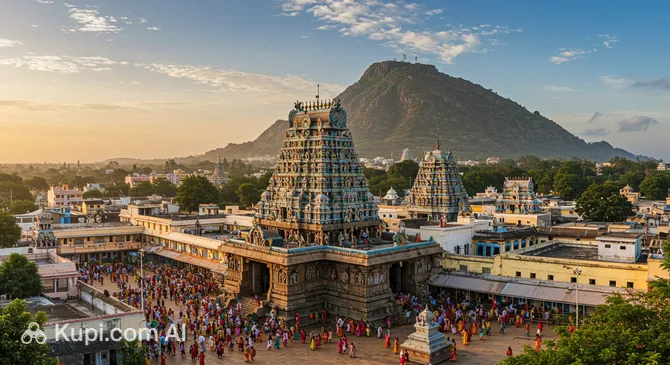
Tiruvannamalai. Illustration.
Source: Kupi.com AI

With a population of about 172,000 people, Tiruvannamalai is not a bustling metropolis, which makes it easy to immerse yourself in local life. It plays an important administrative role in its district and has long been recognized as one of the significant spiritual centers of India. The atmosphere here is truly unique: morning mantras echoing from temples, lively markets, smiling faces of locals, and the consistently impressive silhouette of the sacred mountain on the horizon create a sense of harmony and peace.

The main reasons to visit Tiruvannamalai are certainly its shrines and natural beauty. Notable among them are the majestic Annamalaiyar Temple, dedicated to Shiva, the mystical Mount Arunachala itself—which many consider an incarnation of the deity—and the world-famous Sri Ramanasramam, which attracts spiritual seekers from all over the globe. The city is also famous for its ancient caves and colorful festivals that reflect the region's rich culture.

A trip to Tiruvannamalai is an opportunity to discover a different rhythm of life, touch ancient traditions, and perhaps find new inspiration. This city leaves a deep mark on the soul of everyone ready to dive into its incomparable atmosphere.

You can find more interesting facts on the history of Tiruvannamalai page.
Weather Overview

The weather in Tiruvannamalai is characterized by a hot climate throughout the year. The highest temperatures are observed from April to June, when the average maximum can reach 36-37°C, although daytime temperatures often exceed 34°C as early as March. The "coolest" months are considered to be December and January, when average minimum temperatures drop to 19-21°C and maximum daytime temperatures stay around 28-29°C.

Be prepared for March and April to be very hot and mostly dry. In May and June, the heat persists, but rainfall and the number of rainy days gradually increase. The main rainy season usually spans from July to November. The highest number of rainy days (about 19-20 per month) and the peak, though moderate, amount of precipitation occur in October and November. The winter months, from December to February, are warm and drier in Tiruvannamalai, especially February, which is the driest month of the year.

To get more detailed information about the weather by month, including data on temperature, precipitation, and the number of sunny days, visit the Tiruvannamalai Climate page.

Average monthly temperature

Average monthly precipitation

Interesting Facts

In addition to its famous temples and spiritual atmosphere, Tiruvannamalai holds many surprising stories and features that make it a truly unique place. Here are just a few interesting facts to help you better understand this ancient city:

Sri Ramanasramam. Illustration.
Source: Kupi.com AI

Traveler photos:

  • Mount Arunachala, which dominates the city, is revered not just as a natural feature but as the embodiment of Lord Shiva himself. Tiruvannamalai is one of the five sacred Pancha Bhuta Sthalam sites in South India, where Shiva is worshipped in the form of the element of fire (Agni Lingam), symbolized by this mountain. Every year, thousands of pilgrims perform a ritual circumambulation of the mountain barefoot, known as Girivalam, believing it brings spiritual purification.

  • The city became world-famous thanks to the sage Sri Ramana Maharshi, one of India's most revered spiritual teachers of the 20th century. His ashram, Sri Ramanasramam, still attracts truth-seekers from all over the world who wish to experience his teachings and legacy.

  • Every year during the Karthigai Deepam festival (usually in November-December), a giant lamp (Mahadeepam) is lit on the summit of Mount Arunachala using tons of ghee and a massive wick. This flame, symbolizing Shiva in the form of fire, is visible for many kilometers around and serves as the culmination of one of the city's main festivals, attracting millions of pilgrims.

  • Hidden in the slopes of Mount Arunachala are ancient caves such as Virupaksha Cave and Skandashramam. Saints and hermits have meditated in these secluded spots for centuries, including Ramana Maharshi himself, who spent many years there before founding his ashram.

How to Get There

When planning a journey to the sacred Mount Arunachala, it is important to think through the logistics in advance, as the city does not have its own airport. Nevertheless, the region's transport network is well-developed, and you can find more details on how to get to Tiruvannamalai using a combination of flights and ground transport.

Most tourists arrive in the region via one of the major international hubs. One of the most convenient options is Chennai Airport (IATA: MAA), located in the state capital, Chennai. This is a major international airport serving flights from all over the world. It is located approximately 145 km from Tiruvannamalai. The journey from the airport to the city by taxi or bus takes roughly 4 hours.

An alternative option, especially for those traveling through South India, is Kempegowda International Airport (IATA: BLR) in Bengaluru. Although it is further away—at a distance of about 183 km—the excellent road network allows you to reach your destination in about 5 hours. It is also worth mentioning the small Salem Airport (IATA: SXV) in the city of Salem. It is the closest, only 120 km away (about 3.5 hours of travel), but it serves significantly fewer flights.

For clarity, here is a summary of the main airports:

AirportPassenger trafficDistance
Pondicherry Airport85 00085 km
Salem130 132120 km
Chennai Airport22 mln146 km
Tirupati Airport995 640164 km
Tiruchirapalli International Airport1.8 mln166 km

Rail travel is also a popular way to reach the city. Although Tiruvannamalai has its own railway station, it is not a major hub. The station lies on the Villupuram–Katpadi line, and trains arrive here from several South Indian cities. For travelers from distant regions, it is often more convenient to take a train to major junctions such as Villupuram (about 60 km away) or Katpadi (about 90 km away) and complete the rest of the journey by bus or taxi.

Furthermore, Tiruvannamalai is excellently connected to neighboring cities via a network of roads. Regular state and private buses run from Chennai, Bangalore, Pondicherry, and other major towns in Tamil Nadu. The city's bus station is located in the center, making this mode of transport a very convenient and budget-friendly option for finishing your route.

Main Attractions

Tiruvannamalai, located at the foot of the sacred Mount Arunachala, is one of the most important pilgrimage centers in South India. The city attracts spiritual seekers and tourists alike with its ancient temples and ashrams, steeped in an atmosphere of peace and holiness.

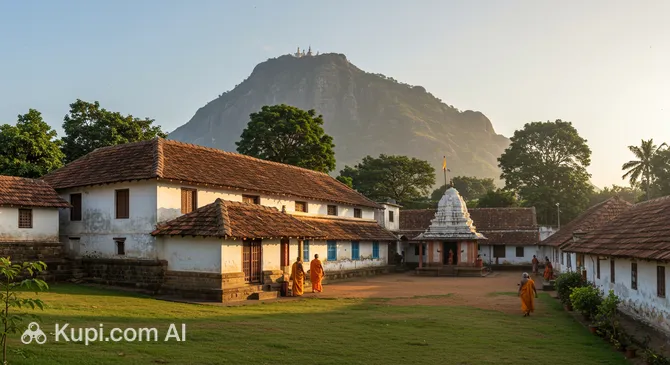
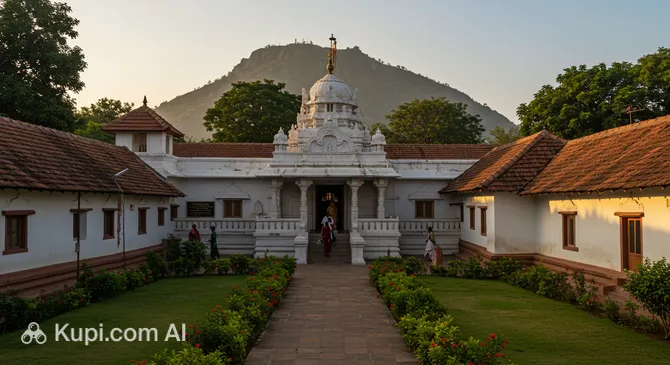
One of the main shrines and focal points is Sri Ramanasramam. This ashram was founded around the teachings and life of the great sage Sri Ramana Maharshi. Pilgrims from all over the world come here for meditation, to study his works, and to visit the Maharshi's Samadhi. The ashram's atmosphere is filled with serenity and encourages deep self-discovery.

Sri Ramanasramam. Illustration.
Source: Kupi.com AI

Traveler photos:

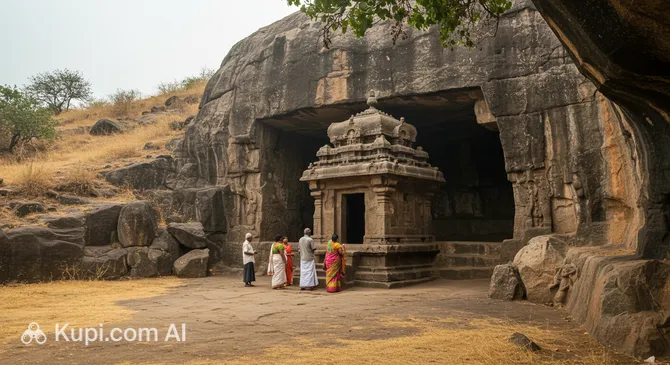
Not far from the ashram, on the slopes of Mount Arunachala, lies Virupaksha Cave. This is a sacred site where Sri Ramana Maharshi spent many years in meditation. The cave is shaped like the "Om" symbol and is considered a place with special energy. Visiting the cave is an opportunity to touch spiritual history and enjoy the silence and views over the city.

Virupaksha Cave. Illustration.
Source: Kupi.com AI

Traveler photos:

Another significant site associated with Sri Ramana is Skandashramam. Located above Virupaksha Cave, this ashram also served as a sanctuary for the sage. It offers magnificent panoramic views, and the site itself is ideal for solitary reflection and meditation. Many visitors note the particularly calming aura of Skandashramam.

Skandasramam. Illustration.
Source: Kupi.com AI

Traveler photos:

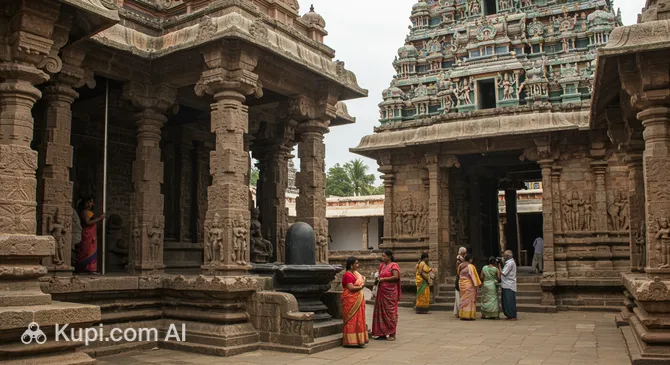
Among the city's numerous temples, the Arulmigu Indra Lingam Temple stands out. This temple is part of the Ashta Lingam complex—eight lingams located around Mount Arunachala, each dedicated to a cardinal direction and a planet. The Indra Lingam Temple is dedicated to the east and the planet Venus, and visiting it is an important part of the Girivalam pilgrimage route—the ritual circumambulation of the mountain.

Arulmigu Indra Lingam Temple. Illustration.
Source: Kupi.com AI

Traveler photos:

For those looking for more secular entertainment or simply a place to relax with children, the city has the Arunagiri Children's Park. It is a pleasant green space where you can spend time with your family and take a short break from the pilgrimage routes.

Local Cuisine

The cuisine of Tiruvannamalai is a true immersion into the flavors of Tamil Nadu, where vegetarian traditions prevail, offering tourists a rich gastronomic experience. The city's food scene is famous for its authenticity and the use of fresh local products. Be sure to try the fragrant dosas—thin crispy crepes made from rice and lentil flour; fluffy idlis—steamed rice cakes; and hearty sambar—a thick lentil stew with vegetables. These dishes are traditionally served with a variety of chutneys, with coconut being particularly popular.

Street food in Tiruvannamalai is a gastronomic adventure in itself. At every turn, you can find stalls selling fresh flatbreads, spicy pakoras (vegetables or other ingredients fried in chickpea flour batter), and sweet fried bananas. Local markets will delight you with an abundance of seasonal fruits, fragrant spices, and traditional Indian sweets like jangri (similar to jalebi but denser) and laddu (balls made of flour, sugar, and ghee).

Among drinks, the famous South Indian filter coffee holds a special place, known for its strong taste and rich aroma. It is prepared in a special way using a unique metal filter. You can also always refresh yourself with freshly squeezed juices from local fruits or try lassi—a traditional yogurt-based drink that comes in both sweet and salty varieties.

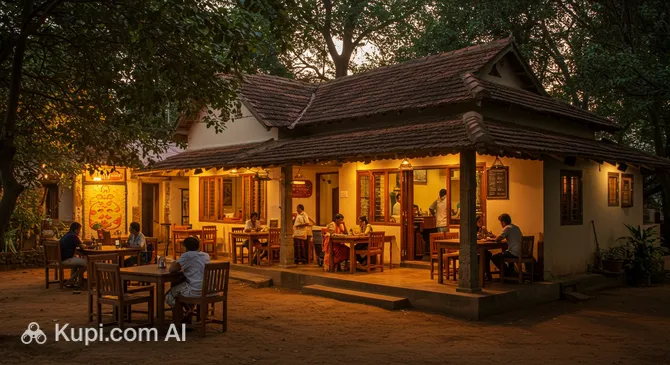
Locals and pilgrims often prefer to eat in small authentic cafes, numerous vegetarian restaurants offering dishes made from the freshest farm products, and ashram dining halls, where food is often prepared according to Ayurvedic principles and is considered especially healthy. One of the establishments where you can get acquainted with the local cuisine is The Dreaming Tree Restaurant.

The Dreaming Tree Restaurant. Illustration.
Source: Kupi.com AI

Traveler photos:

Food festivals and fairs often take place during major religious holidays, turning the city streets into one large open-air kitchen. This is a wonderful opportunity to try rare traditional dishes prepared according to ancient recipes and fully experience the hospitality of Tiruvannamalai.

Travel Tips

Welcome to Tiruvannamalai, the spiritual heart of Tamil Nadu! To ensure your journey to this amazing city, known for its Mount Arunachala and ashrams, goes smoothly and leaves only pleasant impressions, we have prepared some practical tips.

  1. Clothing and Essentials: Tiruvannamalai has a hot and humid climate, so choose light, breathable clothing made from natural fabrics like cotton or linen. Be sure to bring sunscreen, a hat, and sunglasses. For visiting temples, such as the famous Annamalaiyar Temple, and ashrams, modest clothing covering shoulders and knees is required (for both men and women). Don't forget comfortable walking shoes, especially if you plan to perform Girivalam (circumambulation of Mount Arunachala). A universal power adapter will also be useful, as India uses Type C, D, and M sockets.
  2. Local Transport: The main mode of transport in Tiruvannamalai is the auto-rickshaw. Always agree on the price before starting the journey. Local buses are also available, but they can be crowded. Taxis can be hired for more comfortable or long-distance trips. Scooter rental is possible, but be prepared for intense local traffic. Many holy sites and the central part of the city are easily accessible on foot.
  3. Finances: The local currency is the Indian Rupee (INR). You can exchange currency at banks or authorized exchange bureaus. Credit and debit cards are accepted in large hotels and some shops, but always have cash for markets, small establishments, and auto-rickshaws. ATMs are quite common. A daily budget can vary, but aim for 1500–3000 rupees excluding accommodation. Tipping is welcome: about 10% in restaurants, and small amounts for porters and drivers.
  4. Health and Safety: Drink only bottled water. There are pharmacies in the city, but not all are open 24/7. It's better to have basic medicines with you. If you need medical help, contact local clinics or hospitals; check with your hotel for the nearest options. Tiruvannamalai is generally safe for tourists, but take standard precautions: watch your belongings and avoid walking alone in poorly lit areas late at night.
  5. Communication: The official language of Tamil Nadu is Tamil. In tourist areas, hotels, and among young people, many speak English. Learn a few simple phrases in Tamil, such as "Vanakkam" (Hello) and "Nandri" (Thank you); this will be appreciated by the locals. A SIM card with internet access can be purchased at official mobile operator stores by presenting your passport and visa. Wi-Fi is available in most hotels and some cafes.
  6. Local Etiquette: Greet people with "Vanakkam" or the traditional "Namaste" gesture (palms pressed together at chest level). Always remove your shoes before entering temples and homes. When receiving or giving food, money, or other items, try to use your right hand. Avoid public displays of affection. Ask permission before taking photos of people, especially during religious rituals.
  7. What to Avoid: Do not point your feet at people, religious images, or altars, as feet are considered unclean. Try not to engage in loud arguments or show aggression, especially in public and holy places. Also, be cautious with offers from strangers, particularly those concerning "unique spiritual practices" for money.
  8. Tiruvannamalai Special Feature: The city is a powerful spiritual center. The full moon (Purnima) is a special time when thousands of pilgrims perform Girivalam—a 14-kilometer walk around the sacred Mount Arunachala. If your visit coincides with the full moon, be prepared for large crowds, but it is also a unique opportunity to experience local traditions. Respect the religious feelings of pilgrims and the sacred atmosphere of the place.

We hope these tips help you better prepare for your trip to Tiruvannamalai and get the most out of visiting this unique city. We wish you an unforgettable journey and deep spiritual experiences!

Entertainment & Nightlife

Tiruvannamalai, known as a spiritual center of India, primarily offers its guests calm and peaceful evening leisure, which differs significantly from the noisy nightlife of major metropolises. Instead of loud clubs and bars, you will find an atmosphere for reflection, pleasant conversations, and enjoying local cuisine in the evenings.

The main focus of evening entertainment in Tiruvannamalai is centered around restaurants and cafes, where you can taste both traditional South Indian dishes and international cuisine adapted for pilgrims and tourists from around the world. Many establishments stay open until late evening, offering a cozy setting. The atmosphere in such places is usually relaxed and friendly. The crowd is a mix of locals, pilgrims, and foreign tourists. There is generally no formal dress code, though a respectful approach to the holy site is expected.

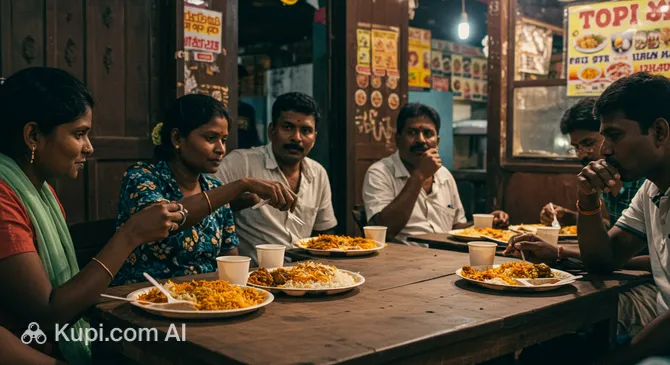
Popular dining spots include The Dreaming Tree Restaurant, known for its pleasant atmosphere, or Topi Vappa Biriyani, where you can try authentic local dishes. Most restaurants and cafes are concentrated along the main roads leading to the Annamalaiyar Temple and in the area adjacent to Sri Ramanasramam.

Topi Vappa Biryani. Illustration.
Source: Kupi.com AI

Traveler photos:

Regarding typical nightclubs or bars with loud music, there are practically none in Tiruvannamalai, as the city preserves its spiritual character. Evening life here is more conducive to quiet walks, attending evening temple services (if accessible to tourists), or leisurely conversations over a cup of tea. Night markets in the traditional sense are also not a feature of the city, although some souvenir or grocery stalls may stay open late in busy tourist zones.

Practical tips for evening leisure:

  • The best time for dinner is between 7:00 PM and 10:00 PM, though some establishments may close earlier or later.
  • Prices in restaurants vary but generally remain affordable.
  • For getting around in the evening, you can use auto-rickshaws or book a taxi through your hotel. Make sure to agree on the price in advance if using a rickshaw without a meter.

Safety: Tiruvannamalai is generally considered a safe city. However, as with anywhere, it is recommended to take standard precautions after dark: avoid poorly lit and deserted streets, especially if you are alone. It is safest to use official taxis or auto-rickshaws ordered through your hotel or a known service.

During the day, Tiruvannamalai offers many opportunities for spiritual enrichment and cultural leisure. You can visit the famous Arulmigu Indra Lingam Temple, explore Virupaksha Cave, or spend time at Sri Ramanasramam. Families with children might enjoy the Arunagiri Children's Park. There are few classical museums here; the primary focus is on spiritual and historical sites.

Parks & Museums

Tiruvannamalai, known for its deep spiritual heritage, offers visitors a unique blend of cultural discovery and connection with nature. While the city may not boast a large number of traditional museums or expansive urban parks in the conventional sense, its essence is revealed through sacred sites, ashrams, and the surrounding natural beauty.

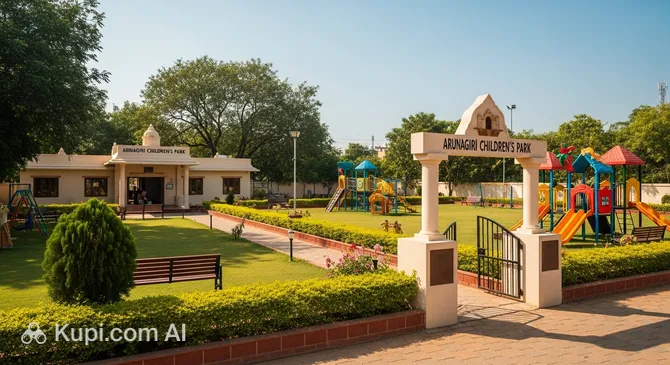
For those seeking green spaces, the Arunagiri Children's Park offers a pleasant place to relax, especially if you are traveling with children. Here you can find playgrounds and take a short break from the city's hustle and bustle. Additionally, the sacred Mount Arunachala itself and its surroundings constitute a vast natural area, ideal for meditative walks and enjoying panoramic views. The trails leading around the mountain and to various shrines allow you to immerse yourself in the calm atmosphere of this place.

Arunagiri Children's Park. Illustration.
Source: Kupi.com AI

Traveler photos:

Speaking of museums, Tiruvannamalai offers more of an immersion into living history and culture through its spiritual centers. One of the most important of these is Sri Ramanasramam, dedicated to the life and teachings of the sage Sri Ramana Maharshi. The ashram often features displays, photographs, and artifacts telling the story of his journey, making this place a kind of living museum and center of spiritual heritage. It is a wonderful opportunity to learn more about an influential figure in Indian spirituality.

Sri Ramanasramam. Illustration.
Source: Kupi.com AI

Traveler photos:

Key historical and architectural sites of cultural value are the city's numerous temples, the main one being the Annamalaiyar Temple. These ancient structures are themselves open-air museums, showcasing exquisite Dravidian architecture and centuries-old traditions. It is also worth visiting significant sites like Virupaksha Cave and Skandashramam—caves on the slopes of Arunachala where Sri Ramana Maharshi meditated. They possess not only spiritual power but are also witnesses to the region's history.

Virupaksha Cave. Illustration.
Source: Kupi.com AI

Traveler photos:

For an authentic experience, beyond the well-known sights, explore the smaller shrines scattered at the base and on the slopes of Arunachala. Observing daily rituals or visiting the city during one of its many festivals will allow you to deeper appreciate its unique atmosphere.

Getting Around

Public transport in Tiruvannamalai is primarily represented by buses and auto-rickshaws, which are the most convenient ways to get around the city and its surroundings. There are no metros, trams, or trolleybuses in the city.

Buses are the most common and economical form of public transport. There are both state and private bus routes connecting various parts of the city, as well as leading to the Annamalaiyar Temple and other important points. Fares are paid in cash directly to the conductor on the bus. Ticket prices are very affordable. Buses generally run frequently during the day, but their numbers may decrease in the evening. Schedules may not always be precise, and route information is often in Tamil, so don't hesitate to ask locals or the conductor for directions.

Auto-rickshaws are another popular way to get around, especially for short trips or when you need to reach a place not served by buses. They are easily available throughout the city. It is crucial to agree on the fare with the driver in advance, before getting in, as meters (if present) are not always used. Payment is also made in cash.

Taxis in Tiruvannamalai are less common for intra-city trips compared to auto-rickshaws, but they can be hired for longer journeys or for greater comfort, such as transfers to/from other cities. Taxi services are usually booked in advance or through a hotel.

For tourists who prefer more independence, renting scooters or bicycles is possible, especially if you plan to explore the city's outskirts at your own pace. Several rental points can be found in tourist areas. Walking is also an excellent way to get to know the central part of the city, especially the area around the temple.

Practical tips for tourists: always carry small change for fares. During peak hours and festivals, public transport can be crowded. Be prepared for the fact that the comfort level in local buses may differ from what is typical in Europe.

Accommodation

In Tiruvannamalai, travelers will find a wide range of accommodation options to suit various preferences and budgets. The city offers everything from modest guesthouses and ashrams for those seeking spiritual immersion to mid-range hotels with a more familiar set of amenities. Many tourists prefer to stay in areas located in close proximity to the main shrine—Mount Arunachala—and near significant sites like Sri Ramanasramam to be at the heart of the city's spiritual and cultural life.

Ellora Hotels. Illustration.
Source: Kupi.com AI

Traveler photos:

While there are few luxury resorts here, Tiruvannamalai has comfortable hotels offering good service. For instance, popular options include Ellora Hotels and Fortune Residency. These hotels offer modern amenities and can serve as a great base for exploring the city and its surroundings.

When planning a trip to Tiruvannamalai, especially during peak season or major festivals, it is recommended to book accommodation in advance. The price range varies from very budget-friendly options in ashrams and simple guesthouses to moderate prices in mid-level hotels. Most accommodation options can be found and booked through popular online platforms or by contacting the hotels and guesthouses directly.

Nearby Cities

For those who want to explore the surrounding area, Tiruvannamalai serves as an excellent starting point for day trips to several interesting nearby locations:

CityPopulationDistance
Tiruvennanallur11 3281 km
Vengikkal11 4724 km
Melmadai38 40914 km
Tandarampattu9 36616 km
Avalurpet9 68422 km

For example, Gingee is famous for its impressive fort, a grandiose structure with a rich history spread across several hills. Tirukkoyilur attracts pilgrims with its ancient temples, notably the Ulagalantha Perumal Temple, an important center of Vaishnavism. A trip to Polur may be of interest to those fascinated by the history of Jainism, thanks to its ancient Jain caves and temples, as well as its picturesque surroundings.

These nearby destinations provide an insight into the diverse culture and landscapes of the region. Each trip promises new discoveries and impressions, complementing your visit to Tiruvannamalai.

Shopping & Souvenirs

Shopping in Tiruvannamalai offers a unique experience, centered mainly on goods related to spirituality, local crafts, and traditional Indian products. As an important pilgrimage center, the city is famous for items used in religious practices, as well as handmade goods reflecting the region's culture.

Main shopping spots are concentrated around the main Annamalaiyar Temple and on the streets leading to famous ashrams, such as Sri Ramanasramam. Here you can find many small shops and stalls offering a variety of goods. Streets like Car Street and Thiruvoodal Street are often mentioned as busy commercial zones where you can find everything from clothing to souvenirs and religious items.

In Tiruvannamalai, you will not find large modern shopping malls in the usual sense. Shopping here is more traditional, with an emphasis on small shops and local markets. However, you might come across small shopping complexes offering basic goods.

Local markets in Tiruvannamalai are colorful places where you can dive into the city's daily life. They sell fresh fruits, vegetables, spices, flowers, as well as inexpensive clothing and household items. While there may not be specialized flea markets or huge souvenir markets, you can always find something interesting and authentic in the general markets.

Items to bring back from Tiruvannamalai that reflect its spiritual atmosphere and local traditions include:

  • Images and figurines of Hindu deities, especially Shiva and Ramana Maharshi.
  • Items for puja (religious rituals): incense, aromatic oils, camphor, ritual bells.
  • Rudraksha (sacred seeds) and products made from them.
  • Books on Hinduism, yoga, meditation, and the teachings of Ramana Maharshi.
  • Traditional Indian clothing: saris (especially in silk or cotton), kurtas, shawls.
  • Handicrafts from local artisans: bronze items, wooden crafts, hand-embroidered textiles.

Most shops in Tiruvannamalai operate from approximately 10:00 AM to 8:00 PM or 9:00 PM; some may close for a lunch break in the middle of the day, especially small stalls. Markets usually open early in the morning. Regarding payment, cash (Indian Rupees) is the most common method, especially in markets and small shops. Larger stores and hotels may accept credit and debit cards, but it is always better to have enough cash on hand.

The Tax-Free refund system for tourists on most goods purchased in retail stores in Tiruvannamalai, as in most small cities in India, is not common. This service is more often available at major international airports when purchasing specific items in specialized stores.

Nearby cities

Have you reached the end of the page?

So the route has been studied inside and out