Support

Sehore

About

Sehore is a city where the centuries-old traditions of Madhya Pradesh blend harmoniously with the unique charm of authentic India. It offers travelers a unique opportunity to immerse themselves in the genuine atmosphere of the central part of the country, far from the hustle and bustle of major tourist hubs.

Located in the heart of the country, just 40 kilometers southwest of Bhopal, Sehore is nestled in picturesque plains surrounded by green fields and small hills. The city lies on the banks of the Seevan River, which gives it a special freshness and a peaceful atmosphere. With a population of just over 100,000 people, Sehore maintains a charming, intimate feel: there is no metropolis frenzy here, yet there is everything necessary for a comfortable life and leisurely strolls. As the administrative center of the district of the same name, it serves as an important hub for those seeking to discover the non-touristy side of India.
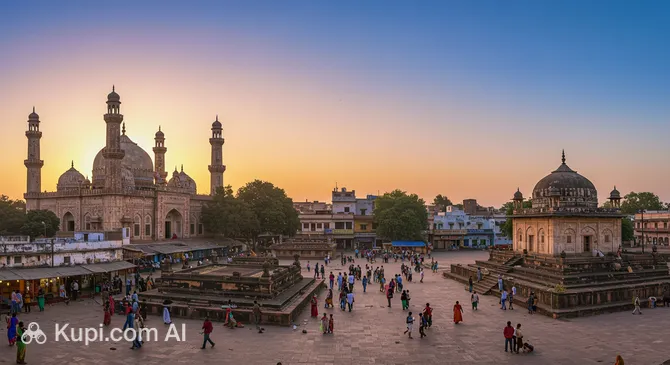
Sehore. Illustration.
Source: Kupi.com AI

Sehore is a place where the past and present intertwine at every step. Here, you can fully experience the rhythm of traditional Indian life: wander through bustling markets, enjoy fragrant tea at street tea stalls, visit ancient temples, and chat with friendly locals who are always ready to share stories of their land. These features create the city's unique character.

Arriving in Sehore is like stepping into a cozy provincial fairy tale where time flows more slowly and every day is filled with new discoveries. This city is a must-visit for those seeking authenticity and peace of mind. Sehore is perfect for getting acquainted with the culture of central India, taking slow walks, studying local traditions, and enjoying nature. It is easy to forget the daily rush here and truly relax your soul.

You can find more interesting facts on the history of Sehore page.

Weather Overview

The weather in Sehore is characterized by significant seasonal fluctuations. The hottest months are April and May, when average temperatures can reach 30.9°C and 33.5°C respectively, with maximums rising to 37-39°C. From June to September, the rainy season arrives, bringing most of the annual precipitation; July and August are the wettest months with about 25 rainy days each. Winter, from December to February, is mild and dry, with average temperatures around 17-21°C and minimal rainfall. Expect hot summers with monsoon rains and mild, dry winters.

To learn more about the climate conditions and get a current forecast, you can visit the weather in Sehore page.

Average monthly temperature

Average monthly precipitation

Interesting Facts

In addition to its well-known landmarks, Sehore hides many surprising stories and curious details. This city with a rich past is ready to share its secrets with an attentive traveler.

  • Few know that Sehore is mentioned in ancient chronicles as a significant trading and spiritual center of its era. Numerous old temples and architectural monuments in its surroundings serve as silent witnesses to this wealthy past.

  • A belief exists among locals regarding the Siddheshwar Mahadev Temple: it is said that your most cherished wishes can come true if you visit the temple on the day of the Mahashivaratri festival and make an offering to Lord Shiva.

  • Wandering through Sehore, you can discover well-preserved colonial buildings from the 19th century. Old schools and administrative buildings with their distinctive architecture serve as reminders of the British period in the city's history, adding to its special charm.

  • Sehore is famous for its annual fair, which transforms the city into a vibrant center of crafts and traditions. This is a unique opportunity to see authentic folk dances, taste rare local delicacies, and purchase handmade items from artisans across the district.

How to Get There

When planning a trip to Sehore, located in the picturesque Indian state of Madhya Pradesh, you have several convenient options for reaching the city. The main transport hubs through which travelers usually arrive in the region are the airports of nearby major cities.

While Sehore itself does not have its own airport, the closest and most convenient option is Raja Bhoj Airport (IATA: BHO), located in the city of Bhopal. The distance from this airport to the center of Sehore is only about 27.5 km. A taxi or local bus ride will take approximately 1 hour. This airport serves many domestic flights and is an important transport hub for the region.

Another major airport to consider, especially if you are arriving on an international flight, is Devi Ahilya Bai Holkar Airport (IATA: IDR) in Indore. It is located about 142 km from Sehore. The journey from Indore to Sehore by taxi or bus will take roughly 3.5 to 4 hours. This airport has international status and receives flights from various Indian cities and some other countries.

For convenience, here is a summary of the main airports used to reach Sehore:

AirportPassenger trafficDistance
Raja Bhoj Airport1.6 mln28 km
Devi Ahilya Bai Holkar Airport3.9 mln142 km
Jalgaon92 470290 km

In addition to air travel, there are other ways to get to Sehore. The city has a functional railway station (code: SEH), making it possible to arrive by train. Sehore is also connected by regular bus services to Bhopal, Indore, and other nearby cities. For those who prefer traveling by private transport, car travel is available, as the roads in the region are in acceptable condition.

Main Attractions

Sehore, a city with a rich history in the state of Madhya Pradesh, offers travelers several interesting places to visit. While it may not be as widely known as India's major tourist centers, it has its own unique attractions reflecting the cultural and historical heritage of the region.

One of the main shrines in Sehore is the ancient Chintaman Ganesh Mandir. This pilgrimage site attracts believers and tourists with its centuries-old history and the deep-seated belief that prayers addressed to Lord Ganesha in this temple are answered. The temple is known for its peaceful atmosphere and is an important spiritual center of the city, offering visitors a chance to connect with local traditions.

Of great historical value is the memorial to Kunwar Chain Singh, also known as the Chhatri of Shaheed Kunwar Chain Singh. These cenotaphs were erected in memory of a local prince who showed great bravery in the 19th century. For tourists, this site is interesting not only as a reminder of an important episode in the region's history but also for its characteristic architecture and quiet setting, perfect for reflecting on the past.

The city is also home to the notable Jama Masjid. This mosque, an important religious center for the local Muslim community, also draws the attention of tourists with its architecture. Visitors can appreciate traditional elements of Islamic building design and feel the atmosphere of this significant site in the city.

Among the architectural monuments of Sehore, All Saints' Church also stands out. Built during the colonial period, this Anglican church is an interesting example of European architecture in an Indian city. It attracts those interested in history and the blending of cultures, offering a glimpse into another era and its preserved heritage.

Local Cuisine

The gastronomy of Sehore is a true immersion into the flavors of central India, offering travelers authentic culinary discoveries. Local cuisine is characterized by the use of aromatic spices, fresh products, and age-old traditions passed down through generations, creating a unique gastronomic experience.

Among the dishes that you must try in Sehore, dal baati stands out—a hearty and fragrant combination of lentil soup (dal) and crunchy wheat dough balls (baati), which are often baked over charcoal to give them a special smoky aroma. Another local favorite, particularly popular for breakfast, is poha. This light dish is made from flattened rice flakes cooked with turmeric, onions, mustard seeds, and often supplemented with peanuts, fresh coriander leaves, and a squeeze of lemon juice for tanginess.

Street food in Sehore is a separate chapter of the culinary journey, vibrant and affordable. On every corner, you can find stalls with mouth-watering samosas—crispy triangular pastries with a spicy potato filling—or try khaman, fluffy and delicate chickpea flour cakes that are steamed and sprinkled with herbs. An integral part of the local culture is masala chai—an aromatic and warming drink made of black tea, milk, sugar, and a blend of spices like cardamom, ginger, and cloves. It is drunk everywhere and is the ideal accompaniment to any meal or just as a refreshing drink during the day.

For those with a sweet tooth, Sehore also offers many temptations. Be sure to try jalebi—bright orange crispy dough spirals soaked in sugar syrup, often prepared right before your eyes at street stalls. Another popular Indian sweet found in Sehore is gulab jamun, soft balls made of reduced milk (khoya), deep-fried and soaked in a fragrant syrup with cardamom or rose water.

The food culture in Sehore is closely tied to street food and home cooking. Locals often snack at street vendors, and for more substantial meals, they prefer traditional dishes prepared at home or in small local restaurants where you can experience true hospitality. Farmer markets in the city also provide vivid impressions, where you can see a kaleidoscope of fresh vegetables, juicy fruits like mango and papaya, and purchase various spices that are the soul of Indian cuisine. Additionally, the city occasionally hosts food festivals showcasing the culinary diversity of the Madhya Pradesh region and offering chances to participate in workshops on cooking traditional treats.

Travel Tips

Welcome to Sehore! To make your journey to this corner of India as comfortable and memorable as possible, we have prepared some practical tips to help you navigate locally.

  1. Clothing and Essentials: The climate in Sehore can be quite hot, especially during the summer months (March–June). Bring light, breathable clothing made from natural fabrics like cotton or linen. During the rainy season (July–September), an umbrella or raincoat will be useful. In winter (October–February), it is warm during the day, but evenings can be chilly, so a light jacket or sweater won't hurt. Comfortable shoes are your best companion for city walks and sightseeing. Don't forget sunscreen, a hat, and insect repellent. If you plan to visit religious sites, choose clothing that covers shoulders and knees. You may also need a universal power adapter.

  2. Transport: The main types of public transport in Sehore are buses and auto-rickshaws. Auto-rickshaws are convenient for short trips, but always agree on the price before starting. Taxis are also available, but there may not be as many as in large metropolises; check locally if they can be called via apps. Car rental is possible, but keep in mind the local traffic—it can be quite chaotic for an unaccustomed driver.

  3. Finances: The official currency is the Indian Rupee (INR). It is recommended to exchange money at banks or official exchange offices to avoid fraud. Credit and debit cards are accepted in some hotels, restaurants, and large shops, but always have enough cash on hand, especially for market purchases, auto-rickshaw fares, and at small establishments. There are ATMs in the city. International cards might not work everywhere, so check in advance. Tipping is not always mandatory but is appreciated: about 10% in restaurants if service is not included, and small amounts for porters or drivers.

  4. Health and Safety: There are pharmacies in the city where you can buy basic medications. For serious medical assistance, contact local hospitals or clinics; travel insurance is highly recommended. Follow basic precautions: drink only bottled water and wash fruits and vegetables thoroughly. Avoid secluded and poorly lit areas after dark, and keep an eye on your personal belongings, especially in crowded places.

  5. Communication: The official language in Madhya Pradesh is Hindi. English is common in the tourism sector and is spoken by hotel staff and some traders, but overall proficiency among the local population may be limited. Learn a few simple phrases in Hindi, such as: "Namaste" (Hello/Goodbye), "Dhanyavad" (Thank you), "Yeh kitne ka hai?" (How much is this?). For convenience, you can purchase a local SIM card with internet access; Wi-Fi is available in most hotels and some cafes.

  6. Local Etiquette: In India, it is customary to greet people with the word "Namaste," accompanied by a slight bow with palms pressed together at the chest. When visiting temples and homes, it is customary to remove your shoes. Try to use your right hand for eating, passing money, or objects, as the left hand is traditionally considered "unclean." Show respect for local traditions and customs, and always ask permission before taking photos of people.

  7. What to Avoid: Do not drink tap water and avoid ice in drinks unless you are sure of its source. Also, try not to get into loud arguments, especially regarding prices—it is better to bargain calmly and with a smile. It is not wise to openly display expensive jewelry or large amounts of money.

  8. A Special Tip for Sehore: Sehore boasts interesting historical sites such as the ancient Ganesh Mandir and the cenotaphs (tombs) of the Nawabs of Bhopal. Be sure to set aside time to visit them. Also, don't miss the chance to wander through the local markets to experience the authentic city atmosphere and perhaps buy unique souvenirs.

We hope these tips make your stay in Sehore pleasant and safe. We wish you unforgettable impressions as you discover this city and the culture of India!

Entertainment & Nightlife

Evening in Sehore offers its own ways to have a pleasant time, though it does not boast the noisy nightlife districts typical of metropolises. Entertainment here is more low-key and local, focused on socializing and enjoying the local atmosphere, which has its own charm.

The main centers of evening activity are usually popular local restaurants and eateries. These places are best found in the busiest parts of the city, such as the area around the Main Bus Stand, along Station Road, or near administrative buildings like the Collectorate Office. This is where you can find establishments where locals gather for dinner or just to chat. For example, restaurants like Hotel Paroha and Restaurant or Shree Ji Restaurant are typical representatives of places where you can enjoy local cuisine in a relaxed setting. The atmosphere in such establishments is generally welcoming, and there is usually no strict dress code. Places come to life towards the evening and may stay open until late at night, especially on weekends. There are few specialized nightclubs in the European sense; the focus is more on quiet relaxation and dining.

The best time to experience the evening atmosphere of Sehore is after 8:00 PM, when the daytime heat subsides. Prices in local establishments are generally moderate, but it is always helpful to check the price range before ordering. For moving around at night, it is recommended to use taxi services or auto-rickshaws. Be sure to agree on the fare in advance to avoid misunderstandings.

In terms of safety, Sehore is generally considered a peaceful city. Nevertheless, standard precautions are always wise: try to stick to well-lit and crowded streets, especially if you are traveling alone, and keep a close eye on your personal belongings. Taxi services for evening trips can often be booked through your hotel, which is a reliable option.

During the day, Sehore offers more traditional forms of leisure for tourists. Guests of the city can, for example, visit small local temples to experience the region's culture or stroll through city squares, where they can escape the hustle and bustle and observe the daily life of the residents. While the city lacks large museums or amusement parks, its charm lies in its authenticity and the opportunity to see the everyday life of provincial India.

Parks & Museums

Sehore, nestled comfortably in the state of Madhya Pradesh, offers its guests not only an introduction to the daily life of an Indian town but also the chance to relax in green spaces and connect with its cultural heritage. The city preserves interesting pages of history reflected in its architecture and shrines.

While Sehore may not be famous for world-class botanical gardens, you can find pleasant public parks and squares where locals and tourists can escape the city's bustle. Among such places are local recreation parks, which are great for leisurely walks and observing daily life. Furthermore, Sehore itself is picturesquely spread along the banks of the Seevan River, and its surroundings offer opportunities for connecting with nature and enjoying local landscapes.

In Sehore, as in many historical cities in India, the urban environment and its landmarks often serve as living museums. There may not be as many specialized large museum complexes here as in major cities, but history comes alive in ancient temples, mosques, and other historical structures, each telling its own unique story.

Key cultural and historical sites in Sehore that serve as keepers of heritage include: Ganesh Mandir – this is not just an important pilgrimage site but also a significant cultural center, attracting visitors with its spiritual atmosphere and architectural features. It is the heart of the city's religious life. The historical Jama Masjid stands as a witness to Sehore's centuries-old history and is of great interest to those fascinated by Islamic architecture and the region's cultural heritage. All Saints' Church – a unique architectural and historical monument considered one of the oldest Christian churches in central India. Its construction is linked to the British period, and it tells the multi-layered history of the city. Cenotaphs of Kunwar Chain Singh – a memorial complex dedicated to a local ruler known for his bravery. This site will be of interest to those who want to better understand the history and heroic past of the region.

For a more authentic experience, we suggest a stroll through the local markets of Sehore, where you can observe daily life, try street food, and perhaps find interesting souvenirs or works by local artisans. Also, a slow walk through the old streets of the city can reveal curious architectural details and quiet courtyards hidden from view, which preserve the spirit of time.

Getting Around

Getting around Sehore can be done in several ways, each convenient in its own way for exploring the city. Public transport here is mainly represented by buses and the popular auto-rickshaws, which will help you reach your destinations.

The primary form of public transport in Sehore is city buses. They run on set routes, connecting different parts of the city and its surroundings. This is the most economical way to get around. Tickets are usually purchased directly from the conductor upon boarding the bus, and payment is made in cash. Be prepared for the fact that schedules may not always be precise, and buses can be crowded during peak hours.

Auto-rickshaws (often called tuk-tuks) are a very common and flexible way to move around Sehore. They are especially convenient for short and medium distances, as well as for traveling through narrow streets where a bus might not fit. A key point: always agree on the fare with the driver before starting your journey, as meters are not always used, and this will help avoid misunderstandings. In some areas, you may also find cycle-rickshaws, offering slower but more colorful rides over short distances.

For more comfort or longer distance trips, you can use taxi services. They can be found at special ranks or ordered through local dispatch services if available. This will be more expensive than a bus or auto-rickshaw but will provide a more private and comfortable move. The availability of mobile apps for booking taxis should be checked on-site, as their prevalence may vary.

Tourists planning to use public transport in Sehore are recommended to always carry small bills for fare payment, as conductors or drivers may not always have change for large banknotes. Buses usually start running early in the morning and stop in the evening; auto-rickshaws are available almost around the clock, though rates may be higher at night. You can find out exact bus routes from locals or at major stops. For short distances in the city center, it is perfectly possible to get around on foot, enjoying the atmosphere of Sehore.

Accommodation

In the city of Sehore, travelers can find various accommodation options to suit different budgets and preferences. Most choices here consist of guesthouses and mid-range hotels, offering comfortable stays for both short and long visits.

When choosing a place to stay in Sehore, it is worth looking at areas near major transport hubs or the central part of the city, from where it will be convenient to reach the places that interest you. Most accommodation options offer the basic amenities necessary for a comfortable stay.

Regarding the price range, you can find both budget-friendly options and hotels with a higher level of comfort in Sehore. It is recommended to compare prices and conditions on various online booking platforms, such as Booking.com, Agoda, or local travel websites. Direct booking via the hotel's website or by phone may also be available.

To guarantee availability, especially if your trip coincides with popular tourist seasons or local holidays, it is recommended to book your accommodation in advance. This can also help you find better deals. Overall, finding a suitable place to stay in Sehore is not difficult if you spend a little time on it before your trip.

Nearby Cities

For those looking to explore the surroundings, Sehore serves as an excellent starting point for day trips to several interesting nearby locations:

For example, Bhopal, the capital of Madhya Pradesh, attracts visitors with its picturesque lakes and historical architecture. You can also visit Narsinghgarh, which is famous for its wildlife sanctuary and historical fort, offering a mix of nature and history. These and other cities listed below provide a variety of experiences for short journeys.

CityPopulationDistance
Ichhawar16 74921 km
Kothri Kalan10 87429 km
Bhopal1 798 21834 km
Kurawar15 48735 km
Ashta53 62843 km

These nearby destinations allow for a deeper acquaintance with the diverse culture and natural beauty of the region.

Shopping & Souvenirs

Shopping in Sehore offers tourists the chance to dive into the authentic atmosphere of an Indian provincial city. You won't find massive malls with global brands here, but you can enjoy the color of local bazaars and small shops offering daily goods, traditional items, and souvenirs. This is a great chance to see the real India and buy something as a keepsake without the tourist crowds.

The main shopping arteries of Sehore are usually concentrated around the central streets and near the main market squares. Strolling through these busy districts, you'll find many small stalls and shops selling everything from clothing and shoes to household goods and electronics. This is where you can feel the pulse of the city and observe the daily life of its inhabitants.

As for large shopping centers in the modern sense, there may be few in Sehore, or they will be small shopping complexes with local stores. Instead of giant malls, individual shops and family-run stalls predominate here, giving shopping a special, more traditional character.

Markets are the heart of trade in Sehore and an integral part of Indian culture. Local bazaars will delight you with a variety of fresh vegetables and fruits, aromatic spices, as well as textiles, affordable clothing, and handmade crafts. Visiting such a market is not just shopping, but a real adventure that allows you to understand local life more deeply and perhaps bargain for an item you like.

For souvenirs from Sehore and the Madhya Pradesh region, look for traditional Indian goods. These might include vibrant fabrics like saris, stoles or scarves, and items made by local artisans from wood, clay, or metal. Incense, natural cosmetics based on Ayurvedic recipes, Indian tea, and, of course, a variety of spices that will add an exotic touch to your dishes are also popular.

Shops in Sehore usually operate from 10-11 AM to 7-8 PM, and some may close for a lunch break. Markets often start early in the morning. The most common method of payment, especially in small stalls and markets, is cash (Indian Rupees). Some larger shops may accept bank cards, and local mobile payment systems (UPI) are very popular in India. It is recommended to always have some cash with you.

The Tax-Free refund system for tourists on most daily goods in cities like Sehore is generally not widespread or its application is limited. Usually, such an option is provided at major international airports or in specialized stores when purchasing expensive goods like jewelry or electronics, and it requires specific documentation.

Reached the end of the page?

That means the route is fully explored