Support

Shorapur

About

Shorapur, also known as Surapura, is a unique corner of India located in the state of Karnataka. The city is steeped in the atmosphere of the past, having once served as the capital of a princely state of the same name, and it has preserved the spirit of feudal grandeur and a heroic struggle for independence to this day. Here, modern life is closely interwoven with ancient traditions against a backdrop of picturesque hills and endless agricultural plains.
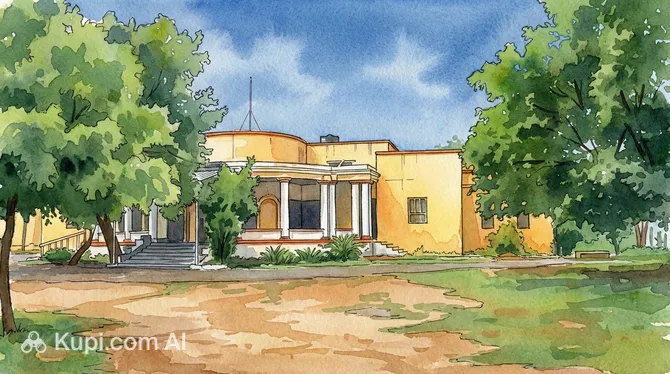
Shorapur. Illustration.
Source: Kupi.com AI

Geographically, Shorapur is situated in the Yadgir district and serves as an important administrative and agricultural hub. According to the history of the city, this place is inextricably linked with the name of Raja Venkatappa Nayaka, a young and brave fighter against British rule. Although the population of the city itself is around 50,000 people, the scale of this region's influence on the culture of Karnataka is far more significant.

For the traveler, Shorapur is primarily attractive for its heritage: ancient forts, ruins, and unique architecture. One of the main jewels is the famous Taylor Manzil — a bungalow with an extraordinary design built in the mid-19th century. The quiet, provincial setting allows guests to truly immerse themselves in authentic Indian life, far from the noise of the megacities.

We invite you to visit Shorapur to see the monuments of valor with your own eyes, stroll through the old streets, and experience the hospitality of this historical region. This place is ideal for those seeking inspiration in history and who appreciate sincere, non-touristy beauty.

Weather Overview

Shorapur is located in a semi-arid climate zone, which determines the nature of the weather throughout the year. High temperatures prevail here, especially during the spring months. April and May are the hottest periods, when the thermometer often climbs to +38°C...+39°C. If you are planning a trip, be sure to take this factor into account and choose light clothing made of natural fabrics.

The winter months, from December to February, are considered the most comfortable for visiting. During this time, pleasant weather sets in with average temperatures around +24°C...+25°C, and nights bring a long-awaited coolness. This is an ideal period for exploring local attractions outdoors. Detailed information on current conditions can be found on the page describing the weather in Shorapur.

The rainy season in the region lasts from June to September. Expect a warm period with occasional but intense downpours, especially in July, which is the wettest month. Thanks to the precipitation, the surrounding fields and hills are temporarily painted in a bright green color, transforming the usual arid landscape. However, it is worth remembering that during the dry season, dust from the plains can become a minor issue for travelers.

Average monthly temperature

Average monthly precipitation

Interesting Facts

Shorapur hides many surprising details that make this city truly special for an explorer.

  • According to one version, the city's name comes from the Persian word "shor", meaning "salty," and "pur" — "city." This refers to the characteristic saline soils in the surrounding region.

  • Shorapur is home to the unique Taylor Manzil building, which has exactly 27 doors. It was designed by the Englishman Philip Meadows Taylor in such a way that one could quickly exit the house from any room in case of danger.

  • The Shorapur Doab region is a site of ancient settlements: artifacts of the Mesolithic culture were discovered here, specifically near the Nagarkalgundu granite outcrop.

  • The city was the capital of an influential princely state that maintained a certain degree of autonomy even under the rule of the Nizam of Hyderabad until the uprising of 1857-1858.

How to Get There

Transport accessibility to Shorapur is largely determined by its position in the agricultural heart of Karnataka. The city does not have its own airport or a major railway hub, so travelers need to combine several modes of transport. You can always find current details by checking the section on how to get to Shorapur.

The nearest major international aviation hub is Rajiv Gandhi International Airport (HYD) in Hyderabad, located approximately 150-200 kilometers away. From there, you can reach the city by taxi or intercity bus; the journey takes about 4-6 hours. It is also worth considering regional flights to smaller airports in the state if they fit your route.

AirportPassenger trafficDistance
Kalaburagi Airport39 43489 km
Jindal Vijaynagar43 140149 km
Kurnool39 746176 km
Rajiv Gandhi International Airport29 mln194 km
Hubli Airport346 405221 km

Railway travel is one of the most popular ways to move around India. The nearest significant station is in the city of Yadgir (about 50 km from Shorapur). Buses and taxis regularly run from Yadgir station, reaching Shorapur in 1-2 hours. Major trains connecting the region with Bangalore, Mumbai, and Hyderabad stop there.

For those who prefer car travel, Shorapur is connected by a network of roads to key cities in the state. Regular bus service is maintained by the Karnataka State Road Transport Corporation. Keep in mind that rural roads can be narrow, and during the monsoon season, traffic may slow down due to rain.

Main Attractions

The main attractions of Shorapur are inextricably linked to its rich feudal past. One of the most famous structures is Taylor Manzil — a unique bungalow erected in the 1850s by the British administrator and writer Meadows Taylor. This building on a rocky hill is famous for its 27 doors and a clever security system that was intended to warn of an attack in the past. Today, it serves as a guest house and attracts tourists with its unusual architecture.

The heart of the old city is the majestic Shorapur Fort (Durbar). Its massive walls and ruins are a reminder of the times when the city was the capital of an independent princely state. A walk through the fort grounds allows you to touch the history of Raja Venkatappa Nayaka and see the remnants of the former greatness of the rulers of these lands.

Among the religious sites, the Venugopalaswamy Temple stands out, built in 1705. It is renowned for its exquisite stucco sculptures and a special spiritual atmosphere. Every year, a large-scale fair is held at the temple in honor of the Gokulashtama festival, accompanied by traditional rituals such as Neeru-Okuli. It is also worth visiting the local Jain temple and the ancient stepwell Devar Baavi, which is a fine example of the hydraulic engineering art of the past.

Local Cuisine

The gastronomic landscape of Shorapur is typical of the northern regions of Karnataka, where the diet is based on grains and legumes. The local cuisine is characterized by simplicity and the use of local products such as cotton and various types of pulses (lentils, chickpeas). The general character of the local food is spicy and very filling, perfectly suited for an agricultural region.

You should definitely try traditional South Indian breakfasts: dosa (thin rice flour crepes) and idli (steamed cakes), which are served here with spicy sambar and a variety of chutneys. A regional specialty is the use of peanuts and garlic in seasonings, which gives the dishes a distinctive flavor. At lunchtime, jowar roti (sorghum flatbreads) served with vegetable curries and thick pulse stews are popular.

Food culture in Shorapur centers around small traditional eateries called dhabas and street stalls. It is common here to drink strong tea with milk and spices or traditional Indian filter coffee. Despite the lack of high-end restaurants, the food in local establishments is appealing for its freshness and authenticity. For a safe gastronomic experience, tourists are advised to choose busy places where the locals eat.

Travel Tips

A trip to Shorapur will give you unforgettable impressions if you prepare in advance for the characteristics of this colorful Indian region. Here are some practical tips to help make your journey comfortable and safe.

  1. Clothing and Essentials: Choose light clothing made from natural fabrics, as it can be very hot in Shorapur. When visiting temples, be sure to bring items that cover your shoulders and knees. Comfortable closed-toe shoes are a must-have for walking on dusty roads and rocky hills.
  2. Transport: It is best to get around within the city by auto-rickshaws. Always agree on the price of the trip before you get into the vehicle. For travel between cities, use state buses — they are the most affordable option.
  3. Finances: You will need cash in Indian Rupees in Shorapur. ATMs exist, but they may not accept cards from some foreign banks, so it is better to have a supply of currency exchanged in major cities (e.g., in Hyderabad). Tipping in local dhabas is not mandatory, but a couple of dozen rupees will be received with gratitude.
  4. Health: Drink only bottled water and avoid ice in drinks. There are pharmacies in the city, but it is better to bring specific medications with you. Use sunscreen even on cloudy days.
  5. Communication: The main language here is Kannada, but many understand Hindi. English is not widely spoken, so it is useful to learn a few basic phrases or have an offline translator. For connectivity, it is better to buy a SIM card from a major operator (Airtel or Jio) at the airport upon arrival.
  6. Local Etiquette: Indians in the provinces are very friendly but conservative. Greet people with a slight bow or the word "Namaste." Always remove your shoes before entering a temple or a private home.
  7. What to Avoid: It is not recommended to walk alone in unfamiliar outskirts after dark. Also, try not to photograph people without their explicit permission, especially women and religious officials.
  8. Season: Plan your visit for the period from November to February. This is the best time when the weather is mildest and conducive to long walks through historical sites.

Shorapur is a place for those seeking the real India. Show a little patience and respect for local traditions, and this city will reveal its most sacred secrets to you.

Entertainment & Nightlife

Shorapur is a quiet historical town, so one should not expect a vibrant nightlife with clubs or noisy bars. The evening activity of locals and the few tourists is usually concentrated in the central squares and street markets, where life quiets down quite early. The main entertainment here is traditional and cultural, closely tied to religion and history.

The primary source of vivid experiences is temple festivals and fairs. If your trip coincides with the Gokulashtama festival, you can witness thrilling rituals at the Venugopalaswamy Temple, which draw residents from all over the surrounding area. On such days, the streets are transformed, filling with music, bright colors, and folk celebrations.

For those looking for modern leisure activities, such as cinemas or large entertainment centers, the best option would be a trip to neighboring Yadgir or Hyderabad. In Shorapur itself, daytime leisure is best spent on thoughtful walks through historical ruins and exploring the authentic lifestyle of the local community, which is a unique experience in its own right.

Parks & Museums

There are no classic art galleries or modern museums in the conventional sense in Shorapur. Instead, the city itself is a kind of open-air museum. Historical ruins of the fort and old administrative buildings like Taylor Manzil play the role of exhibits, telling the story of the princely state's past glory and the British period better than any display stand.

There are few organized city parks with shaded alleys in Shorapur. Due to the semi-arid climate and the agricultural nature of the region, greenery is mostly natural. Locals and visitors often use the open spaces around the rocky hills for relaxation, which offer panoramic views of the surrounding valleys. These are great spots for leisurely walks during the pre-dawn or sunset hours when the heat subsides.

Nature lovers should pay attention to the agricultural lands surrounding the city. While these are not park zones, the endless fields of cotton and grain crops create a specific landscape characteristic of this part of Karnataka. The absence of major industrial enterprises makes the air around Shorapur relatively clean, which is conducive to nature walks outside the dense urban development.

Getting Around

The transport system in Shorapur is oriented toward the needs of the local population and is characterized by its simplicity. The main form of public transport is the buses of the state company KSRTC, which connect the city with the district center Yadgir and other settlements in the taluka. This is a budget-friendly and reliable way to get around, though buses are often crowded, especially on market days.

For moving within the city itself, auto-rickshaws are the most convenient. They are maneuverable and allow for quick access to historical attractions or markets through Shorapur's narrow streets. It is best to agree on the fare in advance, as meters are rarely used. You can also use private taxi services for more comfortable long-distance trips, for example, to remote ruins or neighboring cities.

It is worth considering that Shorapur is a small city, and many of its historical sites located in the central part can be explored on foot. However, to visit places like Taylor Manzil, which is located on an elevation, it is better to use transport. Bicycle rentals and car-sharing are not developed here, so tourists usually rely on a combination of buses and rickshaws.

Accommodation

The choice of accommodation in Shorapur is quite limited and consists mainly of budget options aimed at pilgrims and business travelers. You won't find luxury five-star hotels here, but you can expect simple and clean guest houses and small mid-range hotels.

The most unusual accommodation option is Taylor Manzil. This historical building is sometimes used as a government guest house, and staying there means literally touching the city's history. Most other housing options are concentrated in the central part of the city, near the main markets and the bus station, which is convenient for logistics.

If you plan to visit Shorapur during major religious festivals like Gokulashtama, it is recommended to book your room in advance, as the influx of pilgrims may fill all available spots. For those used to a higher level of service, consider staying in neighboring Yadgir, where the choice of modern hotels is somewhat wider, and visiting Shorapur on day trips.

Nearby Cities

Shorapur is an excellent starting point for those who want to explore lesser-known but extremely interesting corners of northern Karnataka. Small settlements are scattered around the city, each preserving its unique traditions and natural beauty.

Very close by is Devadurga, known for its ancient fortress and beautiful landscapes. It is also worth visiting small towns like Gugi and Hunasagi. The latter is especially interesting for history and archaeology buffs, as important excavations of Stone Age settlements were conducted in this area. Another curious destination is Kembhavi, where you can observe the traditional rural way of life.

CityPopulationDistance
Deodurg29 03222 km
Gugi9 14023 km
Hunasagi13 93226 km
Kembhavi17 34628 km
Gurgunta12 89830 km

Exploring the surroundings of Shorapur will allow you to see India as it truly is: sincere, hardworking, and deeply traditional. Short trips to neighboring Gurgunta or Yadgir will complement your impression of this amazing region and provide many vivid memories.

Shopping & Souvenirs

Shopping in Shorapur is primarily an immersion into the atmosphere of traditional Indian bazaars. You won't find modern shopping malls with international brands here, but you can purchase authentic goods characteristic of this region. Main trade is concentrated on the central streets and market squares, where life hums from early morning.

The region is famous for its agriculture, so local markets abound with fresh spices, cotton, and high-quality pulses. As souvenirs from Shorapur, you can bring home items made by local artisans, which are often sold near temples during fairs. These might include small figurines of deities, traditional jewelry, or handmade textiles crafted in the style of Karnataka state.

Shops usually operate from 9-10 AM until late evening, with a small break during the hottest time of the day. Payment is almost always made in cash in rupees, as card terminals are rarely found in small shops. Don't forget that polite bargaining is appropriate and even welcomed in local markets — it is an integral part of the local communication culture.

Nearby cities

Reached the end of the page?

That means the route is fully explored