Support

Sultanpur Lodhi

About

Sultanpur Lodhi is a cozy and atmospheric town located in the heart of the state of Punjab. It is nestled on the picturesque banks of the Beas River, creating a sense of peace and harmony amidst green fields and rural expanses. A trip here is a great way to discover the deep spirituality and authentic charm for which India is famous.
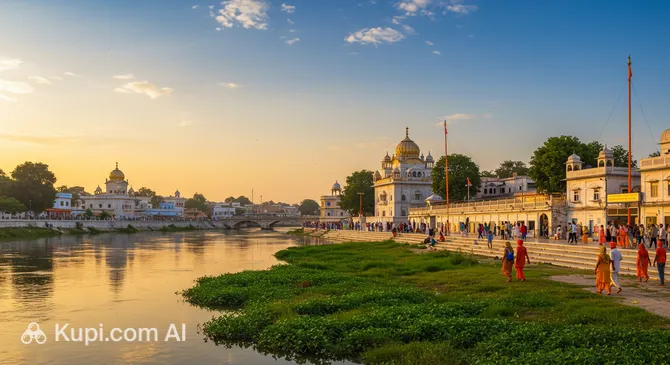
Sultanpur Lodhi. Illustration.
Source: Kupi.com AI

Despite its modest size and population of about 20,000 people, this town plays a colossal role in the region's cultural life. It is often called a "heritage city," as the centuries-old history of Sultanpur Lodhi is inextricably linked with the life of Guru Nanak Dev Ji, the founder of Sikhism. It is home to important shrines and commemorative sites that attract pilgrims and researchers from all over the world.

Geographically, the town is very conveniently located—just 26 kilometers south of Kapurthala. It is easy to get to: the local railway station was recently modernized and now offers contemporary amenities for guests. The atmosphere here is perfect for leisurely walks: you can enjoy the scent of blooming gardens, appreciate the unique architecture of the temples, and experience the sincere hospitality of the locals.

Sultanpur Lodhi is worth a visit to temporarily forget the hustle and bustle of megacities and immerse yourself in the measured pace of provincial life. This place will give you not only new knowledge about the traditions and religion of Punjab but also unforgettable impressions of the local cuisine and a warm welcome.

Weather Overview

The climate in this region features pronounced seasonality, so your travel experience will largely depend on the time of year you choose. To plan an ideal trip, we recommend checking in advance what the weather in Sultanpur Lodhi is expected to be during your visit.

The hottest period falls in late spring and early summer: in May and June, the average temperature exceeds 30°C, and during the day, the air often heats up to 38°C. Following the heat come the monsoons—July and August are the wettest months, with the number of rainy days reaching 20–24 per month, bringing high humidity.

The winter season is best for comfortable walks. From November to February, precipitation is very rare, and the temperature becomes much milder. For example, in January, the nighttime chill can drop to 6°C, but during the day, the air warms up to a pleasant 17°C. Expect hot summers, a humid rainy season, and cool, dry winters, which are ideal for sightseeing and walking around the city.

Average monthly temperature

Average monthly precipitation

Interesting Facts

Beyond its main attractions, Sultanpur Lodhi holds many fascinating secrets and deep historical meanings that reveal themselves only to inquisitive travelers. Here are a few facts to help you better understand the soul of this place:

  • A Thousand-Year History. Sultanpur Lodhi is one of the oldest towns in the Punjab region, with a chronicle spanning over a thousand years. It is not just a settlement, but a living witness to changing eras and cultural transformations.

  • The Tree of Enlightenment. Gurdwara Ber Sahib houses a sacred ber (Indian jujube) tree, which tradition says was planted by Guru Nanak himself. It is believed that it was under this tree, while meditating, that he attained spiritual enlightenment, making this site a sacred center of attraction.

  • Living History at "Pind Baba Nanak Da". A unique project is being implemented in the city—a themed complex that accurately recreates the lifestyle and atmosphere of the times of Guru Nanak. Here, tourists can literally take a journey through time and see how people lived in that era.

  • The Grand Gurpurab Celebration. Guru Nanak's birthday is celebrated here with special grandeur. The city transforms into a massive stage for vibrant processions, spiritual chants, and communal meals, bringing together thousands of pilgrims and locals in a shared spirit of joy and hospitality.

How to Get There

Planning your route is an important part of any trip, especially when it involves visiting the historical sites of Punjab. The town has decent transport accessibility, and you can find out more about how to get to Sultanpur Lodhi by choosing the most convenient option for yourself.

Since Sultanpur Lodhi itself does not have its own airport, most tourists arrive via nearby major cities. The most convenient and popular option is Sri Guru Ram Dass Jee International Airport (ATQ), located in Amritsar. It is about 67 km from Sultanpur Lodhi. This is a major transport hub that handles many flights. A taxi or bus ride from here takes about 2 hours, making it the optimal choice for most travelers.

An alternative option is Chandigarh Airport (IXC), located in Chandigarh. The distance to Sultanpur Lodhi is about 164 km, so the transfer will take longer—approximately 4–5 hours by car. It is also worth mentioning the small Ludhiana (Halwara) Airport (HWR), located just 66 km away, though the number of flights there may be limited.

For clarity, here is a summary of the main airports:

AirportPassenger trafficDistance
Ludhiana (Halwara)66 km
Sri Guru Ram Dass Jee International Airport3.5 mln67 km
Allama Iqbal International Airport5.4 mln83 km
Bhatinda Airport31 004113 km
Gaggal Airport209 834146 km

Regarding rail connections, Sultanpur Lodhi has its own railway station, which is an important hub for pilgrims. The station is well-connected to major cities in the state, such as Jalandhar and Firozpur. Many tourists prefer to take a train to the major hub of Jalandhar (Jalandhar City or Jalandhar Cantt) and then transfer to a local train or take a taxi to Sultanpur Lodhi, which takes less than an hour.

Main Attractions

Sultanpur Lodhi is a true open-air museum for those interested in the history of Sikhism and Indian spirituality. The town is literally permeated with an atmosphere of tranquility, and its architectural ensemble of majestic temples leaves a lasting impression. The main attractions here are related to the life of Guru Nanak Dev Ji, and visiting these sites allows you to touch the origins of one of the world's religions.

The undisputed landmark of the town is Gurdwara Ber Sahib. This is the main pilgrimage site, built next to an ancient ber (jujube) tree under which, according to legend, Guru Nanak meditated for 14 years. Tourists are attracted here not only by the deep sacred significance of the place but also by the magnificent architecture of the complex with its marble floors, high domes, and exquisite finishes. An incredible silence and peace reign here, allowing for spiritual rest.

Another iconic site is Gurdwara Hatt Sahib. The history of this temple takes travelers back to the time when Guru Nanak worked as a granary manager (Modi Khana) for a local ruler. Inside the Gurdwara, sacred stones are still preserved, which locals believe the Guru used as weights when distributing grain to the poor. This place is interesting for its historical authenticity and the opportunity to see real artifacts from the past.

One cannot overlook Kali Bein—the sacred river (or stream) flowing through the town. It was here that Guru Nanak performed his morning ablutions and, according to legend, disappeared into the river's waters for three days, returning enlightened to begin his preaching. Today, the riverfront is well-maintained and is a beautiful place for leisurely strolls. Tourists come here to enjoy the scenic views and see an example of careful environmental preservation.

It is also worth visiting Gurdwara Bebe Nanaki Ji, built in honor of Guru Nanak's elder sister. This structure symbolizes deep family affection and respect for the woman who was the first to recognize her brother's divine destiny. The temple is distinguished by its modest but elegant beauty and serves as a reminder of the important human values at the core of Punjab's culture.

Local Cuisine

The cuisine of Sultanpur Lodhi is a true culinary reflection of the rich traditions of Punjab. Here, food is not just a way to satisfy hunger but an expression of hospitality and the joy of life. Since the city is an important religious center for Sikhism, the local cuisine is predominantly vegetarian, yet incredibly hearty, spicy, and diverse. The foundation of many dishes is milk, cream, cottage cheese (paneer), and, of course, a generous portion of clarified butter called ghee.

The main culinary symbol of the region, which is a must-try, is the duo of "sarson da saag" (a spicy dish made from mustard greens) and "makki di roti" (cornbread). This seasonal treat is especially popular in winter and is served with a dollop of butter and jaggery (unrefined sugar). Tourists will also certainly enjoy the thick and creamy dal makhani (slow-cooked black lentils) and chole bhature—spicy chickpeas with a fluffy deep-fried bread.

No meal in Punjab is complete without traditional drinks. The king of the table here is lassi—a thick whipped yogurt served in huge glasses. It can be sweet ("meetha lassi") with added cream and dried fruits, or salty with spices. For lovers of hot drinks, aromatic masala tea with milk, ginger, and cardamom is prepared on every corner, providing a great boost at any time of day.

A special place in the food culture of Sultanpur Lodhi is held by the tradition of langar—a free communal meal in Gurdwaras (Sikh temples). Here, anyone, regardless of faith or status, can sit on the floor in the common hall and enjoy a simple but delicious meal: dal, roti (bread), and rice. This is a unique spiritual and social experience that allows you to feel unity with the local people. For a more conventional lunch, you can visit the numerous dhabas—roadside cafes where the freshest and most authentic food is prepared right before your eyes.

Travel Tips

A journey to the sacred city of Sultanpur Lodhi is a special spiritual experience that requires a bit of preparation and respect for local traditions. To ensure your trip to this corner of India is as comfortable as possible and leaves only bright memories, we have gathered a few practical recommendations to help you feel confident.

  1. Clothing and Dress Code. Since the city is an important pilgrimage center, dress modestly: shoulders and knees should be covered for both men and women. Be sure to bring a scarf, shawl, or bandana to cover your head—this is a strict requirement for entering all Gurdwaras and sacred sites. Choose comfortable shoes that are easy to take off (like sandals or flip-flops), as you must enter temples barefoot.

  2. Transport and Getting Around. Sultanpur Lodhi is a compact city, and its historical center is best explored on foot. For moving between distant attractions, it's most convenient to use auto-rickshaws (tuk-tuks) or cycle-rickshaws. Popular taxi apps (Uber or Ola) may not work here or may have very long wait times, so it's more reliable to negotiate with street drivers, discussing the price in advance.

  3. Finances and Cash. The local currency is the Indian Rupee. While digital payments are growing, cash is king in small shops, markets, and budget cafes. There aren't many ATMs in town, and they may not accept some international cards, so we strongly recommend withdrawing the necessary amount of cash in advance in a large city (like Amritsar or Jalandhar) before arriving here.

  4. Health and Safety. Drink only bottled water and check that the seal is intact when buying. There are pharmacies in the city, but few 24-hour service points, so pack a personal first-aid kit with fever reducers, stomach remedies, and plasters. Use mosquito repellent during the rainy season and summer.

  5. Communication. The primary language is Punjabi, and many also understand Hindi. English is less common than in major tourist centers, so download an offline translator. Locals will greatly appreciate it if you learn the traditional greeting "Sat Shri Akal". It's better to get a SIM card right upon arrival at the airport, as the registration process for a foreigner in a small town can be lengthy.

  6. Local Etiquette. An atmosphere of piety prevails in Sultanpur Lodhi. Behave modestly in public places. When in a Gurdwara, never sit with your feet stretched out towards the holy book, Guru Granth Sahib—this is considered highly disrespectful. It is customary to sit cross-legged.

  7. What to Avoid. The strictest prohibitions concern harmful habits. Categorically avoid smoking and consuming alcohol near religious complexes and on sacred streets. Bringing tobacco products (even in a pocket) onto Gurdwara premises is unacceptable and can deeply offend the feelings of believers.

  8. Participating in Langar. Don't miss the chance to visit the langar—the communal kitchen at the temple. This is not just a meal but an important spiritual ritual of equality. When eating, take only as much as you can consume—leaving food on your plate is not customary here. If you wish to show gratitude, you can donate a small amount to a special box or help the volunteers in the kitchen.

By following these simple rules, you can easily blend into the measured pace of life in Sultanpur Lodhi and experience its unique blessed atmosphere. Local residents are famous for their hospitality, and your respect for their traditions will surely be rewarded with a warm welcome and sincere smiles.

Entertainment & Nightlife

Entertainment and nightlife in Sultanpur Lodhi have their own unique character, dictated by its status as a sacred city. You won't find the loud nightclubs, discos, or bars with booming music typical for Western tourists here. The nightlife of this place is, above all, about spiritual peace, evening ceremonies, and gastronomic discoveries. After dark, the city doesn't go to sleep but immerses itself in a special atmosphere filled with the sounds of prayers and the aromas of street food.

The center of evening attraction remains the Gurdwaras, which look completely different after sunset thanks to beautiful lighting. Gurdwara Ber Sahib is particularly impressive in the evening hours: the reflection of marble walls and lights in the waters of the sacred pool (sarovar) creates a mesmerizing picture. Tourists and pilgrims gather here to listen to evening hymns (Rehras Sahib) and feel an incredible calm. This is the best place to spend an evening observing the community's steady rhythm of life.

If you are looking for a livelier setting, head to the central streets and the Main Bazaar area. In the evening, trade comes alive: numerous shops selling souvenirs, fabrics, and religious items open up. This is a great time for leisurely shopping when the heat subsides and you can chat with friendly vendors.

Food lovers should pay attention to local dhabas—traditional roadside cafes that often stay open late. The nocturnal culinary scene here is entirely alcohol-free and vegetarian. Try hot masala tea or fresh jalebi (a sweet treat) straight from the fire at street stalls. Dining in such a place is very affordable, and the atmosphere allows you to feel like a real local.

It is important to remember the strict rules: in Sultanpur Lodhi, there are absolutely no bars or alcohol shops, and the consumption of alcohol in public places is strictly prohibited and frowned upon. If your goal is classic club life and parties, we recommend heading to the neighboring large city of Jalandhar (about 40–50 minutes away), which has modern entertainment centers, bars, and cinemas.

As for safety, Sultanpur Lodhi is a very quiet and friendly town. Night walks in the center and around the temples are perfectly safe; however, lighting in the outskirts can be dim, so it's better to stick to busy streets. Taxis are hard to find at night; the main transport remains auto-rickshaws, with whom you should agree on a price in advance or ask hotel staff to call one for you.

During the day, entertainment is of a contemplative nature. You can stroll along the Kali Bein river, where rest areas are set up, or visit small local museums at the Gurdwaras that tell the history of Sikhism. For nature lovers, a trip to the nearby Kanjli Wetland sanctuary is an interesting option, being an excellent place for picnics and bird watching.

Parks & Museums

Sultanpur Lodhi can hardly be called a city of classic museum complexes and vast amusement parks, but its cultural landscape is unique. Green zones here are inextricably linked with spirituality and ecology, while ancient architectural monuments and galleries at temples, which preserve the memory of the region's centuries-old history, serve as museums.

Parks and Natural Areas

The main natural gem of the city is the Kali Bein Riverfront. This is not just a shoreline but a real ecological park created by the efforts of volunteers and local residents. Neat paths are laid out along the sacred stream, with decorative trees and flowers planted. Tourists come here to enjoy the silence, feed the fish in the clear water, and see the famous ghats (steps to the water), where nature harmonizes with religious rituals.

For wildlife lovers, the Kanjli Wetland sanctuary, located in the immediate vicinity of the city (closer to Kapurthala), is of interest. This is a wetland of international importance, included in the Ramsar list. Here you can have a picnic surrounded by greenery and observe many birds, including kingfishers and herons. The lake, covered with water hyacinths, creates incredibly picturesque landscapes for photography.

Museums and Historical Heritage

The role of the main guardian of the city's secular history is played by Qila Sarai. This ancient fort, built during the Lodhi dynasty, though weathered by time, remains a majestic architectural monument. It originally served as an inn for travelers on the great trade route and later became a fortress. A walk along its massive walls allows you to feel the spirit of medieval Punjab and imagine what the city looked like centuries ago.

Another important site is Hadira—an architectural monument from the Mughal era. This structure, which historians believe served as a resting place or summer palace, impresses with its symmetry and elegant arches. Although there are no museum display cases here, the building itself is an open-air exhibit demonstrating the skill of ancient architects.

You can get acquainted with cultural and religious art in the galleries located within the territory of large Gurdwaras. Often, these complexes have halls where paintings depicting scenes from the life of Guru Nanak and the history of Sikhism are displayed. These exhibitions, though not museums in the conventional sense, provide a deep understanding of local traditions and values.

Insider Tip: If you want to see the "non-touristy" Sultanpur Lodhi, go for a walk to the old bridge over Kali Bein at dawn. At this time, the city is shrouded in a light haze, and the singing of birds mixes with the sounds of morning prayers, creating a truly mystical atmosphere that cannot be found in guidebooks.

Getting Around

Given the compact size of the city and its population of about 20,000, the public transport system in Sultanpur Lodhi differs significantly from that of large megacities. You won't find a metro, trams, or an extensive network of city buses here. The main burden of passenger transport falls on maneuverable and affordable modes of transport that are ideal for moving through narrow historical streets.

The most popular and ubiquitous means of transport are auto-rickshaws (often called tuk-tuks) and the increasingly popular e-rickshaws. The latter operate almost silently and are considered a greener option, which is welcomed in the sacred city. They ply between key points: the railway station, the bus stand, and the main Gurdwaras. For very short distances, especially in the market area, you can use the services of cycle-rickshaws.

The fare payment system here is as simple and conservative as it gets: cash only. There are no transport cards, passes, or mobile apps for paying for urban transport. The cost of a ride is usually low. On popular routes (for example, from the station to Gurdwara Ber Sahib), the price can be fixed per person (shared basis), while for an individual trip, the price should be agreed upon with the driver in advance.

Classic city buses are practically not used within Sultanpur Lodhi due to the short distances. The local bus stand primarily serves intercity routes, connecting the city with Jalandhar, Kapurthala, and other settlements in the region. However, during major religious festivals, authorities and volunteer organizations often run special free buses for the convenience of pilgrims.

Tourists should keep a few practical points in mind. First, always carry small bills (denominations of 10, 20, 50), as rickshaw drivers often do not have change for large banknotes. Second, public transport is most active during daylight hours. After sunset, the number of rickshaws on the streets decreases sharply, and catching a ride can be problematic, so plan your evening returns in advance.

As for alternatives, common ride-hailing apps in the city may work inconsistently or find no available cars due to low demand. If you need comfort, the best solution would be to rent a car with a driver for the whole day through your accommodation or a local travel agency. Nevertheless, given the proximity of the attractions to each other, walking remains the most reliable and pleasant way to get to know the city.

Accommodation

Accommodation options in Sultanpur Lodhi fully reflect its status as an important religious center. You won't find five-star chain resorts or luxury boutique hotels here. The hospitality sector mainly consists of budget guesthouses, small mid-range private hotels, and special pilgrim houses called sarais. These places offer a basic set of amenities geared towards travelers visiting the city for spiritual purposes rather than for beach holidays or spa treatments.

When choosing a place to stay, tourists are advised to focus on the city center, in the immediate vicinity of the main shrine—Gurdwara Ber Sahib. Staying in this area will allow you to be in the heart of the action, reach main attractions on foot, and feel the unique atmosphere of the city, especially during morning and evening prayers. Additionally, the main infrastructure is concentrated here: shops, pharmacies, and transport stands.

A special category of housing in Sultanpur Lodhi is the complexes at the Gurdwaras. They offer very simple, austere, but clean accommodation (often just a bed in a common room or a modest private room) for a symbolic fee or donation. This is a great option for those who want to fully immerse themselves in Sikh culture; however, one should consider that comfort is minimal and the house rules are strict (no smoking, no alcohol, and a certain dress code).

Booking Tip: If your trip coincides with major festivals, especially Guru Nanak's birthday (Gurpurab) in November, you must book accommodation several months in advance. During these days, the city's population increases many times over due to pilgrims, and finding a free room upon arrival is practically impossible. In normal times, rooms are usually available even without a prior reservation.

The price range in the city can be characterized as budget. The cost per night in most guesthouses is very affordable. Booking through major international online platforms is only available for a few hotels, so often the best way to find housing is to search for local hotel contacts online and book directly by phone or through messengers. Be prepared for the fact that many places only accept cash.

Nearby Cities

For those looking to explore the surroundings, Sultanpur Lodhi serves as an excellent starting point for day trips to several interesting nearby locations. Just half an hour's drive away is Kapurthala, often called the "Paris of Punjab" due to its magnificent French-style architecture and Jagatjit Palace. Another important destination is Tarn Taran Sahib, known for its majestic Gurdwara and one of the largest sacred pools in the world, making it a hub for pilgrims. History buffs will also be interested in Nakodar, which preserves unique Mughal-era tombs decorated with glazed tiles.

CityPopulationDistance
Miani10 20318 km
Shahkot16 64120 km
Rahimpur30 08921 km
Makhu16 07124 km
Harike8 66225 km

These nearby destinations provide a more complete picture of the region's diverse culture and landscapes, harmoniously complementing the experience of visiting Sultanpur Lodhi.

Shopping & Souvenirs

Shopping in Sultanpur Lodhi has its own unique character, dictated by its status as a sacred city and its small size. People come here not for fashion brands or electronics, but for authenticity and spiritual artifacts. The city's trade is primarily oriented towards pilgrims and locals, offering goods that reflect the rich culture and traditions of the state of Punjab. Prices here are generally very affordable, and the atmosphere in the shops is friendly and free of the pushiness common in major tourist centers.

The heart of commerce is the Main Bazaar, located in the immediate vicinity of the historical center and the main Gurdwaras. This is a colorful maze of narrow streets where life bustles from morning until late evening. Here, tourists can find textile shops, stores selling kitchenware, and traditional clothing. A stroll through this area allows you not only to make purchases but also to observe the daily life of the townspeople.

There are no large modern shopping centers or Western-style malls in Sultanpur Lodhi. All trade is concentrated in small private shops and family-run stores. If you need a larger shopping experience with visits to brand boutiques, it is better to plan a trip to neighboring cities like Jalandhar or Kapurthala, where the infrastructure is more developed.

The markets of the city are traditional in nature. In addition to permanent shops, temporary stalls selling seasonal fruits, spices, and street food can often be found on the streets. Of particular interest are the shops around religious complexes, which effectively form a specialized market. A special atmosphere reigns here, permeated with the scent of incense and fresh flowers intended for offerings.

As souvenirs from Sultanpur Lodhi, it is worth bringing back items related to Sikh culture and Punjabi crafts:

  • Religious artifacts: High-quality portraits of Guru Nanak, steel "kara" bracelets, wooden combs, and miniature "kirpan" daggers (souvenir versions).
  • Textiles and clothing: Traditional shawls and scarves, as well as fabrics with bright embroidery.
  • Punjabi Juttis: The famous handmade leather footwear with rich bead or thread embroidery, which makes an excellent and practical gift.
  • Local sweets: A box of traditional desserts such as "pinni" (a sweet made from flour, butter, and nuts) will be a delicious reminder of the trip.

Most shops open around 10:00 AM and work until 8:00–9:00 PM. Unlike in large cities, many shops here may close in the middle of the day for a lunch break. The main method of payment remains cash in rupees. While digital payments via QR codes are becoming more popular, international bank cards are not accepted everywhere, so tourists are strongly advised to carry a sufficient supply of cash, especially small bills.

The Tax Free (VAT refund) system does not apply in Sultanpur Lodhi. This service is mainly available at major international airports and some chain stores in megacities for expensive purchases, which is not typical for the assortment of local shops.

Reached the end of the page?

That means the route is fully explored