Support

Tarn Taran Sahib

About

Tarn Taran Sahib is a true gem of the state of Punjab, located in northern India and nestled just a few dozen kilometers from the legendary Amritsar. This city lies in the heart of fertile plains, where green fields and quiet villages transition smoothly into bustling streets and colorful bazaars.

With a population of about 73,000 people, Tarn Taran Sahib maintains an atmosphere of comfort and hospitality while retaining its status as the administrative center of the district of the same name, formed in 2006. Life here flows slowly but richly: ancient temples stand side-by-side with modern buildings, and a special energy of an Eastern city reigns on the central streets.
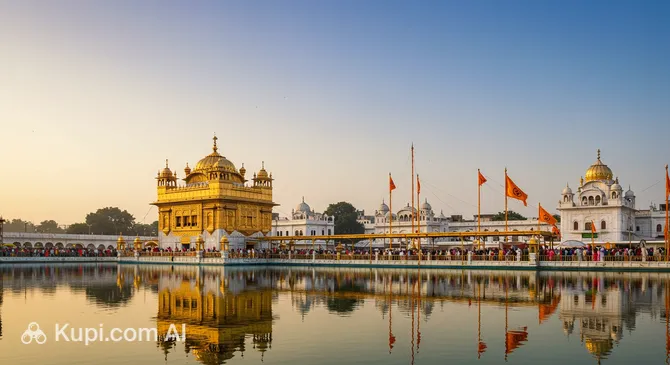
Tarn Taran Sahib. Illustration.
Source: Kupi.com AI

Tarn Taran Sahib is famous for its deep spiritual atmosphere and special tranquility. This is a place where everyone can find harmony, whether in contemplating the majestic gurdwaras, which are important pilgrimage centers, walking through vibrant local markets, or engaging in leisurely conversations with hospitable residents. The city offers a unique opportunity to touch the history of Sikhism.

If you are looking for authentic experiences and wish to enjoy genuine Indian identity, Tarn Taran Sahib will be a real discovery for you. This city invites you to immerse yourself in its unique charm and find peace.

You can find more interesting facts on the page about the history of Tarn Taran Sahib

Weather Overview

The weather in Tarn Taran Sahib is characterized by noticeable seasonal fluctuations. Summer, especially from May to June, can be very hot: the average maximum air temperature can rise to 38-39°C. During this period, precipitation is rare, with the exception of July, which is the wettest month (about 7 mm of precipitation and up to 24 rainy days). Winters, from December to January, are conversely cool: the average minimum temperature drops to 6-7°C, while the daytime maximum is about 17-20°C. Precipitation is rare in winter. In general, expect hot summers with a peak of precipitation in the middle of the season and cool, mostly dry winters. For a more detailed look at the weather conditions, you can check the information about the climate of Tarn Taran Sahib.

Average monthly temperature

Average monthly precipitation

Interesting Facts

In addition to its famous gurdwara, Tarn Taran Sahib hides many fascinating details that make it a truly unique place. The city breathes history and spirituality, offering the inquisitive traveler something more than just sights.

  • Did you know that the sacred pool (sarovar) at the Tarn Taran gurdwara is the largest of all existing Sikh temple pools? Its grand dimensions are such that walking around it takes about half an hour, and the water is believed to have healing properties.

  • One of the most touching features of Tarn Taran Sahib is the daily practice of "seva" (selfless service). Every day, dozens of volunteers, young and old, gather to personally wash and clean the temple complex territory, keeping it in pristine condition and creating an atmosphere of unity.

  • The city has a direct connection to one of the most revered teachers of Sikhism. Tarn Taran Sahib was founded in the late 16th century by the Fifth Sikh Guru, Guru Arjan Dev, making it a place of immense historical and spiritual importance for followers of this religion.

  • In addition to daily rituals, Tarn Taran Sahib regularly becomes a focal point for believers during major religious festivals. During these days, the city is transformed, filling with sacred hymns, bright processions, and the aromas of traditional treats, offering a unique cultural experience.

How to Get There

When planning your trip, it is important to find out in advance how to get to Tarn Taran Sahib to choose the most convenient route. The city is located in the state of Punjab and has good transport links with neighboring major hubs.

The most convenient way to reach the region is by air. The nearest and most significant airport for tourists is Sri Guru Ram Dass Jee International Airport (ATQ), located in the city of Amritsar. It is only 31 km from Tarn Taran Sahib. This is a major international hub with high passenger traffic, receiving flights from many countries and Indian cities. The journey from the airport to the city center by taxi or bus takes approximately 1 hour 10 minutes.

Another option is to fly via Ludhiana (Halwara) (HWR) in the city of Ludhiana. This airport is located about 103 km from Tarn Taran Sahib. Travel time by car is about 3 hours. You can also consider Satwari Airport (IXJ) in Jammu, though it is 137 km away, and the transfer will take more than 3.5 hours.

For clarity, here is a summary of the main airports in the region:

AirportPassenger trafficDistance
Sri Guru Ram Dass Jee International Airport3.5 mln31 km
Allama Iqbal International Airport5.4 mln50 km
Ludhiana (Halwara)103 km
Sialkot Airport800 000131 km
Bhatinda Airport31 004132 km

Regarding rail connections, the available data mentions Rawalpindi Railway Station (RWP). However, it should be noted that it is located in the city of Rawalpindi at a distance of about 296 km from Tarn Taran Sahib. Given the significant distance and border crossing, tourists are recommended to use the railway station in neighboring Amritsar or the local station in Tarn Taran Sahib itself, which is connected to major Indian cities.

Below is information about the station from the available data:

StationPassenger trafficDistance
Rawalpindi Railway Station5.5 mln296 km

Main Attractions

The city of Tarn Taran Sahib attracts travelers primarily with its majestic spiritual center, which is its main pride and key attraction. Visitors immerse themselves here in a unique atmosphere of Sikh culture and centuries-old history.

The heart of this complex is the Gurdwara Sri Tarn Taran Sahib. This revered shrine was founded in the late 16th century by the fifth Sikh Guru, Guru Arjan Dev Ji. The Gurdwara impresses with its magnificent architecture, and its dome, covered in pure gold, shines brightly, dominating the city skyline and catching the eye from afar. It is not just a place for pilgrimage, but also a significant historical monument where you can learn more about the traditions of Sikhism and enjoy an atmosphere of peace and serenity.

One of the most impressive features of the Gurdwara is the enormous sarovar (sacred pool), which is considered the largest among all Sikh temples. Believers revere the waters of this pool as healing, and many pilgrims perform a ritual immersion here, believing in its cleansing and blessed power. A walk along the banks of the sarovar, especially at dawn or dusk, allows you to fully feel the spiritual energy of this holy place.

Among other significant elements of the complex are Har Ki Pauri—the sacred steps leading to the waters of the sarovar, where believers often stop for prayer and meditation. Equally important is the Darshani Deori—the intricately decorated main entrance (gate) to the sanctuary. These architectural and religious details enrich the experience of visiting the Gurdwara, making a visit to Tarn Taran Sahib truly unforgettable for everyone interested in the culture, history, and spirituality of India.

Local Cuisine

The gastronomy of Tarn Taran Sahib is a vivid reflection of Punjab's rich culinary traditions, offering travelers authentic flavors and unforgettable experiences. Here, food is not just a way to satisfy hunger, but an important part of culture and hospitality.

One of the main gastronomic features of the city is the langar—a communal meal prepared and served daily at the local gurdwara. This is a unique opportunity to try simple yet incredibly tasty and hearty dishes prepared with love: fragrant dal (lentil soup), various sabzi (vegetable stews), freshly baked roti flatbreads, and sweet halwa. Participating in the langar is not just a tasting, but an immersion into an atmosphere of unity and generosity.

On the busy streets and markets of Tarn Taran Sahib, a true abundance of Punjabi delicacies awaits you. Be sure to try the crispy samosas with spicy filling, hearty chana masala (chickpeas in a thick sauce with spices), and appetizing pakoras (vegetables or cheese in batter, deep-fried). Street food here is a fast, tasty, and affordable way to get to know local culinary hits. Don't forget about the sweet jalebi—crispy syrup-soaked spirals that will be a perfect end to your meal.

Among drinks, lassi—a traditional refreshing yogurt-based drink—is especially popular. It can be sweet or salty and perfectly quenches thirst on a hot day, giving strength for further walks around the city.

The food culture in Tarn Taran Sahib is closely tied to community traditions and street trade. Locals and tourists often eat in gurdwaras (langar), try snacks from street vendors, and visit markets where you can also find fresh fruit, homemade cheeses, and aromatic spices. The city is also known for its farmers' markets, offering an abundance of fresh produce. Occasionally, culinary festivals and fairs are held here, giving a chance to dive deeper into the local cuisine and even participate in workshops.

Travel Tips

Welcome to Tarn Taran Sahib! To make your trip to this significant spiritual center as comfortable and memorable as possible, we have prepared a few practical tips.

  1. Clothing and Essentials: Tarn Taran Sahib has hot summers and cool winters. In summer (April-June), choose light cotton clothing, while for winter (December-February), you will need warm clothes. A key point is modesty in dress, especially when visiting the Gurdwara Sri Darbar Sahib Tarn Taran. Both men and women should cover their heads (scarves are often available on-site, but it's better to have your own), shoulders, and knees. Be sure to bring comfortable walking shoes, sunscreen, and a universal adapter for electronics.
  2. Transport in the City: Tarn Taran Sahib is a relatively small city. The most common way to get around is by auto-rickshaw. Local buses also run, connecting the city with the surrounding areas. Taxis can be hired, but popular ride-hailing apps (like Uber or Ola) may not be as widespread as in major cities. For most trips around the city and the immediate vicinity, an auto-rickshaw will be quite sufficient.
  3. Finances: The local currency is the Indian Rupee (INR). It is best to exchange currency at banks or official exchange offices. Credit and debit cards are accepted in some larger establishments, but always carry cash for small shops, markets, and local transport fares. ATMs are available in the city, but check in advance if your international cards are supported. An approximate daily budget (excluding accommodation) might be 1500-2500 INR. Tipping is not mandatory but welcomed (5-10% for good service).
  4. Health and Safety: There are pharmacies in the city where you can buy basic medications. In case of serious health issues, you may need to visit medical facilities in Amritsar, which is a larger city nearby. It is recommended to carry a basic first-aid kit. Tarn Taran Sahib is generally safe, but as everywhere, be vigilant, especially in crowded places and after dark. Do not openly display valuables and drink only bottled water.
  5. Communication: The main language of communication is Punjabi; Hindi is also widely spoken. English is not understood by everyone, but it may be spoken in tourist areas and among young people. Learning a few simple phrases in Punjabi, such as "Sat Sri Akal" (greeting) or "Tanwaad" (thank you), will show respect for the local culture. An Indian SIM card with internet access can be purchased upon presentation of a passport and visa. Wi-Fi is generally available in hotels.
  6. Local Etiquette: When visiting the Gurdwara, be sure to remove your shoes and cover your head. It is customary to sit on the floor inside. Accept Kara Parshad (a sacred sweet treat) with your right hand or both hands cupped together. Show respect to elders. Public displays of affection are not encouraged.
  7. What to Avoid: It is strictly forbidden to enter the Gurdwara premises under the influence of alcohol, or to carry alcohol or tobacco products with you. When sitting in the Gurdwara or in a home, do not point your feet toward the holy book, Guru Granth Sahib, or toward other people, as this is considered disrespectful.
  8. City Feature: Tarn Taran Sahib is famous for its historical Gurdwara, which has one of the largest sarovars (sacred pools) among all Sikh shrines. Participating in or simply observing seva (selfless service) at the Gurdwara, such as helping in the langar (community kitchen), can be a deep and meaningful experience. Remember that photography inside the main sanctuary of the Gurdwara may be restricted.

We hope these tips help you plan an unforgettable and spiritually rich journey to Tarn Taran Sahib. Enjoy the unique atmosphere and hospitality of this ancient city!

Entertainment & Nightlife

Tarn Taran Sahib is a city with deep spiritual roots, and its evening atmosphere is fundamentally different from that of noisy metropolises. If you are planning a trip to this region, it is worth considering that India is multifaceted, and here "nightlife" has its own unique character. In this sacred city, you won't find the typical European-style nightclubs with loud music or cocktail bars on every corner. Evening leisure here is focused on cultural immersion, gastronomy, and quiet walks.

The heart of the city, which continues to pulse even after sunset, is the majestic Gurdwara Sri Darbar Sahib. As darkness falls, the complex is beautifully illuminated, reflecting in the waters of the sacred pool (sarovar). This is the best place for an evening stroll: a peaceful atmosphere reigns here, evening prayers are heard, and traditional ceremonies can be observed. Locals and pilgrims often come here in the evening to enjoy the coolness and tranquility after a hot day.

Instead of bars and pubs, "dhabas"—traditional Punjabi eateries and restaurants—serve as the centers of social attraction. Many of them stay open late and offer a real extravaganza of flavors. This is where life bustles in the evenings: families and groups of friends gather to discuss the news over a glass of thick lassi or a cup of masala chai. The main focus is on hearty vegetarian cuisine. If you are looking for a livelier atmosphere, look for establishments along the main roads and highways leading to Amritsar, where life quietens down much later.

For shopping enthusiasts, the evening is a great time to visit local bazaars. The streets around the temple complex are lined with shops selling souvenirs, religious items, and textiles. In the evening, the heat subsides, and trade is brisk. These are safe areas for walking, but remember the dress code: clothing should be modest, covering shoulders and knees, especially near shrines. The crowd here is friendly but conservative.

In terms of logistics and safety, Tarn Taran Sahib is a fairly quiet city. For getting around at night, it's best to use official auto-rickshaws or arrange a taxi in advance through your hotel. While central areas are safe, avoid unlit outskirts alone. Prices for dinner and transport here are very affordable and significantly lower than in major tourist centers.

As for daytime entertainment, it also has an educational character. The city is not abundant in museums or theaters in the Western sense, but the architecture of the old city and the historical gates serve as excellent backdrops for walks. During the day, you can visit local parks or set out to explore the surrounding historical gurdwaras, each with its own unique history and architectural style.

Parks & Museums

The city of Tarn Taran Sahib, known primarily for its spiritual shrines, also offers visitors corners for quiet relaxation and immersion into the rich history and culture of the region. This is a place where spirituality harmoniously combines with natural beauty and historical heritage.

The main place for outdoor relaxation and contemplation in Tarn Taran Sahib is undoubtedly the extensive and peaceful territory around the Gurdwara Sri Tarn Taran Sahib. The central element here is the huge sacred pool (sarovar), considered the largest among all Sikh gurdwaras. A walk along the marble parikrama (circular path) around the sarovar allows you not only to join the spiritual atmosphere but also to enjoy the tranquility of this open space, which is essentially the city's main "park." In addition to this primary spiritual and recreational center, the city may have small local squares or gardens offering residents places for everyday relaxation, although they are not major tourist attractions.

The cultural and historical heritage of Tarn Taran Sahib is inextricably linked with its main shrine. The Gurdwara Sri Tarn Taran Sahib itself is a living museum and an outstanding architectural monument. Founded by the fifth Sikh Guru, Sri Guru Arjan Dev Ji, it impresses with its grandeur, snow-white walls, and, in its modern form, its glittering golden dome. Inside the complex or on its grounds, you can sometimes find displays or information boards telling the history of Sikhism, the life of the Guru, and the founding of the city itself. These elements serve as a kind of open-air museum, immersing you in the past. For those looking for a more traditional museum experience with extensive collections on Sikh history, the nearest major museums are located in the city of Amritsar.

To deeper feel the authentic atmosphere of Tarn Taran Sahib, be sure to visit the langar (community free kitchen) at the gurdwara. This is a unique opportunity not only to have a delicious meal but also to partake in the Sikh tradition of universal equality and service. Also, a leisurely stroll through the local bazaars sprawling around the gurdwara will allow you to see the daily life of the city and purchase traditional goods and souvenirs.

Getting Around

When planning your travel around Tarn Taran Sahib, keep in mind that the public transport system here has its own characteristics typical of cities of this size in the region. The main ways to travel short and medium distances are local buses and, of course, the ubiquitous auto-rickshaws.

Buses run both within the city and connect it to nearby settlements. This is the most budget-friendly option, though routes and schedules may not always be obvious to a tourist. As a rule, payment is made in cash directly to the conductor or driver upon entry. The fare is low. Specialized travel cards or mobile apps for fare payment on city buses are likely not available.

Auto-rickshaws (tuk-tuks) are perhaps the most popular and flexible form of transport in Tarn Taran Sahib. They can take you to almost any point in the city. Always agree on the fare with the driver in advance, before starting the trip, as meters are not always used or may be absent. Prices can vary depending on the distance, time of day, and your bargaining skills. Payment is also made in cash.

Practical tips for tourists: Bus tickets are usually purchased inside. Buses generally operate from early morning until evening, but the frequency of trips may decrease in late hours. For auto-rickshaw rides, it is better to have small bills for convenience. Confirm the route with the driver, especially if you are unsure of the direction.

As an alternative to public transport, you can consider hiring a local taxi for more comfortable or longer trips, for example, to the airport or neighboring cities. The price should also be agreed upon in advance. Cycle rickshaws may be found for very short distances in busy areas. Popular car-sharing services or extensive bike rental networks are generally not developed in a city of this scale. There are no unique transport systems like a historical metro or cable cars in Tarn Taran Sahib.

Accommodation

In the city of Tarn Taran Sahib, travelers can find various accommodation options to suit different budgets and preferences. The choice of housing here is primarily oriented towards pilgrims and tourists coming to experience the city's cultural and religious heritage.

Overall, the available range of housing includes budget guesthouses, small mid-range hotels, and perhaps simpler options such as dharamshalas (pilgrim houses), which are often located near the main shrines. Luxury resorts are generally scarce here, as the city is more focused on pilgrimage tourism.

For convenience, most tourists prefer to stay in areas located near the city's main attraction—the Gurdwara Sri Darbar Sahib Tarn Taran. This ensures easy access to the shrine and the main urban infrastructure. Choosing accommodation in the central part will also put you closer to local markets and transport hubs.

As for the price range, you can find options in Tarn Taran Sahib ranging from very economical to moderate in cost. It is recommended to book accommodation in advance, especially if your trip coincides with major religious holidays or festivals when the city receives a large number of pilgrims. For searching and booking, it is convenient to use popular online platforms or, in some cases, contact the chosen hotel or guesthouse directly.

Nearby Cities

For those who want to explore the surroundings, Tarn Taran Sahib serves as an excellent starting point for day trips to several interesting nearby places:

CityPopulationDistance
Bundala13 19210 km
Chabal Kalan12 47713 km
Patti40 97621 km
Amritsar1 132 38321 km
Sur Singh14 13421 km

These nearby destinations allow you to get a sense of the diverse culture and landscapes of the region. Each trip promises new impressions and discoveries, complementing your journey through India.

Shopping & Souvenirs

Shopping in Tarn Taran Sahib offers travelers the chance to immerse themselves in local culture and purchase authentic goods typical of the Punjab region. The city is not a major fashion or electronics hub, but you can find unique handmade products, traditional clothing, and religious items here. The main focus is on local markets and small shops rather than large shopping malls.

The main trading areas in Tarn Taran Sahib are concentrated around the city's main shrine and on the adjacent streets and bazaars. This is where commercial life bustles, and tourists can find the greatest variety of goods. Walk through the streets of the old city, where numerous shops offer everything from fabrics to spices.

You are unlikely to find large modern shopping centers familiar to metropolises in Tarn Taran Sahib. Shopping here is more traditional, centered around local bazaars and small specialized shops that form the city's unique commercial flavor.

Markets are the heart of trade in Tarn Taran Sahib. At the local bazaars, you can find everything from fresh fruits, vegetables, and aromatic spices to clothing, shoes, household goods, and, of course, religious artifacts. Visiting such a market is not just about shopping, but a real immersion into the city's daily life, its sounds, and smells.

As souvenirs from Tarn Taran Sahib, it is worth bringing back traditional Punjabi products. Especially popular are phulkari—vibrant national embroidery on shawls, dupattas (long scarves), and clothing items. Also, look out for jutti—traditional Punjabi leather shoes with embroidery. Of course, you can find various items related to Sikhism here, such as images of the Gurus, small models of kirpans (ritual daggers, but be careful with export rules), or symbols of faith. Local sweets and handicrafts can also be excellent reminders of your trip to India.

Shops and stalls in Tarn Taran Sahib are usually open from morning until evening, approximately from 10:00 to 20:00. Some small shops may close for a short lunch break. Regarding payment, cash is the most common method, especially in markets and small shops. Larger and permanent stores may accept bank cards, as well as mobile payment systems popular in India (e.g., UPI). It is always useful to have some cash on hand.

The Tax Free system for tourists on goods purchased in Tarn Taran Sahib is generally not common, especially when it comes to purchases in markets or small local shops. This option is more characteristic of large international airports and specialized stores in major tourist centers of India.

Reached the end of the page?

That means the route is fully explored