Support

Tumakuru

About

Tumakuru is a picturesque city located in the state of Karnataka, approximately 70 kilometers northwest of bustling Bengaluru. It sits in the heart of a fertile valley, surrounded by coconut groves and rice paddies, creating a unique atmosphere of comfort and tranquility. This city in India attracts visitors with its unique blend of natural beauty and cultural heritage.
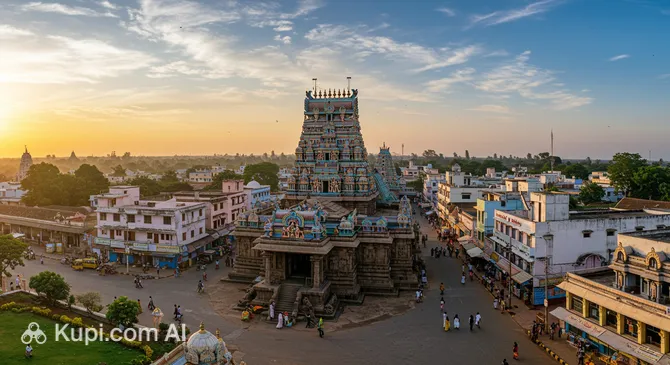
Tumakuru. Illustration.
Source: Kupi.com AI

With a population of approximately 599,078 people, Tumakuru is an important administrative, industrial, and educational hub of the region. Despite its development, the city has managed to preserve its authentic charm and welcoming atmosphere, where modern rhythms harmonize with a traditional way of life.

Guests of Tumakuru can enjoy leisurely strolls through its charming streets, explore ancient temples, and discover the scenic hills surrounding the city. Special attention should be given to the local markets, filled with the aroma of spices, and the opportunity to taste authentic Karnataka cuisine, which reveals the region's culinary richness.

Tumakuru is a wonderful destination for those seeking to experience the true culture and nature of South India, away from the noise and haste of major metropolises. A visit to this city will provide unforgettable impressions and allow you to feel its unique identity.

You can find more interesting facts on the history of Tumakuru page.

Weather Overview

The weather in Tumakuru is characterized by warm and mostly dry winters, a hot and dry start to summer, followed by a rainy season with frequent but usually moderate rainfall. The average annual temperature ranges from 16.4°C in January to 34.8°C in April. The season with the highest number of rainy days lasts from June to October; July is the wettest month, with an average of 7 mm of precipitation and 25 rainy days. The driest months are January, February, and March, when there is practically no rainfall.

Expect hot weather from April to May, when daytime highs often exceed 32-34°C. From June to September, temperatures drop slightly, but humidity and the number of rainy days increase, though rains generally remain moderate. The winter months, from December to February, are the most comfortable for visiting due to moderate temperatures and a low probability of rain. You can find more detailed weather information on the Tumakuru Climate page.

Average monthly temperature

Average monthly precipitation

Interesting Facts

The city of Tumakuru, known for its temples and natural beauty, hides many intriguing stories and little-known features behind its facade. Here are just a few that will help you look at this corner of India in a new way:

  • Tumakuru is not called the "City of Coconuts" for nothing. This is not just a poetic epithet: thousands of tons of coconuts are harvested here annually, and local farmers are famous for their innovative approaches to growing them. The city is rightfully considered one of the leading centers for the production of coconut oil and various coconut products in all of South India.

  • In the past, Tumakuru served as an important hub on trade routes connecting the interior of Karnataka with the coast. This historical heritage has left a noticeable mark: in the city's architecture, its traditions, and even in the local dialect, one can find a surprising intertwining of different cultures and eras.

  • In the vicinity of Tumakuru lies the famous Devarayanadurga hill, which is not only a place of pilgrimage but also a keeper of ancient legends. According to local lore, a sage once lived here whose blessings, residents believe, still bring luck and prosperity to this land. The hill is also famous for its picturesque forests and ancient temples.

  • Tumakuru boasts being the alma mater for a whole galaxy of outstanding figures in science and education. Among its natives and graduates are famous scientists, engineers, and educators whose names and achievements have brought fame to the city far beyond India, making a significant contribution to various fields of knowledge.

How to Get There

Tumakuru is an important industrial and cultural center that is easy to reach thanks to the region's well-developed transport network. You can find all ways to get to the city in more detail on a separate page, but most travelers choose to fly to the nearest major airport followed by a land transfer.

The primary air gateway for a trip to Tumakuru is Kempegowda International Airport (IATA: BLR), located in Bengaluru. There is no airport in Tumakuru itself, so this option is the most optimal and popular. The airport is approximately 66 km from Tumakuru. It is a major international hub with very high passenger traffic, receiving flights from many countries around the world. Travel time by taxi from the airport to the center of Tumakuru takes about 2 hours.

Alternatively, you could consider Shivamogga Airport (IATA: RQY) in the city of Shivamogga. However, it is worth noting that it is located much further away—at a distance of about 173 km from Tumakuru. This is a small regional airport, and the car journey from here will take over 4.5 hours, making this route much less common than flying via Bengaluru.

For clarity, here is summary information on the main airports:

AirportPassenger trafficDistance
Kempegowda International Airport41.9 mln66 km
Shivamogga Airport161 000173 km
Salem130 132200 km
Jindal Vijaynagar43 140210 km
Kannur International Airport1.3 mln232 km

In addition to air travel, Tumakuru has excellent transport accessibility by rail and highway. The city is located on an important railway line connecting Bengaluru with other parts of the country, so many tourists prefer to get here by train or bus from the state capital. Regular service makes this method of travel convenient and economical.

Main Attractions

Tumakuru and its surroundings offer travelers a unique combination of spirituality, history, and natural beauty. If you are planning a trip, here are some key attractions to include in your itinerary.

One of the most famous is Devarayanadurga, a picturesque hill station located near the city. This site attracts both pilgrims and nature lovers. It features ancient temples dedicated to Lord Narasimha—Yoga Narasimha at the hilltop and Bhoga Narasimha at the base. Tourists visit for the breathtaking views, easy trekking opportunities, and the sacred natural spring of Namada Chilume, which, according to legend, was created by Rama himself.

Siddaganga Mutt is not just a monastery, but a significant spiritual and educational center in Karnataka. It is renowned for its long-standing humanitarian work, specifically providing free education, housing, and food to thousands of children regardless of their caste or creed. A visit here offers a chance to experience Lingayat traditions and witness the impressive scale of its social work.

For those seeking spiritual peace, the Goravanahalli Mahalakshmi Temple is a must-visit. This revered temple, dedicated to Lakshmi, the goddess of prosperity and well-being, attracts many devotees from across the region. It is believed that prayers here bring good fortune and wealth, and the atmosphere of the temple itself is filled with tranquility and reverence.

History enthusiasts and fans of breathtaking landscapes should look toward Madhugiri Fort. Situated on one of the largest monolithic rocks in Asia, this fort is an impressive sight. The climb to the top can be quite challenging, but the reward is panoramic views of the surrounding countryside and the opportunity to explore the ruins of ancient fortifications. This location is ideal for those who appreciate active recreation and are interested in the region's rich past.

Local Cuisine

The cuisine of Tumakuru is a vibrant reflection of the rich culinary traditions of Karnataka, offering travelers a true gastronomic adventure. Local food here is based on the use of fresh vegetables, rice, coconut, and aromatic spices, creating unique flavor combinations that will be long remembered.

Among the dishes that you should definitely try in Tumakuru is Ragi Mudde—nutritious finger millet balls traditionally served with spicy vegetable sambar or a rich meat curry. Another iconic dish is crispy dosas, thin pancakes made from rice and lentil flour. They are often stuffed with spiced potatoes and served with coconut chutney and a piquant tomato gravy. Also popular are idli (gentle steamed rice cakes) and vada (savory lentil donuts), which are perfect for breakfast or a light snack.

For drinks, be sure to try fresh coconut water, which perfectly quenches thirst on a hot day. Local residents also enjoy various fruit juices and traditional Indian Masala chai. Alcoholic beverages are represented by local beer brands and other traditional drinks that can be found in restaurants and bars.

The food culture in Tumakuru is diverse. Locals often eat in small family-run cafes serving authentic home-cooked meals. Street food also plays a major role—numerous stalls with dosas, vadas, and other snacks can be found on busy streets and markets. A special place is held by farmers' markets, where fresh fruits, vegetables, spices, nuts, and homemade sweets like payasam (sweet rice pudding) and Mysore Pak (a delicate chickpea dessert) are sold. Visiting such a market is an excellent opportunity to discover local products and culinary traditions. Festive feasts, especially during the Ugadi festival, are also an important part of the city's gastronomic culture, with special treats being prepared.

Travel Tips

Planning a trip to Tumakuru? Wonderful! To ensure your journey through this interesting city in India goes smoothly and leaves only pleasant impressions, we have prepared some practical tips. They will help you better navigate on-site and avoid common mistakes.

  1. Clothing and Essentials:

    The climate in Tumakuru, as in most of Karnataka, is tropical. In summer (March-May), it can be hot, so choose light, breathable clothing made of cotton or linen. From June to October is the monsoon season—don't forget a raincoat or umbrella. Winter (November-February) is mild and pleasant, but a light sweater or jacket may be useful in the evening. Be sure to bring comfortable walking shoes, sunscreen, a hat, and sunglasses. For visiting temples and other religious sites, choose modest clothing that covers shoulders and knees; it is also customary to remove shoes before entering. Don't forget a universal adapter for electrical appliances.

  2. Transport in the City:

    To get around Tumakuru, you can use local buses—this is the most economical option. Auto-rickshaws are also widely available; it is recommended to agree on the price with the auto-rickshaw driver in advance. Taxi-hailing apps like Ola or Uber are popular in India—check their availability in Tumakuru. Renting a car without a driver can be difficult due to local traffic patterns, so for out-of-town trips or for more comfort, consider renting a car with a driver.

  3. Finances and Payments:

    The local currency is the Indian Rupee (INR). You can exchange currency at banks or authorized exchange offices. Credit and debit cards (Visa, Mastercard) are accepted in large hotels, restaurants, and shops, but for small purchases, at markets, and for auto-rickshaw services, always carry cash with you. ATMs are quite common. An approximate daily budget can vary greatly, but for a comfortable mid-range trip, aim for 2500-4000 rupees per day per person (excluding accommodation). Tipping is welcomed: in restaurants, 5-10% of the bill if a service charge is not included; small amounts can be left for porters and drivers.

  4. Health and Safety:

    Pharmacies (medical stores/chemists) are easy to find, but it's better to have a basic first-aid kit with you. For serious medical assistance, contact hospitals; private clinics usually offer a higher level of service. It is highly recommended to take out travel insurance. Drink only bottled or boiled water. Be cautious with street food; choose popular and clean-looking places. After dark, avoid poorly lit and deserted areas. Keep an eye on your belongings, especially in crowded places and on public transport. Use repellents to protect against mosquitoes, especially during the rainy season.

  5. Communication and Connectivity:

    The official language of Karnataka is Kannada. Hindi may also be understood by some residents. English is quite common, especially among the youth, in tourism, and in business. Learn a few simple phrases in Kannada: "Namaskara" (Hello), "Dhanyavadagalu" (Thank you), "Houdu" (Yes), "Illa" (No), "Eshtu?" (How much?). A local SIM card can be purchased at official carrier stores (you will need a passport and visa). Wi-Fi is available in many hotels and some cafes.

  6. Local Etiquette and Customs:

    The accepted greeting is "Namaskara" or "Namaste" with palms joined at the chest. Handshaking is also acceptable, especially when interacting with men. Use your right hand for eating, passing money, or items, as the left hand is traditionally considered "unclean." It is customary to remove shoes before entering temples and private homes. Public displays of excessive emotion or affection are discouraged. Locals are generally hospitable and friendly; politeness and respect for elders are highly valued.

  7. Things to Avoid:

    It is strictly discouraged to photograph people, especially women and children, without their prior permission. Also, avoid showing disrespect to religious symbols and sites: do not point your feet at images of deities or people, do not touch sacred objects without permission, and dress modestly when visiting temples.

  8. Additional Tip for Tumakuru:

    Tumakuru is known as an educational center and is sometimes called "Shikshana Kashi" (the Kashi of Education). The city is also a convenient starting point for visiting nearby natural and pilgrimage sites, such as the Devarayanadurga hills with ancient temples, the famous Siddhaganga Mutt, and the Namada Chilume spring. When planning a visit to such places, be sure to show respect for local traditions and shrines.

We hope these tips make your stay in Tumakuru as comfortable and rewarding as possible. We wish you an unforgettable journey and bright discoveries in this corner of India!

Entertainment & Nightlife

In the evening, Tumakuru reveals itself as a place for quiet relaxation and immersion into the local atmosphere after a busy day. While the city does not claim to be a capital of vibrant nightlife with an abundance of noisy clubs, it has its own charms for those looking to unwind or spend time over dinner and conversation.

Nightlife in Tumakuru centers around venues that offer comfort and local flavor. Although specific links to nightclubs or bars from a specialized list are not provided, the city offers many options for evening leisure. Instead of large nightclubs, you are more likely to find restaurants open until late in the evening, where you can enjoy Indian and occasionally continental cuisine, often accompanied by light music. Many of these transform into popular meeting spots at night. General examples of places to spend an evening include hotel restaurants and lounge areas; for instance, venues of this type can be found in hotels like Hotel Vilasi Comforts or The Fern Residency Tumkur. It is important to note that these are general examples for orientation, and it is recommended to check current information, opening hours, and evening programs on-site or via local resources. Small local bars offering a quiet setting for drinks and socializing are also common. Another popular option is the lively streets with numerous cafes and snack stalls, where locals, especially youth and families, enjoy spending evenings over tea and light bites.

Regarding night markets, in Tumakuru, these are most often represented by vibrant street food rows that operate late into the evening, offering delicious and authentic local delicacies. There may not be specialized large night markets for goods. Large concert venues with regular performances by global stars should not be expected here either; however, local cultural events or festivals with evening programs occasionally take place in the city. Cinemas are also a popular evening leisure spot for residents.

Primary areas for evening walks and dining usually concentrate in central commercial districts or on streets adjacent to major markets and transport hubs. The atmosphere here is typically welcoming and relaxed. Most establishments come alive towards the evening, with peak activity after 20:00, especially on weekends. The dress code in most places is quite casual; smart casual style is appropriate for higher-end restaurants.

For getting around the city in the evening and at night, auto-rickshaws and taxis are the most convenient. It is strongly recommended to agree on the fare with auto-rickshaw drivers in advance or use taxi services through well-known local agencies or apps if available. Overall, Tumakuru is considered a relatively safe city, though standard precautions such as staying in well-lit, crowded areas and being mindful of personal belongings are always relevant.

During the day, Tumakuru also offers interesting leisure options. Guests can explore significant sites like the Siddaganga Math Temple, stroll through colorful local markets, or relax in one of the city's gardens. Visiting these places during the day helps to better understand the city's culture, while evening entertainment provides a pleasant conclusion to a full day.

Parks & Museums

The city of Tumakuru offers its guests a pleasant combination of green zones for relaxation and places where you can touch the rich cultural and spiritual heritage of the region. While there may not be many traditional museums in the European sense, the city and its surroundings abound with interesting locations.

Among the natural attractions, Amanikere Lake stands out. This is a popular spot for locals for morning and evening walks, jogging, and simply relaxing by the water. Here you can enjoy the fresh air and watch the birds. Not far from Tumakuru are the picturesque Devarayanadurga hills. This site attracts nature lovers and pilgrims with its ancient temples, opportunities for easy trekking, and breathtaking panoramic views. Within the city itself, you can also find well-maintained city parks where it is pleasant to spend time in the shade of trees.

Speaking of cultural heritage, one cannot fail to mention Siddaganga Mutt. This is not just a monastery, but a significant spiritual, educational, and social center that plays a huge role in the life of Karnataka. A visit to this place provides an insight into deep spiritual traditions and an education system based on humanistic values. Although not a museum in the classic sense, there is much to learn here about the history and culture of the region. Also, as mentioned above, the Devarayanadurga hills host ancient temples such as Yoga Narasimha and Bhoga Narasimha, which are important architectural and religious monuments attracting both believers and history buffs.

For a more authentic experience, take a stroll through Tumakuru's local markets, where you can see the daily life of the townspeople and perhaps find interesting local products. Also, pay attention to the small temples within the city and its outskirts—many of them possess their own unique atmosphere and history, hidden from the eyes of the mass tourist.

Getting Around

Getting around Tumakuru can be done in several ways, and public transport is well-developed enough for a comfortable introduction to the city. The basis of the transport system consists of buses and auto-rickshaws, which are the most popular means of transport for both locals and tourists.

Buses in Tumakuru are operated by state (KSRTC) and private carriers. They run on numerous routes, connecting various parts of the city and its surroundings. This is the most economical way to get around. Fares are usually paid in cash directly to the conductor on the bus, who will issue you a ticket. The cost depends on the distance. Schedules may not always be strict, but buses run quite frequently, especially on popular routes. To clarify a route, it is best to ask locals or the conductor.

Auto-rickshaws (often called "tuk-tuks" or "autos") are another ubiquitous form of transport in Tumakuru. They are convenient for short trips and can take you directly to your destination. It is important to agree on the fare with the driver before starting the journey, as not all auto-rickshaws are equipped with meters, or drivers may be reluctant to use them. In some cases, apps for ordering auto-rickshaws may be available, where the price is calculated automatically.

As an alternative to public transport, you can use taxi services. Both local taxi services and aggregators via mobile apps (e.g., Ola or Uber, if available in the region) may operate in the city. This is a more expensive but also more comfortable option, especially for trips with luggage or at night. Bike rentals and car sharing are less common as options for tourists.

Practical tips for tourists: Always carry small cash for bus fares and auto-rickshaws. Learn bus routes in advance or ask locals—they are usually very helpful. For auto-rickshaw trips, do not hesitate to haggle if the price seems inflated, or try to find another driver. Public transport generally operates from early morning until late evening, but frequency may decrease during off-peak hours.

Accommodation

In the city of Tumakuru, travelers can find various accommodation options to suit different budgets and preferences. Mid-range hotels and more budget-friendly guest houses are primarily available. While luxury resorts are few, comfortable lodging options can be found.

When choosing a place to stay, consider areas close to major transport hubs or the sites that interest you. Generally, more hotels are concentrated in the central part of the city, providing convenient access to shops and restaurants. Most tourists prefer to book accommodation in advance through popular online platforms, which allows for price comparisons and reading reviews. Direct booking at the hotel is also an option.

The price range varies from budget options to mid-level hotels. During peak tourist seasons or large events, it is recommended to book accommodation well in advance to ensure the best choice and prices. Overall, finding a suitable place to stay in Tumakuru is not difficult if you take care of it beforehand.

Nearby Cities

For those looking to explore the surrounding area, Tumakuru serves as an excellent starting point for day trips to several interesting nearby locations.

Among them are: Kunigal (located about 36 km away), which attracts tourists with its large lake and historic stud farm; Nelamangala (about 39 km from Tumakuru), an important transport hub with several ancient temples; and Doddaballapur (at a distance of about 46 km), known for its textile industry, especially silk production. Below is a more detailed list of nearby cities that may be of interest for short trips:

CityPopulationDistance
Satyamangala15 0323 km
Hirehalli9 18110 km
Gubbi22 18219 km
Tyamagondlu10 80524 km
Koratagere18 02424 km

These nearby destinations provide an insight into the region's diverse culture and landscapes.

Shopping & Souvenirs

Tumakuru, being a lively city in the state of Karnataka, offers travelers both traditional Indian markets and modern shops. While the city may not be a major world-class shopping center, you can find interesting local goods here and experience the flavor of Indian commerce.

Primary trading activity is concentrated along the city's main streets, such as B.H. Road. Here and on the adjacent streets, you will find numerous shops offering clothing, electronics, jewelry, and household goods. This is a good place to observe the city's daily life and make necessary purchases.

Tumakuru also has modern shopping complexes that offer more organized and comfortable shopping. Although they may not be as large-scale as those in metropolises, you can find well-known brand stores, food courts, and sometimes entertainment zones. Visiting such a center can be a convenient option if you are looking for specific items or want to take a break from the street bustle.

A special place in the shopping culture of Tumakuru, as in all of India, is held by markets. Tumakuru City Market is a bright and noisy place where you can buy fresh fruits, vegetables, spices, flowers, as well as inexpensive clothing and household items. Visiting the market is a great way to immerse yourself in the local atmosphere and find authentic products.

As souvenirs from Tumakuru and the Karnataka region in general, you can bring back silk products (Mysore silks are especially famous), traditional Indian textiles, aromatic spices, tea, and local handicrafts. Incense and Ayurvedic products are also popular. Remember that when buying items made of precious materials, such as sandalwood, it is worth ensuring their authenticity.

Shops in Tumakuru are usually open from 10-11 AM to 8-9 PM. Small stalls and markets may open earlier. Shopping centers and large stores generally accept bank cards (Visa, Mastercard). However, in markets and small shops, it is preferable to have cash Indian Rupees. ATMs are fairly common in the city.

Regarding the Tax Free (tax refund) system for tourists, it is not as widespread in India as in some other countries and usually applies to major purchases in specialized stores, most often at international airports. In Tumakuru, finding shops that offer a Tax Free service on everyday goods is unlikely. If you are making a major purchase, it is worth checking this possibility directly with the seller.

Reached the end of the page?

That means the route is fully explored