Support

Vijayapura

About

Vijayapura, formerly known as Bijapur, is a city that seems to escape time, sprawling across the vast and mysterious Deccan Plateau in the southern part of India. Geographically, it is located in the state of Karnataka, surrounded by gentle hills and fertile plains where the warm climate and bright sun create an atmosphere of eternal summer. With a population of about 327,000 people, Vijayapura remains a mid-sized city but boasts a strikingly rich historical heritage.

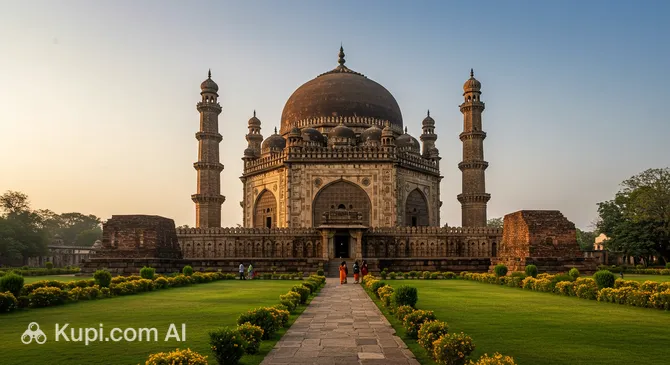
Vijayapura. Illustration.
Source: Kupi.com AI

For a long time, Vijayapura was the capital of the Bijapur Sultanate (1490–1686) and still bears the traces of its former greatness. The city is literally dotted with majestic architectural monuments, among which the ruins of ancient palaces, exquisite mausoleums, and monumental mosques stand out. Many of these structures, impressive in their scale and beauty, are true gems written about in history textbooks.

Vijayapura is a place where the past and present are harmoniously intertwined. Narrow streets filled with the aroma of spices sit alongside grandiose historical buildings, while local markets are bursting with colors and smiles. If you want to see off-the-beaten-path India, touch the legacy of great dynasties, and enjoy authentic Deccani cuisine, Vijayapura will be a true discovery for you. Come to experience the unique flavor of this amazing city!

You can find more interesting facts on the history of Vijayapura page.

Weather Overview

The climate in Vijayapura is characterized by high temperatures throughout most of the year. The hottest months are April and May, when the average maximum temperature reaches 38.3°C and 37.9°C respectively. From June to September, the monsoon season occurs, bringing the bulk of the rainfall, with July being the wettest month with 7 mm of precipitation and 24 rainy days. Winters, from December to February, are warm and dry, with average temperatures around 24-26°C and almost no rainfall. Overall, expect a hot summer with a rainy period and a warm, dry winter. Learn more about the weather in Vijayapura to plan your trip in the best possible way.

Average monthly temperature

Average monthly precipitation

Interesting Facts

Vijayapura, a city with a rich history in India, is famous for its grandiose monuments. But beyond the obvious attractions, it hides many surprising details and intriguing legends worth knowing.

  • As the capital of the Bijapur Sultanate, Vijayapura played not just a notable, but a key role in the historical events of the 16th century that led to the weakening and subsequent fall of the powerful Vijayanagara Empire and the sacking of its capital, Hampi.

  • The majestic Gol Gumbaz is known not only for its size but also for its unique engineering solution: its colossal dome is the second largest in the world among domed structures built without any intermediate supports, which still evokes admiration today.

  • One of the most amazing features of Gol Gumbaz is its "whispering gallery." Thanks to perfect acoustics, the quietest sound, even a whisper spoken near one of the gallery walls, is clearly heard in the opposite part, traveling dozens of meters.

  • Local legends of Vijayapura are full of stories about hidden treasures and secret underground passages. It is believed that unexplored tunnels and hiding places left by the sultans of the Adil Shahi dynasty may still exist beneath the ancient palaces and the citadel.

How to Get There

When planning a trip to the architectural wonders of the Deccan, it is important to think through your route in advance. You can find out more about how to get to Vijayapura by exploring all available options, but keep in mind that the city does not have its own civilian airport, so part of the journey will have to be made by land.

The most convenient air hub for tourists is often Belgaum Airport (IXG), located in the city of Belagavi. This is the nearest airport with regular service, situated about 159 km from Vijayapura. A taxi or bus ride from there takes about 4–4.5 hours. The airport serves domestic flights and is considered an important regional hub. You can check flights through Belgaum Airport in advance.

Another popular option is flying into Hubli Airport (HBX), located in the city of Hubballi-Dharwad, approximately 176 km from your destination. The journey from Hubli to Vijayapura takes a bit longer, about 4.5–5 hours. This airport also handles many domestic flights from major Indian cities. You can learn more about this hub on the Hubli Airport page.

For clarity, here is a summary of the main airports:

AirportPassenger trafficDistance
Kalaburagi Airport39 434143 km
Kolhapur158 966153 km
Belgaum Airport360 000159 km
Hubli Airport346 405176 km
Jindal Vijaynagar43 140208 km

Unlike air travel, rail transport allows you to arrive directly in the city. The Vijayapura (Bijapur) Railway Station, located in the city center, is an important hub of the South Western Railway. Direct trains arrive here from Bengaluru, Mumbai, Hyderabad, and other major metropolises. Traveling by train is not only budget-friendly but also a colorful way to get to your destination, allowing you to enjoy the landscapes of Karnataka state.

You can also reach Vijayapura by bus. The State Road Transport Corporation (KSRTC) and private operators provide regular service to neighboring cities and the state capital. The roads leading to the city are in acceptable condition, making bus trips or renting a car with a driver a comfortable alternative for those who prefer ground transport.

Main Attractions

Vijayapura, a historical city in the Indian state of Karnataka, is a real treasure trove for architecture and history enthusiasts. The city, once the capital of the powerful Adil Shahi dynasty, has preserved many impressive monuments, each telling its own unique story and attracting tourists from all over the world.

One of the most famous and recognizable attractions in Vijayapura is undoubtedly Gol Gumbaz. This grandiose mausoleum of Sultan Mohammed Adil Shah captures the imagination with its colossal dome, which is considered the second largest in the world to be unsupported by pillars. Gol Gumbaz is particularly famous for its "whispering gallery" located under the dome, where even the softest sound is reflected many times, creating an amazing acoustic effect. A visit to this place leaves an unforgettable impression on everyone interested in architectural wonders and history.

No less impressive is the Ibrahim Rauza architectural ensemble, often called the "Taj Mahal of the Deccan" for its exquisite beauty and harmony. This complex consists of the tomb of Sultan Ibrahim Adil Shah II and his wife, as well as a mosque. Delicate stone carvings, slender minarets, and a peaceful atmosphere make Ibrahim Rauza a place where you can spend hours admiring the skill of ancient architects and enjoying the tranquility.

Jama Masjid is another significant attraction in Vijayapura. It is one of the oldest and largest mosques in South India, built by order of Ali Adil Shah I in the 16th century. The mosque is distinguished by its strict yet majestic style. Its spacious prayer hall, decorated with skillful arches and domes, attracts not only believers but also tourists wishing to get acquainted with the Islamic architecture of the region.

Among other interesting sites in Vijayapura, Malik-e-Maidan stands out, which translates to "Lord of the Plains." This is a huge 16th-century cannon mounted on the Sherza Burj bastion. It is one of the largest cast guns of the Middle Ages and serves as vivid evidence of the former military power of the Sultanate. Legends surround this weapon, adding to its mystery and appeal for visitors.

Local Cuisine

The cuisine of Vijayapura is a true gastronomic journey for lovers of bold flavors, steeped in the spirit of the Deccan region. Local dishes are famous for their abundance of succulent spices, the use of slow-cooked meat, fragrant legumes, and fresh vegetables, offering a unique culinary experience that attracts foodies from all over the world.

The main star of local culinary art is undoubtedly Bijapuri biryani—a fragrant dish where rice and meat (usually mutton or chicken) are simmered together with dozens of spices, creating a unique bouquet of flavors. You should also definitely try the various curries, juicy kebabs, and crispy samosas, which are often prepared right in front of you at street stalls. Mutton and chicken dishes here are generously seasoned with coriander, cumin, cardamom, and cloves, giving them a special piquancy and depth of flavor.

Main courses are traditionally served with spicy chutneys and refreshing fresh yogurt, which perfectly softens the heat of the spices and complements the meal. Those with a sweet tooth will enjoy local desserts, such as halwa made from semolina or rice. Among non-alcoholic drinks, refreshing blends based on rose water and spices are particularly popular, effectively quenching thirst on a hot day.

The gastronomic scene in Vijayapura is very lively and authentic. Street food here is not just a snack, but an important part of local culture. At numerous street markets and stalls, you can try many traditional dishes and experience the real taste of the city. Farmers' markets delight with an abundance of fresh fruits, nuts, and local spices, which can make excellent culinary souvenirs. Occasionally, vibrant gastronomic festivals take place in Vijayapura, where you can fully appreciate the diversity of local cuisine, learn about traditional cooking methods, and even participate in culinary workshops from local chefs.

For a tourist who wants not only to see the sights but also to taste the real India, the cuisine of Vijayapura will be one of the brightest and most memorable impressions of the trip, offering a kaleidoscope of aromas and flavors reflecting the rich culinary heritage of the region.

Travel Tips

Welcome to Vijayapura, a city with a rich history and impressive architecture! To make your journey through this amazing corner of India as comfortable and memorable as possible, we have prepared some practical tips.

  1. Clothing and Essentials:

    Vijayapura has a predominantly hot and dry climate. In summer (March-May), choose light, breathable cotton clothing. During the monsoon season (June-September), an umbrella or a light raincoat will come in handy. Winters (October-February) are mild, but you might need a light sweater or jacket in the evening. Be sure to bring comfortable shoes for walking around historical sites, sunscreen, a hat, and sunglasses. For visiting religious sites such as mosques and temples, choose modest clothing that covers shoulders and knees; women may need a scarf to cover their heads.

  2. City Transport:

    The main form of transport for tourists in Vijayapura is the auto-rickshaw—they are convenient for short trips, but don't forget to agree on a price in advance or insist on using the meter. Local buses also run through the city but can be overcrowded. Taxis can be found, but they are less common than rickshaws. Ride-hailing apps like Ola or Uber may have limited coverage. Renting a car is possible, but driving in Indian cities can be challenging for an unaccustomed tourist; a more convenient option might be renting a car with a driver.

  3. Finances: Currency, Cards, and Tipping:

    The local currency is the Indian Rupee (INR). You can exchange currency at banks or authorized exchange offices. Credit and debit cards (Visa, Mastercard) are accepted in most hotels, large restaurants, and shops, but always keep some cash on you for small purchases and rickshaw fares. ATMs are fairly common. International cards usually work, but notify your bank about your trip. Tipping is not mandatory but appreciated for good service (usually 5-10% in restaurants).

  4. Health and Safety:

    There are pharmacies in Vijayapura, but it's better to have a basic first-aid kit with you. State and private clinics are available for serious medical assistance; travel insurance is highly recommended. The city is generally safe, but follow standard precautions: watch your belongings in crowded places and avoid poorly lit areas at night. Drink only bottled water and be cautious when choosing street food.

  5. Communication and Internet:

    The official language of Karnataka state is Kannada. Hindi is also widely spoken. English is used in the tourism sector, hotels, and by educated people. Learn a few simple phrases in Kannada, such as "Namaskara" (Hello) or "Dhanyavadagalu" (Thank you)—the locals will appreciate it. A SIM card from a local operator (e.g., Airtel, Jio) can be purchased by presenting your passport and visa. Wi-Fi is available in most hotels and some cafes.

  6. Local Etiquette and Customs:

    When greeting, it is customary to say "Namaste" or "Namaskara"; you can fold your palms together. Behave modestly in public places. Avoid public displays of affection. It is customary to eat, give, and receive things with the right hand, as the left is considered "unclean." If you want to take photos of locals, always ask for permission. Indians are generally hospitable and friendly.

  7. What to Avoid:

    Do not point at people or objects with your foot and try not to touch other people with your feet—this is considered extremely disrespectful. Also, try not to engage in loud arguments or conflicts, especially over trifles; stay calm and friendly.

  8. Special Tip for Vijayapura:

    Vijayapura is famous for its magnificent architecture from the Adil Shahi era. Be sure to set aside enough time to visit Gol Gumbaz with its unique acoustic dome and the exquisite Ibrahim Rauza. Consider hiring a local guide—it will help you gain a deeper understanding of the history and significance of these sites. Check the opening hours of attractions in advance, as they can change.

We hope these tips help you plan an unforgettable trip to Vijayapura and enjoy every moment of your stay in this historical city!

Entertainment & Nightlife

Vijayapura, a city with a rich historical heritage in the state of Karnataka, offers its guests a fairly calm and authentic evening atmosphere, which differs from the bustling nightlife of India's major metropolises. Evenings here are more suited for leisurely strolls, dinners at local restaurants, and immersion in the local culture rather than going to noisy nightclubs.

The core of evening entertainment in Vijayapura consists of numerous restaurants and eateries where you can enjoy local Karnataka cuisine as well as popular Indian dishes. These establishments are often located along busy streets or in the central part of the city. The atmosphere in them is generally family-friendly and welcoming, and most operate until about 10:00 PM or 11:00 PM. The dress code is usually casual, allowing you to feel comfortable. Some restaurants may offer outdoor dining, which is particularly pleasant in good weather.

As for specialized nightclubs and vibrant nightlife districts, the selection in Vijayapura is quite limited, as the city is more focused on cultural and historical tourism. Nightlife here is largely centered around various restaurants and perhaps lounge areas in some hotels that offer drinks in a more relaxed setting. The style of such places usually favors pleasant conversation over noisy discos. Since Vijayapura is not famous for a developed club scene and well-known establishments of this type are not a characteristic feature here, travelers looking for a bar or similar venue are advised to check current information on the spot—for example, at their hotel or through recent online tourist reviews.

Local markets can also be interesting in the evening if they are open at that time. There, you can not only buy souvenirs but also try a variety of street food, which is an integral part of the Indian experience. Occasionally, local cultural events or festivals with evening programs may take place in the city; it's worth asking at tourist information centers or local residents about these.

For getting around the city in the evening and at night, auto-rickshaws or taxis are the most convenient options. They can be found at designated stands or ordered through mobile apps available in the region. In general, Vijayapura is considered a relatively safe city. However, as in any other place, it is recommended to follow standard precautions: avoid poorly lit and deserted streets late at night, especially if traveling alone. Central and well-lit areas are usually safer for evening walks.

During the day, Vijayapura offers many options for engaging leisure. The city is famous for its historical architectural monuments, such as the majestic Gol Gumbaz or Ibrahim Rauza. You can also visit local museums to learn more about the history and culture of the region, or simply relax in one of the city's parks. Theaters and large concert venues are less common here, as the main focus is on preserving and showcasing the rich historical heritage.

Parks & Museums

Vijayapura, a city with an exceptionally rich historical heritage, offers its guests not only an introduction to majestic monuments of the past but also the opportunity to relax in green oases and deepen their knowledge in local museums. Here, history and nature intertwine harmoniously, creating a unique atmosphere for travelers.

While Vijayapura is primarily known for its monumental architecture, many of its famous attractions are surrounded by well-maintained green zones. For example, the extensive gardens around Gol Gumbaz serve not only as a magnificent frame for this grandiose mausoleum but also provide a pleasant space for leisurely walks. Here you can enjoy the shade of trees and admire the scale of the historical structure. Also noteworthy are the gardens of the Ibrahim Rauza complex. Their symmetrical layout and peaceful atmosphere perfectly complement the exquisite architecture of the tomb and mosque, creating a sense of peace and harmony.

A key place for learning about the history and culture of the region is the Archaeological Museum of Vijayapura. It is most often located within the Gol Gumbaz complex. Its exhibits include artifacts from the Adil Shahi dynasty period: ancient manuscripts, coins, weapons, ceramics, and architectural decor elements. Visiting the museum allows for a deeper understanding of the art, life, and traditions of that era, enriching the experience of viewing the city's historical monuments.

Many of the historical and architectural sites in Vijayapura, such as Gol Gumbaz itself, Ibrahim Rauza, Jama Masjid, and Bara Kaman, are essentially open-air museums. Their walls hold centuries of history, and the intricate carving and calligraphy are breathtaking. A walk through these places is a true journey back in time.

Advice for curious travelers: to get a more complete picture of Vijayapura, don't limit yourself to just the most famous attractions. Try to find time to visit smaller but no less interesting tombs and structures scattered around the city—you can often find unique architectural details there in a more secluded setting. We also recommend starting your tour of iconic sites early in the morning to avoid the midday heat and large crowds of visitors.

Getting Around

Getting around Vijayapura can be done in several ways, and knowing the features of local transport will make your trip more comfortable. The core of the city's transport system consists of buses and auto-rickshaws.

Buses are the most common and affordable form of public transport in Vijayapura. They run on numerous routes, connecting central areas with the outskirts and nearby settlements. Tickets are generally purchased directly from the conductor inside the bus, and payment is made in cash. Fares are usually low and depend on the distance. Buses start running early in the morning and finish late in the evening, but it is best to check the exact schedule on the spot as it can vary.

A very popular means of transport, especially for short and medium distances, are auto-rickshaws. These three-wheeled motorized carts can be found almost everywhere. It is crucial to agree on the fare with the driver in advance, before boarding, as not all auto-rickshaws are equipped with meters, or drivers may not use them. Bargaining is appropriate, but try to do it politely.

For more comfortable trips, you can use taxi services. Traditional taxis as well as car-hailing services through mobile apps popular in India (such as Ola or Uber) may be available in the city. It is recommended to check the availability of such apps upon arrival in Vijayapura. As with auto-rickshaws, when using a taxi without a meter or through unofficial channels, it's better to agree on the price in advance.

Vijayapura does not yet have a metro, trams, or trolleybuses. The fare payment system is mostly cash-based. Specialized tourist passes or transport cards for the city are not typical, but it is always worth checking current information upon arrival, for example, at your hotel. For short walks in the historical center of the city, it is quite possible to get around on foot. Cycle rickshaws may also be found in some areas, offering a more leisurely way to explore the surroundings.

Accommodation

When planning a trip to Vijayapura, you will find a variety of accommodation options to suit different preferences and budgets. The city offers a choice from modest guesthouses and budget hotels to more comfortable mid-range options. You can also find apartments for short-term rent, which can be convenient for families or long stays.

When choosing a place to stay, tourists should look at areas located near the main historical attractions, such as Gol Gumbaz or Ibrahim Rauza, or in the city center. This will provide easy access to interesting sites and transport hubs. While specific famous hotels are not listed, Vijayapura offers a spectrum of hotels ranging from basic to those providing enhanced service.

The general price range for accommodation in Vijayapura varies from budget to mid-range. Luxury options are rarer, but comfortable stays are certainly available. It is recommended to book accommodation in advance, especially if your trip falls during the peak tourist season or local festivals. The most common booking methods are popular online platforms and travel aggregators, although some hotels may offer direct booking through their websites or by phone.

Nearby Cities

For those who want to explore the surrounding area, Vijayapura serves as an excellent starting point for day trips to several interesting nearby locations:

For example, the small town of Indi, located about 46 km away, offers a chance to immerse yourself in the authentic atmosphere of the Indian countryside. It's a good place to see the daily life of the region and perhaps visit local markets to learn about the crafts and lifestyle of Karnataka's residents.

Basavana Bagewadi, situated at a distance of about 41 km, has significant historical and cultural importance. This town is known as the birthplace of Basavanna, a 12th-century philosopher and social reformer, making it attractive to those interested in the history and spiritual heritage of India.

CityPopulationDistance
Aliyabad17 54410 km
Arakeri10 80212 km
Nagathan9 57618 km
Bobleshwar15 21623 km
Ukkali10 17323 km

These nearby destinations provide an insight into the diverse culture and landscapes of the region.

Shopping & Souvenirs

Shopping in Vijayapura offers tourists the chance to immerse themselves in the atmosphere of traditional Indian trade rather than exploring rows of modern malls. The city is known not so much for exclusive goods but for its good selection of local products, textiles, and souvenirs reflecting the rich culture of the Karnataka region. Here you will find many small shops and bustling market rows where you can feel the true spirit of India.

Main shopping areas in Vijayapura are usually concentrated on the city's central streets and near popular historical attractions. Look for lively bazaars and rows of shops where locals do their daily shopping. Instead of the shopping streets familiar to Europeans, trade here is often dispersed, but you will easily find interesting shops while walking along the city's main arteries.

Vijayapura is a city with a deep historical heritage, so large modern shopping centers are rarer here than in India's major metropolises. Shopping here is predominantly traditional, concentrating on markets and individual shops. If your goal is branded goods in a standard mall setting, the choice in Vijayapura may be limited.

Markets are, without exaggeration, the heart of commercial life in Vijayapura. Here you can find everything: from fresh fruits, vegetables, and aromatic spices to clothing, household items, and inexpensive but colorful souvenirs. Visiting a local market is not just a shopping opportunity but a chance to dive into the authentic atmosphere of an Indian city, observe its daily hustle and bustle, and, of course, practice the art of bargaining.

For souvenirs from Vijayapura, consider traditional Indian goods. Look for vibrant silk and cotton fabrics as well as saris—you might find patterns or types characteristic of Karnataka state, such as Ilkal saris. Popular items include handmade wooden products, small figurines of deities, incense sticks, and essential oils. Don't forget local spices, which will allow you to recreate the aromas of India in your kitchen.

Most shops in Vijayapura are typically open from 10:00 AM or 11:00 AM until 8:00 PM or 9:00 PM. Some small shops might close for a lunch break in the middle of the day. Markets often start their work much earlier. As for payment methods, small shops and markets prefer cash (Indian Rupees). Larger and more modern stores may accept bank cards, and the UPI (Unified Payments Interface) mobile payment system is very widely distributed across India and can be a convenient option.

In India, there is a Goods and Services Tax (GST) refund system for foreign tourists on certain categories of goods exported from the country. However, this process may not be as simple and automated as in some other tourist destinations. If you plan to make major purchases (for example, jewelry or expensive electronics), it is recommended to check with the seller in advance about the possibility of arranging Tax Free documents and to familiarize yourself with the current rules and procedures at the airport when departing the country.
Nearby cities

Reached the end of the page?

That means the route is fully explored