Support

National Museum of Indonesia

About

The National Museum of Indonesia, located in the heart of Jakarta, is the country's primary repository of history and culture. It is not only the largest and oldest museum in Indonesia but also an iconic site affectionately called the "Elephant Building" (Gedung Gajah) by locals. It earned this nickname due to the bronze elephant statue at the entrance—a gift from King Chulalongkorn of Siam, presented in 1871.
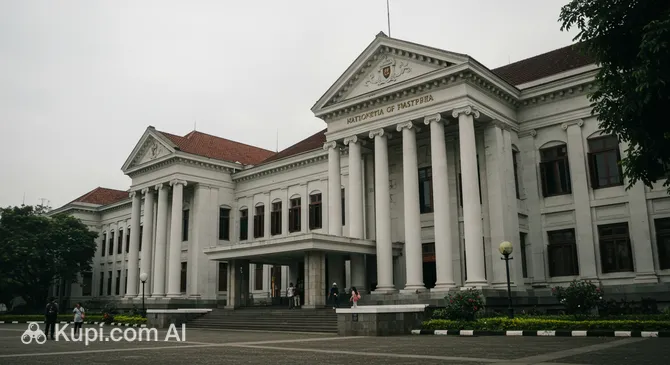
National Museum of Indonesia. Illustration.
Source: Kupi.com AI

Traveler photos:

The museum's collection is truly impressive: it houses more than 140,000 exhibits that tell the story of the archipelago from prehistoric times to the present day. Visitors can embark on a fascinating journey through time, exploring archaeological finds that shed light on the ancient civilizations that once flourished on these lands. The museum is rightfully considered one of the best in Southeast Asia.

The exhibition covers a wide range of fields: from ethnographic items introducing the daily life and traditions of the country's numerous ethnic groups to unique collections of ceramics, numismatics, and rare manuscripts. The halls containing items made of precious metals and stones deserve special attention, showcasing true masterpieces of jewelry art from ancient Java. A visit to the National Museum is an essential item on the itinerary of any traveler wishing to gain a deeper understanding of Indonesia's rich heritage.

Contacts

For up-to-date information on opening hours, ticket prices, and current exhibitions, it is recommended to contact the museum directly or visit its official website. All essential contact information is provided below.

How to contactContact
AddressJl. Medan Merdeka Barat No.12, Gambir, Kecamatan Gambir, Kota Jakarta Pusat, Daerah Khusus Ibukota Jakarta 10110, Indonesia
Phone number+62 21 3868172
Websitewww.museumnasional.or.id

What to Do

A visit to the National Museum of Indonesia is a true immersion into the country's rich past and multifaceted culture. The exhibition takes you through different eras: from the prehistoric period, represented by ancient artifacts, to the halls of classical archaeology with Hindu-Buddhist sculptures. Particular attention should be paid to the ethnographic collection, which brings together everyday objects, ritual masks, and traditional costumes of Indonesia's many peoples. The museum also features extensive ceramic and numismatic collections that tell the story of the archipelago's trade links and economic history.

Of particular interest to visitors is the so-called "Gold Room", located on the fourth floor. It houses priceless treasures found on the islands of Indonesia, including ancient royal regalia and jewelry made of gold and precious stones. The bronze and gilded statue of Amitabha Buddha, dating back to the 9th century, is rightfully considered the crown jewel of this collection. This part of the exhibition leaves a lasting impression and demonstrates the high level of craftsmanship of ancient civilizations.

The museum is not just a repository for artifacts but also a vibrant cultural center. Temporary exhibitions, lectures, and educational programs are regularly organized here, providing a deeper understanding of Indonesian history and art. For a full immersion into local culture, consider planning your visit for a Sunday: on this day, you can hear live performances by a traditional Indonesian gamelan orchestra, whose enchanting sounds fill the halls with a special atmosphere.

Getting There

The National Museum of Indonesia is conveniently located in the very heart of Jakarta, on the western side of Merdeka Square at Jalan Medan Merdeka Barat. Thanks to this central location, getting there is quite simple. One of the city's main symbols—the National Monument (Monas)—is nearby, so you can easily combine visits to these two landmarks. A walk from the monument to the museum takes just a few minutes.

To get around the city, you can use public transport. One of the most convenient options is the TransJakarta bus network. You need to get off at the Monas stop, which is located in the immediate vicinity of the museum. You can also use the city metro (MRT Jakarta)—the closest station to the museum, Bundaran HI, is within a reasonable walking distance or a short taxi ride away.

Of course, you can always opt for a taxi or use ride-hailing services, which are very popular in Jakarta. This is a particularly convenient method if you are traveling with family or prioritize comfort. If you decide to rent a car, keep in mind that there is parking near the museum, although finding a vacant spot can be difficult during peak hours.

Nearest city: Jakarta

History & Facts

The history of the National Museum of Indonesia dates back to the Age of Enlightenment, when scientific societies were emerging across Europe. On April 24, 1778, on the initiative of the Dutch colonial administration in Batavia (the former name of Jakarta), the Batavian Society of Arts and Sciences was founded. This makes the museum one of the oldest in Southeast Asia. Initially, its primary goal was the study of the cultural and scientific aspects of the East Indies, including its nature and society.

One of the founders, Jacob Cornelis Matthieu Radermacher, donated not only a building but also his extensive collection of cultural artifacts and books to the society, laying the foundation for the future museum. Over time, the collection grew so large that a new, more spacious facility was needed. In 1868, the modern museum building was inaugurated; designed in an elegant classical style, it still welcomes visitors today. Since 1962, the museum has held the status of a state institution, and since 2005, it has been managed by the Indonesian Ministry of Culture and Tourism.

The museum's collection has been shaped over centuries and is today impressive in its diversity. A significant portion consists of archaeological finds and ethnographic items brought from all across the Indonesian archipelago. Additionally, the holdings have been expanded through gifts and acquisitions. Notably, until 1987, the museum also housed part of the National Library of Indonesia, including invaluable ancient manuscripts. This fact underscores the unique role of the museum as the country's most important scientific and cultural center.

Time Needed

When planning a visit to the National Museum of Indonesia, you should allow for 2 to 3 hours. This is generally enough for a brief but meaningful tour of the main exhibitions. During this time, you can visit the key halls, including the prehistoric department, the collection of Hindu-Buddhist sculptures, and the ethnographic exhibition, gaining a general overview of the archipelago's rich history and cultural diversity.

However, if you are a history or art enthusiast and want to truly dive deep into the study of the exhibits, you should set aside more time. History and culture buffs might need half a day to leisurely explore the treasures of the "Gold Room," examine the ceramic and numismatic collections in detail, and visit the temporary exhibitions regularly held at the museum. Participating in cultural events, such as gamelan concerts, will also require additional time in your schedule.

Working Hours

The National Museum of Indonesia is open to visitors from Tuesday to Sunday. Standard opening hours are 08:00 to 16:00. Monday is a closing day.

While advance ticket booking is not usually required, it is highly recommended to check the official museum website for current regulations and opening hours. This is especially important if you plan to visit during national holidays, when the schedule may change. Verifying information in advance will help avoid any inconvenience and ensure you plan your visit in the best possible way.

DayOpening hours
MondayClosed
Tuesday8:00 – 20:00
Wednesday8:00 – 20:00
Thursday8:00 – 20:00
Friday8:00 – 20:00
Saturday8:00 – 20:00
Sunday8:00 – 20:00

Nearby

Visiting the National Museum of Indonesia is just the beginning of discovering the cultural and historical heart of Jakarta. Located on Merdeka Square, the museum is an excellent starting point for further exploration of the city center. A stroll through the surrounding area will allow you to immerse yourself deeper in the capital's atmosphere and see other iconic sites within walking distance.

Exploring nearby attractions will enrich your journey, showcasing the contrasts and multifaceted nature of Jakarta. Near the majestic museum building, you will find monumental landmarks, important religious structures, and cozy parks. Below is a list of interesting sites located nearby to help you plan a full-day itinerary.

NameDistance
Hachi Grill Kebon Sirih0.8 km
SEMAJA Menteng1.8 km
Grand Hyatt Jakarta1.9 km
Hotel Indonesia Roundabout2.1 km
St. Paul's Protestant Church, Jakarta2.9 km
Central Park Mall3.4 km
Jakarta Aquarium Safari3.5 km

Have you reached the end of the page?

So the route has been studied inside and out