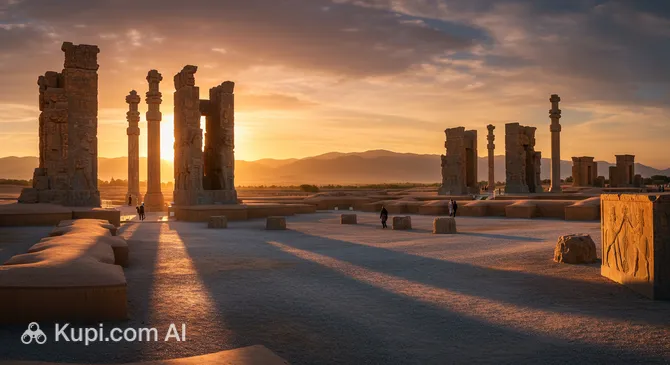
Shopping in Marvdasht is not about chasing global brands or high fashion, but rather an opportunity to see the real Iran without glossy filters. The city, living in the shadow of the great Persepolis, offers tourists a modest but colorful array of retail outlets. Small private shops and traditional stores catering to local residents predominate here, allowing you to get acquainted with the region's actual lifestyle without tourist markups.
Main commercial life bustles on the city's central streets. Strolling along the main boulevards, you will find many shops for clothing, shoes, and household goods. These are great places to restock during your trip or buy inexpensive but high-quality locally produced items. The windows here are simply decorated, and the sellers, while they rarely speak English, are always happy to help and show the famous Eastern hospitality.
There are no large European-style malls in Marvdasht; their function is performed by so-called "passages"—small indoor shopping galleries. They usually house boutiques with men's and women's clothing, cosmetics shops, and electronics. The assortment in these centers mainly consists of local, Turkish, and Chinese goods. This is a convenient option for shopping on a hot day, as the passages are equipped with air conditioning.
The true heart of trade is the city bazaar. This is where you should go for the freshest fruits, vegetables, and the unmistakable aromas of the East. The market in Marvdasht is a riot of colors: mountains of herbs, sacks of rice, and piles of nuts and dried fruits. Here you can buy famous pistachios, dates, and saffron at prices significantly lower than in the souvenir shops of Shiraz or Tehran.
When choosing souvenirs, pay attention to items related to the region's history. Near Persepolis and in the city itself, high-quality stone and plaster replicas of bas-reliefs, figurines of winged bulls, and cuneiform tablets are sold. Fars Province is also famous for its carpets and kilims (flat-weave rugs) woven by local artisans. Gastronomic souvenirs like a set of local spices, rose water, or traditional sweets also make great gifts.
When planning your purchases, keep the operating hours in mind. Shops usually open around 9:00 AM, but many close for a long break—a siesta—from 1:00 PM to 4:00 PM or 5:00 PM. Evening trading continues until 9:00 PM or 10:00 PM. Friday is the official day off, so most shops and bazaars will be closed or operating on a reduced schedule.
Regarding payment, it's important to remember: international Visa and Mastercard cards do not work here due to the specifics of the local banking system. Everywhere, from small shops to large stores, only cash or local bank cards are accepted. Always have a sufficient supply of cash with you. Prices are often quoted in "tomans" (1 toman = 10 rials), so always clarify the currency when paying to avoid confusion.
The Tax Free system (VAT refund) for tourists is not applied in Marvdasht. Prices are final, however, in bazaars and private shops, light and polite haggling is appropriate and considered an integral part of communication culture.